
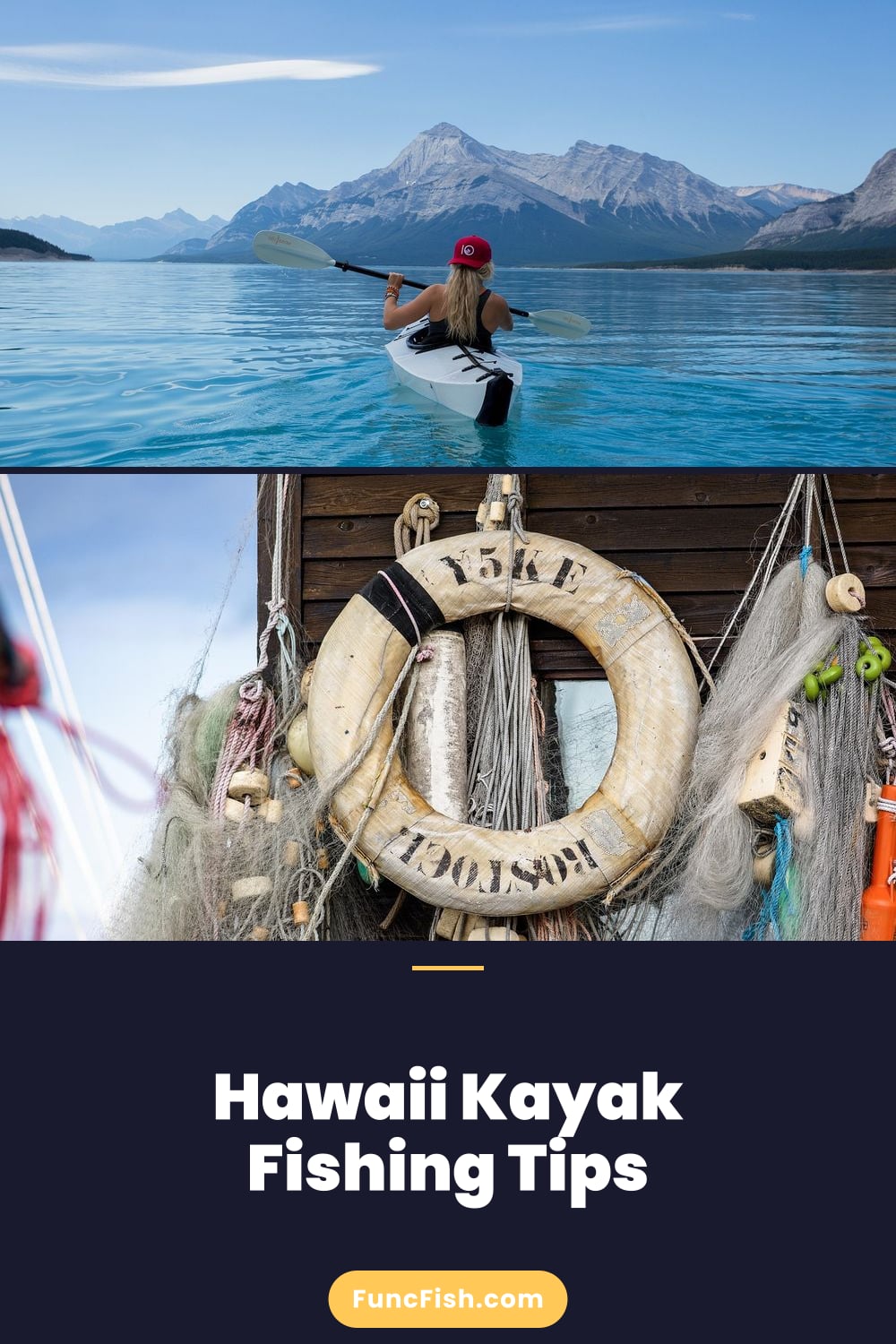
Kayak fishing is the practice of fishing from a kayak to catch fishes in the ocean. Kayak fishing allow people to get closer to the fish than a large boat can get. Kayak fishing requires a different set of skills different than fishing from the shoreline or from a boat.
Because kayak fishing allows people to get very close to the fish, there are some fundamentals that a person must learn in order to enjoy this fishing activity. A person must choose the correct kayak for the water of Hawaii. A person should not choose the cheapest kayak available.
Essential Tips for Kayak Fishing in Hawaii
1. Choosing the Correct Kayak
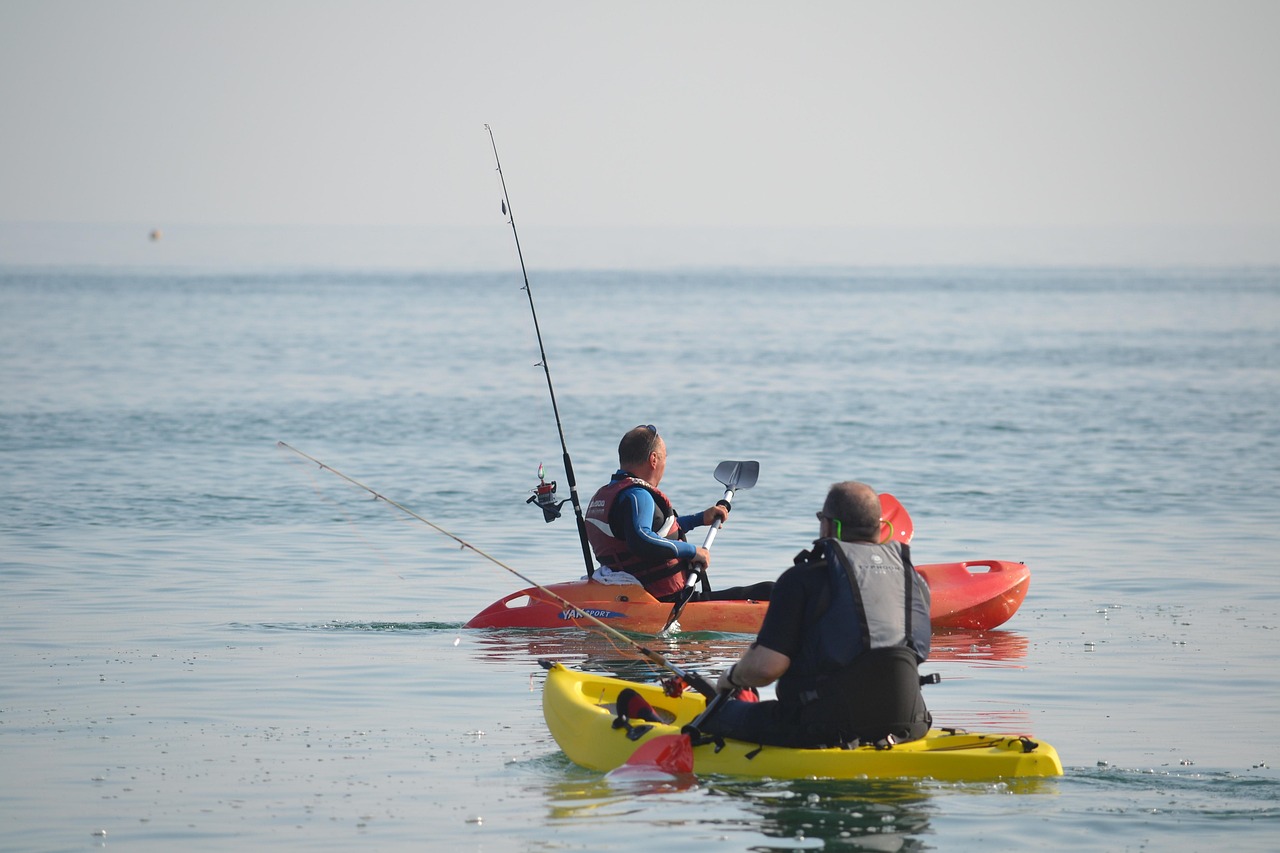
Kayaks between twelve and fourteen feet in length offer the best balance between maneuverability and stability. Kayaks that is shorter in length can turn quickly but can be challenging to control in the wind. Kayaks that are longer in length will glide better over long distances but will be less stable when a fish approaches from the side.
A person should choose a kayak that has plenty of space on the deck to store a cooler, a milk crate, and an anchor. Kayaks with wide and flat bottoms will better endure the choppy waters near the reef passes. If a person plan to fish in large swells, the kayak should have built-in rod holders, a rudder, and enough flotation devices to allow for a self-rescue in the case of a capsize.
2. Essential Paddling Gear
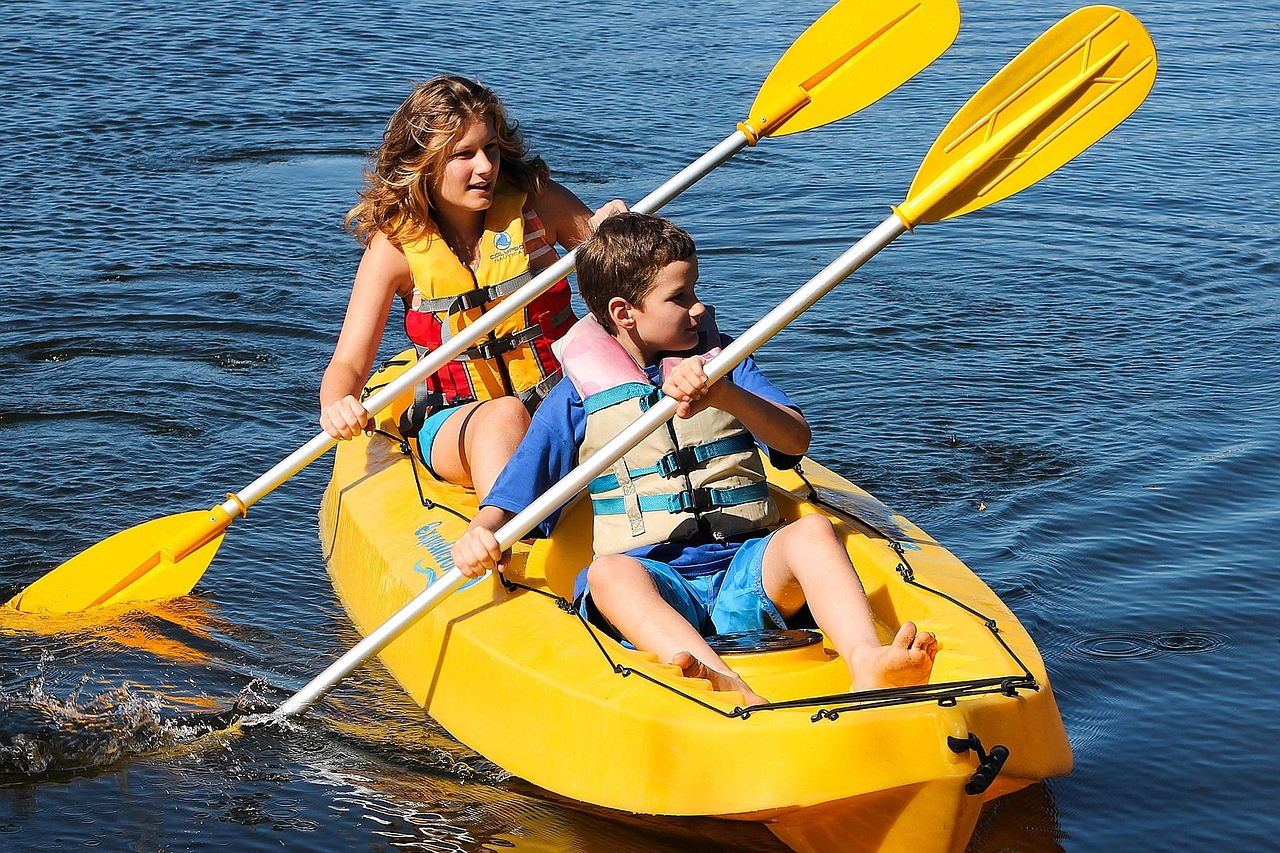
A person using a kayak must have a paddle. The paddle should have carbon fiber blades to reduce fatigue during long kayaking trips. However, glass fiber blades will work just as well for shorter trips.
3. Effective Paddling Techniques
A person should paddle with short strokes close to there hull to not scare the fish. A paddle leash should be attached to the kayak. This is important because a person could get into an intense fishing spot and lose their paddle.
A person should practice using only one side of the kayak to paddle so as to make more less noise when kayaking. Making less noise while kayaking will allow a person to get closer to the more skittish fish in the area. A person must properly rig the kayak.
4. Installing Rod Holders
Rod holders should be installed on the kayak to hold the fishing rods. Two rod holder can be installed behind the seat to allow for trolling while a person is kayaking. A third rod holder can be installed on the front of the kayak to allow a person to easily switch rods without having to rotate the kayak.
5. Kayak Storage and Organization
A bungee cord should be used to attach a dry bag to the kayak. The dry bag will contain a phone, sunscreen, and pliers. A milk crate can be installed on the kayak seat to hold tackle boxes, spools of leaders, and a stringer.
6. Anchor Trolley Systems
An anchor trolley system can be installed on the side of the kayak hull to allow a person to move the anchor to the bow or the stern of the kayak. This will allow a person to remain faced into the current while fighting a caught fish. Safety gear is mandatory when kayaking in the ocean.
7. Mandatory Safety Gear
A person must wear a Coast Guard approved Type III personal flotation device (PFD) at all times, even when it is warm outside. A whistle and a waterproof VHF radio can be clipped to the PFD. Some experienced kayakers may also carry an inflation device for emergency use, and a signaling mirror.
A person must check the marine forecast before heading out. A person must also tell someone where they are going to fish. Using a bright color for the kayak will allow rescuers to find a person in distress.
A waterproof strobe can also be attached to a persons gear.
8. Fishing Locations and Tide Charts
A person should choose where to fish by consulting a tide chart and a map of the reefs in the area. During high tides in the early morning, the flats will be flooded with water and fish such as bonefish and trevally will come into shallower waters.
During low tide, a person can move to the deeper channels in which predator fish will be waiting. A person should position their kayak on the down-current side of a lava point that creates a break in the water currents. A person should not paddle over shallow coral heads where fish may become frightened of both the kayak and the paddling sound.
Most strikes on fishing lines occur in the area where sand meets reef areas. The type of fishing gear needed for kayak fishing is light spinning fishing tackle in the fifteen to twenty-five pound class. Most people find that a seven-foot fishing rod offers the best balance while seated on the kayak.
9. Recommended Fishing Tackle
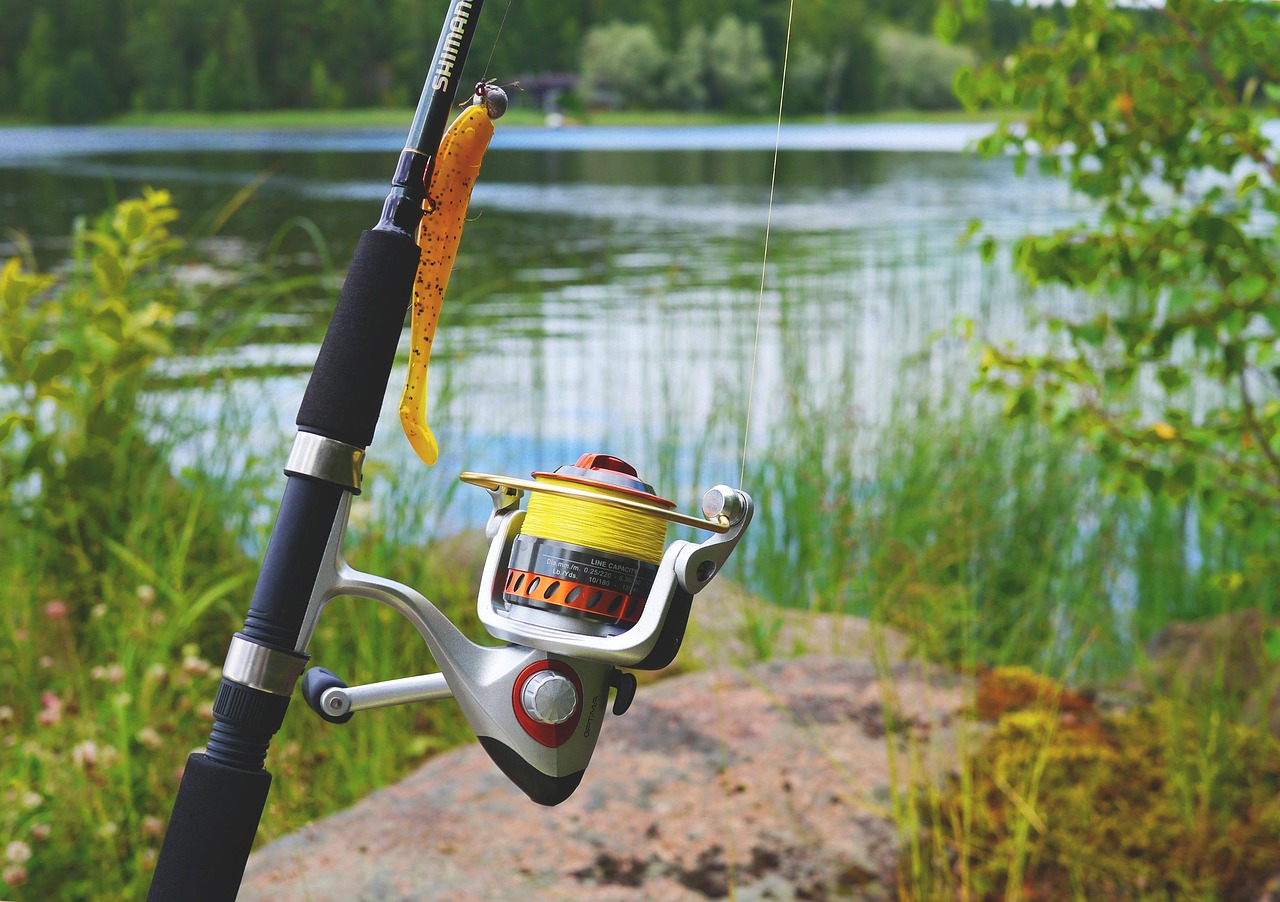
A person should use a reel that holds at least two hundred yards of thirty-pound bramid line. Fluorocarbon fishing line has the best abrasion resistance while on the kayak so it is the best choice for leader line. Using two rods will allow a person to be ready in case of a large fish that should be caught.
A person should practice switching rods quickly when fishing from a kayak to avoid capsizing the kayak. A person must choose the correct bait to use when kayaking. Live oama will entice fish such as papio and omilu.
10. Choosing the Right Bait
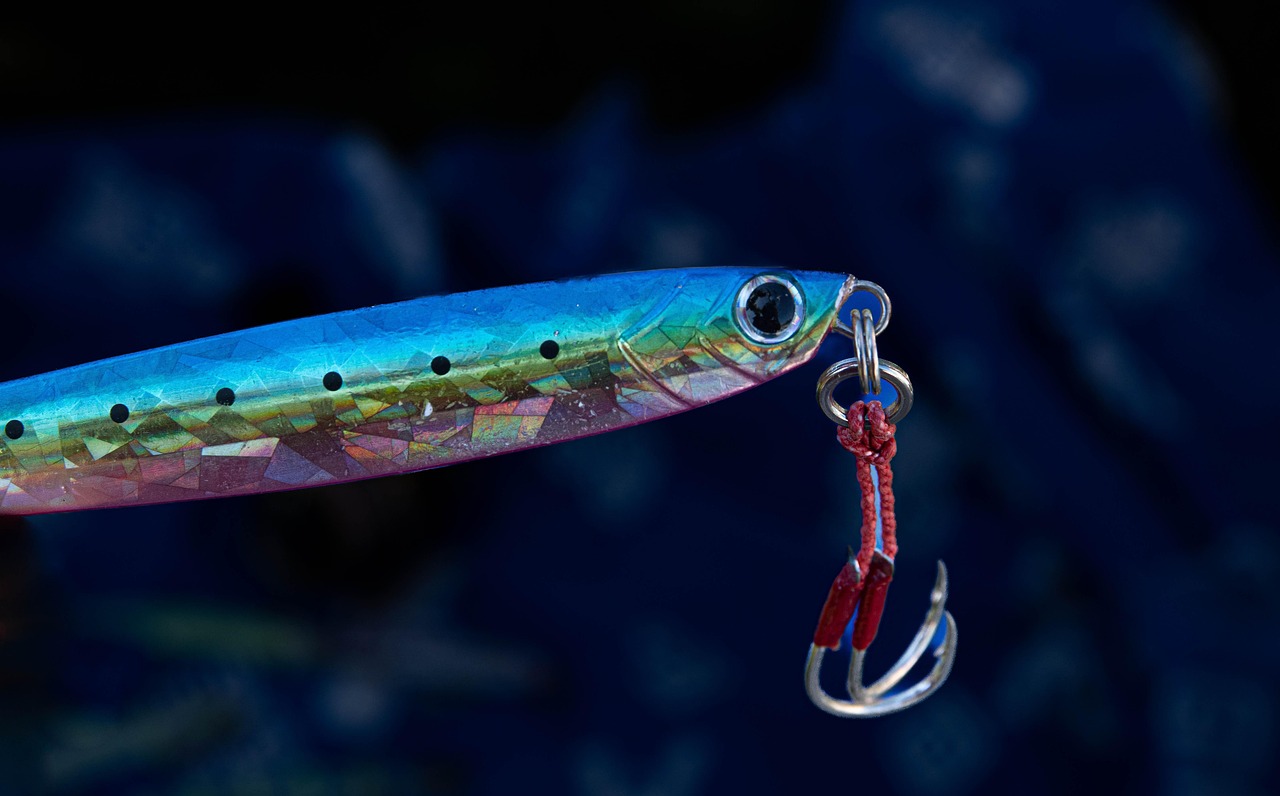
Other good bait options include frozen sardines and squid. Topwater fishing plugs will work to attract trevally during the first light of day. When a person is fishing deeper in the water, use vertical fishing jigs.
A person must ensure that the size of the bait match the size of the baitfish that inhabit the water from which they are fishing. If the size of the bait is either too large or too small relative to the baitfish, the fish will ignore the bait. A person should learn to read the water for which they are fishing.
11. Reading the Water
Darker blue waters generally mean that the water is deep. Turquoise waters mean that the water is shallow and likely contains reefs. Observing birds that dive into the water or that scatter the baitfish in the water indicates the location of the fish.
Ripples in the water that form against the wind may indicate the presence of a submerged rock. Submerged rocks often contain fish in them. A person should paddle quietly to the fishing spot and drift the bait through the area where fish are spotted.
This will avoid scaring the fish due to loud paddling. A person must have a plan to land a fish from a kayak. A person should not attempt to lift a large fish out of the ocean and place it on the side of the kayak.
12. Landing Fish Safely

This can easily capsize the kayak. A person can bring the fish alongside the kayak and use a net or use their lip grip to move the fish into the kayak. For fish that have sharp teeth, such as barracuda, use long pliers to remove the hook from the fish.
A stringer may be used to keep fish alive in the water while they are being caught. A person should also treat and respect the ocean when fishing from a kayak. One of the best ways to do this is to always release large breeding fish so that the population of fish will continue to exist for future generations.
A person should never anchor on live coral. In addition, a person should always pack out all of their trash. This includes any line or bait wrapper they may have discarded while fishing.
13. Ocean Conservation and Ethics
By following these rules and tips, a person will be able to enjoy kayak fishing in Hawaii while leaving the ecosystem in which they fish alone and unspoiled for others to enjoy as well.