
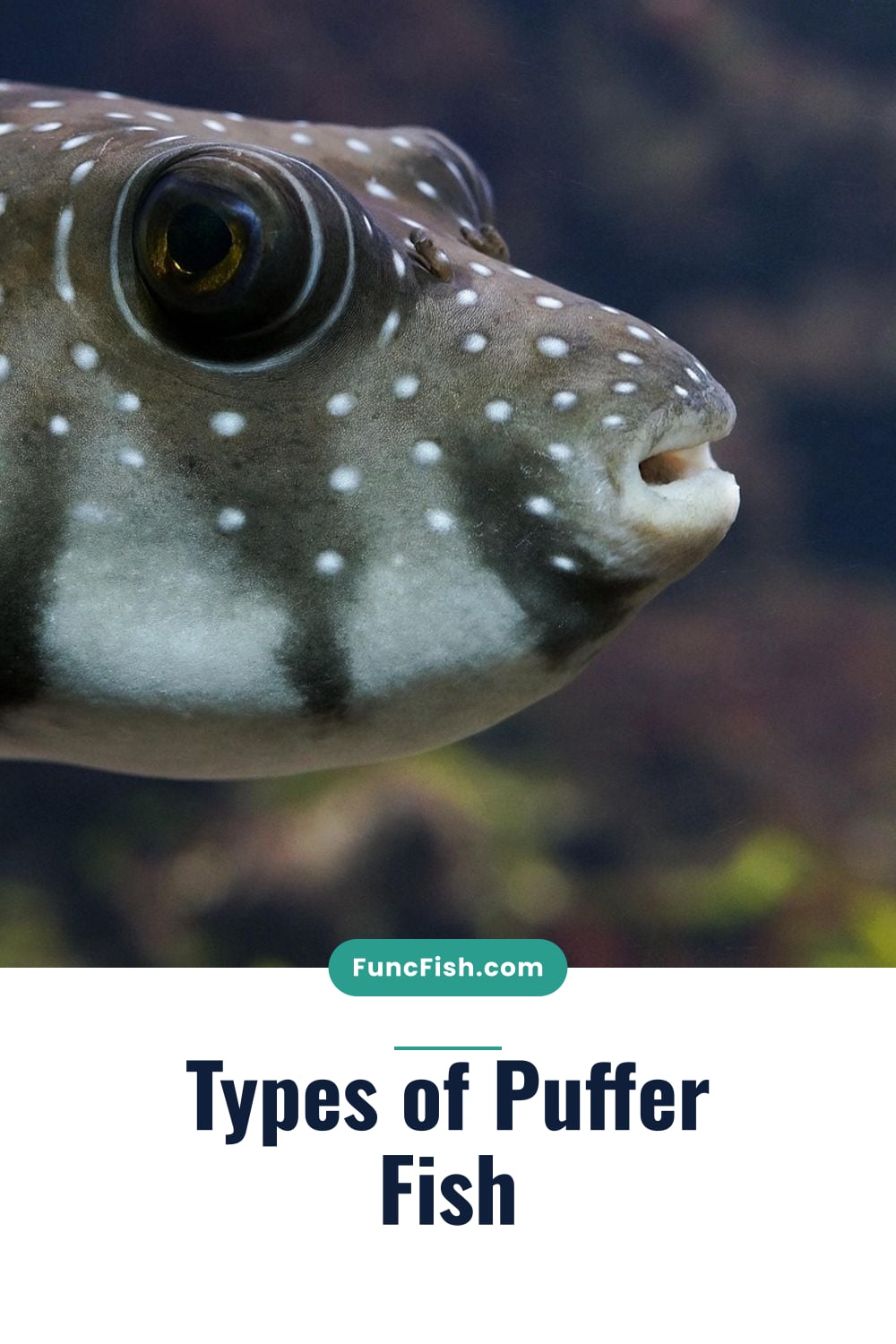
Puffer fish has a unique way of capturing the attention of an observer that few other sea creatures seem to have. Puffer fish can look like any other swimming fish in the reef one moment, but the next they are inflated to a bouncy orb that seem to be challenging anyone who may wish to take a bite of them. Such an ability are actualy a means of defense for the puffer fish.
The defense can rely upon the speed and elasticity of the fish’s body, or upon the toxins contained within their bodies that are strong enough to kill a grown human. Knowing the different type of puffer fish allows for people to better appreciate the different methods by which evolution has solved the same problem of surviving in the oceans around the world. Puffer fish have a reputation among divers and those who keep them in captivity.
Some species of puffer fish may be bold and chase food from their human observers, while others may be shy and only exhibit interest in the species when they feel threatened by those same humans. Some puffer fish contain enough toxins in their bodies that touching the fish can be lethal for humans. The different species of puffer fish that exist can be explored in more detail in the description that follows.
Different Common Species of Puffer Fish
1. Green Spotted Puffer Fish
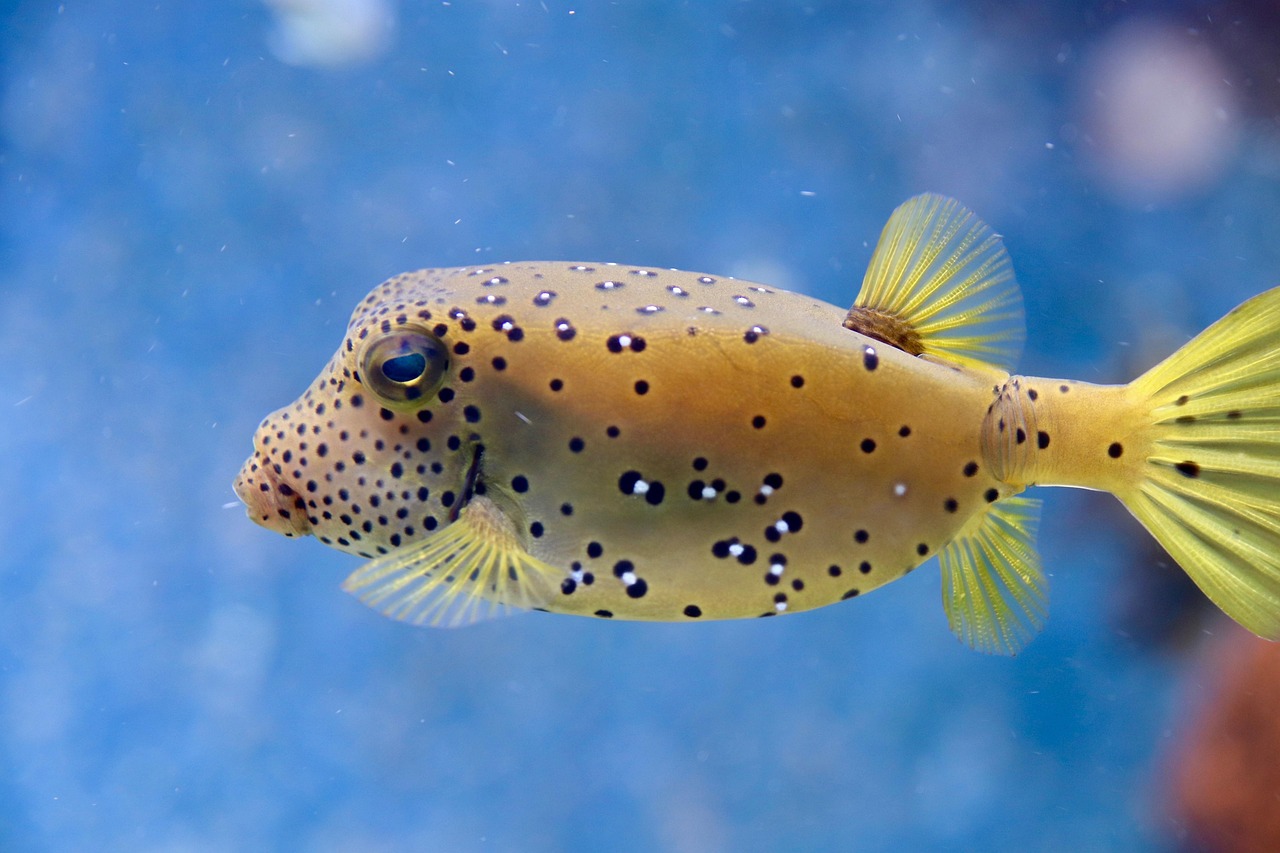
The green spotted puffer fish is one of the most common species of puffer fish that is spotted in the wild. The green spotted puffer fish is native to the brackish waters of Southeast Asia and the Indian Ocean. The fish features dark spots over its body that is bright green or yellow in color.
Juvenile green spotted puffers live in freshwater environments, but the adult fish move into saltwater environments as they mature. As a result of this life cycle, green spotted puffers are able to tolerate a wider range of salinity than most marine species. Their diet consists primarily of snails and crustaceans that they crush with their beak-like mouths.
They are social fish, as they will recognize their owners and swim to the front of the tank to be fed by them. When mature, the body of green spotted puffer fish is under six inches in length. This makes them manageable species for larger home aquariums, though they require considerable space for their adult bodies, and their diets should be heavy in foods with shells to wear down the fish’s continuously growing teeth.
2. Saddleback Puffer Fish
The next species of puffer to discuss are the saddleback puffer fish. These fish live in the same regions as the green spotted puffers, and they live in the clearer lagoons of the Indo-Pacific region of the Pacific Ocean. These puffer fish live near the coral reefs while they hunt for food.
The body of the saddleback puffer is more elongated than other species of puffer. The saddleback’s unique skin allows it to expand, and it uses the elongated body to slip into crevices in the coral reefs to escape from predators. These fish contain tetrodotoxin in their bodies, though at a moderate level.
The fish grows to be larger than the green spotted puffer, and may become territorial around other tank inhabitants in captivity. Other fish in the tank should be of a similar size to the saddleback puffers.
3. Porcupinefish
The porcupinefish is another species of puffer fish that is covered in sharp spines that extend outward from its body when it is inflated.
These fish are native to both the Atlantic and Pacific oceans. The two main species of porcupinefish include the long-spined species that live in the Atlantic, and the black-spined species of the Pacific Ocean. Both of these species can reach eighteen inches in length in the wild, though they never come close to that size in captivity.
Its diet is comprised mainly of mollusks and crabs. Porcupinefish require strong filtration systems to their tanks, and their diets should be heavy with foods that contain shells to wear down their continuously growing teeth.
4. Tiger Puffer Fish
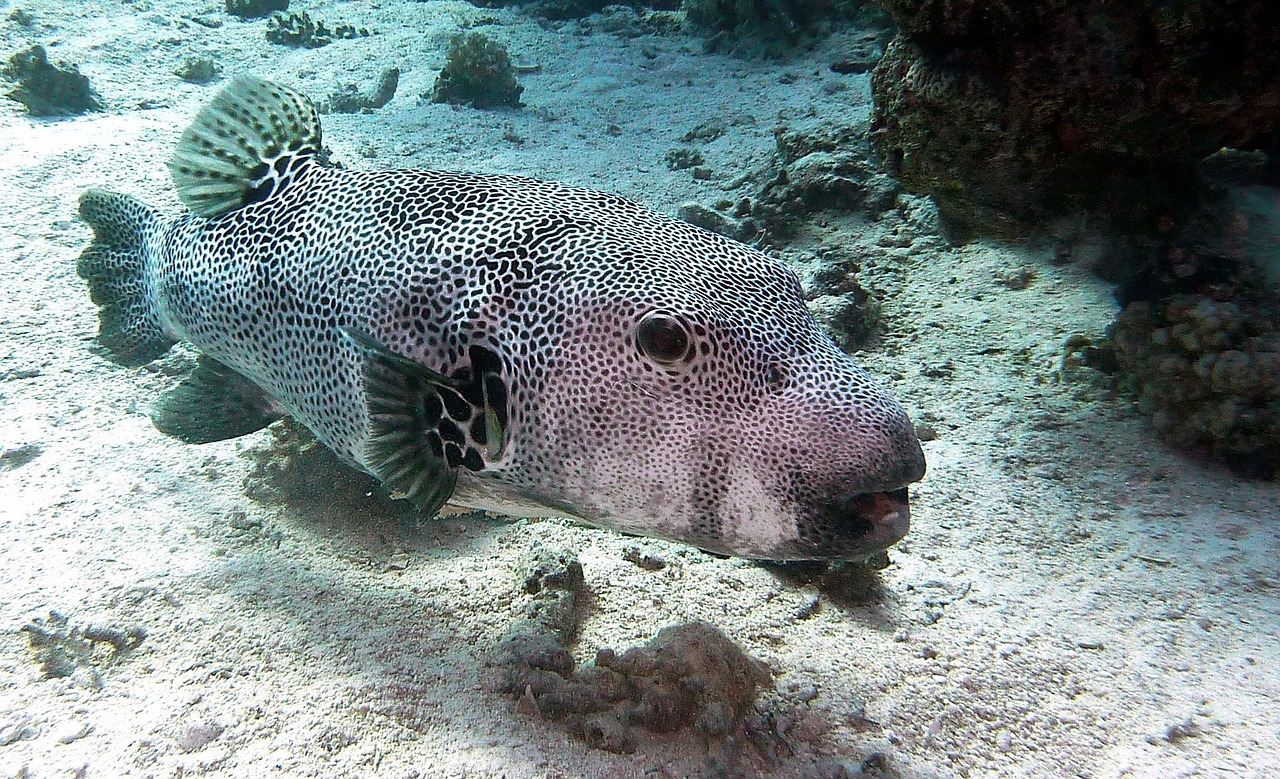
The fugu, or tiger puffer fish, is the species of puffer fish that is most well-known for containing high levels of tetrodotoxin.
Japanese chefs prepare tiger puffer fish as the sashimi dish after the fish is trained for many years. The fish’s liver, ovaries, and skin contain lethal amounts of tetrodotoxin, but the muscle of the fish is safe for consumption. These fish live in the Yellow Sea to northern Japan.
They can reach lengths of up to two feet. Tigers puffers are also capable of inflating in size to nearly twice their normal size, and their skin develops into a thick barrier that most predators cannot swallow. These species are not kept in home aquariums due to their size, and because of the legal restrictions regarding importing these species of fish into the country.
Nonetheless, seeing a tiger puffer in an aquarium can be an unforgettable experience.
5. Dwarf Puffer Species
Dwarf puffer species are some of the smallest species of puffer fish. The species is native to Indias rivers.
Despite their small size, dwarf puffer species can contain enough tetrodotoxin in their bodies to deter most predators. Their bodies can be bright yellow colors with red eyes. They are best kept in tanks that contain only dwarf puffer species in captivity, as they may otherwise begin to eat the fins of other fish in the tank.
The species enjoys hunting for snails and other worms in planted aquarium tanks. The lifespan of these fish is comparatively short, however, living only two to three years. Thus, one of the drawbacks of the species is their short lifespan.
6. Dogface Puffer
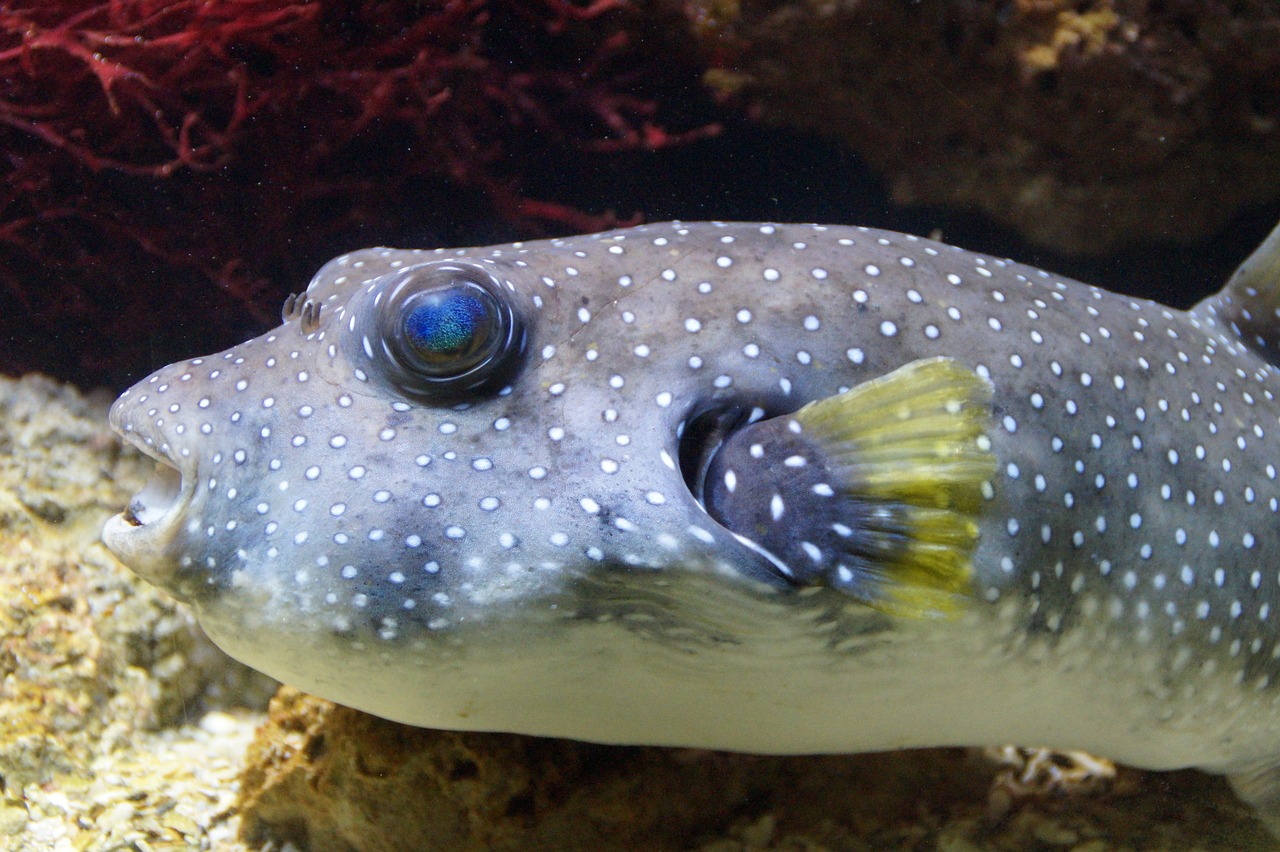
Another species of puffer fish is the dogface puffer. These fish have a blunt snout and large, expressive eyes that give them the look of dogs. Dogface puffers are common in the tropical reefs from Hawaii to the Great Barrier Reef.
The puffers have a mottled appearance of brown and yellow colors that allow them to blend with the sandy bottoms of the reef. Dogface puffers are not as fond of remaining in the water as other species of puffer. Instead, they rest upon the substrate of the tank, and move across the substrate with their fins to search for food.
Though the toxin content of the dogface puffer is not as strong as that of the tiger puffer, they may deliver a painful bite if threatened. Dogface puffers do well in reef tanks in captivity, though. Their predators are generally other fish who are too small to fit into the puffer’s mouth.
7. Map Puffers
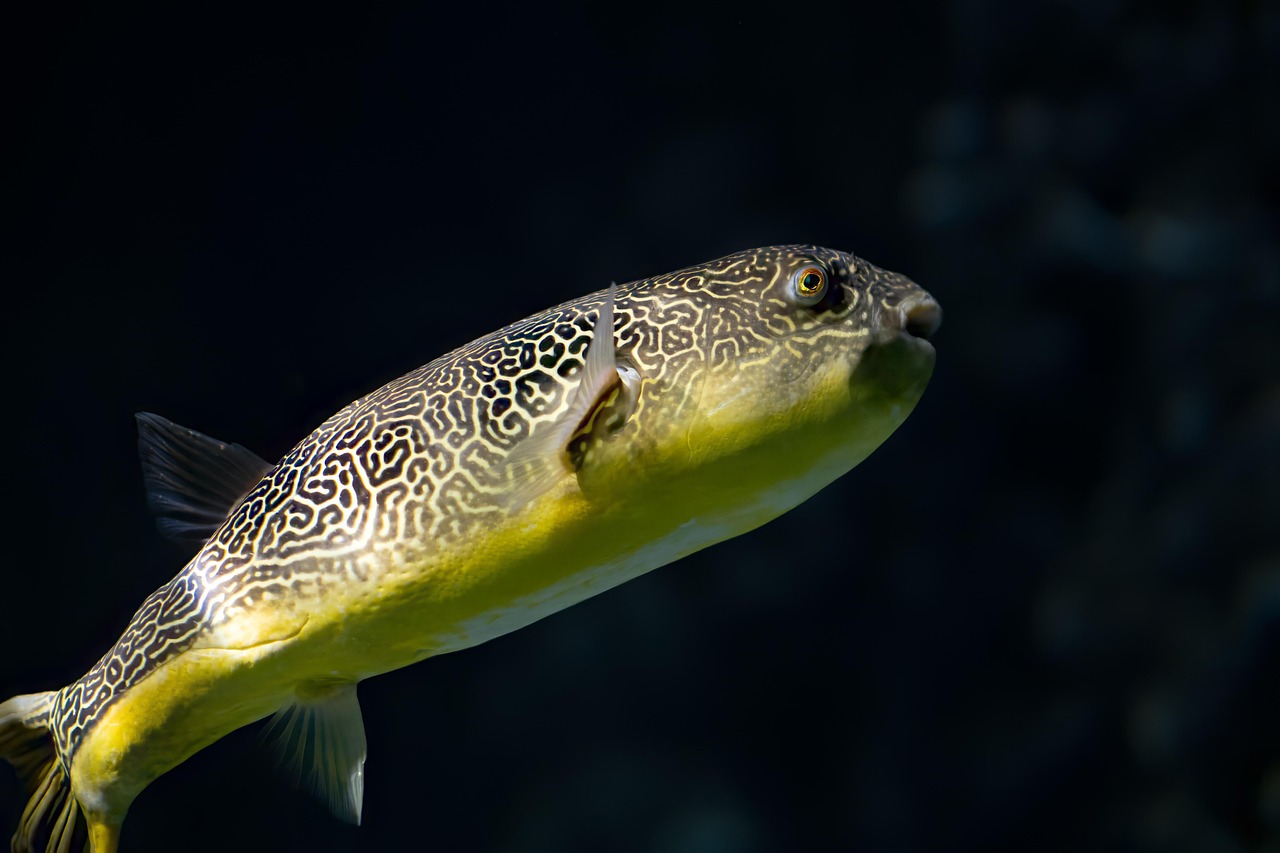
Map puffers have intricate patterns on their bodies that resemble maps of the land. These species are common throughout the Pacific and Indian Oceans. They are active fish in their habitats, patrolling their areas for crabs, urchins, and mollusks.
The species can grow to ten inches in length. A minimum tank size for these fish is 180 gallons once they reach maturity. One behavior of the map puffer is that the fish uses the jet streams that emanate from its mouth to blow sand away from prey fish.
These behaviors are similar to a prospector using sand to expose gold. These fish may be observed performing the same behavior in their tanks when they are hungry for food.
8. Southern Puffer
The last species of puffer fish to discuss is the southern puffer.
This species of puffer fish is native to the southeastern region of the United States, as well as the Caribbean islands. The ability of these puffer species to live in estuaries and bays allows them to be a bridge between freshwater and marine species, just as the green spotted puffer is a bridge between freshwater and marine life. The spots on their bodies are black, and they are present on the pale-colored belly of the puffer fish, darkening into their dorsal fin.
These puffer fish can be relatively inexpensive and widely available from their wild habitats. However, some individuals may harbor parasites in their bodies that must be treated prior to placing them in tanks at home. These puffers are entertaining to watch as they learn to push objects or decorations in their tanks.
The size of the southern puffer is relatively small, though reaching lengths of ten inches. Additionally, their diets should include foods with shells to wear down their growing sets of teeth. Each of the species of puffer fish discussed has developed slightly different means of ensuring their survival in a sea filled with other fish that pose a threat to their lives.
Some species use bright colors to warn of their toxins in their bodies, while others use physical features like spines or the ability to dissapear against the reefs to escape from predators. Other species use their relatively small size to avoid others in their tanks or habitats altogether. In each of these cases, though, inflation is never the only means of defense for puffer fish.
Inflation is simply one of the last lines of defense for these species. If any of the various types of puffer fish have caught your interest, it is essential to ensure that each species is appropriately matched to the home aquarium in which you wish to keep them. A population of dwarf puffer species kept together with other fish species will end in tears.
The same can be said for keeping a tiger puffer species in a sixty gallon aquarium. If you take the time to ensure that the habitat for a puffer species is appropriately set up for their survival, you will be rewarded with the companionship of one of the most inventive species of fish in the sea. Thus, while inflation may be the last line of defense for these fish, it is also a reminder to owners of the clever tricks and attitudes that will allow their pet fish to also survive in their tanks.