
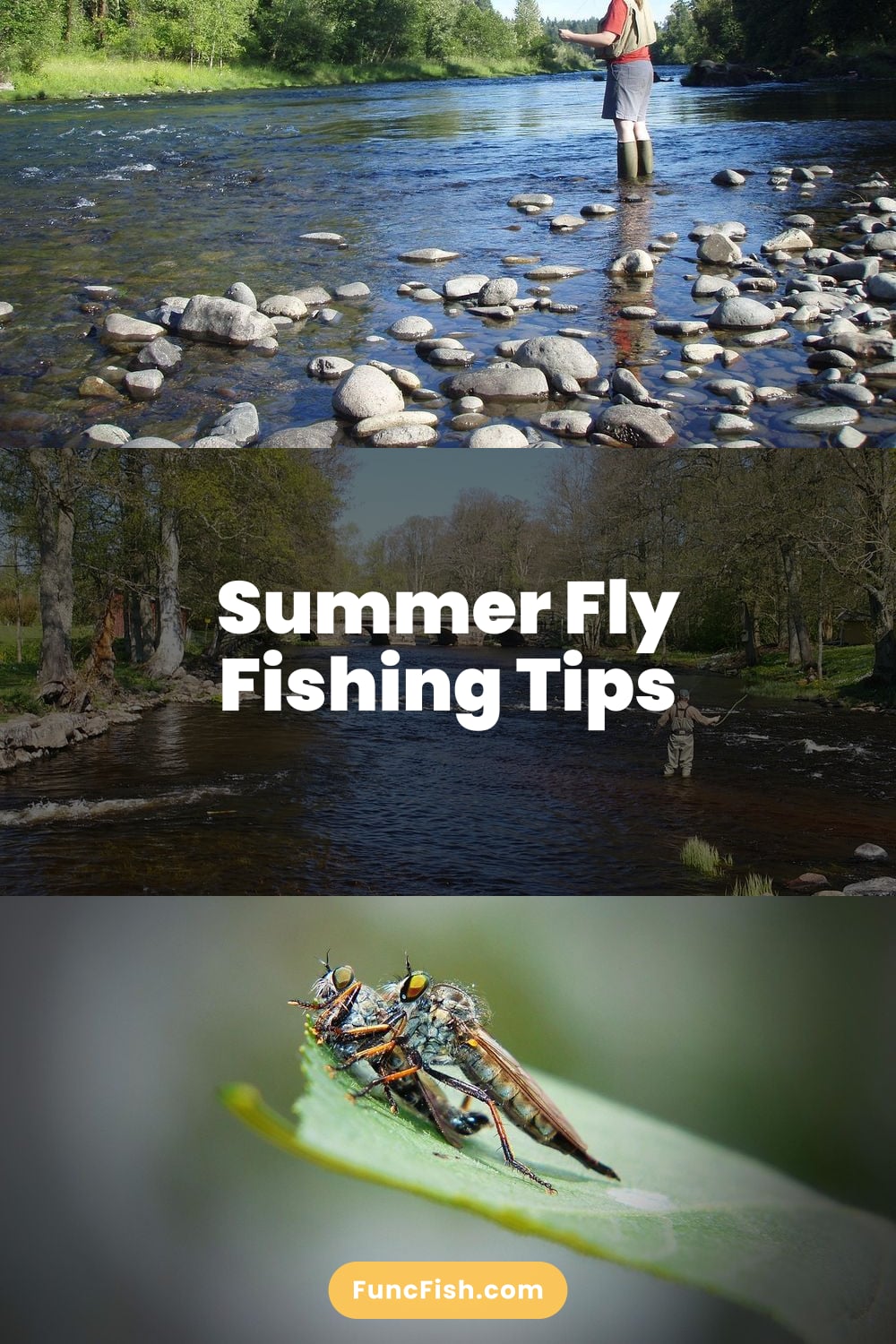
Summer mornings on a trout stream can reset your entire nervous system. The water is typically still quite cool from the night’s air, and the insects are just beginning to stir and move. However, the summer season brings its share of challenge that an angler must overcome.
For instance, during the summer, you will encounter spooky fish, changing water level, and a temptation to use the same method that worked for trout in April but not those found in July. To be successful on a trout stream in the summer, anglers must pay closer attention to detail that most casual anglers tend to ignore. A few factors that should be considered prior to heading to the water usually determine the difference between having a slow day on the water and having a bent fishing rod.
The following tips have consistently allowed me and the fishing guides that I respect to experience success when fishing for trout during the summer months.
Essential Summer Fly Fishing Tips for Success
1. Reconsider the Use of Leaders in Low and Clear Water
One of the first tips is to reconsider the use of leaders when fishing in low and clear water. Trout in the summer have encountered many different type of flies throughout the summer and have had many weeks to become accustomed to them.
Using a leader with a nine-foot length and a five-times tippet may have been successful in May but summer trout will likely see it as a rope. In this situation, anglers should adjust their leader to use a six- or seven-times tippet when fishing in tailwaters or spring creeks with gin-clear water where the trout have excellent visibility of any pressure on the water’s surface. Using a thinner tippet allow for better sinking and casting of the fly with less disturbance.
Although trout may initially be hooked on more due to the thinner tippet, the angler will hook more trout once they have accepted that some trout will be lost with the change in tippet size. Additionally, anglers should ensure the tippet remains fresh by checking for knots after every few casts. The suppleness of the nylon will decline with time, and the trout will refuse the fly if the material is no longer supple.
2. Use Smaller Flies
The second tip is using smaller flies. Trout in the summer tend to have heavily fed on tiny insect during the daylight hours. Using a size 18 or 20 fly will get better results than a size 14 Adams fly that may be used during most of the summer.
For instance, an angler who used a size 14 Adams fly for one hour with no success will change to a size 20 sparkle dun fly and hook four trout within ten minutes. Have a variety of midges, mayflies, and tiny beetles in your fly box. Additionally, terrestrial fishing can be exceptional during the summer months.
However, even within terrestrial fishing, a size 16 foam beetle will outfish a size 12 foam beetle. A smaller size of fly will look less suspicious as the insects fall from the rocks and grass onto the water.
3. Fish During the Appropriate Time of Day

Fishing during the appropriate time of day will save anglers many days of frustration when seeking to land their catch. Trout are a type of cold-blooded fish. During the summer, the fish will exhibit increased activity and need to eat when the water temperature is between the upper sixties and upper seventies. However, the increased activity creates stress for the trout.
If the water temperature remains at seventy degrees or higher, catch-and-release fishing becomes unethical for trout because the fish fight too much during the catch and do not recover well from the fight. To avoid these problems, anglers should get on the water at first light when the temperature is the coolest. Anglers should fish until around noon, take a long lunch or nap in the shade, then return to the water in the evening when the water will have cooled.
This cycle will not only improve the angler’s success but will also keep the trout healthy for the next summer fishing season. On the warmest days, though, the best time to fish might be between 5:30 and 8:00 p.m. When others have packed up to enjoy dinner.
4. Monitor Water Levels and Clarity Following Rainstorms
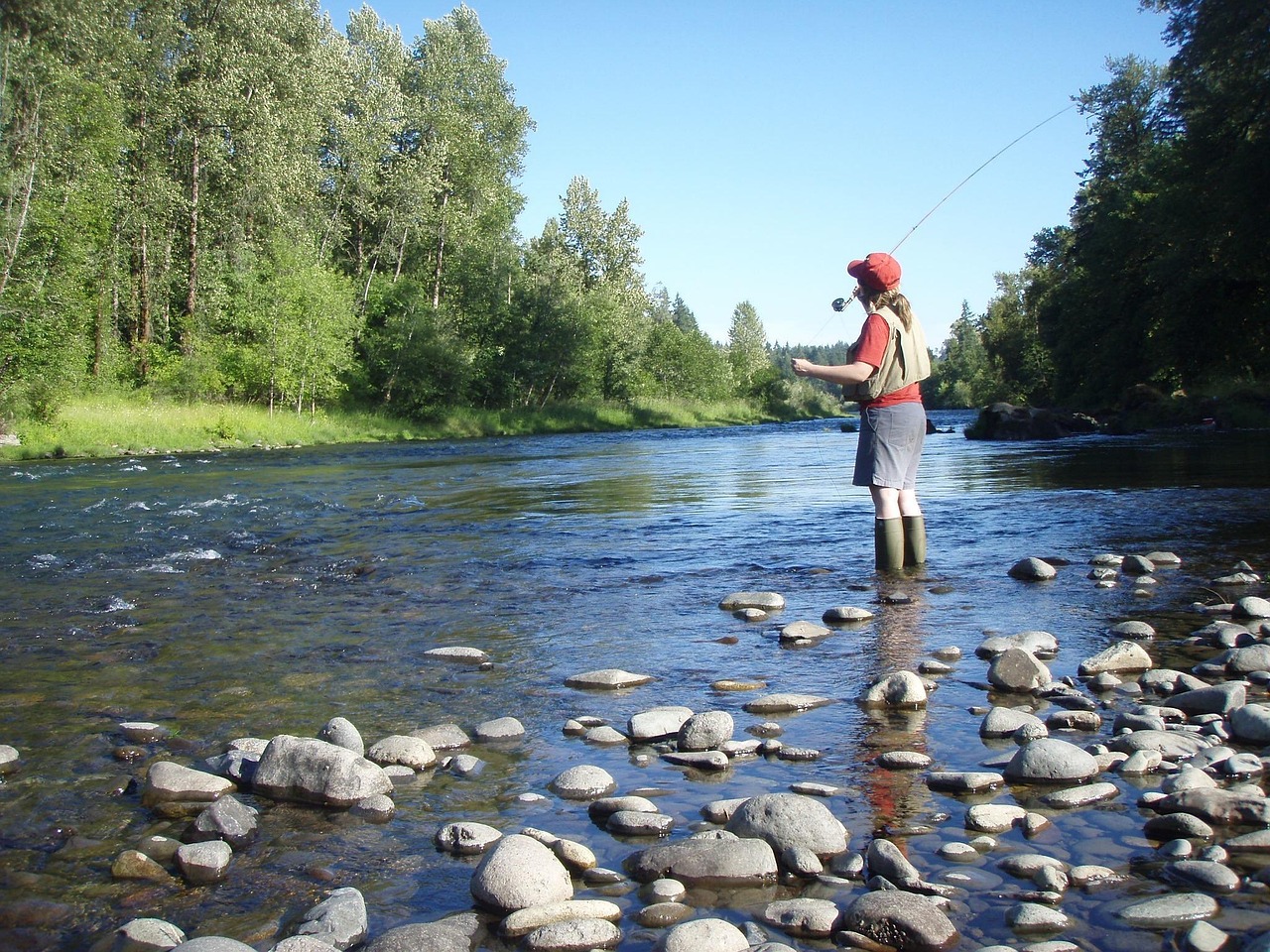
Another important tip is to pay close attention to the water levels and clarity following rainstorms. The summer months will feature thunderstorms that will drastically alter the condition of the streams. Instead of thinking that the water condition will make trout fishing impossible, think instead that the trout prefer the slightly stained water. Following a rainstorm, the trout will move from deeper areas of the stream where they are used to having clear visibility of the water to shallower areas where they feel safer from predators.
Anglers should use heavier flies in these areas to pursue trout. Once the water clears of the rain, though, anglers should return to using lighter flies.
5. Master the Art of Long Downstream Drifts
A third tip is to master the art of long downstream drifts when using dry flies. Trout will hold in flat summer waters. Using a technique that worked well for trout in spring will not work as well in the summer due to the faster movement of the line when it is cast upstream. Anglers should position themselves directly below the trout to fish, then cast upstream at a 45 degree angle to the water’s surface.
Use slack line in the water to allow the trout to take the fly; the goal is to mimic the movement of a real insect being carried by the current. Mastering the downstream drift will allow anglers to land trout that might otherwise have been missed when fishing with dry flies. Some of the largest trout have been caught in slow, shallow waters by mastering the downstream drift.
6. Incorporate Streamer Fishing
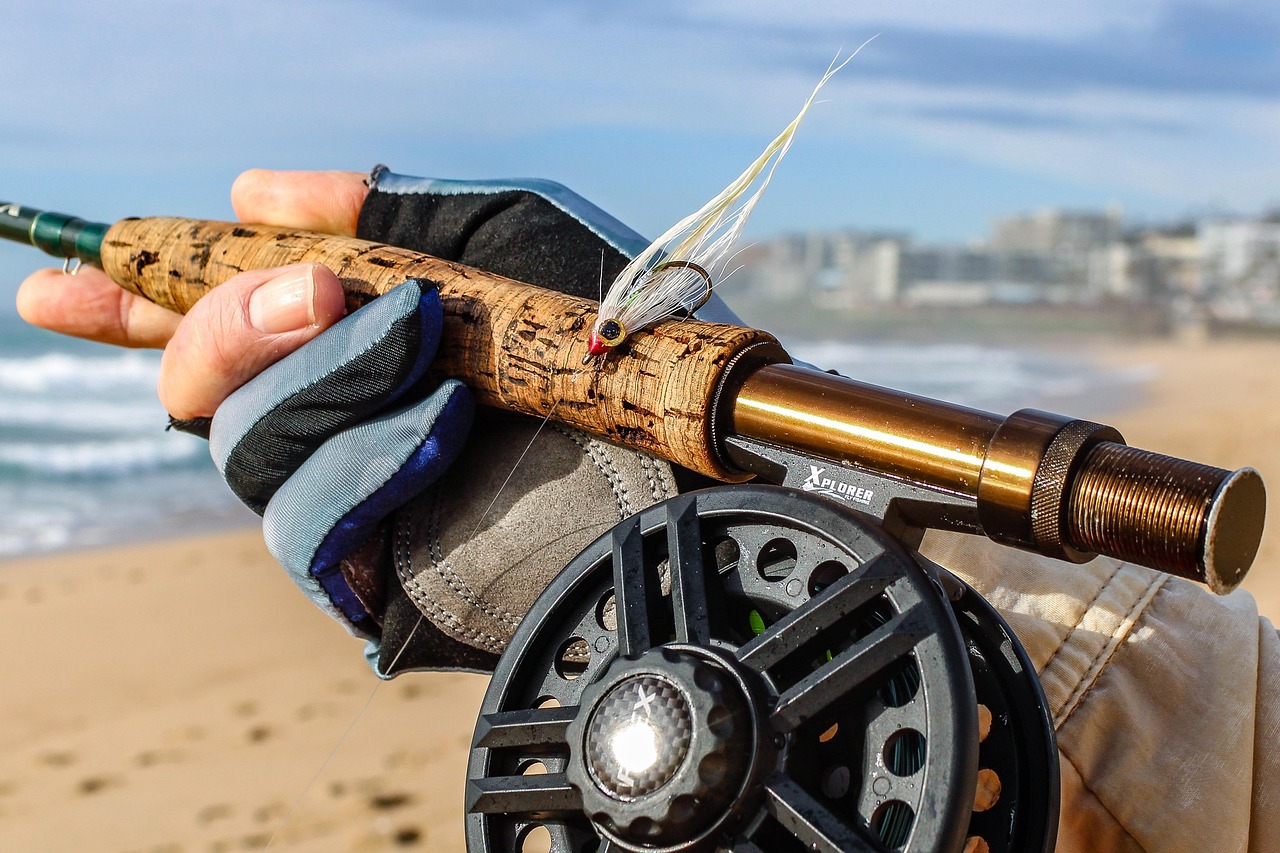
Anglers should not neglect streamer fishing when they successfully use dry flies to catch trout. Streamers can produce the largest trout of the day. Trout need protein in their diets, and streamers provide that protein.
Use streamers with heavy sink tips to fish into deep pools or banks with overhangs. Short, erratic movement with streamers will mimic a fleeing minnow and usually produce violent takes from the trout. A brown trout will typically ignore mayflies on the water’s surface but will attack a woolly bugger with enough strength to break a rod.
Streamer fishing is a completely different game when compared to dry flies. Fifteen minutes dedicated to streamer fishing at the end of the day will usually result in a catch that makes the day worthwhile for the angler.
7. Read the Water for Oxygen and Temperature
Anglers should learn to read the water for both oxygen content and summer temperature. Trout will gather in areas where the water is cooler and moving faster. These locations can be found with a few observations of the water’s features. Spring areas from which the water emerges from the banks, areas shaded from the sun with broken water surfaces, and the areas where deeper pools turn to faster moving pools are all areas where trout will gather.
Trout can hold in the cooler water while the fish feed on the insects that fall from the riffles above where the water contains more dissolved oxygen. Trout will usually take a dry fly or nymph drift through these areas. Trout will gather in areas where other insect are found or where birds are diving for bugs.
8. Protect Yourself from Sun and Weather
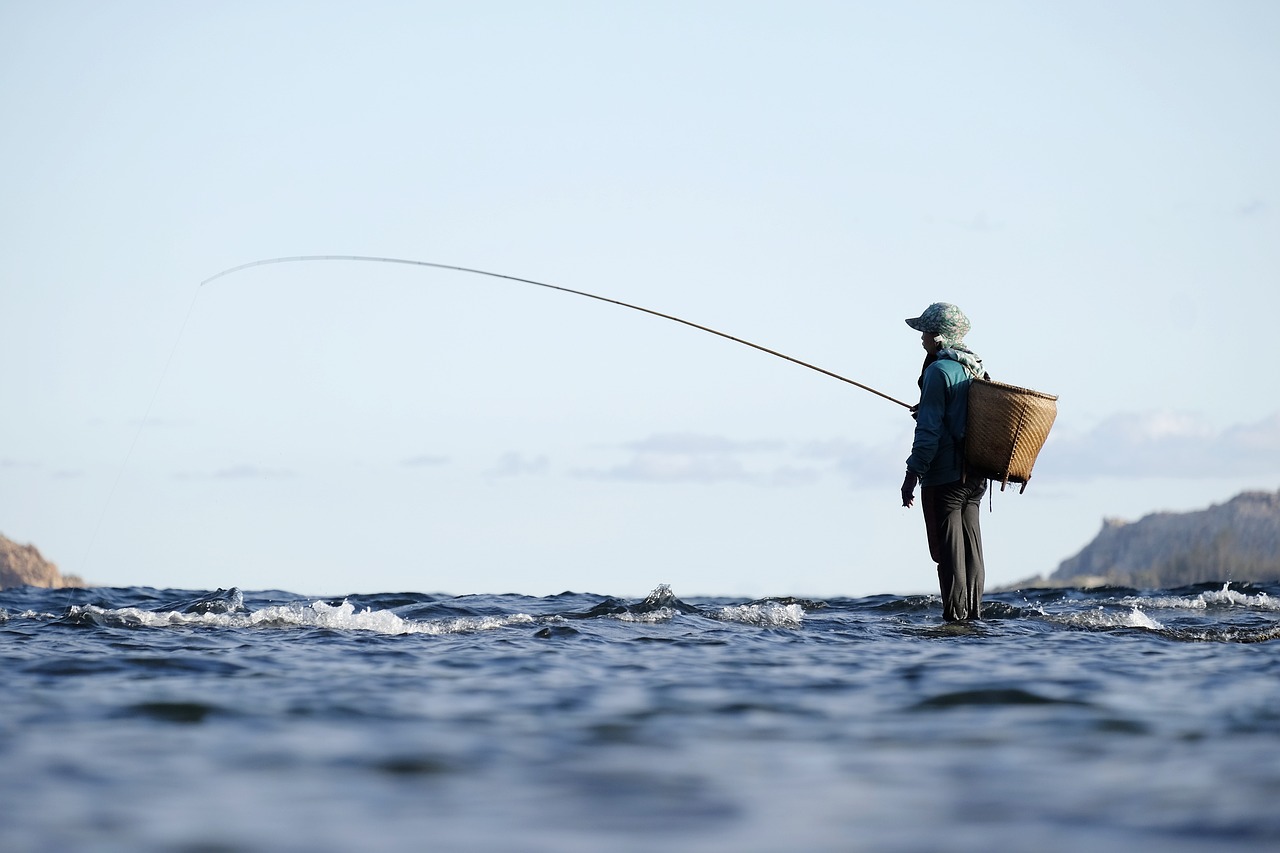
Finally, anglers should take steps to protect themselves from the sun and the weather to ensure that they may focus on their fishing efforts. Fishing in the summer will require anglers to fish for long periods of time. A hat, a long-sleeved shirt with UPF protection, and polarized fishing glasses are items that will keep the angler comfortable while on the water.
Anglers will get dehydrated while on the water due to the hot summer days. When anglers begin to make sloppy casts or miss takes at the trout, they need water to rehydrate. Pack extra water to drink while on the water.
Bringing a cooler with ice and sandwiches will make the most of the summer days on the water. These tips dont involve expensive new fishing gear. They only require anglers to pay closer attention to the water and fish with intention instead of out of habit.
Summer trout are not easier to catch than spring trout. In some ways, they are harder to catch. However, the challenges that exist when pursuing trout during the summer months are what make it so satisfying when anglers finally land those fish using the proper technique.
Get out on the water while the days are long this summer. The trout are waiting for you to fish for them, and the successes that anglers will experience will be worth the effort. Fish well for the trout, release your catch, and leave the water in the same condition in which you found it.
The river will be here in the next summer and the trout will be here if we treat them with the respect that they deserve today.