
Sharks have patrolled the oceans for more than 400 million years. Besides the dinosaur that roamed the Earth during their tenure, sharks have outlasted five great mass extinctions that wiped out many of the Earths species. The teeth of sharks tell the story of their long-term successes.
Every species of shark has a set of teeth that evolution has slowley perfected over millions of years. The teeth of every shark species is specially adapted to the type of prey that they eat, the way in which they hunt for their food, and the type of habitat in which they live. Thus, the next time an individual picks up a fossilized shark tooth that is located on the beach, they are picking up a piece of engineering from millions of years ago.
Furthermore, an understanding of the different types of teeth that exist within shark species allows for an individual to understand why sharks are the dominant species within their environment. Furthermore, it is also which causes beachcombers, divers, and fossil hunters to become excited upon spotting a fossilized tooth of any species. Shark teeth come in a variety of different shapes.
For instance, some species of shark have teeth that appear as daggers, others have teeth that is serrated like steak knives, and others still have teeth that resemble arrowheads or pavement stones. The teeth of each species of shark contain certain features that indicate different details about the species of shark that grew those teeth. For instance, the shape, the edge, and the root of the teeth of a shark species indicate the dietary habit, hunting habits, and how often those sharks need to replace their teeth.
Common Varieties of Shark Teeth to Know
1. Great White Shark
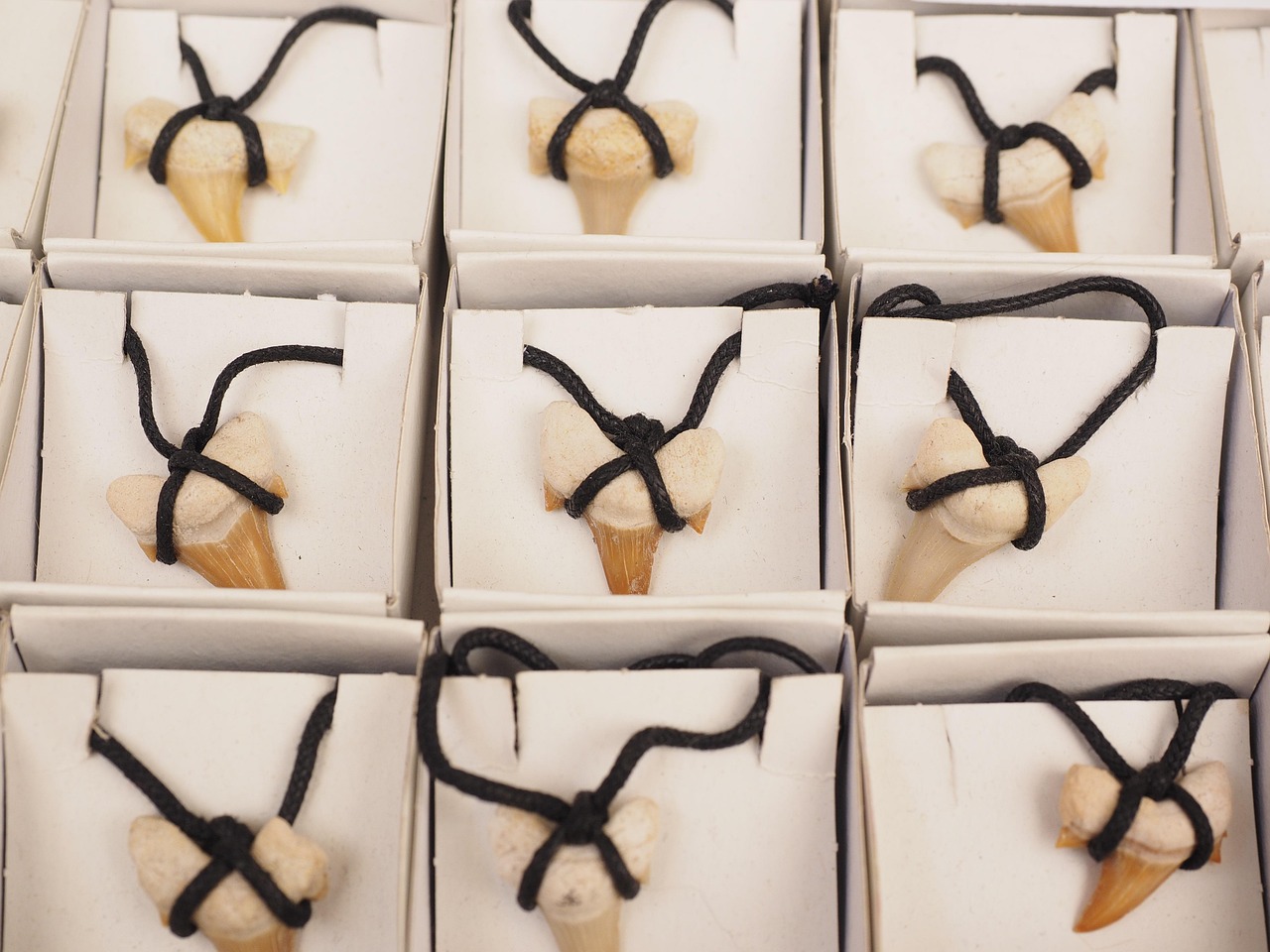
Great white shark teeth are among the most desired by shark tooth collectors. Great white shark teeth are triangular in shape, and grow to the length of two inches in the largest of great white sharks. These teeth contain coarse serrations along the outer edge of each tooth.
The design of the teeth allow the shark to take one bite of its prey with its powerful jaws, shake its massive head from side to side, and use those serrations to perform the majority of its hunting for its prey. A single bite from a great white shark can remove up to twenty pound of flesh from a seal or sea lion. Individuals who spot a fossilized tooth with the curved tip and jagged edges can easily recognize great white shark teeth.
Great white shark teeth are relatively thick, however, which prevents great white sharks from using their teeth to hunt for fish.
2. Tiger Shark
Tiger shark teeth are another of the most recognizable varieties of shark teeth. Tiger shark teeth appear as miniature jagged bread knife.
The teeth have deep notches along the outer edge of the shark teeth. The curved shape of the notch in the teeth allows for tigersharks to eat the shells of turtles, the carapaces of crabs, and even metal or plastic items with which they become curious. Tiger sharks are famous for eating nearly any food they encounter in the ocean.
These notched teeth allow the tiger shark to more easily tear at their food compared to other shark species. These teeth are often spotted on tropical beaches, where tiger sharks live and patrol the water for their prey. Tiger shark teeth are relatively small compared to great white shark teeth.
Yet, tiger sharks can grow to fifteen feet in length.
3. Sand Tiger Shark
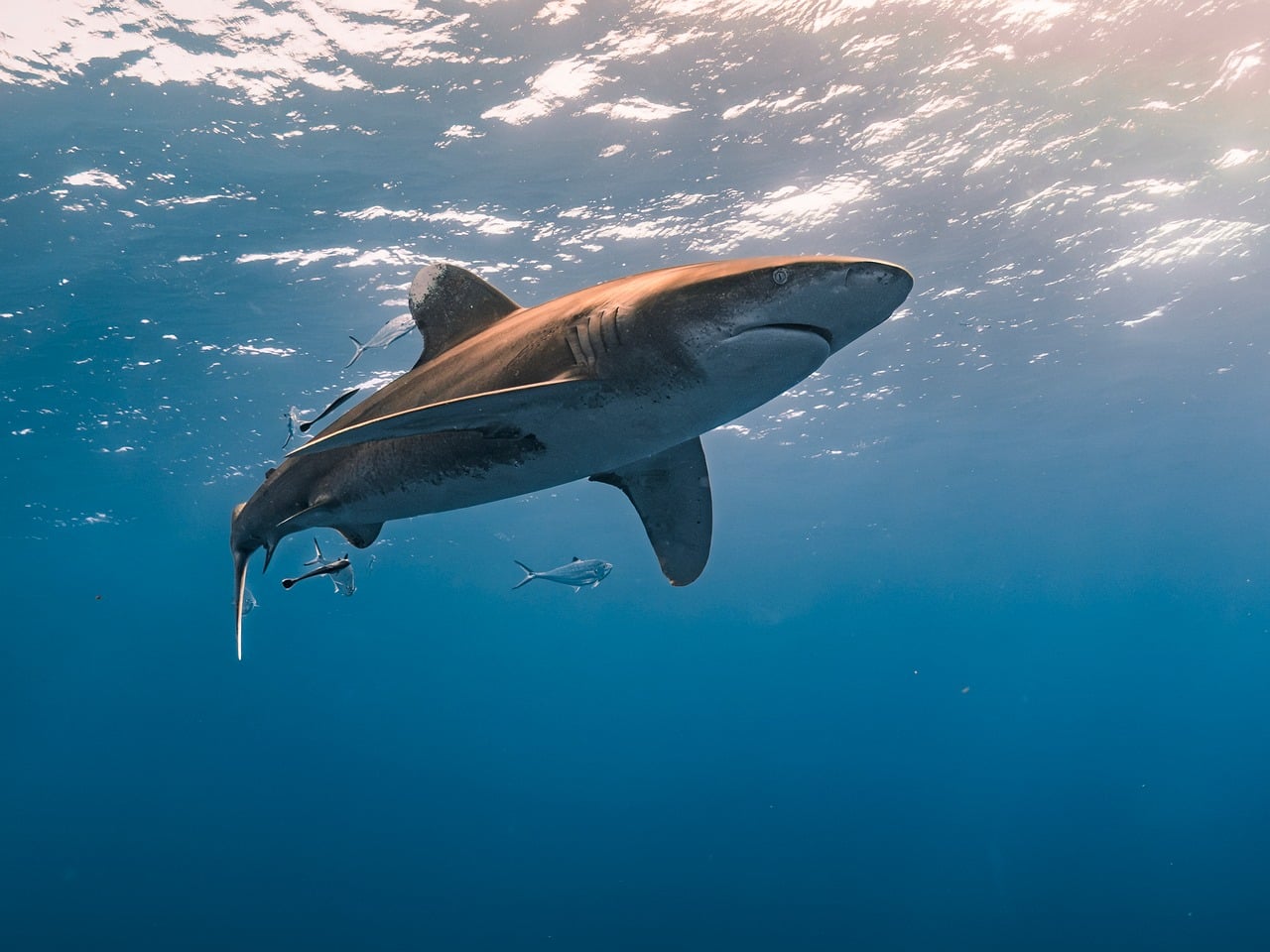
Sand tigersharks have teeth with a completely different shape to their other shark species. Sand tigershark teeth are long, thin, and sharply pointed with only one central cusp.
The teeth have small cusplets on both sides of the central point of the tooth. These teeth are created for impaling prey fish and holding them in the mouth until the sand tigershark can swallow the fish whole. Sand tigersharks have a unique name due to their tendency to stay motionless near the ocean floor with their elongated teeth adapted for catching prey.
Furthermore, sand tigershark teeth are common finds for fossil collectors in Miocene era deposits located along the Atlantic coast. Despite their delicate appearance, sand tigershark teeth are actualy quite strong, which is needed for their eating habit.
4. Bull Shark

Bull sharks have teeth that are of another variety. Bull shark teeth are broad based, yet thin towards the pointed tip of the teeth. The teeth have serrations along their edges. The teeth located in the lower jaw of the bull shark are more pointed than those in the upper jaw.
Bull sharks live in both the ocean and freshwater lakes and rivers. The teeth of bull sharks allow them to eat bony fish, stingrays, and even other shark. You can often find bull shark teeth along the beaches along the Gulf Coast and the banks of the rivers that run through those regions.
Bull sharks are known to be aggressive towards other species in their habitats, and their teeth reflect their ability to consume a variety of prey species.
5. Hammerhead Shark
Hammerhead sharks, like the great hammerhead shark species, have teeth that are shaped as miniature great white shark teeth. However, the teeth of hammerhead sharks have a more delicate and elegant curve to the teeth.
Furthermore, the teeth are triangular in shape and may be smooth or serrated depending upon the species of hammerhead shark. The wide head of the hammerhead shark allow it to pin stingrays to the ocean floor, and the teeth of the hammerhead sharks are configured to slice those prey species open. People often spot the teeth of great hammerhead sharks in fossil collections from the warmer seas of ancient times.
The teeth of hammerhead sharks are relatively small compared to the giant body of these sharks, which surprise those who encounter them.
6. Mako Shark
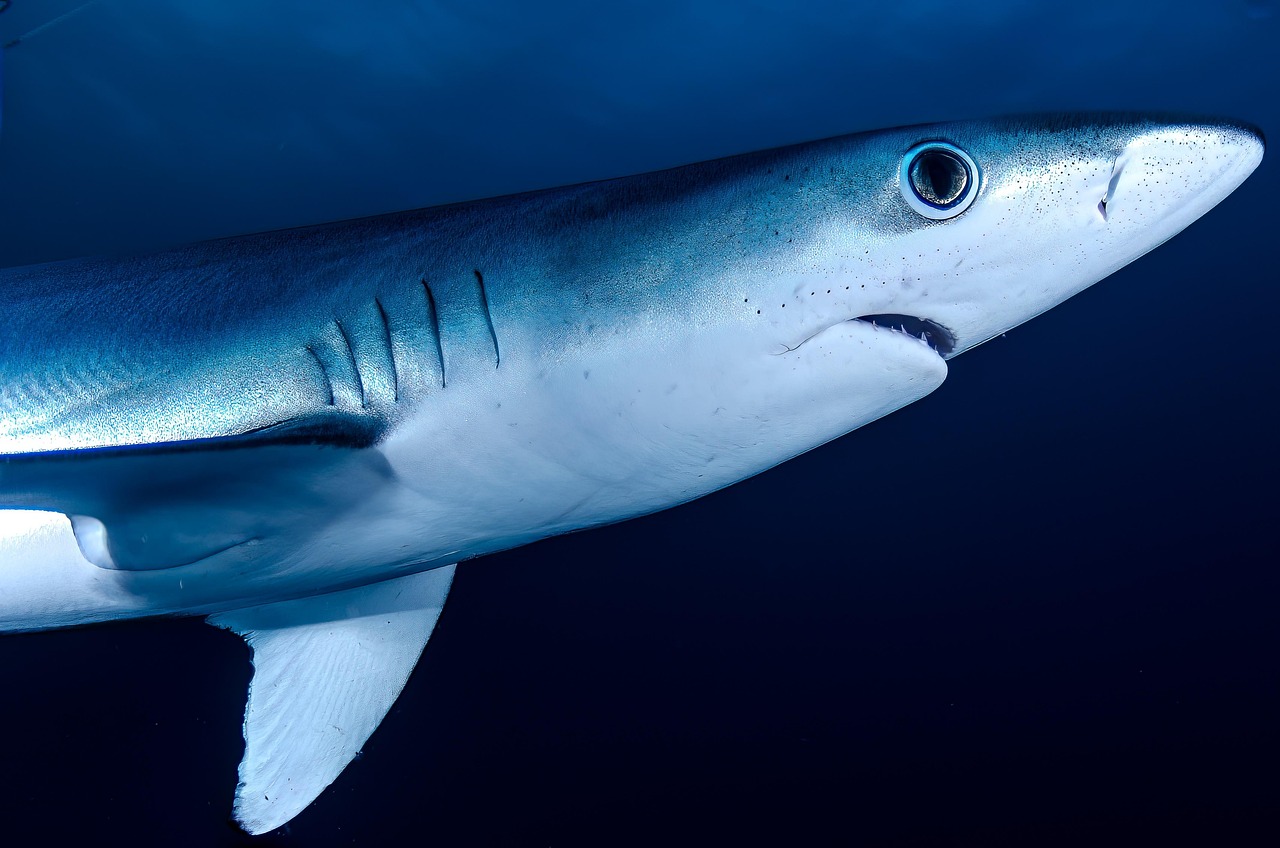
Mako sharks also have teeth that exhibit a unique appearance. The teeth of mako sharks are narrow in shape, have smooth edges, and curve backward in the shape of a scimitar.
The teeth do not contain serrations, as makos are among the fastest shark species in the ocean. The teeth are adapted to slice into tuna and other fast-moving fish species without slowing the shark. Makos constantly shed their teeth, sometimes multiple teeth during a feeding frenzy.
The rapid shedding of their teeth indicates the high metabolic rate of makos. If an individual finds a fossilized tooth that has the appearance of a polished blade of steel, it likely came from a mako shark.
7. Nurse Shark

Nurse sharks have teeth that are among the most surprising of all shark species. Nurse shark teeth are small, flat, and have the appearance of pavement stones. Nurse sharks use their teeth to crush shellfish, crabs, and sea urchins. The teeth act as a nutcracker for nurse sharks.
Nurse sharks lie on the ocean floor with their mouths open and use their teeth to crush the shells of their prey. While nurse shark teeth may not be the most impressive of any shark species, seeing the teeth in a jaw shows the strength and power of their specialized teeth. Nurse sharks are located in shallow water in tropical regions of the planet, and people often spot their teeth on the beaches within those areas.
Goblin sharks have teeth that are among the most weird of all shark species. The upper front teeth of goblin sharks are very long, thin, and hooked in shape, as if they were fangs from a nightmare. These sharks use these protrusible jaws to catch squid and fish in the deep ocean.
8. Goblin Shark
Goblin shark teeth do not have serrations and are not strong for catching and crushing its prey. However, goblin sharks do live in deep and dark oceans, so beachcombers rarely spot their teeth. Deep-sea trawlers catch goblin sharks or they strand on the beaches.
The megatooth shark, or the megalodon, had the largest teeth of any shark species. These teeth often measure to be over seven inch in length and can weigh over a pound. Furthermore, the edges of the teeth have the same serrations as the saw blades used to cut whales.
9. Megalodon
The size and the strong root of these teeth indicate the strength of the megalodon to take prey of a similar mass. The species of megalodon is long extinct, yet they are still spotted in the cliffs and along the banks of certain rivers. Finding a megalodon tooth is like time travelling to the ancient ocean ecosystems.
Furthermore, the size of the tooth indicates the size of its prey, which is why the megalodon was the apex predator of the ocean for so long. Each of these teeth have developed in a specific way to fulfill a specific purpose of the shark species whose teeth are of these various shapes and sizes. Thus, each of these teeth are of interest to scientists and natural history museums alike.
Thus, each of these teeth are fascinating to encounter on the beach. The next time you walk along the beach, look closer for these fossils. You might find a tooth from a great white shark.
You might find a tiger shark tooth. You might find a sand tigershark tooth. Furthermore, by learning the language of the teeth of sharks, all beachgoers can gain a deeper connection to these ancient species.
Thus, the next time you find a tooth, remember that the sharks are still patrolling the oceans, and their teeth continue to tell their story of evolution and adaptation to their oceans. All that humans have to do is learn to read the language of the teeth.