
You may feel the salt sprays on your face as you paddle across a flat surface of water at dawn. In one arm you may have a fishing rod. Suddenly, a fifteen-pound redfish may crash the surface of the water ten feet from your kayak bow.
This feeling, this sight, and this moment when the fish, kayak, and water all becomes lined up in the same direction is why people become addicted to the sport of offshore kayak fishing. Most anglers do not fish from the shore or the crowded fishing piers. Instead, they venture into locations where the large fish lives, which are miles from the nearest boat ramp.
The freedom of offshore kayak fishing is unmatched. Yet, the risks of offshore kayak fishing are also unmatched. Success while fishing offshore in a kayak isnt a matter of luck.
There is a few specific details that an offshore kayak fisher must understand if they are to enjoy their sport for long. Although there is a learning curve for offshore kayak fishing, the high point in the learning process offers anglers a lifetime of pleasure. The following sections describes the specifics of offshore kayak fishing.
Essential Tips For Offshore Kayak Fishing Success
1. Efficient Paddling Techniques
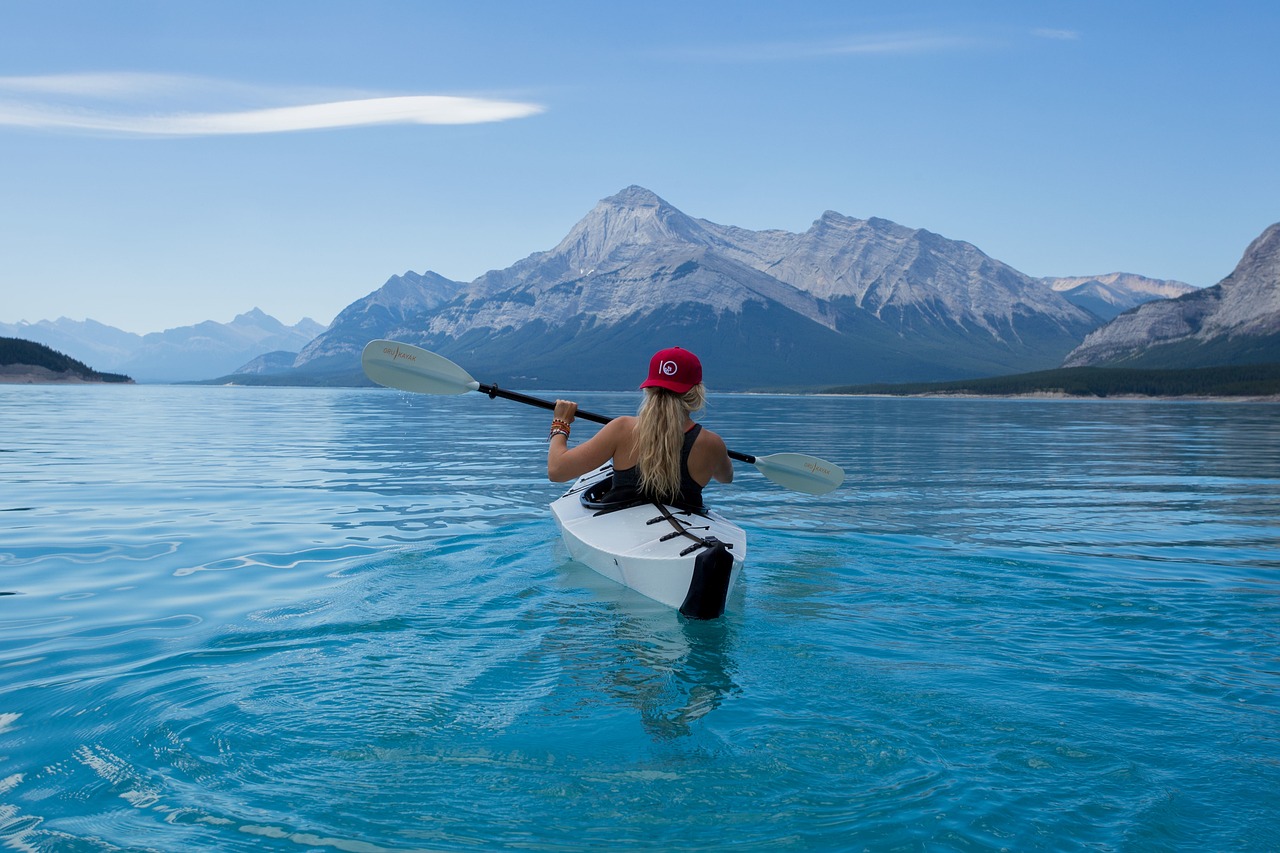
The efficiency with which an angler paddles to their fishing spot is going to determine whether they will find the fish or if they will spend the day fighting against the currents. Most beginners to offshore fishing find themselfs using their muscles to move their kayak. Yet, using these muscles results in exhaustion prior to the angler reaching the fish.
To improve efficiency when paddling, an angler should use long, smoothly strokes while rotating their torso to allow their core muscles to do the work. Using a quality paddle that is the correct length and blade for the angler can allow an angler to cover twice the distance while expending half the effort. This advantage is of great benefit for those who venture offshore into areas where increased wind is likely to develop over the course of the return trip to the shore.
2. Essential Gear Management
The same efficiency required when moving to the fishing spot is required when loading the kayak. Each item that is loaded onto a kayak adds to the weight that the angler has to push through the water. To conserve physical effort, the angler should limit there gear to the essentials.
Only two fishing rods, a dry bag for essentials, pliers, a stringer or a net, enough water for hydration while fishing, and products for protecting the angler from the sun are essentials. Adding gear beyond these items is likely to result in mistake during the fishing trip. Furthermore, keeping the kayak as light as possible will allow it to sit higher and drier on the water while also keeping the anglers gear safer from water damage caused by hitting the hull of the kayak against a wave.
3. Optimal Launch Timing
An angler must choose the proper time of day to launch into the water. The tide, the wind, and the swell will determine where the angler lines up their kayak. Most beginners to offshore fishing may only consider the tide chart.
Yet they may miss the information that a light offshore wind will make the seas flat enough to allow entry into the water even if the tide chart does not display favorable tides. By monitoring the buoys and the marine forecast the night before fishing can occur, an angler can find the best time to enter the water. The best time to fish offshore is two hour on either side of the slack tide.
At slack tide, the current in the water will be minimal, which is the time when the fish will be most willing to feed. Waiting outside of these windows of time will result in the angler battling the current for no purpose. When arriving at an angler spot, stealth will determine whether the fish are willing to feed on the anglers bait.
4. Stealthy Approach Methods
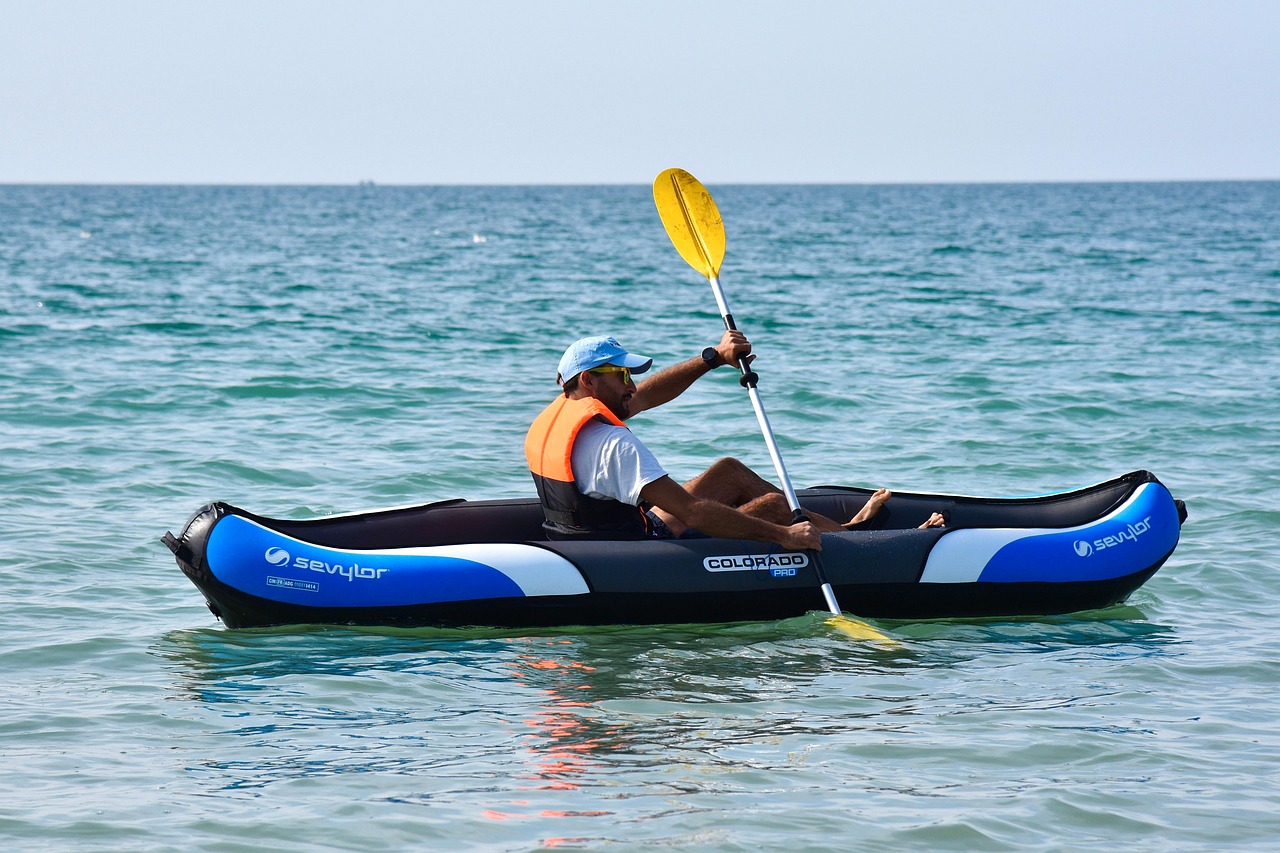
Because kayaks produce almost no noise, the fish will remain relaxed until the angler deploys their fishing bait near the fish. An angler should use the silence of a kayak to their advantage. Instead of paddling directly into a school of fish, an angler can allow the wind or the current to carry the kayak to its spot while they cast their line into the area.
The first ten minutes after an angler arrives at their spot is usually when the fish will provide the best catch. Any ruined opportunity during these critical first ten minutes can result in frustrated anglers who return from the water with humbled feeling or in worse physical conditions than when they departed. Anchoring a kayak in an area with stake-out poles allows for fishing in locations where fish congregate.
5. Anchoring and Positioning
A simple PVC pipe that is pushed into the sea floor will hold the kayak while facing the current. For areas that are deeper or where the current is stronger, an anchor with fifty feet of line will hold the kayak over the fishing spot. By deploying the anchor from the bow of the kayak, anglers can point the kayak into the wind or current.
This allows them to stay in one place without the kayak beginning to spin. Anything that halts an anglers drift halts their fishing effort. The gear to use while fishing offshore in a kayak is rather simple.
6. Recommended Fishing Tackle
A 7-foot medium-heavy spinning fishing rod with a 4000-size reel and 20-pound braid line will allow an angler to catch most species of fish. The braid line will allow the angler to feel any movement of the fish on the bottom even when they are a quarter mile from land. By tying a two-foot section of 30-pound fluorocarbon line to the fishing rod, the angler’s line will remain invisible to the fish.
This gear will allow the angler to catch cobia with heavy jigs and Spanish mackerel with lighter spoons without the feeling that they are using too heavy or too light of a fishing rod.
7. Locating Fish in the Water Column
Understanding how deep the water is and where the fish are located in that water column is the skill that separates professional anglers from weekend anglers. Pelagic fish live halfway down the water column and near the surface.
Fish like grouper and snapper live near the bottom. By monitoring the screens on a fish finder, anglers can spot bait balls that fish follows. Additionally, overhead birds indicate where bait schools are located.
Diving terns indicate that there is a school of baitfish heading towards the surface of the water. By dropping a spoon or a jigging spoon into that area, an angler can hook a fish quickly. Once the birds dissapears from the sky, an angler can switch to a heavier fishing rig to fish along the structure of the underwater environment.
The fish are always located in the water column. An angler who fishes offshore must have a few safety items on their person while in the water.
8. Essential Safety Equipment
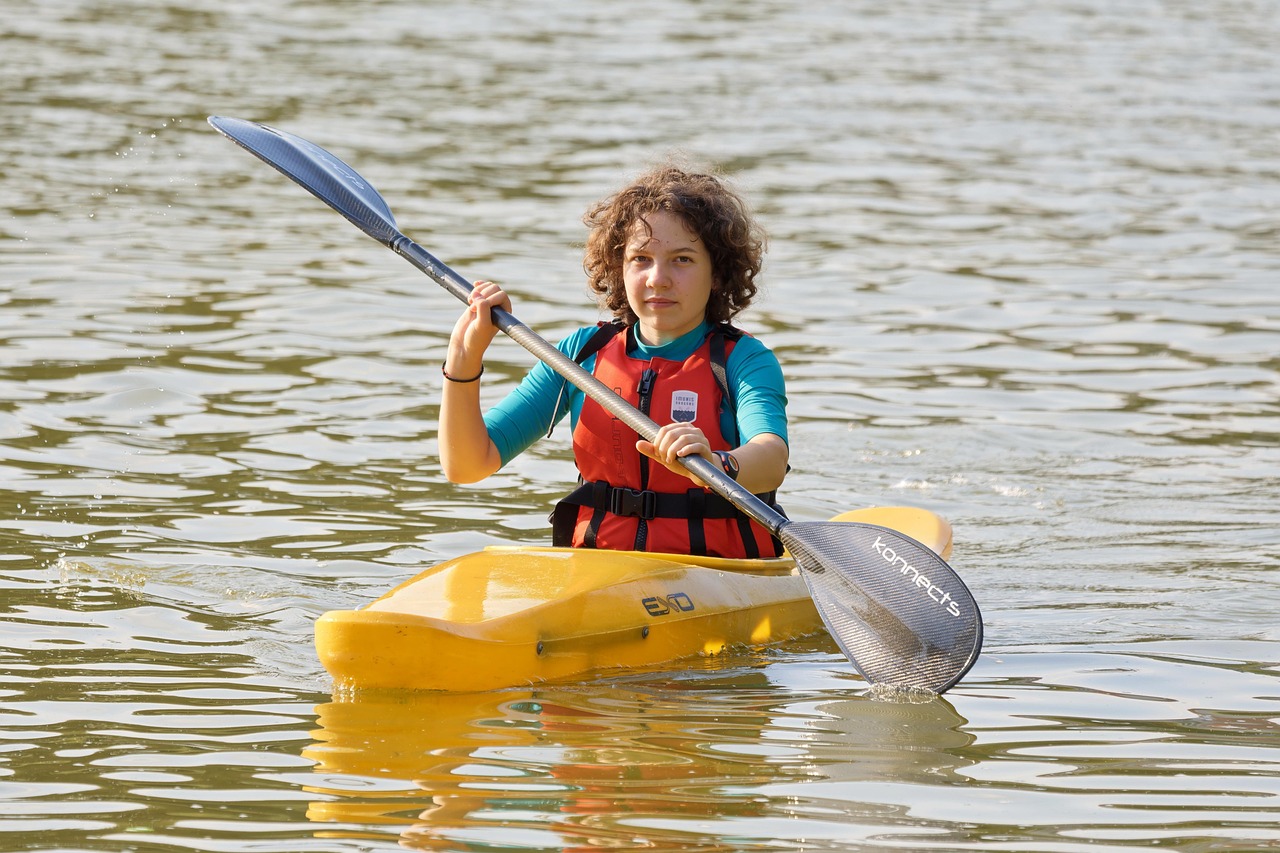
A personal flotation device that inflates automatically on contact with the water can mean the difference between life and death if something happens to an angler while fishing.
These safety devices should not restrict an angler while they are fishing or while they fight the fish. A waterproof VHF marine radio allows stranded fishermen to summon help from another boat. A bilge pump or a sponge that can be tucked under the seat will allow an angler to bail out any water that may have entered the kayak because of a wave that broke over the bow of the kayak.
These safety items add to the weight of an anglers kayak. Yet, they can save their life. The ocean does not care how many years of experience an angler has on the water.
All it cares about is whether the angler brought the proper gear to prepare for an emergency situation.
9. Landing Large Fish
To land a big fish, an angler must have a landing plan. It would of been difficult for an angler to simply pull a thirty-pound fish out of the water and onto the shoreline.
To land a big fish, an angler may use a large net that has a floating handle to allow them to keep their fish while they stabilize the kayak. Alternatively, an angler may use a lip-grip tool to secure the fish to the kayak. By tiring the fish out to a spot away from the kayaks hull, the angler can slowly move the fish into place and secure the fish to the kayak.
These two methods can be practiced in calm waters prior to heading out to where the fish live. There is no time to invent a new method while fighting a big fish.
10. Safe Return Planning
An angler has to prepare for the return trip to the shore. The trip out to the fishing spot is usually easier since the angler is fueled by the knowledge of their ability to catch fish and since the outgoing tide aids their journey. However, on the way back, the angler may be tired, may have a few fish onboard, and may be battling an incoming breeze. An angler should leave themself an extra hour of daylight for the return trip.
Monitoring their energy and water intake will allow them to return to shore feeling great instead of physically drain. Dehydration can happen quickly during this part of the fishing trip. By taking an electrolyte mix in their water bottle, the angler can fight dehydration while returning to the shore.
Offshore fishing is a sport that reduces to the angler, the kayak, and the sea. If an angler masters the skills outlined in this article, their fish will come as a natural result of their efforts. The first time an angler glides back to the shore with a cooler filled with fresh fish, a big grin on their face, and fish stories to tell of their skills, they will understand the obsession that offshore kayak fishing can inspire.
The ocean is waiting for them at the waters edge. When they paddle out to the sea, they enter a world where they are the master of their craft.