
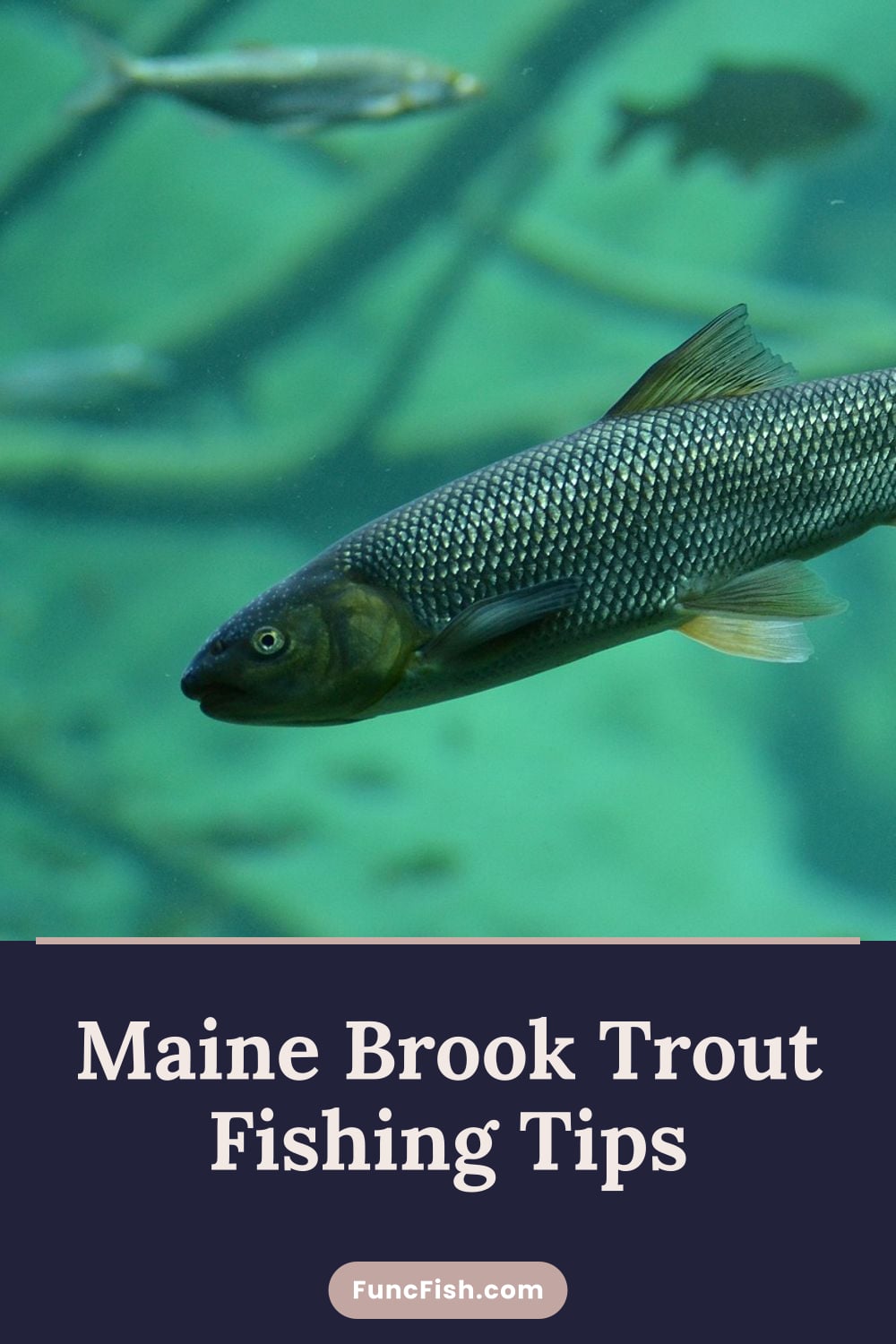
Brook trout in Maine is the most important species for coldwater fishing in the Northeast region. These trout have olive-colored backs and speckled sides, and offer anglers a challenging catch. Anglers who seeks the challenge of catching native brook trout will find them in the streams and ponds of Maine.
Where rainbow trout will eat almost anything that move in the water, brook trout require of the angler respect for their habitat and the species itself. If the angler understands how to properly pursue these native fish, they will experience some of the best fishing adventures of their lives. Brook trout like to live in water temperatures that are below sixty-five degrees.
Because of the requirement of these species for their survival in their native habitat, anglers must know the best times of the year and the best places within their native homes to find these brook trout. The information that this article provides have been gathered over the years, both in the small mountain brooks and in the larger rivers where brook trout can grow to be very large. Each of these tips can make a massive difference in the angler’s success in their pursuit of brook trout.
Essential Tips for Catching Maine Brook Trout
1. Monitor Water Temperature and Seasonal Activity
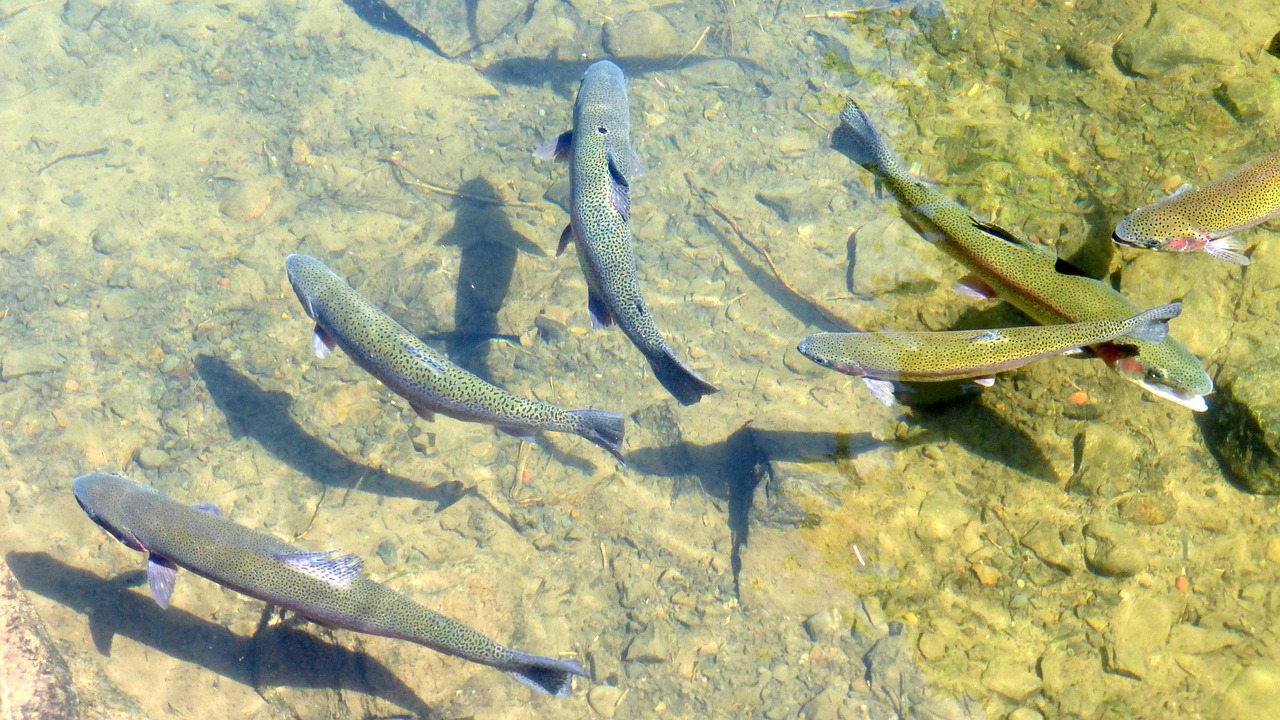
One of the first tips that brook trout anglers must follow is to focus upon the temperature of the water and the timing of the various seasons in which the trout are active. Brook trout are most active in water temperatures that range from fifty to fifty-eight degrees. During the spring, especially after the ice melts in the areas, brook trout gather in the slow pools and the tailouts of those rivers.
By the middle of May, brook trout begin to gather in the riffles and the areas where mayflies and caddisflies begins to hatch. During the summer, brook trout are only active during the early mornings or the evenings. Finally, during the fall, brook trout become very aggressive in their feeding behaviors as they prepare to spawn.
Knowing these seasons can save anglors from wasting their time in areas where the brook trout will not display interest in the angler’s flies.
2. Approach with Stealth and Caution
In addition to knowing the seasons during which brook trout are active, anglors should approach the trout with stealth. Brook trout are a very spook easily due to their home in the streams and rivers that often have clear and shallow depths.
Therefore, anglors should approach from the downstream side of the brook trout habitat, and angler should be low to the ground so as to not cast a shadow over the brook trout. The angler should utilize muted colors for their clothing, move slow while approaching, and minimize any false casts into the brook trout habitat. Any misplaced step into the brook can stop the trout from feeding for periods of twenty minutes or longer.
Brook trout are not an stupid species, and they have evolved to survive in these environments over many generations by avoiding any potential threats to their survival.
3. Utilize Proper Lightweight Gear
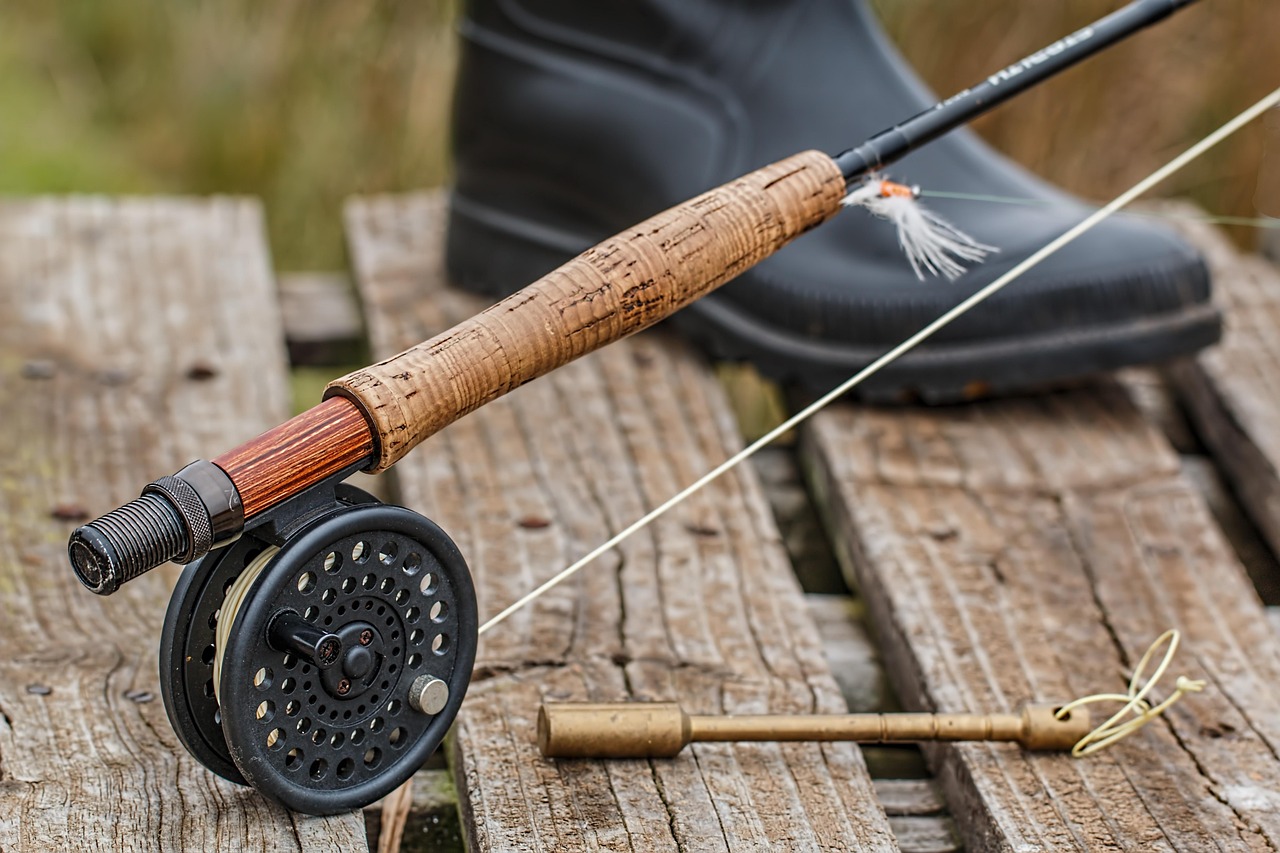
Another important tip for brook trout anglors is to utilize the proper gear to catch these species. Because brook trout live in areas that are small and often narrow in their access to the trout, anglors should use a lightweight fishing rod in the range of three to five weight.
Additionally, the anglors should use a floating fishing line with tapered leaders to six or seven X tips. In areas that have lots of brush and overhang, the tenkara rod or short spinning rod can help anglors to navigate these areas without snagging their line on the vegetation. Using heavy gear can disrupt the angler’s presentation of their flies to the brook trout, and limits their ability to fish in many areas of the river.
4. Select the Right Fly Types
Anglers should also know the proper types of flies to use to catch brook trout. For instance, elk hair caddis flies of sizes four through eighteen will work for most scenarios within the day. Additionally, using a few flies of other types, such as Adams flies, pheasant tail nymphs, and streamers will allow anglors to successfully catch brook trout during times that they become more selective in their feeding.
During the early spring, stonefly nymphs will work well for the area’s native insects. Finally, during the fall, using brighter flies of the type royal coachmen or woolly buggers will encourage the brook trout to display feeding behavior, as they are preparing to spawn. Using fewer varieties of flies, and mastering the presentation of each variety will allow for the best success in catching brook trout.
5. Learn to Read the Water
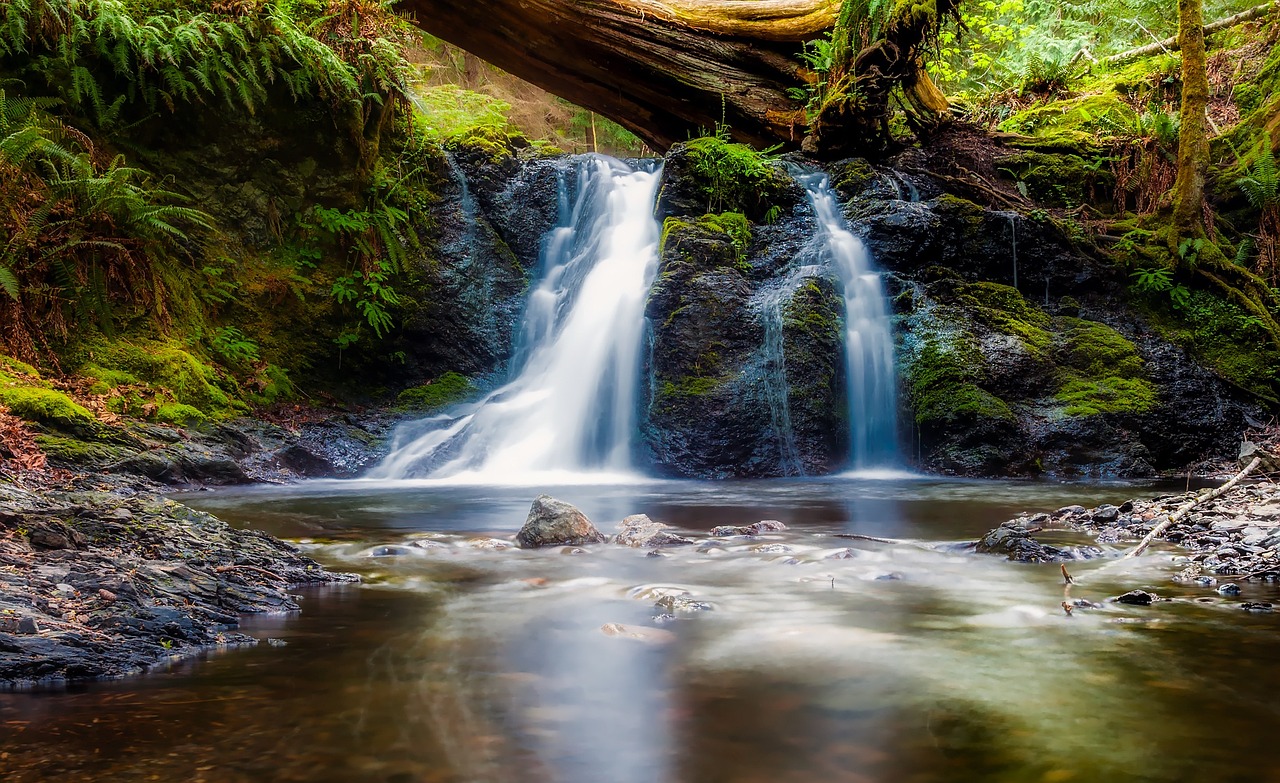
Another tip that can separate those who successfully catch brook trout from those who rely on luck is to learn how to read the water. Anglers should search for seams in the water where fast moving streams meets the slower movements of the pools. Anglers should search for banks that are undercuts and have branches overhead, or deep pockets that are located behind large rocks.
Brook trout tend to avoid bright sunlight and strong currents in their favorite spots. Anglers should take a few minutes to observe the water areas in which they will be fishing. Studying the areas for one minute will reveal some of the best spots in which to begin their fishing efforts.
6. Master Presentation Techniques
In addition to knowing which flies to use, and where to find brook trout, angler must also perfect the technique of their presentation to the trout species. Anglers must master techniques like reach casts or slack line tactics to avoid any drag in the movement of their flies. Additionally, anglors who use spinning rods should use the lightest lines possible, and control the movement of their lure in the same manner as the movement of the brook trout habitat.
High sticking of nymphs into areas in which brook trout live can help anglors to keep the majority of their line off of the surface of the water. Fish will notice if anything is happening in the habitat. A natural movement of the angler’s flies will allow the trout to feel comfortable in the area, and trigger feeding behaviors in these brook trout species.
7. Find Ideal Fishing Locations
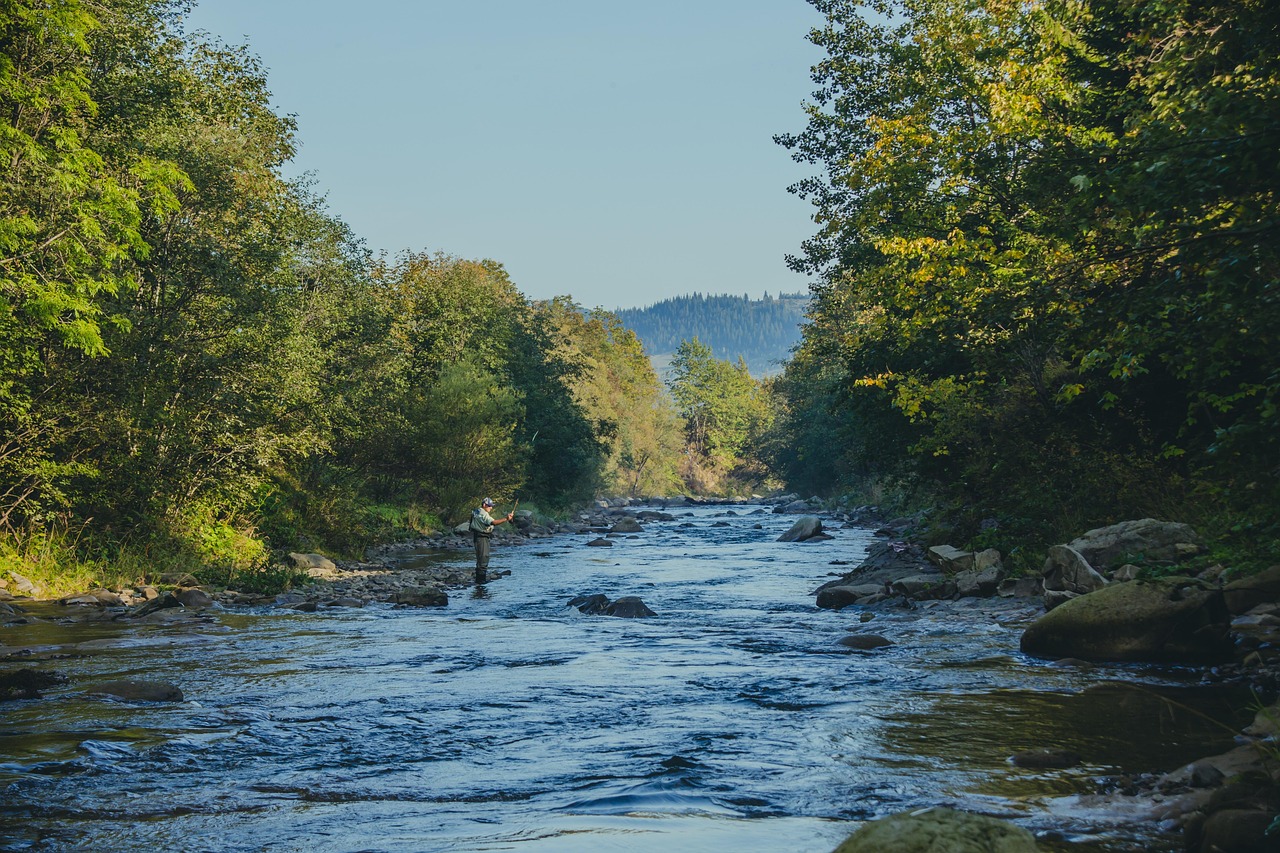
An understanding of the best locations to fish for brook trout includes both easy to access areas, but also true wilderness areas of Maine. Maine possesses thousands of miles of brook trout habitat and fishing areas, including both the Rapid River and many others that are not yet named. For those who are new to the area, however, there are public fishing areas along some of the major rivers.
Additionally, the best brook trout live in the areas that requires some effort to reach. Because there are few anglors in those areas, the brook trout are more likely to show interest in the flies that anglers present. Anglers should also take time to read the fishing regulations for each area.
8. Practice Proper Fish Handling
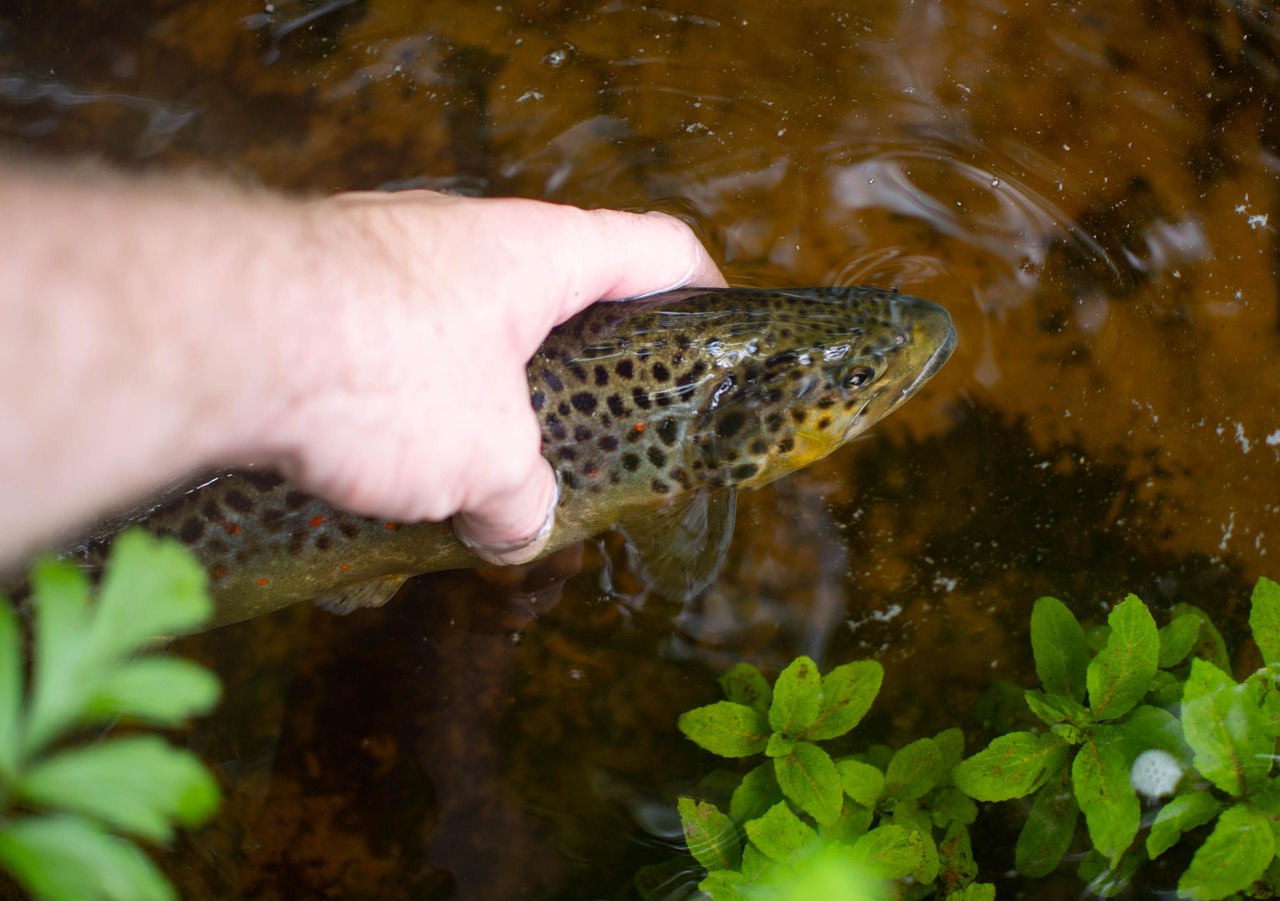
If the angler plans on releasing the caught brook trout back into their habitat, care must be used in the handling of these fish species. Brook trout possess very delicate mouths and soft bodies. Barbless hooks should be used when fishing for brook trout, the angler’s should wet their hands prior to touching the trout, and the angler should support the trout in a horizontal fashion.
Additionally, the fish should not be exposed to the air for more than thirty seconds. During the warm months of the year, anglors should revive the fish slowly in a current before the trout is released. Brook trout grow slowly in their native waters of Maine, and take several years to reach lengths of twelve inches.
If anglors treat the brook trout well, they will ensure that others can enjoy the same fishing opportunities as themselves.
9. Plan Around Weather Conditions
An understanding of the weather conditions during fishing trips can also provide benefits to the anglor. Overcast days with light rains can bring the best fishing experiences for brook trout.
Overcast skies provide cover to the trout from the bright sunlight, and the overcast conditions encourage brook trout to move to the water’s surface. Additionally, drops in atmospheric pressure often lead to feeding frenzies among brook trout as they recognize the incoming stormy weather. Bright days after cold weather fronts, however, will reveal that brook trout in their favorite spots will stay near the riverbed.
Angler’s should plan their fishing trips in consideration of weather conditions if possible. Sometimes the difference between ten fish caught and none at all is as simple as the time of day that the angler leave their truck. Finally, anglors should develop a mindset of conservation of the brook trout species.
10. Commit to Habitat Conservation
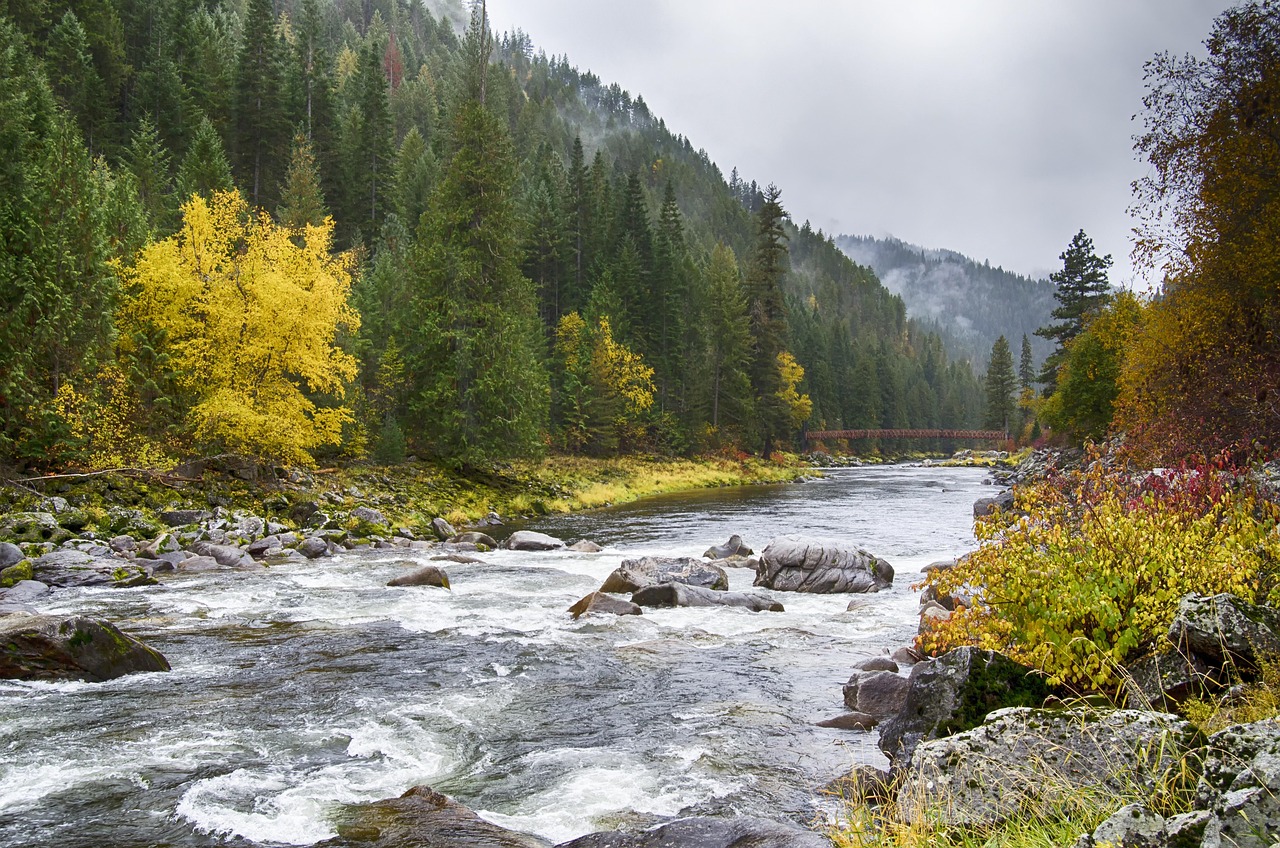
Anglers should find ways to support organizations dedicated to ensuring that the brook trout habitats remain pristine. Anglers can also work to limit development near brook trout spawning areas. Anglers should also report any instances of pollution or illegal stocking of other fish species into brook trout habitats.
Brook trout species are fragile because they require such specific conditions in their habitat; access to the water, clean water, and the forests that provide the waters with the oxygen they require to survive. Additionally, their survival is linked with the sustainability of the ecosystem itself. By protecting the brook trout, anglers will ensure that the fishing for these species remains good for all anglors.
Anglers should take the knowledge and information presented in this article, and go into the woods to find brook trout themselves. The sight of one wild brook trout with its orange fins will allow anglors to understand why many devote their lives to the pursuit of these species. Fishing for brook trout is more than just the catch that anglors will make.
Fishing for brook trout involves the angler moving quietly through the woods to their fishing spot. Fishing for brook trout also involves the angler accomplishing many tasks each day while pursuing them. Finally, fishing for brook trout also allows anglors to connect with one of Maine’s native species, and to appreciate its existence in the state.
Anglers should go out and pay attention to the brook trout and their habitats. The water will reward the anglors who pursue these beautiful fish.