
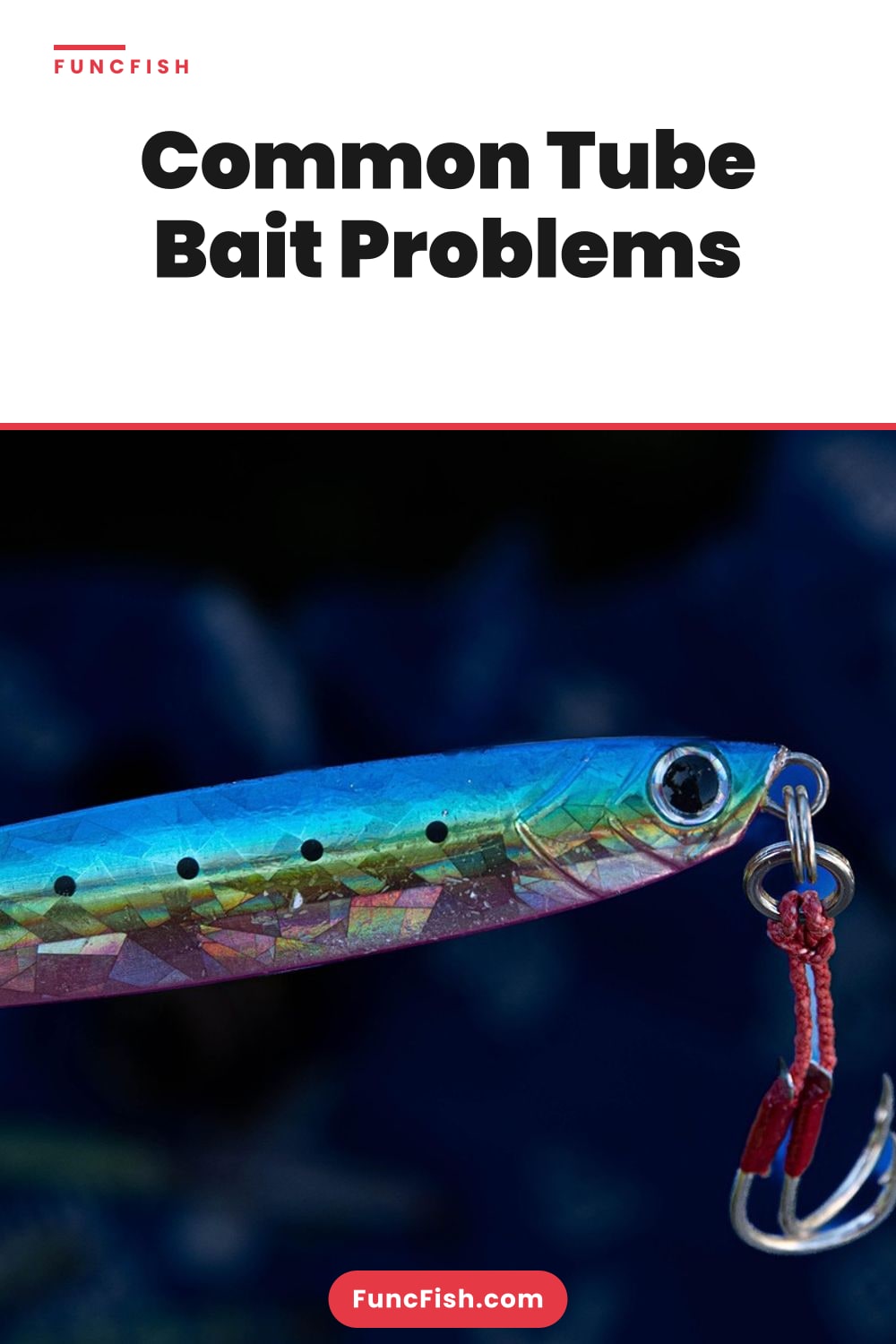
Using tube bait can present anglers with the feeling of using a secret weapon when on the water. These soft plastic baits are created to mimic the look and movement of baitfish or crawfish. Due to there distinct resemblance of baitfish and crawfish, bass cannot resist the look of these baits.
However, some angler may find that despite their confidence with using these baits, they stop producing fish with the use of these products. Regardless of the skill of the angler, there are several problem that can arise with the use of these tube baits. However, most of these problems have common causes for each.
By understanding these common causes and how to fix each problem, anglers can return to their use of tube baits and eliminate the frustrations that often ruin perfect day on the water.
Common Problems With Using Tube Baits
1. Tube Bait Not Standing Upright
One of the first problems that may come up with using tube baits is that the bait do not stand in an upright position on the bottom of the water. If the tube bait does not stand in an upright position, the bass will simply pass by the bait.
This problem is caused by insufficient weight inside the bait or by using a hook that is too light for the body of the bait. To fix this issue, an angler can place an insert of tungsten or lead into the nose of the bait. Such inserts should weigh between one quarter and three eighths of an ounce.
Additionally, baits that has a wide gap hook that is of the correct size for the bait will help to ensure that the bait returns to an upright position when set upon the bottom of the water.
2. Tentacles Folding Over
Another problem that often develops with the use of these baits is that the tentacles of the baits folds over onto the bait itself. This can be caused by the plastic of the baits becoming stiff due to the water being too cold or due to the casts that are made with the baits developing creases in the plastic.
The fix for this problem is to use baits that contain more plastic that is soft in nature or adding salt impregnated scent to the baits. Additionally, soaking the baits in a clean zip bag with a splash of water and a drop of fish oil prior to fishing will allow the baits to remain supple. Additionally, making a gentle popping motion with the rod tip every few seconds will cause the tentacles to flutter as the baits are cast into the water.
3. Line Twist Issues
The next problem that can develop with the use of these baits is called line twist. This problem affects tube bait angler more than any other type of bait because the tendency of the baits to twist in the water is more pronounced. The result of this problem is that anglers may develop loops in their line and their casts may not land where they wish to cast their baits.
The cause of this problem is either due to the use of a barrel swivel that is too small in size or the complete omission of the barrel swivel when using a jig head or drop shot to cast the baits. For deeper waters and longer casts, an angler should attach a size ten or twelve barrel swivel to the line about eighteen inches above the bait. For waters less than ten feet deep, a fluorocarbon line with twelve to fifteen pound test should be used.
Fluorocarbon lines are denser then monofilament lines and will allow the tube bait to sink faster into the water.
4. Ignored in Clear Water
A third problem that can be encountered is that tube baits are completely ignored by the bass in water that is very clear. The reason for this is that the color of the baits are too dark.
Instead of using colors like black, blue or purple flake, baits in colors like smoke with purple flake, green pumpkin with copper flake or watermelon should be used in waters that are more than four feet in clarity. Additionally, adding a drop of chartreuse to the tentacles of the baits will help to trigger a strike from the bass even more when using these colors in clear water.
5. Hook Exposure Problems
Fourth, hook exposure can create a series of problems for the angler that uses tube baits.
If the hook point is too far back from the body of the bait, or if the hook is too large in size, the baits will often get snagged on any branches or rocks in the water. Alternatively, if the point of the hook is buried too deeply into the body of the bait, the bass will not be able to secure the hook and will not strike at the bait. To fix this problem, a light wire flipping hook of size 3/0 or 4/0 should be used.
Additionally, the point of the hook should be buried about a third of the way from the nose to the point of the bait. Testing the rigging by pressing the bait against the angler’s palm will allow the angler to ensure that the point will emerge from the bait when pressure is applied.
6. Selecting the Wrong Colors
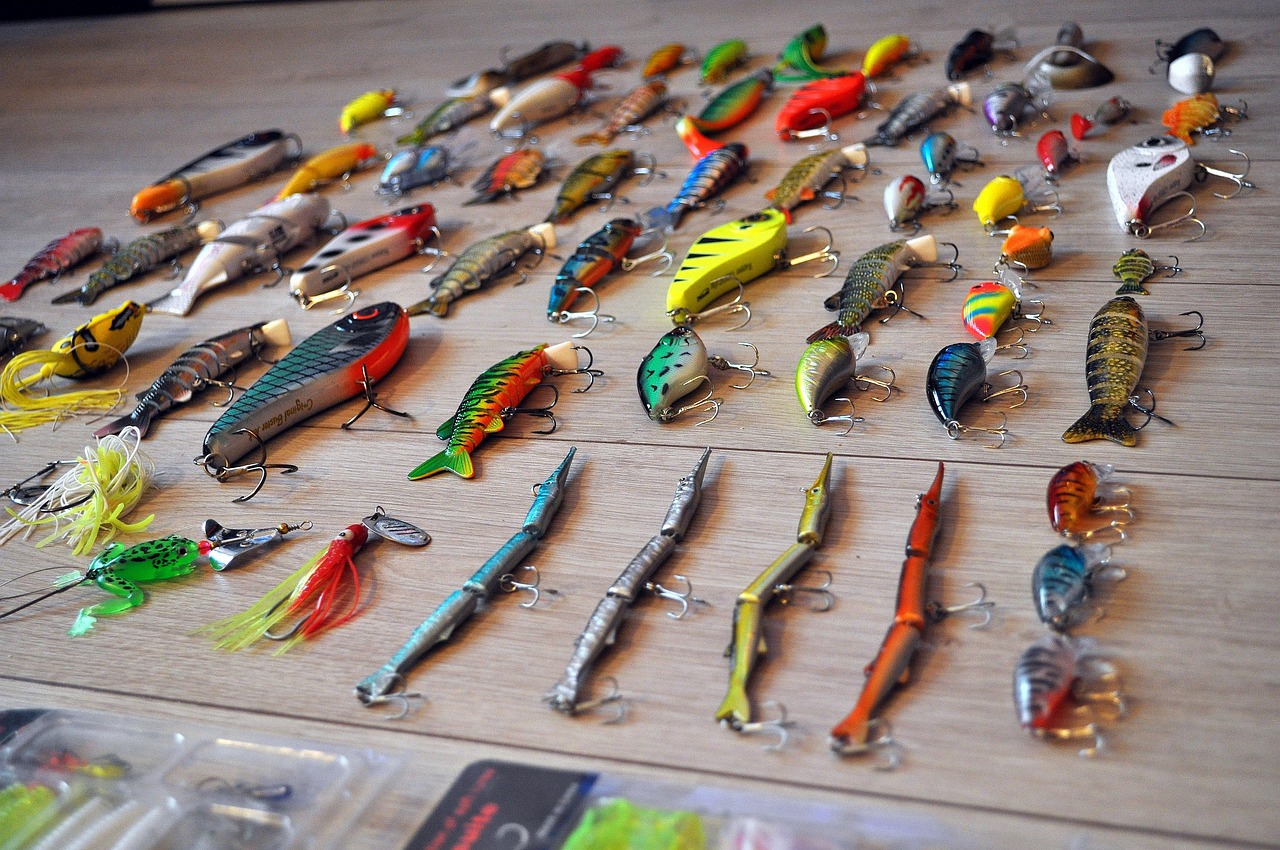
Some anglers may make mistakes when selecting the color of their baits. Anglers often simply rotate through each color of bait that is available in the box. For instance, baits of white may be used, followed by black baits, then baits of chartreuse and finally the angler may begin to wonder why the baits are not working on the lake where they are fishing. Each body of water has a few colors of tube baits that is more successful than others.
During the first hour of fishing, anglers should cycle through only three color of baits. Each color may be the same shade as the local baitfish, a color that has high contrast to the water or a wild card color such as silver, smoke, black with blue flake, green pumpkin or Junebug. Once an angler has determined the best color for the body of water that they are fishing, they should stick to that color instead of rotating through all of the different colors of baits throughout the day.
7. Bait Maintenance and Care
A fifth problem with the use of these baits is related to maintenance. Problems related to maintenance are often ignored by anglers or do not get discussed. However, if the plastic of the baits is exposed to the water, the baits will often pick up dirt, scales and other types of slime that live in the water.
The effect of this problem is that the action of the baits will change and the color of the baits may become spooked by the other fish in the water. To fix this problem, the angler should rinse the baits with fresh water after each fishing trip. Additionally, the baits should be stored upright in a mesh bag to allow the baits to dry.
Prior to each fishing trip, the baits should be wiped with a clean cloth and reapplying scent to the baits if that is the preference of the angler. Additionally, any baits that have developed a crease or have lost their salt impregnation should be replaced by the angler. By treating the baits as precision fishing tools rather than plastic baits that are used only once and tossed, the life of the baits can be maximized and the action of the baits can be maintained throughout use.
8. Fish Striking but Not Hooked
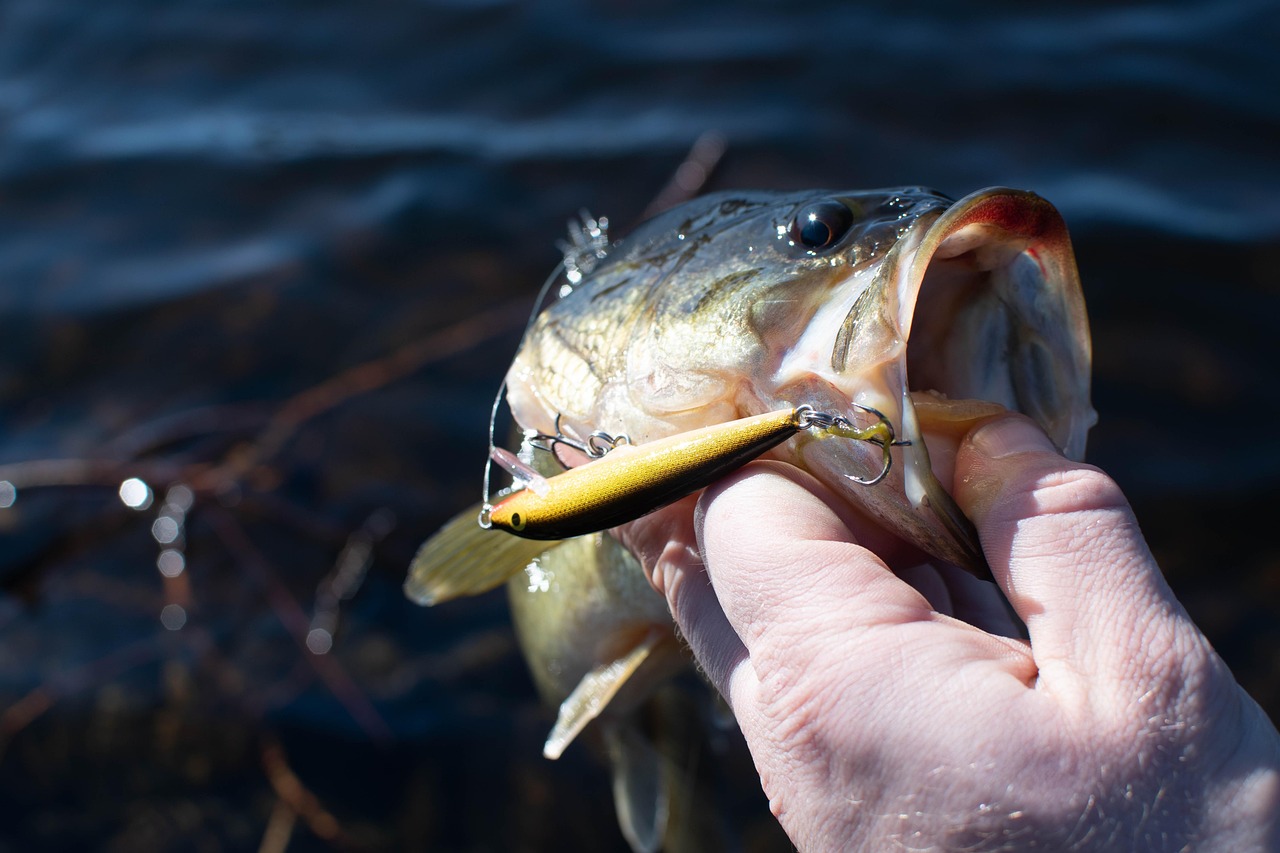
A sixth problem with tube baits is that the fish strike at the bait but the fish are not able to be hooked. This problem can be caused by dull hook points or by the retrieve speed with which the baits are cast into the water. The fix for this problem is to sharpen the hooks after each few fish that is hooked.
Additionally, making small pauses in the retrieving of the baits will give the fish more time to strike at the baits. Additionally, when a fish does strike, the angler should sweep the rod laterally instead of vertically to ensure that the fish is hooked. By solving each of the problems associated with the use of tube baits, anglers will reduce their frustrations with the baits and their days on the water.
By focusing on each of the aspects related to the baits, anglers can develop a mental checklist that they can use prior to casting in to the water. Instead of introducing a new type of bait into the water, the fish are simply waiting for the angler to fix the problems associated with these popular baits.