
Fishing floats may seem to be a very simple fishing tool. A fishing float may be made of a bit of foam or balsa, a stem, and a bit of paint. However, every angler who has spent a full day on the water reeling in carp, roach, or tench knows the frustrations associate with a float that doesnt behave as it should.
One minute the fishing float is perfectly situated in the water, but the next the fishing float is lying flat on its side, drifting sideways, or sinking into the water without warning. Each of these problems will cause a person to lose fish and patience when fishing with slip float. However, if a person understands the most common problems with slip floats, that person will be able to fix these problems and not waste time and fishes on the water.
A slip float use a sliding stop above the fishing float and beads below the fishing float. This type of fishing float allow a person to fish at any depth without having to change the fishing rigs. While this provides a great deal of versatility for anglers, this also come at a cost.
Because a slip float allows the fishing float to move freely along the fishing line, a person is likely to encounter problems with the line or the fishing float. However, there are only a few slip float problems that occur with fishing floats. The solutions to each of these slip float problems are easily recognized once a person understand the cause of the slip float problem.
Common Problems With Using Slip Floats
1. Line Twist
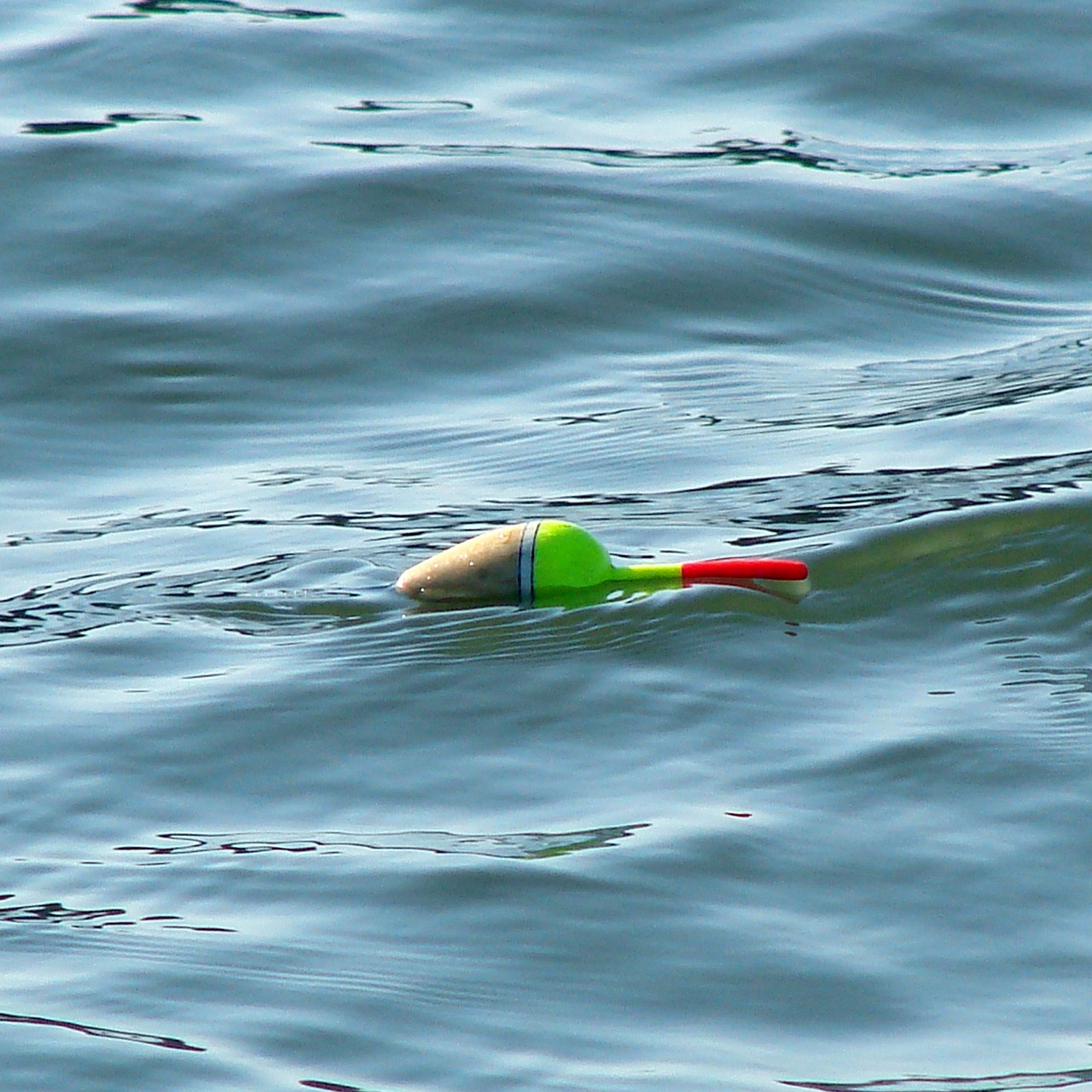
One of the most common problems with slip floats is line twist. Each time a person casts with a slip float, the slip float twists along the fishing line. With time, the monofilament line develops a memory in the line that causes the fishing float to lie at an angle to the water’s surface.
A person can fix the issue of line twist by filling the fishing reels with the line under slight tension. Additionally, a person should never leave the fishing line in direct sunlight. Before a person goes fishing, they should pass the fishing line through a damp cloth to even out the lines twist.
A quick trick that some anglers use is to add a tiny drop of silicone floatant to the stop knot. The silicone floatant will allow the stop knot to move free along the fishing line.
2. Incorrect Shot Placement
Another problem with slip floats is incorrect shot placement.
Many people tend to place all of the fishing shot together just below the slip float. Because the weight of the shot causes the fishing float to sink quick into the water, the moving shot causes other fish to spook at the presence of the fishing float. To avoid this problem, a person should place the bulk of the fishing shot two feet above the hook.
Additionally, a person should add smaller shots every six inch along the fishing line. This method mimics the way that fish naturaly fall into the water when feeding. This method will allow the slip float to settle into the water and register bites that would of otherwise gone unnoticed.
3. Stop Knots Moving Under Pressure
A third problem is stop knots that move under pressure. A stop knot that moves under pressure will cause the slip float to sink into the water even when a person has correctly placed the stop knot at the desired depth. This is because the stop knot has slipped down to the slip float because of the friction between the braided fishing line and the stop knot.
A person can fix this problem by retied the stop knot using a half-blood knot. Using this knot, a person should use a doubled piece of power gum or dental floss to secure the stop knot. Additionally, a person should tie the stop knot using wet fingers and slide it up and down the fishing line a few time to “bed” the stop knot into place.
4. Improper Bead Types
A fourth problem with slip floats is the type of bead used on the fishing float. Cheap fishing floats contain plastic beads that have sharp edge that will nick the fishing line. This will cause the fishing line to part from the fishing float when a fish lands on the bait.
Instead of plastic beads, a person should use beads that are slightly oversized and are made of soft silicone or rubber with rounded holes. These type of beads will protect the fishing line and they will prevent the stop knot from getting jammed into the slip float when a fish strikes the bait.
5. Wrong Stem Thickness
A fifth problem with slip floats is using the wrong thickness of stem for the fishing float.
A bristle fishing float is very visible when a person is fishing in murky waters. However, if the water is very calm, the bristle will sit too high above the water’s surface. If there is even a gentle breeze while a person is on the water, the fish will move the fishing float sideways.
A thin wire stem should be used for very calm waters. Conversely, on rivers, the wire stem will sink into the water because of the river’s current. In this case a person should use a carbon or fiberglass fishing stem that is of medium thickness.
6. Estimating Depth Errors
Sixth, a person may make an error in estimating the depth where the fish are located. A person may plumb the water once when first setting up the fishing rig. However, five casts later the bait may be dragging along the lake or river bottom.
This will cause the slip float to lie flat on its side. A person should plumb every spot that they intend to fish. Additionally, a person should plumb the spot again if the wind changes direction.
When a person has determined the depth where the fish are located, a person should mark the fishing line with a strip of marker pen just above the slip float.
7. Excessive Fishing Shots
A seventh problem with slip floats is when a person adds too many fishing shots to the slip float. This problem is easy to spot but very common.
With too many fishing shots the body of the fishing float will sit too low in the water so that only the tip of the float protrudes from the water. When a fish takes the bait the float cannot move so it dissapears without a ripple in the water. This can cause a person to think that the fish are not interested in the bait.
A person should remove one or two of the smallest fishing shots so that two thirds of the body of the fishing float is clear of the water’s surface.
8. Incorrect Slip Float Type
An eighth problem with slip floats is the type of slip float that is used. A slim pencil slip float works well in rivers but looks lost in large still waters that have strong wave action.
A fat balsa-bodied slip float works well in commercial fishing spots but too much resistance is created in waters that contain shy fish species such as winter roach. A person should use a wire-stemmed slimline slip float for running water and a fatter bristle slip float for still water fishing spot.
9. Incorrect Hook Link Length
Finally, a person may strike at a fish either too early or too late when the slip float has been incorrectly set for the length of the fishing hook.
If a person uses a long hook link and sets the slip float too close to the lake or river bottom, the fish will feel resistance before the slip float has moved. A person will see nothing happen. To correct this problem a person may shorten the length of the hook link or reposition the stop knot to ensure that the fishing bait falls into the water at the same rate as the other bait that fish naturaly take.
When a person gets this aspect of fishing right, using slip floats becomes a very rewarding experience. Each of these slip float problems can be avoided with a few simple steps. A person who masters the slip float only has to pay close attention to a few small details.
These small details is what make a difference between anglers who successfully land fish and anglers who sit on the bank with empty fishing bags. When a person encounters a slip float problem they should use this mental checklist. More often than not, the solution is already in a person’s hand when they encounter a slip float problem.
When a person masters these slip float problems the float will become a window into the actions of the fish that they are fishing for instead of a mystery to be solved every time a person casts a line into the water.