
Kayak fishing offer anglers a specific kind of freedom that they do not get when they fish from the bank. Kayak fishing allow anglers to enter waters that most people cannot reach. When anglers is on a kayak, they can drift past overhanging branches and hover over the structures on the riverbed that contain the fish that others will never see.
River kayak fishing combine the patience required for success in fly fishing with the problem-solving skills that is required for success in whitewater kayaking. When the fish hit the bait, the fight between the angler and the fish take place in the kayak that the angler is using. All of these combined elements provides anglers with an experience that can feel like an adventure when they go fishing on a kayak.
However, there can be a steep learning curve for kayak anglers if they try to learn all of the skills required for success on the water without having a plan. Using the right approach to river kayak fishing will provide anglers with long periods of successful fishing trips and allow them to avoid getting injure on the water. The following tips will help anglers to transform their mediocre fishing trips into memorable experiences with their friends while they are on the water.
Each of these tips will focus on an area of kayak fishing that beginners often overlook. These overlooked aspects of the sport can result in anglers losing their fish or there comfort on the water.
Essential Tips for Successful River Kayak Fishing
1. Choose the Right Kayak
Anglers need to choose a kayak that best suit their fishing goals. A twelve-foot sit-on-top kayak can allow anglers to both cast their lines while standing on the kayak and to swing a net to retrieve their caught fish. Additionally, twelve-foot kayaks provide more stability than shorter kayaks that can be difficult to control if the river’s current increase. Kayaks that are wider than thirty-six inches will allow anglers to maintain their balance if they hook a fish with one of their hand.
These wider kayaks can be slower in moving through the river’s current, but this extra width provide anglers with the confidence to focus on fishing rather than staying balanced on their kayak. On the downside, kayaks that are wider provide less speed for anglers on the water. On the water, a wrong stroke with the kayaks paddle can send the kayak into a tree or a river sweeper.
2. Pack Gear Lightly and Efficiently
Kayak anglers need to pack their gear lightly but with care. Anglers can use a large dry bag on the rear deck to store rain gear, extra clothing, and lunch. Anglers will use the smaller dry bag on the front seat to store fishing tools that are needed on the water.
Large tackle boxes can be left at home because they are too heavy for the kayak. Instead, two clear Plano tackle boxes can be used on the kayak. One box can contain soft plastic baits and the other box can contain hard baits.
This will allow anglers to have all of the gear that they need. However, if anglers use more than two tackle boxes, they will add extra weight to their kayak. The extra weight of the tackle boxes will cause their kayak to sit lower in the water and create drag against the river’s current.
Anglers who want to kayak fish effective need to move as quietly and efficiently as possible on the water. Anglers should learn to read the current seams in the areas where they plan to fish. Current seams are the places where the water is faster in some parts of the river than in others.
Bubbles form in these areas because the baitfish become trapped in these seams. Therefore, the fish will be found in these areas on the slow side of the current seams. By positioning the kayak so that the current push the kayak in a direction that is parallel to the current seam, the angler will allow their bait to remain in the strike zone for a longer period of time.
This may seem counterintuitive to kayaker as it requires them to paddle against the current on the river. However, by allowing their fishing lure to remain in the strike zone for a longer period of time, they will allow their fish to follow their lure more often. Anglers can choose to either learn how to anchor in a smart way or to learn how to drift in a controlled manner.
An area where the current is slow allow anglers to use a stake-out pole to secure their kayak. This stake-out pole can be pushed into the riverbed to allow anglers to remain in one spot. Using a stake-out pole is quieter than using a chain to secure a kayak.
Additionally, in the water with current, anglers can learn to use back-paddle techniques or subtle strokes with their kayaks paddle to allow their kayak to remain in one spot while they work their bait in the water. Some river guides use the term “downstream trolling” to describe this technique. This method allows anglers to effectively navigate their kayak in a controlled manner.
Additionally, using this technique does not spook the fish as the shadows of the kayakers will not fall on the fish. Using the paddle to both steer the kayak and to fish in the water is the main skill that anglers must master when using a kayak to catch fish. Anglers can learn a variety of fishing techniques to suit the tight quarters in which they will fish on the river.
3. Use Appropriate Fishing Rods
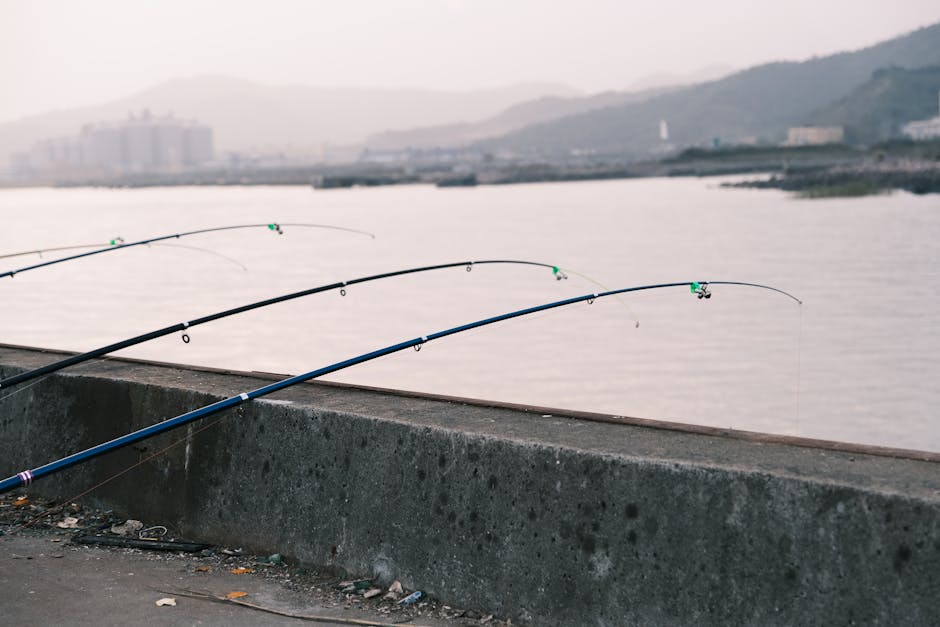
Anglers can use seven-foot fishing rods as these rods do not require much space to cast when there are tight spaces on the river. Additionally, these rods can have medium power so that they can cast both light and heavy baits. They can be spooled with fifteen-pound braided fishing line and a three-foot fluorocromatic fishing leader.
This kind of fishing gear can handle many different types of fish in the same area without being too much equipment for anglers to manage. The braided fishing line can easily pass through vegetation when the fish run under logs in the river. Additionally, braided fishing line allows anglers to feel the bites of the fish when they are in a swirling current in the river.
Anglers should keep one fishing rod with a weightless senko bait and the other fishing rod with a chatterbait so that they can switch between the two without having to search through the tackle boxes on the kayak. Anglers should pay close attention to the location of the fish instead of where they think the fish should be. The fish on the rivers change on a weekly basis.
4. Focus on New River Structures
The deep areas in which anglers may have caught a lot of fish last month may not contain any fish this month after the rain clear the riverbed. Areas that are newly formed by fallen trees or gravel bars that were formed during the last flood will contain the fish because these structures provide cover for the fish and provide food for the fish. Anglers should spend ten minutes creating a cast in these newly formed spots before they declare that the spot will not produce any more fish.
By spending these ten minutes casting into these new spots, anglers will usually find the fish. Anglers should learn a few lures instead of twenty different kinds of fishing bait. Anglers can use a white spinnerbait, green pumpkin creature bait, black and blue jig bait, and a shallow diving crankbait to catch fish in almost any area of the river in any condition.
Anglers have to pay close attention to the water clarity and depth. In stained water after it rains in the area, spinnerbaits and black and blue jigs will work best because fish use their lateral lines to catch the stained water. However, when the water is clear and the level of the water is low in the river, natural crankbaits and weightless plastics will catch the fish in these areas.
Anglers should learn to avoid the hazards of the river. Strainers are trees lying flat on their sides in the current with the branches pointing upstream. Strainers may catch kayaks in the water in just a few seconds.
Anglers should give these strainers a wide berth when they are on the water. Anglers should never position themselves between a strainer and the main current in the river.
5. Monitor Weather Conditions
Additionally, anglers should pay close attention to the weather.
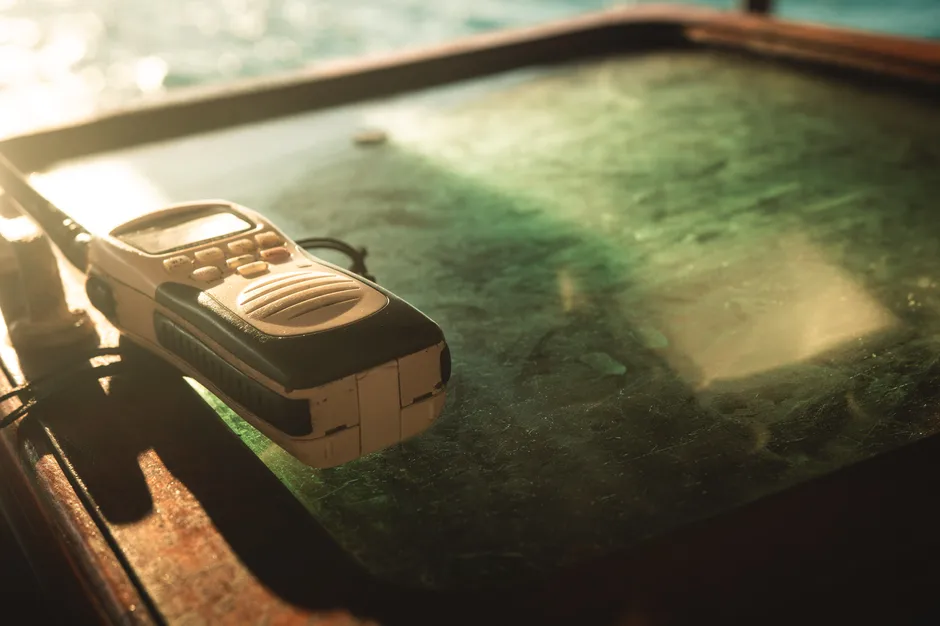
Rivers rise quickly after there are storms in the areas upstream of the angler. Anglers might enjoy a gentle float on the river but encounter Class II runs in the river that push them along at a faster rate than they expect. Anglers should have a small weather radio and check the weather on their phone prior to getting on the kayak to the water.
While the topic of river safety may seem unimportant to some anglers, it is important to ensure that anglers can continue to fish with their friends on the water.
6. Measure and Photograph Fish Safely
Anglers need to bring methods for measuring and photographing their caught fish without having to drag the fish out of the water. Anglers can use a waterproof measuring tape that is stuck to the gunwale of their kayak and a selfie stick that allow them to photograph their fish without removing them from the water.
Smallmouth bass and trout survive better when they are not out of the water for more than thirty seconds. Thus, by leaving the fish in the water, their photographs will be great and the fish will not tire.
7. Use Proper Paddling Form
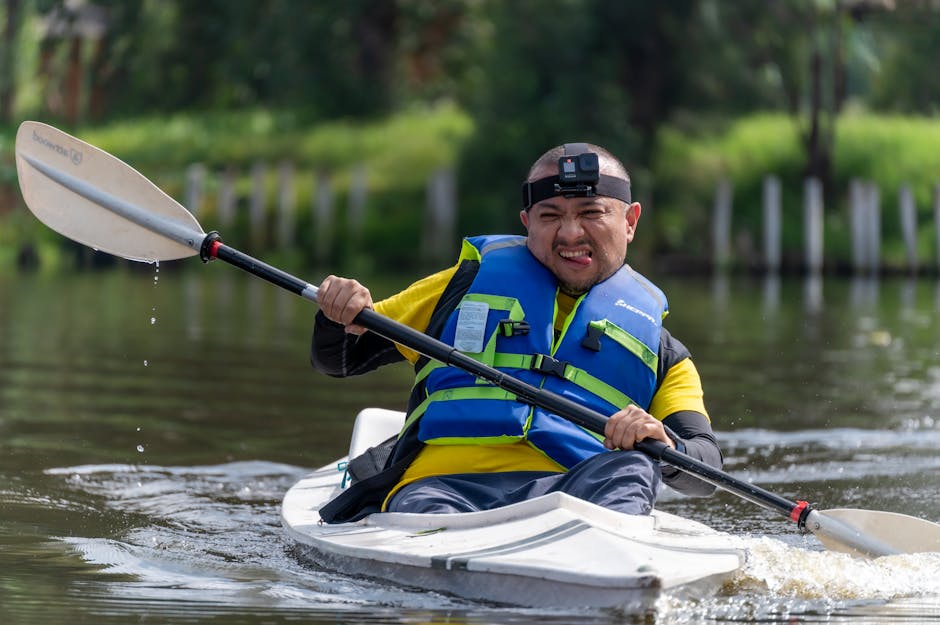
Anglers should use their lower body to propel their kayak forward rather than their upper body.
By positioning themselves upright on their kayak, engaging their core and using the rotation of their torso with each paddle stroke, anglers will save their shoulders with long hours on the water. Additionally, using their torso will allow them to have better control of their kayak. Using the right paddling form will allow the kayak to travel in a straight line without the angler having to make many adjustments in the water.
If the kayak drifts in a straight line, the anglers’ fishing lines will be cast accurately without being thrown off by their kayak drifting in different direction. The river is moving forward no matter what the angler does when they are on the water. Some days the bass will hit every cast that the angler throws in the water.
Other days, the angler may travel for many miles on the river and not catch a single fish. Anglers who return to the same areas of the river each day are the most consistent anglers on the water. These anglers study the different areas of the river.
They note when the water levels change and where the fish were spotted on similar days of the week. With this information, they can adjust their fishing methods so that they do not get frustrated at the inability to catch any fish. Anglers of all experience levels can use the information included in this article.
Therefore, anglers should get on the water and pay close attention to their surroundings. The fish are waiting in areas that most people can not reach. For these reasons, the kayak is the only way that people can go to locate and catch the fish.