
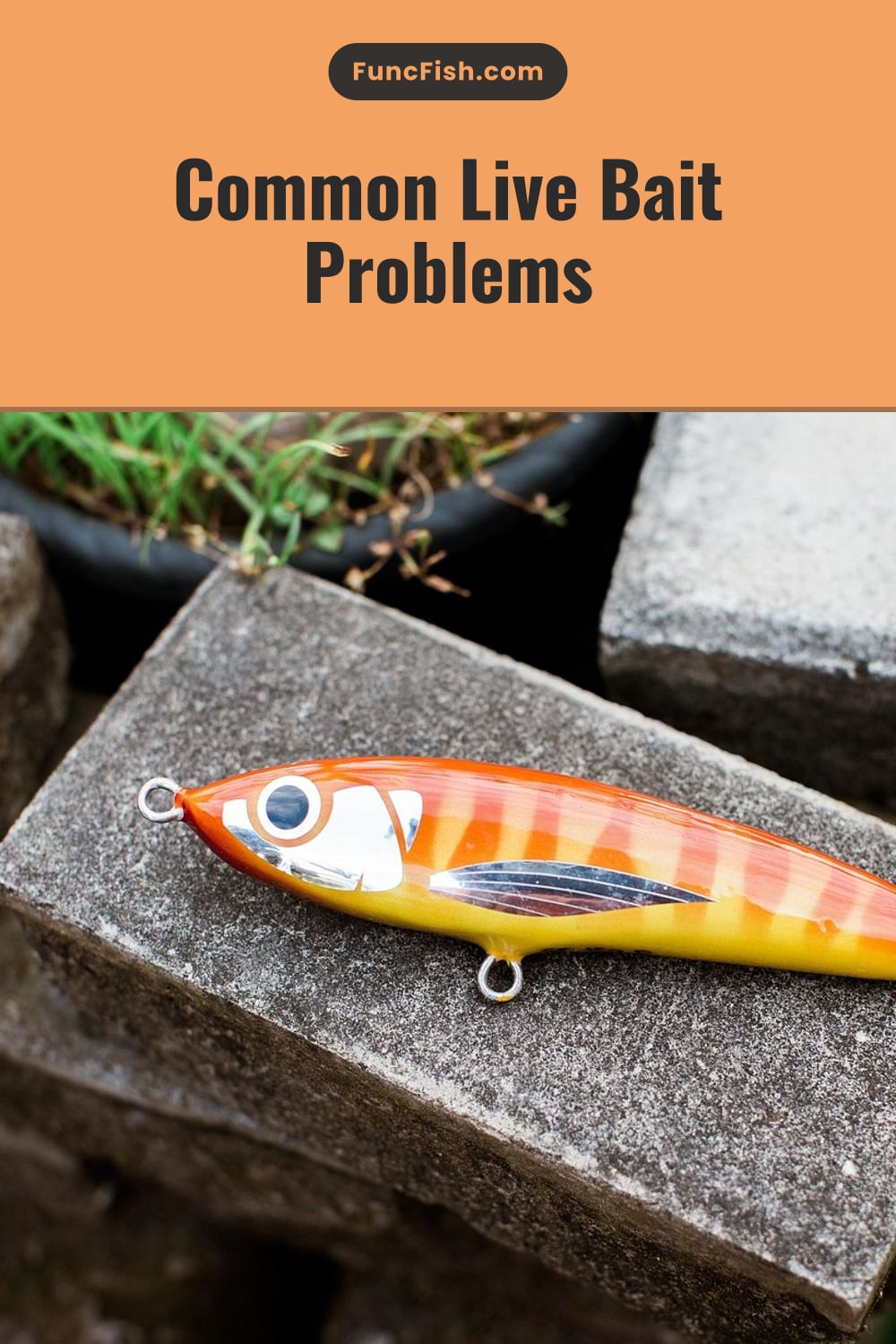
A fishing day can be ruined quick by two things: live bait that refuse to stay alive, and live bait that refuses to catch any fish whatsoever. Whether you spend your morning digging for worms or netting minnows, you will eventually make your way to the lake with high hopes that your purchased live bait will work for you. However, your bait may die in the bucket before you can properly place the bait on the hook.
Furthermore, it is possible that the fish in the lake will completely ignore your bait while another angler twenty feet down the bank is catching fish in abundance. These frustrations are commonplace among anglers, and they have become part of fishing lore. However, using a few fixes can prevent most of these frustrations to ensure that your live bait performs as you would like.
The secret to preventing many of these problems is understanding what can happen between the bait shop, the cooler in your car, and the fish in the lake that may or may not eat the bait. By understanding the typical problem that occur with live bait, you will be able to avoid wasting your money on dead bait, and you will begin to notice that your live bait is actually catching the fish you are targeting. Each of the problems that is described below have occurred on every body of water that has ever had fish and bait.
If you learn these problems in order, you will spend more time fighting the fish that you want to catch, and less time fighting your live bait.
Common Problems With Using Live Bait
1. Maintaining Live Bait Longevity
One of the biggest headaches that a person can experience is live bait that does not last long enough. Minnows, for instance, are very sensitive to both temperature and low level of oxygen.
For instance, a person may go to the bait shop and purchase two dozen minnows. However, by the time that the person reaches the lake, half of the minnows may be dead. The reason for this is likely that the bag of minnows experienced a significant rise in temperature while sitting in the trunk of the car.
The high temperature shocked the minnows, and they perished as a result of that shock. The fix for this problem is to use an insulated cooler with an aerator, and to place a few ice pack wrapped in a towel along the side of the cooler. The ice should not come in contact with the live bait container, but you should keep the water inside the cooler between 60 degree and 65 degrees.
Additionally, you should change a third of the water in the cooler every few hours to ensure that the live bait does not become stressed from the water that it is force to use. Using lake water instead of tap water in the cooler will improve the survival of the live bait, since tap water contains chlorine that can kill the bait. Another problem that occurs is when live bait dies the instant that it hit the hook.
2. Proper Hooking Techniques for Active Bait
For example, a person may spend a few minutes properly threading a nightcrawler onto the hook. However, the moment that the bait makes contact with the hook, the bait becomes lifeless. The fish that are cruising the lake’s waters will ignore the bait completely due to this lack of action.
The issue in these instances is typically with the angler’s hooking technique. If the angler passes the bait straight through the head of the worm, the worm will be sliced in half and will become lifeless as a result. To avoid this problem, angers should only thread the bait through the worm near its head so that the tail of the bait is still able to move and create vibrations in the water.
Additionally, for minnows, the hook should pass through the nostrils of the minnow or through the dorsal fin so that the fish can still naturaly swim in circles in the water while attached to the fishing line. Using these methods will ensure that the bait remains active after being hooked, allowing the bait to remain on the hook for longer periods of time. These methods will work to extend the life of live bait from a few minute to over thirty minutes.
3. Matching Bait Size to Water Conditions
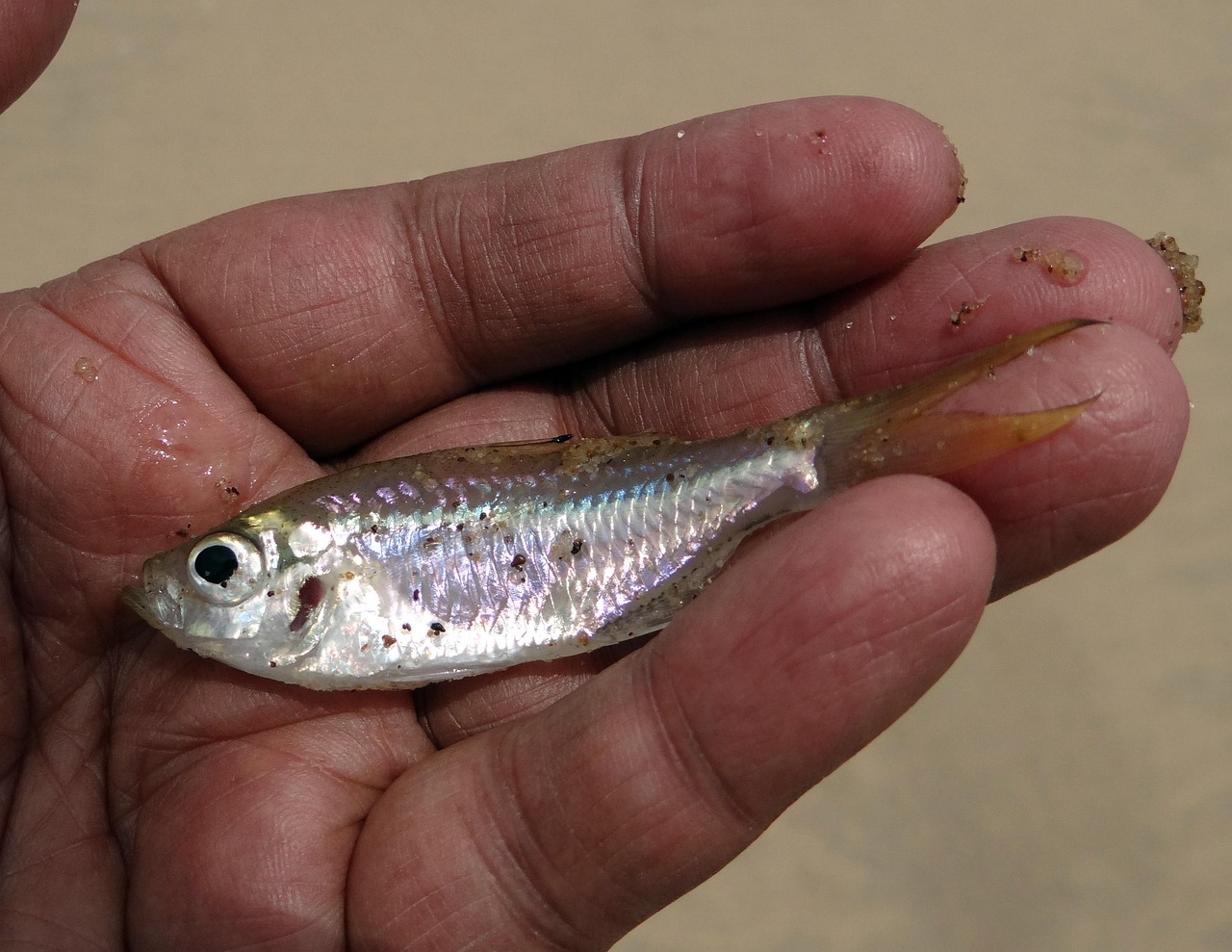
Another problem with live bait is that the live bait may look perfect, yet the fish will not touch the bait. Other fishermen may be reeling in fish that use the same type of bait, yet your bait is being ignored. The most common cause of this issue is that the bait is either too big or too small for the lake, its conditions, or the specific type of fish that live in the water.
For example, bluegills will ignore a four-inch minnow when they live in a clear shallow lake, but the same size of minnow will be perfect for a largemouth bass that live in heavy weeds. To fix this issue, anglers must understand how to properly size the bait according to the type of fish that live in the water, and the clarity of the water itself. In stained water, anglers can use larger bait options because fish locate bait by its smell and vibrations.
However, in clear water with good visibility, smaller bait options work best. Therefore, having a few size of bait in your cooler will allow anglers to adjust bait size to the conditions without having to make the trip to the bait shop to purchase additional bait species. One adjustment of bait size can transform a frustrating fishing experience into a successful one.
4. Correct Handling of Live Bait Species
Incorrectly handling live bait can also cause another headache for the angler. For instance, if an angler reaches in to grab a crayfish by the tail, the crayfish will immediately attempt to pinch the anglers finger. Additionally, leeches are known to easily attach to the floor of the boat if they are not handled correctly.
These type of problems can be solved by learning how to correctly handle each species of live bait. Pick up crayfish from behind the head of the crayfish so that the claws of the crayfish do not have the chance to pinch the angler. Additionally, you should wet leeches before being attached to the fishing hook to improve the leech’s chances of successfully remaining attached to the anglers hand.
Finally, hold nightcrawlers in damp sphagnum moss rather than loose dirt so that they do not become frantic due to the dryness of the dirt. These small detail will make fishing live bait much easier and less frustrating.
5. Optimizing Hook Sets for Soft Bait
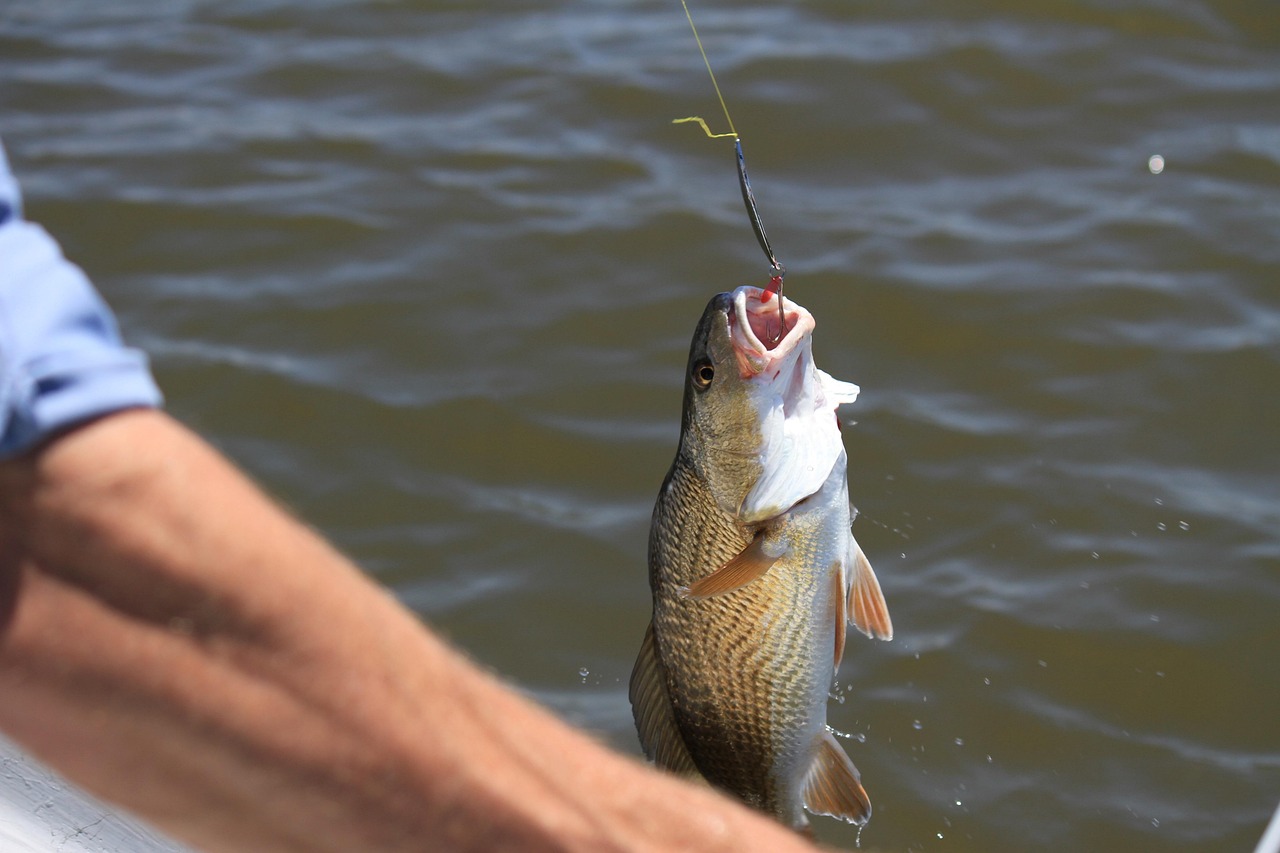
Incorrect hooking techniques can also make live bait ineffective even if the fish begin to bite on the bait.
For example, if the angler feels the tap of a fish on the bait, and if the angler sets the hook hard, the line may become slack. This can happen if the bait was soft-bodied like a minnow or a waxworm, as soft-bodied bait can easily tear when hooked. Therefore, the hook point must be exposed to the fish enough to catch the fish, but not over-exposed such that the bait will readily pull off the hook when the fish begin to bite.
Using smaller hooks for smaller bait will help to avoid this issue. For instance, a tiny barb on a size six hook will hold a leech better than a bigger, coarse hook that may split the leech in half. Additionally, if using shrimp or crayfish, the hook should pass through the tail of the bait and out through the head so that the natural movement of the bait can occur while on the hook.
These type of adjustments will make the difference between an angler who loses half of their fishing bites, versus an angler who successfully lands many fish.
6. Preserving Bait Scent and Freshness
Finally, another problem with live bait is that the live bait may have sat in the same water for a while without any scent. Fish find live bait by smell well before they see it.
If the natural juices of the bait have leached out after sitting in the bucket of live bait for an hour or two, the bait will be invisible to the fish. Although changing the water will help, refreshing the live bait itself will help even more. Every forty-five minutes or so, replace the tired minnow with a fresh minnow from the cooler.
In the same time period, run worms through clean lake water to help the worms scent return to the bait. Additionally, pinch the dead tip of the tail of the worm to allow the worm to produce an additional scent. These types of refreshments will not only bring the live bait back to life in terms of its chemical composition, but also to its visual composition.
The fish will recognize the change in the bait, and any bite that was slowing down will begin to return. Each of the problems with live bait that are described in this article do not require complicated solution. Each solution comes down to understanding the effect of temperature, size of bait, bait hooking, live bait handling, and the importance of freshness of the live bait.
When the angler controls these factor, the live bait will be a helpful fishing aid rather than an irritating frustration. Therefore, by the time that you venture out to the lake with your bucket of live bait, you will be prepared to ensure that your live bait stays alive, that your live bait remains active while on the hook, that your live bait is of the proper size for your target species of fish, that you handle your live bait correctly, and that your live bait remains fresh. This simple knowledge will make all the difference in your fishing experience.