
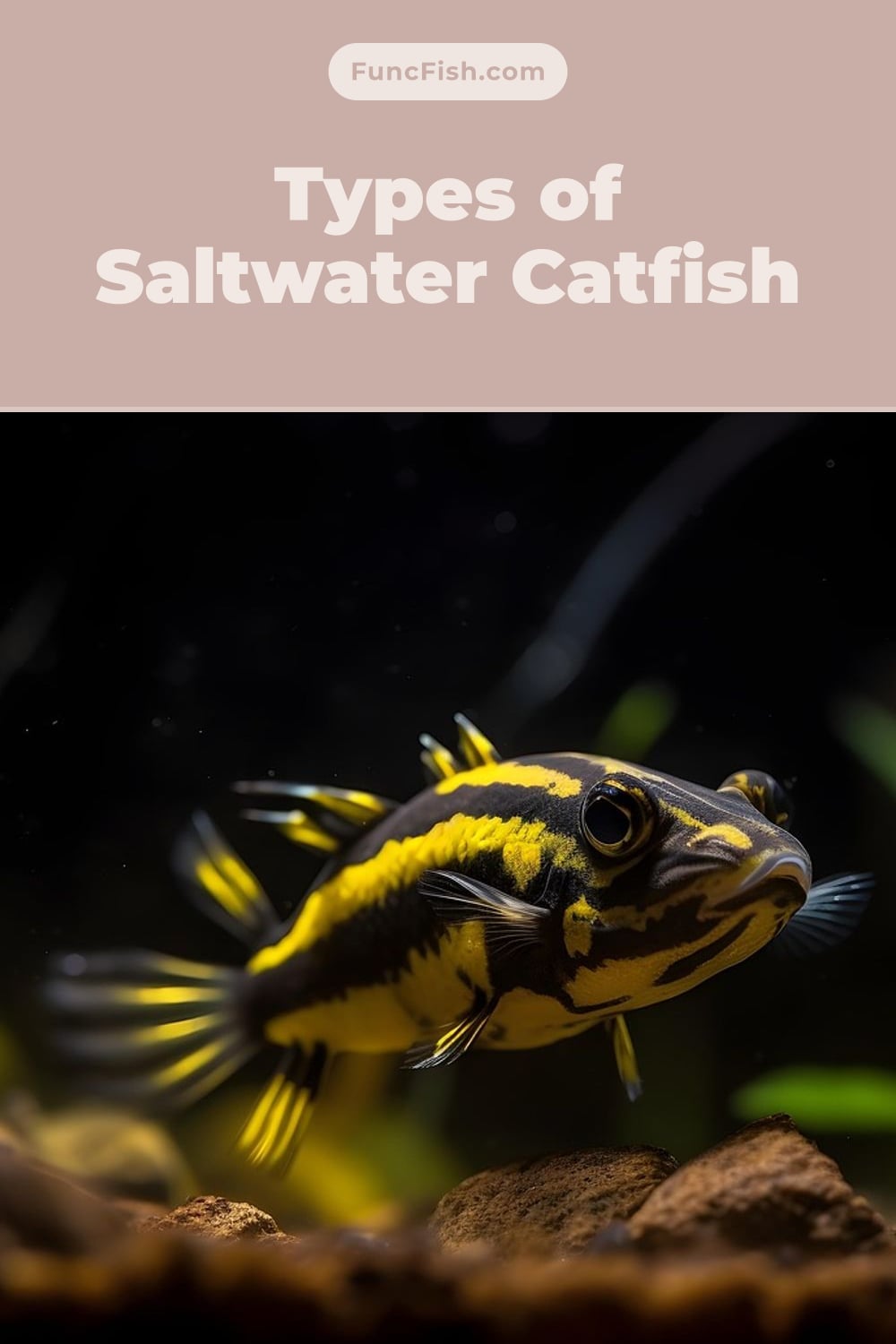
Saltwater catfish are fish that dont often recieve the amount of respect that saltwater catfish deserves from anglers. Most anglers prefer to chase the flashier gamefish rather than the saltwater catfish. However, saltwater catfish live in every coastal estuary from the mangroves of Florida to the bays of California.
Saltwater catfish are known for putting up a strong fight when they are caught on a fishing line. Saltwater catfish have distinctive whiskers on there faces as well as their armored bodies, making them easy to recognize. Not every saltwater catfish will behave in the same manner, and not every saltwater catfish will end up on a dinner plate.
Knowing the different varieties of saltwater catfish will allow anglers to understand the type of fish that may be chasing there bait. This information will prove helpful to those anglers who intend to either release the saltwater catfish or take the catfish home to fry. Saltwater catfish live in environments where other fish species struggles to survive.
Saltwater catfish species can survive in low amounts of dissolved oxygen in the water. Additionally, saltwater catfish can survive in waters that are murky in appearance and have varying salinity values from the areas where snook or redfish species might usually be found. However, saltwater catfish have certain trade-offs.
For instance, their bodies contain sharp spines that can deliver a painful sting to those who hook the fish improperly. Additionally, saltwater catfish species are known to ingest the fishing hook deeply into their mouth. However, if anglers take the time to become familiar with the different varieties of saltwater catfish species, they will no longer view these fish as the trash fish that other anglers often consider them to be.
Each species of saltwater catfish offers something special to the anglers who are fortunate enough to catch them. Some varieties put up strong fights while others are more reliable when the other fish species in the area are not biting at all. Additionally, some varieties offer anglers good food for the table after they have killed the saltwater catfish.
The varieties of saltwater catfish that can be found along the North American coasts are discussed in the paragraphs below. The discussion will begin with the saltwater catfish species that have the strongest attitude and are the most useful to anglers. Hardhead catfish are the most common type of saltwater catfish that can be found in the inshore fishing grounds of the Gulf of Mexico as well as the areas of the Atlantic coast that lie south of the Mason-Dixon line.
Common Varieties of Saltwater Catfish
1. Hardhead Catfish
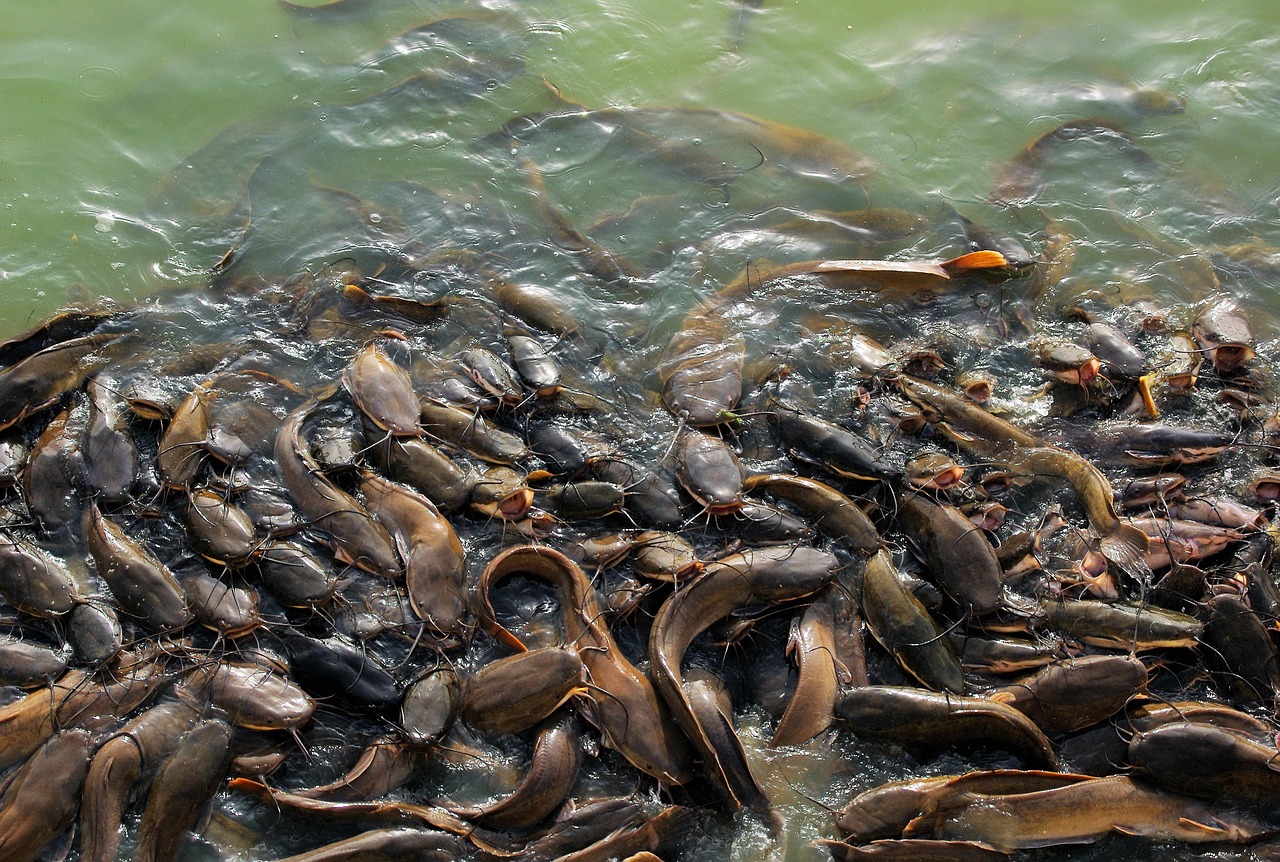
The size of the hardhead catfish can reach 2 feet in length, but they weighs between 1 and 3 pounds. The flesh of the hardhead catfish is smooth and scaleless and can be slate gray in color or brownish in color. The scientific name of the hardhead catfish is Ariopsis felis, which indicates the genus to which it belongs.
Hardhead catfish live in brackish waters, areas where rivers empty into the sea. The catfish use their bodies to search the muddy bottoms of these areas for crabs, shrimp, and other fish species that live on the sea floor. Because of their behaviors, hardhead catfish will readily take bait that anglers place into the water.
Hardhead catfish are special because they are abundant and readily take the bait that is used for fishing even when other species of fish are not biting at the time. These catfish make for good fish to catch on a slow fishing trip, even by the children or the most inexperienced of anglers. However, the downside of catching a hardhead catfish is that their dorsal and pectoral fins contains sharp spines that can deliver a painful sting to those who hook the catfish improperly.
Each of these sharp spines contains a mild venom that causes the angler to become swollen and in pain at the site of the hooking of the fish. Experienced fishermen will carry pliers with long-nosed handles to assist them in removing the sharp spines from their fishing rods. Despite the difficulties of handling these catfish, most coastal families will fry the fish after they have skinned the fish for cooking.
These families appreciate the hardhead catfish species because its fillets contain firm flesh that tastes much better than the reputation of the species of fish. The second of the saltwater catfish species to discuss is the gafftopsail catfish. The gafftopsail catfish is a relative of the hardhead catfish, and is easy to recognize.
2. Gafftopsail Catfish
Its extended dorsal and pectoral fins allow the gafftopsail catfish to have a sail-like appearance. This species lives in waters that are deeper than the habitat of the hardhead catfish. Gafftopsail catfish tend to live in schools around structures in the water.
These fish have the same whiskered face as the hardhead catfish but grow to be larger in size. Individual gafftopsail catfish can weigh more than 5 pounds when caught in the bays. The striking appearance of the gafftopsail catfish makes it a favorite species of anglers who take photographs of their catch, even if the taste of the catfish is not the reason for their preference for this species.
Gafftopsail catfish species earn a spot on the list due to their strong fighting ability despite their relatively smaller size. Because of the large fins on their bodies, the gafftopsail catfish species can plane themselves sideways in the water to better fight against the current in their environment. Anglers who use live shrimp that are presented under a cork will often find that the gafftopsail catfish will get hooked by accident as they are targeting other species like speckled trout.
This can lead to laughter shared among fishing buddies when the gafftopsail catfish clears the water in a leap that shakes its head in apparent frustration at being hooked. Like the hardhead catfish, the gafftopsail species also contains the same venomous spines on its body, but the spines are longer as well as more likely to catch on the fishing line. Anglers will need to cut the line to which they hooked the gafftopsail catfish in order to avoid getting pricked on the line.
Additionally, the gafftopsail catfish has softer flesh in its fillets than the hardhead catfish species, which limits the interest that most anglers have in catching this type of saltwater catfish. If anglers head further south along the United States coast, they will find yet another species of saltwater catfish: the sail catfish. The sail catfish is a relative of the gafftopsail catfish.
3. Sail Catfish
However, its fins have more rays that extend beyond the tail of the fish. This species is located in the warm waters of the Caribbean as well as the areas of Florida that lie the furthest extent of the United States southward. These fish are often found in shallow flats as well as in the mangrove areas along the coastlines.
The bodies of sail catfish species are more elongated than those of saltwater catfish species that live further north along the United States coast. Saltwater sail catfish species are worthy of discussion because they exhibit characteristics that bridge the gap between the bottom-feeding catfish species as well as the more elegant and visually striking marine species. For instance, the strike that an angler will feel when catching a sail catfish will feel quicker than that of other saltwater catfish species.
Additionally, the strike will feel similar to that of a trout. However, the fight of a sail catfish species will exhibit the typical stubborn behaviors of the saltwater catfish once the sail catfish species feels that it is hooked. Individuals who live in the Florida Keys will catch larger sail catfish species to prepare ceviche of the fish after they have prepared the fish.
However, most anglers will simply release the sail catfish back into the sea to avoid the issues that can be caused by the sail-like spines on their bodies. If anglers travel to the far southern areas of the United States, they should of be able to easily recognize the sail catfish species so as to not confuse it with other species that are regulated in terms of the catch limits for anglers. Few anglers who live outside of the Pacific coast of the United States and Canada are aware of the varieties of sea catfish species that live in the salt and brackish waters of these coasts.
One of the sea catfish species that can be found in these areas is the California sea catfish. Unlike other sea catfish species, the California sea catfish can grow to impressive sizes. These fish can reach lengths of over 3 feet and weigh in at over 20 pounds.
4. California Sea Catfish
The range of the California sea catfish species extends from central California to the areas of Mexico that lie nearest to the United States. These fish live in rocky reefs as well as sandy areas in the sea in search of food. Unlike the saltwater catfish species that can be found in the Gulf of Mexico, the California sea catfish species has a more robust jaw as well as thicker whiskers that help the fish to locate prey in the darker areas of the Pacific Ocean.
The California sea catfish species earns a spot on the list of saltwater catfish species due to the challenges that the fish presents when caught on fishing lines. Because of the size of the fish, commercial fishermen have been targeting these species for some time due to the fillets of the fish that have excellent qualities for smoking as well as making chowders. Anglers who are fishing for more of a sport than food will most likely encounter California sea catfish species as bycatch when fishing for halibut or lingcod species.
However, an increasing number of anglers are now targeting these fish by using heavy circle hooks and squid bait to catch the California sea catfish species. One of the drawbacks to the California sea catfish species is its toughness. The California sea catfish species is capable of continuing to thrash its body once it is hooked to the fishing line, regardless of the length of the fight between the fish and the angler.
Additionally, these thrashing motions can lead to injuries to the anglers who are catching the species. Anglers need to have respect for this species due to the challenges that it presents to the fisherman to avoid getting hurt in the process of fishing for the species. Another catfish species that can be found in the Pacific is the white catfish species.
5. White Catfish
The white catfish species, also known as the Pacific estuary catfish, is another species that is closely related to the California sea catfish species. The white catfish species is smaller in size than the California sea catfish. These fish rarely grow to be larger than 18 inches in length.
However, the white catfish has one advantage over the California sea catfish species in that there are much larger numbers of these fish that live in the bays and harbors from Oregon to the Baja region. The pale color of the white catfish species allows the fish to blend into the sea floor where the fish live in the estuaries where freshwater and saltwater mix. The habitat of these fish is especially advantageous because it allows them to survive in water conditions that would stress other sea species.
The white catfish species is sought after by anglers during the winter months in which other fish species have migrated to the sea toward the warmer areas along the coast. Anglers will find success in fishing for white catfish by simply dropping baits into the areas that contain the fish. The baits will contain species like anchovies or squid to entice the catfish to bite.
Because the mouths of white catfish species are relatively small, the fish will not swallow the hooks as deeply as most other saltwater catfish species. Therefore, the catch and release of the white catfish species is an easier process for the fish as well as for the angler. Additionally, the fillets of white catfish are considered to be more delicate than the saltwater catfish species, and are better suited for preparing fish tacos rather than other types of fish dishes.
The behavior of the white catfish is such that they school together in certain areas, so anglers will have success in catching numerous fish at one location until they decide that they have enough for the day’s fishing. If anglers head back to the Gulf of Mexico, they will find the Mexican sea catfish species. This species is the southernmost species of saltwater catfish that live in the United States.
6. Mexican Sea Catfish
The size of the Mexican sea catfish species can reach weights of over 50 pounds. Additionally, as these fish age, they develop a hump behind their heads. These fish prefer the deeper channels of the Gulf as well as the areas where rivers empty into the sea.
Their diet consists of a variety of food species, including discarded bait as well as crabs. Due to the bulk of the Mexican sea catfish species, these fish are challenging to catch using medium-sized fishing tackle. Additionally, these fish utilize the tidal movements in the areas where they live to its advantage when chasing fishing boats.
The Mexican sea catfish is different because not only does it live in tropical estuaries, it also acts as both a predator and a cleanup crew for those environments. The locals of areas like Veracruz and the Yucatan have traditionally harvested the Mexican sea catfish for their diet. The locals smoke or dry the rich flesh of the fish to preserve the protein throughout the hot months.
Sport fishermen also like to target the biggest Mexican sea catfish that live in these areas using heavy tackle; much like the freshwater blue catfish that inspire fish tournaments for sport fishermen. The slimy nature of the Mexican sea catfish may pose a challenge for sport fishermen, however. The fish has formidable spines that appear to be particularly large on these fish.
Therefore, caution must be taken when catching these fish, using gloves to prevent the slime, using long tools to lessen the risks of getting pricked by the fishs spines. Finally, the rarest of all the ariid catfish species are the fish that live only in specific drainages in the Caribbean. These fish, sometimes called silver catfish due to their metallic sheen, live in small sizes but feature striking coloration.
7. Silver Catfish
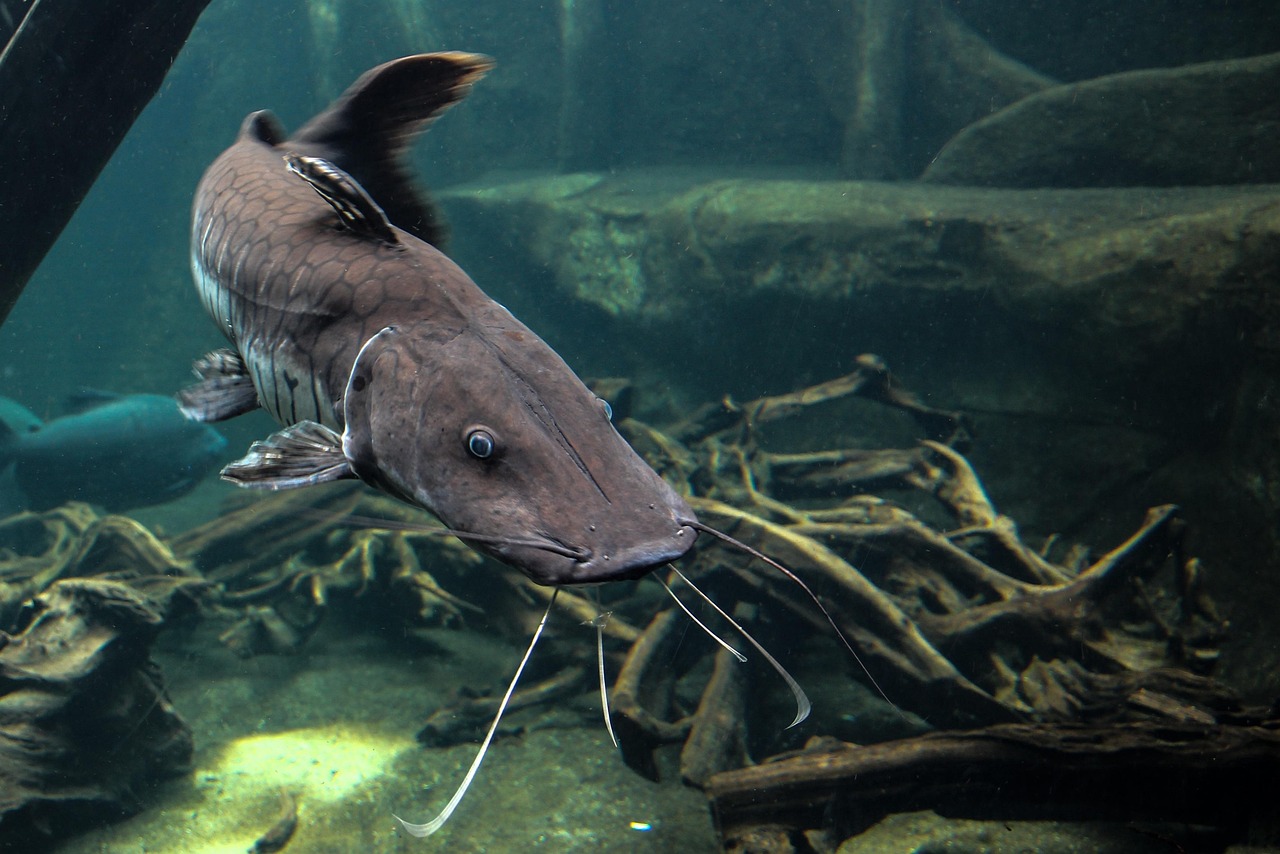
The silver catfish change from bronze to bright silver depending on the water clarity in their habitats. Because of their preference for crystal-clear tidal creeks over muddy waters, silver catfish are not too common in fishing spots that cater to typical inshore anglers. However, they are a treat when found.
Due to the limited range in which these fish live and their preference for particular water conditions, the silver catfish is considered a specialty catch for anglers. Fishing guides in areas like the upper Florida Keys will take clients into hidden mangrove cuts in the area to find these silver catfish. The silver catfish contain excellent meat that features a sweet flavor that is best consumed through light grilling.
The silver catfish are, however, very sensitive to changes in their habitat. Should the quality of the water in the areas in which silver catfish live drop, the silver catfish will move away from those areas. Thus, the silver catfish is connected to the health of the area in which it lives.
Such a connection between the fish and the environment is another reason to pay attention to these types of fish. Whether you fish for fun, or you fish for food, or you fish for the satisfaction of removing the puzzle of the tide, learning how to identify the different types of saltwater catfish will change your perspective of the inshore fishery. Each type of saltwater catfish has its own preferred habitat, fighting style, and role in the ecosystem.
Thus, the next time you encounter a fish of any type hitting your line in the shallows, take a second to look past the spines and the slime. You might discover that you have hooked an underrated gem in the inshore fishery that is hiding in plain sight.