
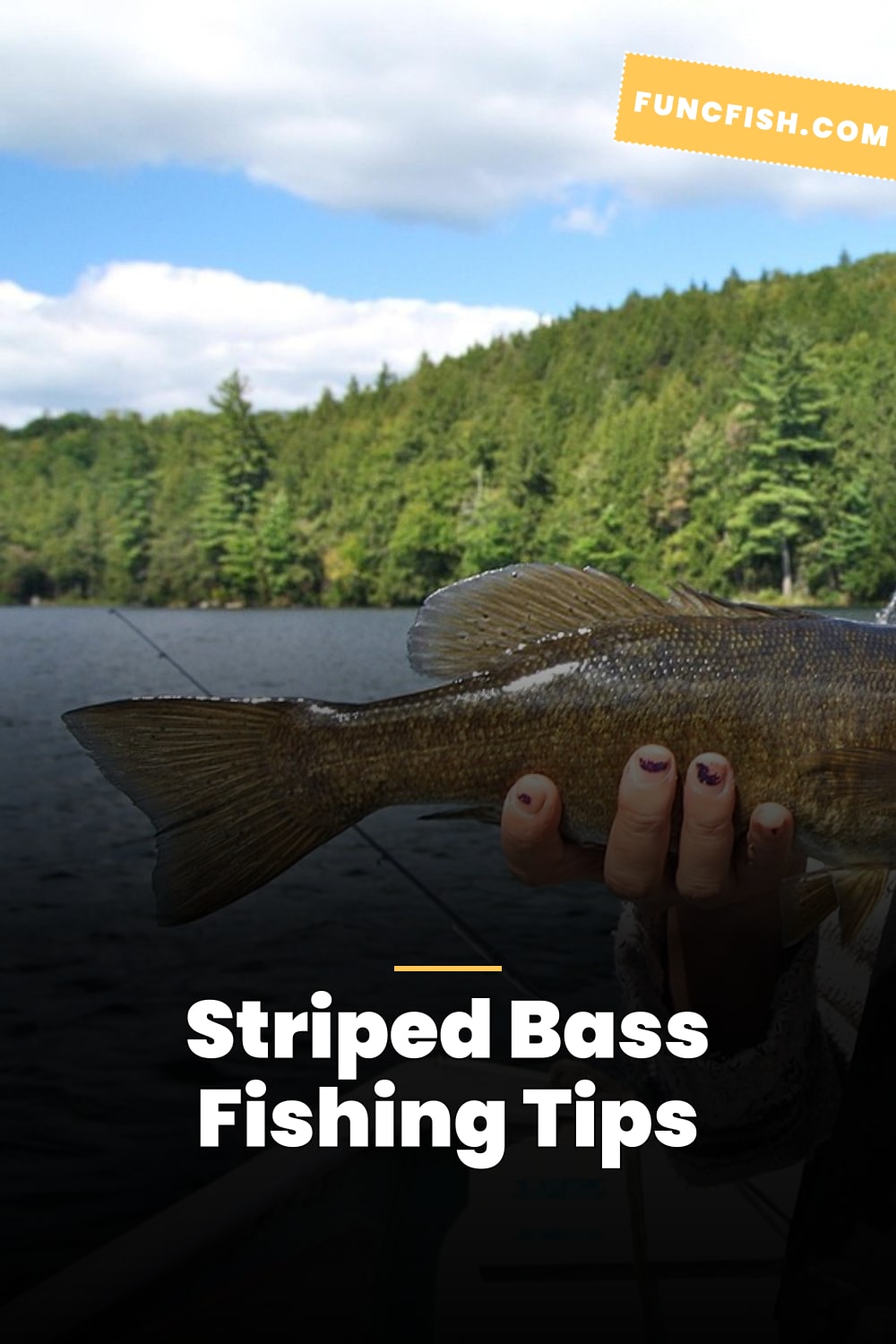
Striped bass is some of the most sought after game fish in North America. Striped bass is known for their powerful run, their acrobatic fights with anglers, and for their willingness to hit a variety of different lures. Because of the variety of lures that will typically attract a striped bass, every fishing trip has the potential to yield a fish of a lifetime.
Striped bass can be chased in the surf, from a boat in the bays, or even in the rivers when the spring run arrive upriver. While luck plays a role in striped bass success, success require more than luck alone. Those who are successful with striped bass use a handful of approaches that consistently yield results.
These approaches will transform even the worst fishing days into tolerable days, and they will transform the best fishing days into great days. There is a variety of approaches to striped bass fishing that will yield the best results. Each approach builds upon the others, so read from beginning to end.
Effective Strategies for Catching Striped Bass
1. Timing the Tides and Currents
The tide and currents in the fishing location matter more than the clock on your phone. Striped bass are ambush predator that naturaly use moving water to their advantage in that they position themselves in areas where the moving water will sweep their prey past their noses. The two hours on either side of high and low tide produces the best striped bass action due to the strength of the currents during these periods and because the strong currents often becomes disoriented the prey fish at these times.
Additionally, during falling tides, striped bass will often gather around the mouth of creeks where the prey fish tend to gather. By learning the specific current breaks in and around the area where you enjoy the best success with striped bass, you will spend less time fishing in areas where the current is dead and your striped bass are not found. The phase of the moon also has an effect upon striped bass activity.
2. Lunar Phases and Moonlight
The largest striped bass tend to be the most active during the dark of the new moon. During this time, the striped bass have a natural stealth advantage due to the low light of the predawn sky. Additionally, the full moon can cause striped bass activity to gather on the surface during the night.
This can be an advantage or a challenge to those who attempt to fish during the night; however, you must choose between fishing for surface activity during the daytime on the new moon or chasing striped bass on the surface under the bright light of the full moon. One or the other should of been chosen, though, so that you do not waste trips fishing in mediocre areas at mediocre times. Location is one of the most important aspects of striped bass fishing once you have ensured that you are in the correct tide.
3. Finding Ideal Locations and Structure
In coastal waters, location hot spots include areas of structure that help to break the current; examples of such structure includes rocks, bridge pilings, boulders, and drop-offs in sandbars into channels. In rivers during the spring freshet, try to locate the warmer inflows of tributaries; striped bass prefer water temperatures of around 55 degrees. The mantra in both environments is: if you find the bait, you will find the striped bass.
Look for signs of the bait fish in these locations: birds diving, fish showering on the surface, or fish acting nervous in the water.
4. Using Live Bait Techniques
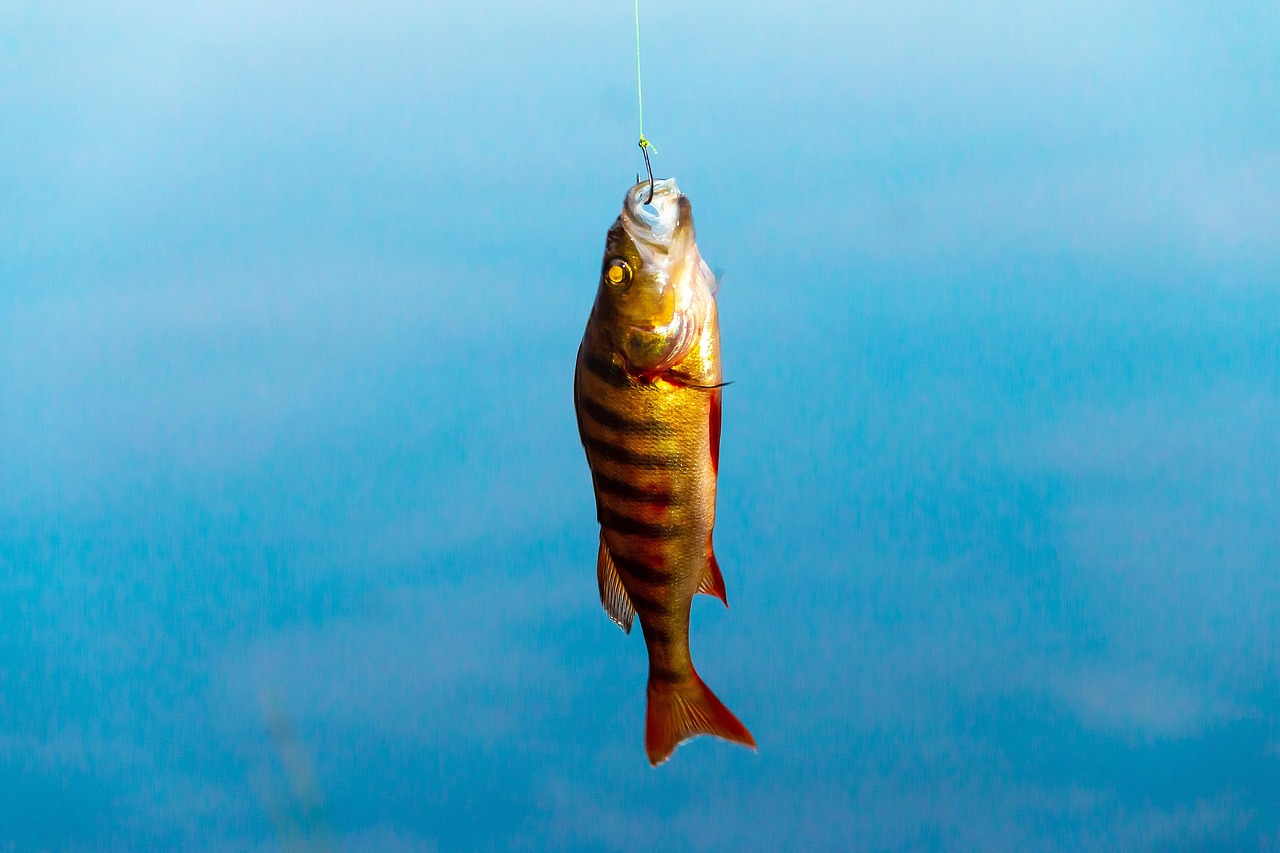
Using live bait is an approach to striped bass fishing that will often attract the largest fish. Menhaden, eels, and clams are examples of live bait for striped bass fishing.
Use a fish-finder rig to hold the bait near the bottom of the fishing location, as this will bring success even on the worst days for striped bass fishing. Keep the bait alive while fishing, but make sure that it does not become entangled in the current. Use a circle hook for live bait, and dont set the hook upon the first tap of the striped bass upon the bait.
Allow the fish to swim out with the bait for a few seconds. This prevents gut-hooked fish, which are difficult to release in many locations. Using live bait when the striped bass bite is tough will bring success.
5. Topwater Lure Presentation
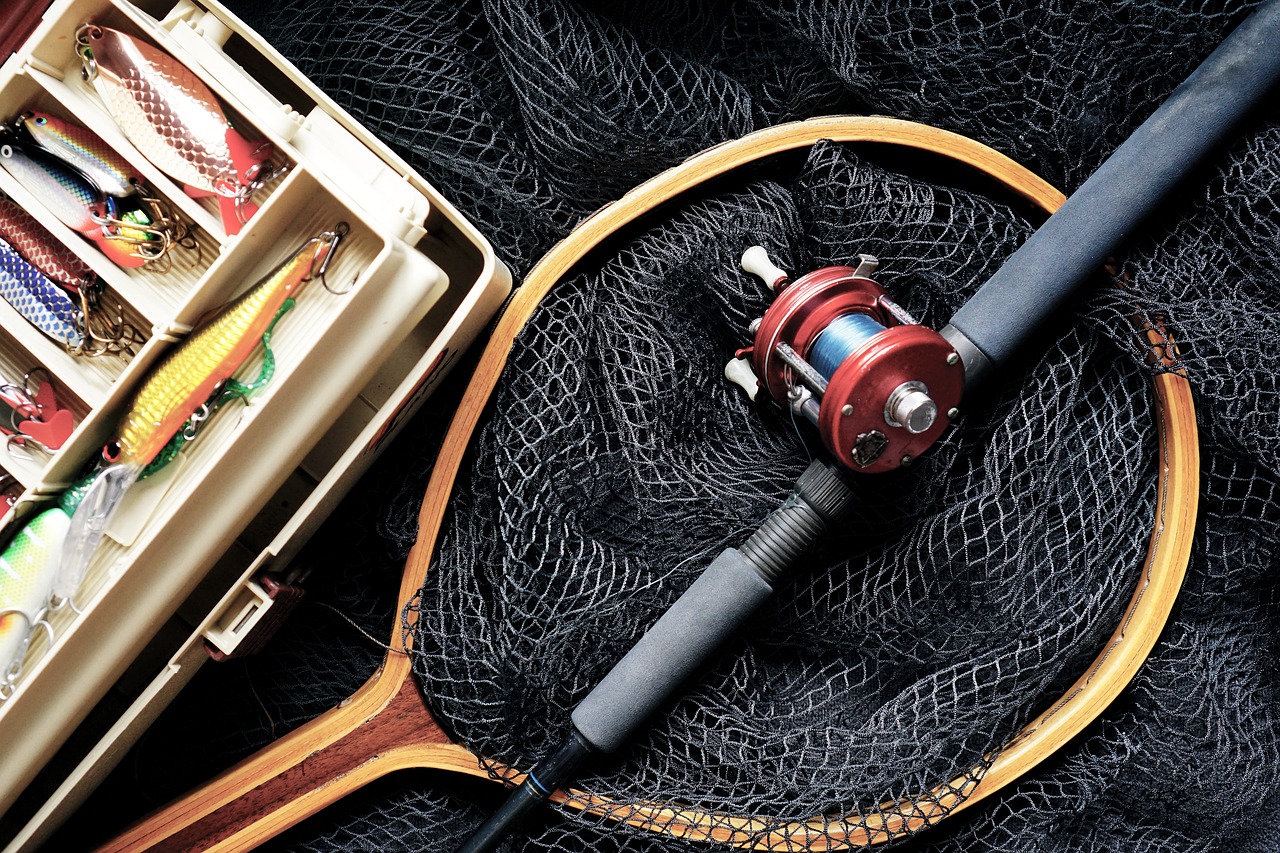
Additionally, using live bait when seeking striped bass that are over thirty inches will also bring success; the large striped bass have become wary of artificial lures. Topwater lures will yield the most exciting fishing experiences of the season. A pencil popper can be slowly walked across the water’s surface, especially during the early morning or late evening when striped bass cruise the shallows.
When walking a pencil popper, explosive blows will be felt in the shoulders of the angler. Additionally, take time to ensure that the retrieve of the topwater lure is not rushed. Many anglers rush the fishing for striped bass with topwater lures and experience frustration when nothing happens.
Slow the topwater lure down to the point where you feel you are going too slow, and then go a little bit slower. This allows the striped bass time to commit to the lure. The challenge with using topwater lures is that they will often be ineffective during the hours when the sun is high in the sky or the waters are choppily.
Save your topwater lures for these specific times. If you do, and if you follow these techniques with the pencil popper, you will remember each bite from the season.
6. Swimbaits and Soft Plastics
Swimbaits and soft plastics work well in deeper water or clearer water.
A five-inch paddle tail swimbait, for instance, will work well in deeper water when fished on a weighted hook. Cast the bait up-current and allow it to drift naturaly with the tides. Additionally, incorporate some twitches of the swimbait during the cast.
If the water is clear, use colors like pearl or light chartreuse. If the water is stained with vegetation or sediment, use bright colors like orange or black. These lures allow anglers to quickly cover water once they have located a school of striped bass.
This is why professional tournament anglers use these types of lures so often.
7. Jigging with Metal and Bucktail Jigs
Jigging with metal jigs or bucktail jigs is a staple for anglers who fish from a boat in deep structure. A white bucktail tipped with pork rind or plastic trailer will come to the bottom of deep water.
After dropping the jig to the bottom, start lifting it in sharp snaps. The movement of the jig will prompt striped bass to strike at the jig as they stay to rocks and wrecks. Using this technique allows the fishing bait to remain in the strike zone longer than if anglers use a method that simply casts the lure.
Pay close attention to your line while dropping the jig. Stripes will strike during the drop of the jig. When you feel nothing but slight ticks in the line when the striped bass strike, set the hook.
This will double your catch rate when using this approach. Your choice of fishing line will impact the other aspects of your fishing setup.
8. Choosing the Right Fishing Line and Gear
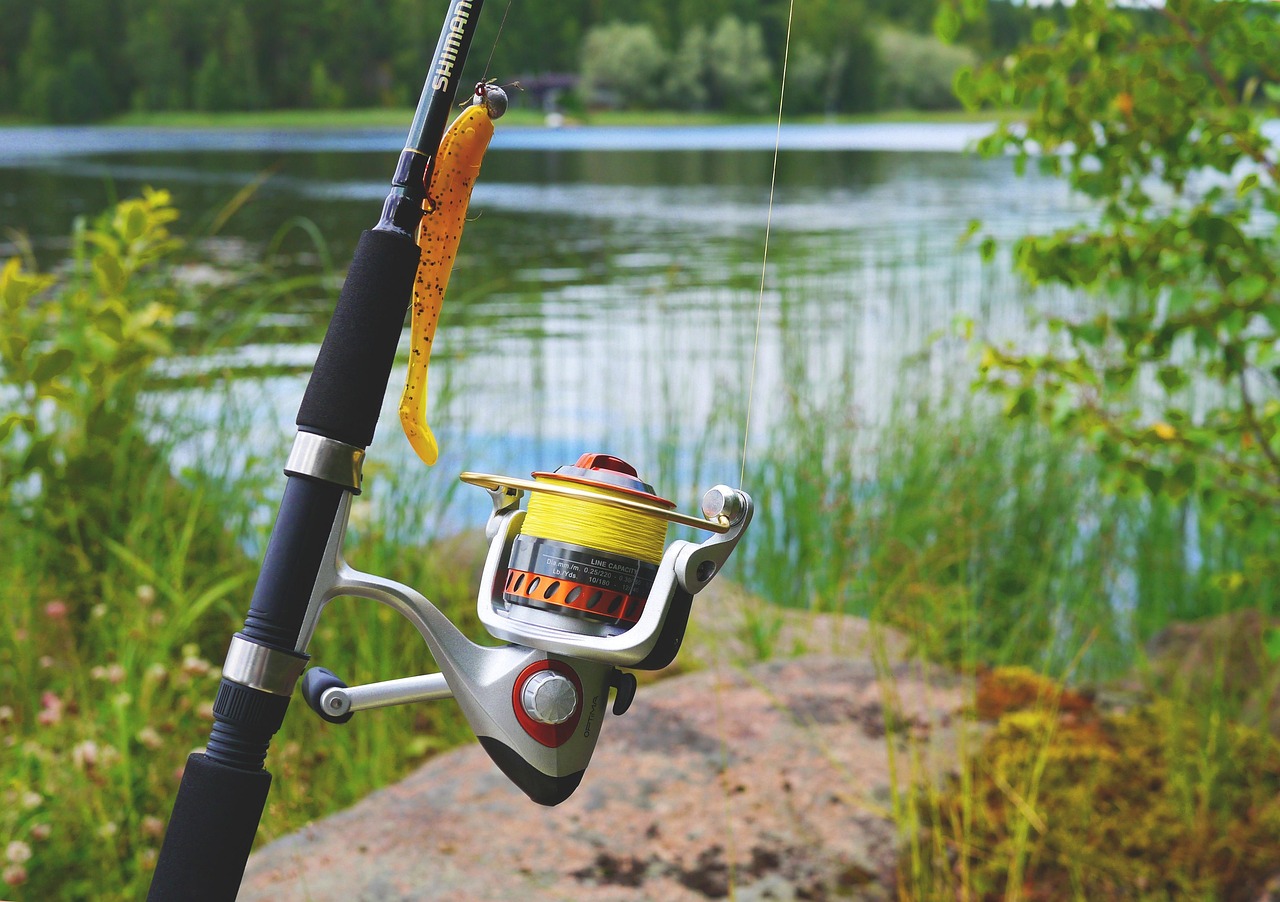
Use braided line in the thirty to fifty pound ranges.
The zero-stretch property of braided line allows you to feel bites when using deep water or heavy current techniques. Use a three-foot fluorocarbon leader in forty or fifty pound test. Fluorocarbon leader will resist abrasion against the teeth of striped bass.
Additionally, fluorocarbon leader will disappear underwater better than monofilament lines. Many striped bass anglers skip using the fluorocarbon leader, but the extra minute required to tie the leader will pay for itself many times over. Your choice of rod and reel should provide you with comfort while also preventing exhaustion.
Use a seven-foot medium-heavy spinning rod and a 4000 or 5000 series reel. If you are fishing from the beach, use rods in the nine to eleven foot range. Match the strength of the rods backbone to the strength of the fishing line.
The stronger the line, the more strength required to pull the striped bass away from rocks. Cheap rods and reels that do not match the line will eventually fray when the striped bass are pulled from rocks. Invest in good gear.
If you do, you will fish for longer periods and with more success. Reading the weather forecast before you go to the water will prevent wasted trips. Additionally, the weather can determine whether or not you have successful days.
9. Monitoring Weather and Wind Patterns
When a low pressure system is approaching, striped bass are well aware and display feeding frenzies. Conversely, a high pressure system following a cold front will shut down the striped bass’ feeding for several days. Additionally, the direction of the wind matters.
A light breeze that pushes the baitfish toward the beach will enhance your chance of success in the surf. Conversely, a strong offshore breeze can make fishing from a boat impossible. Check the weather, select the window during which the striped bass will be active, and get out there fishing.
10. Proper Fish Handling and Release
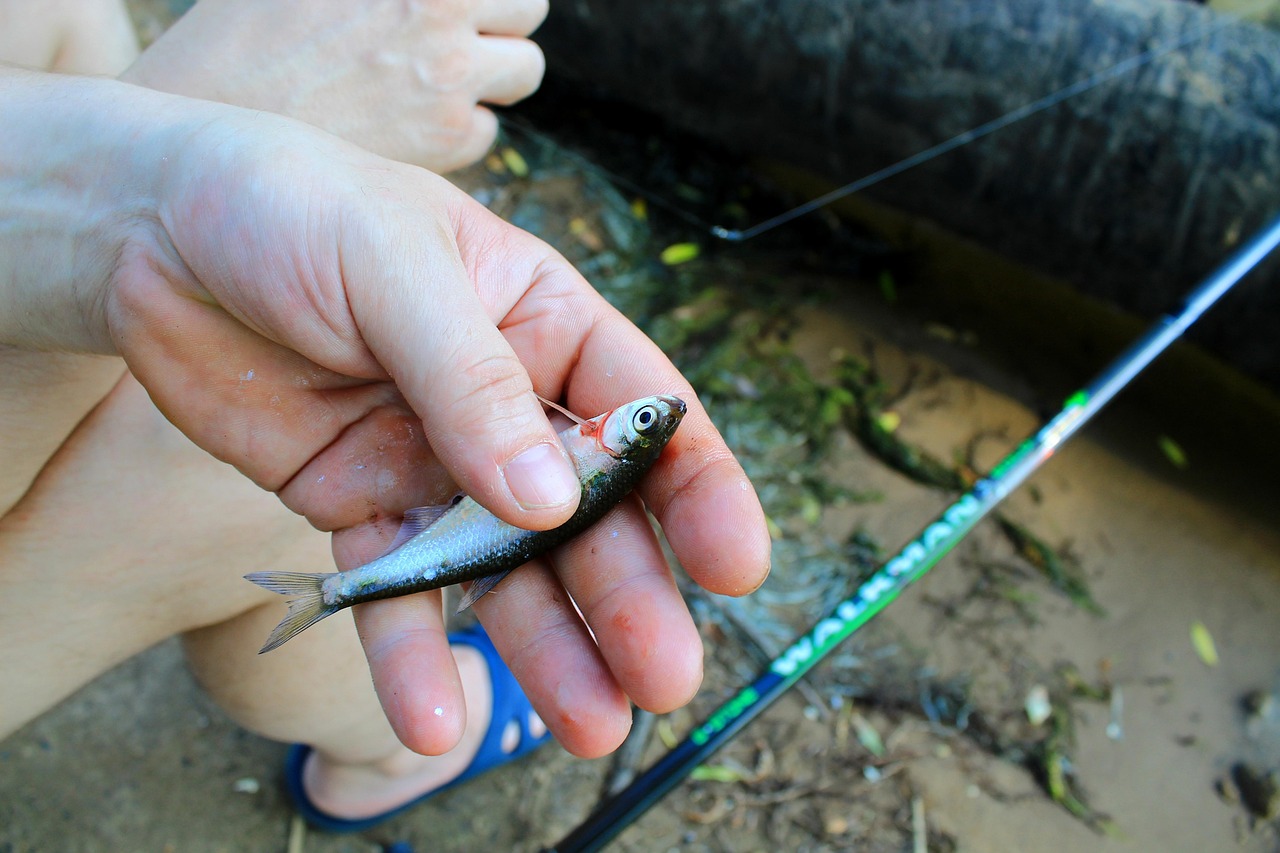
Learning to properly handle striped bass will ensure that the striped bass resource continues to be available for your fishing trips in the future. Striped bass can be released using pliers, and you should keep the fish in the water as often as possible while using pliers to remove the hooks from the fish. If you plan to keep the striped bass for dinner, the fish must reach the size and quantity limits for your area.
If you are fishing for catch and release, dont lift the fish by its jaw; support the body horizontally. Additionally, a quick dip of the caught fish into the water prior to releasing it will revive the fish and ensure that it lives; the striped bass that is released into the water today is the trophy fish that someone else will catch tomorrow. This cycle continues only if everyone does their part to protect the striped bass fishery.
These fundamentals will transform striped bass fishing from an occasional hobby to a lifelong pursuit. Striped bass are strong, the environment is stunning and the action when they are caught is addictive. Begin with the tides, the structure, the gear and your ability to remain observant of the water.
The next bite could be the best of your lifetime. Get out there and pay attention to what the water has to offer. The water will teach you the rest.