
Sit-in kayak fishing provides one of the most direct way to pursue fish. By fishing from a kayak designated for sit-in fishing, angler can sit low to the water’s surface, move quiet through the water, and reach areas that motorboats cant access. By understanding the basics of how to fish from a kayak in this manner, anglers of all experience levels can enjoy the best possible fishing experiences from a kayak.
By mastering a few important habits, the sit-in kayak will stop being a source of compromises and an area of disadvantages and instead become an advantage to the fishing experiences. Many beginner who start to fish from a sit-in kayak make a variety of mistake that stem from there previous experience with fishing from a bank or from a boat. These mistakes include ignoring the current in the water, forgetting the importance of using leverage with there kayak, and treating the stability of the kayak as unimportant.
However, the list of mistakes and how to fix them that was presented in this article allow for anglers to learn these skills quick. By implementing these tips into the next fishing trip, anglers will find that they spend less time fighting with their kayak and more time reeling in their catch.
Essential Tips For Successful Kayak Fishing
1. Selecting the Correct Paddle Length
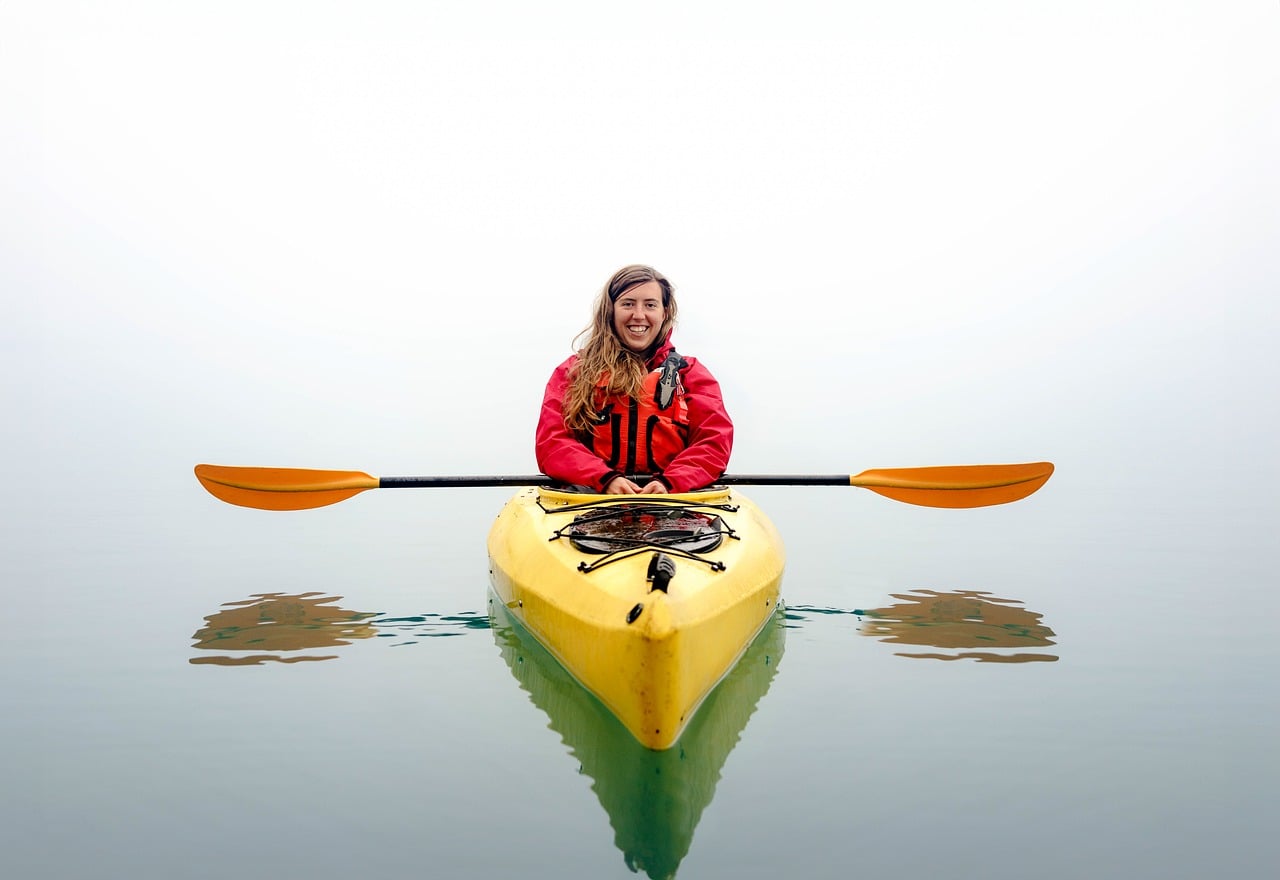
The length of the kayak paddle that an angler selects may seem to be an unimportant specification of the fishing kayak.
However, if an angler is to fish from a kayak for four hours or more, the length of the kayak paddle is an important selection. Most sit-in kayaks used for fishing require a paddle between 230 and 250 centimeter in length. The correct length of the kayak paddle will depend upon the angler’s height and the width of the kayak.
Using a paddle that is too short will cause the angler to hunch over while kayaking, leading to shoulder fatigue. Using a paddle that is too long may cause the angler to hit the hull of their kayak while rowing, scaring the fish that live in that area. Using a paddle of the correct length will allow the angler to maintain proper posture while kayaking and will prevent the blade from hitting the gunwale while recovering the paddle.
2. Choosing Paddle Material
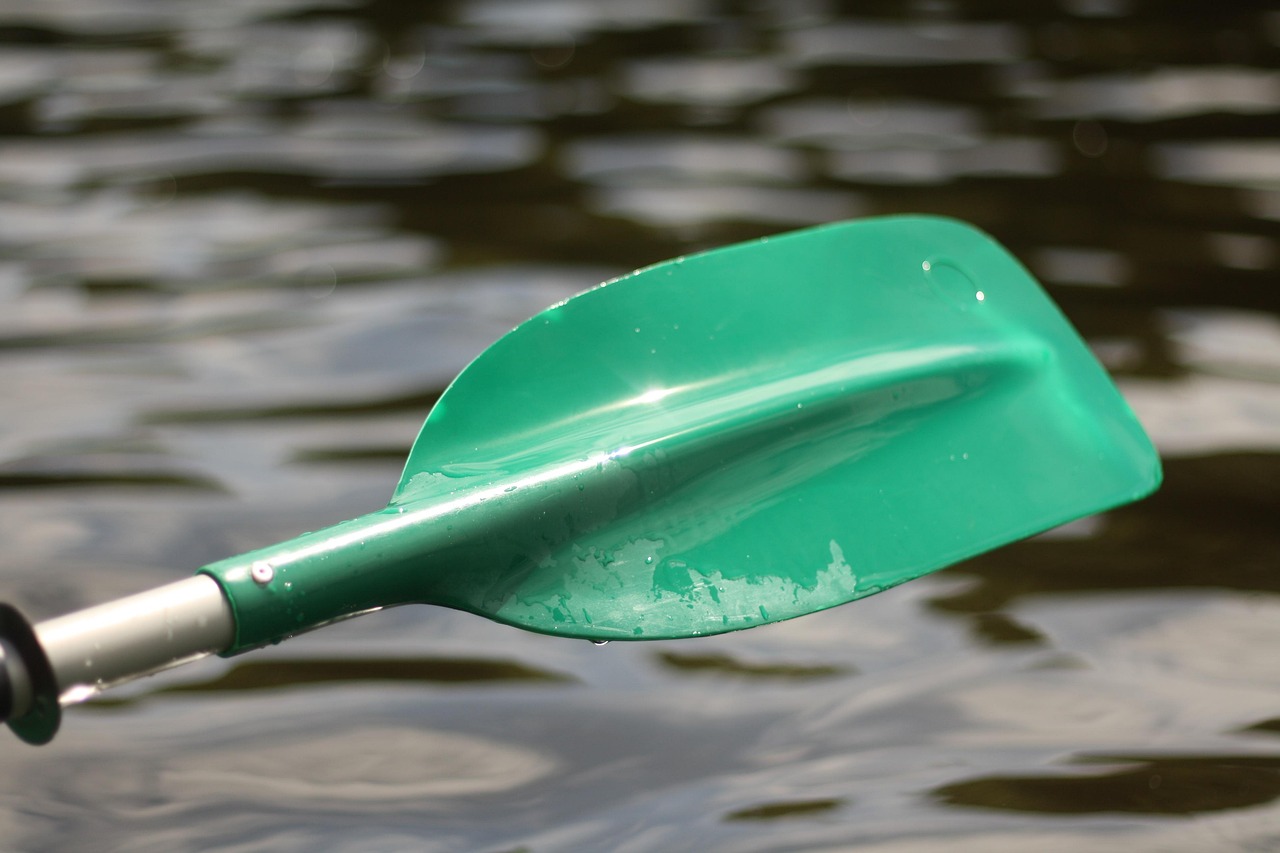
Carbon fiber kayaks are lighter in weight than fiberglass kayaks, and using a carbon fiber kayak paddle will reduce fatigue. However, using a fiberglass paddle will allow the angler to fish from their kayak while considering if they would like to continue the sport. Testing several paddle lengths at a kayak fishing shop will allow the angler to find the most comfortable kayak paddle for the angler.
3. Adjusting Seat Position
The position of the angler within the kayak can drastically impact the paddling experience. If the angler wants to increase the kayak’s stability when performing actions like casting or fighting a fish, they should slide their seat to the back of the kayak. However, if the angler wants to move more quickly from one area to another in areas with mangroves or flooded timber, they should move their seat to the front of the kayak.
Many anglers will ignore the position adjustments for their kayak after their first day of fishing with the kayak. However, a few inches on the seat can make a difference in the paddling experience of the angler. In addition to the position of their seat, anglers in sit-in kayaks with a raised seat can experience fatigue in certain areas of their body.
In these instances, a thin pad of foam can be placed inside the kayak on the angler’s seat to allow for comfort while fishing.
4. Using Anchors and Stake out Poles
Anchors are an important part of the kayak fishing experiences for those who plan to stake out in one spot for an extended period. Stake-out poles can be pushed into the mud to hold the kayak without making noise or moving like a traditional anchor.
5. Grapnel Anchors and Trolley Mounting
For those anglers fishing in deeper waters or in waters with currents, grapnel anchors allow the angler to set the anchor on the lake or river floor without digging into the substrate with their kayak. For these scenarios, the angler should keep the anchor line short to only twice the depth of the water. The line will not swing the kayak in wide arcs while fishing and will not scare the fish that live in the area.
Additionally, the angler should mount the anchor trolley on the side of the kayak instead of the bow or stern of the kayak. By mounting the trolley on the side of the kayak, the angler can adjust the point of attachment of the anchor to match the position of the current or the wind, allowing the kayak to remain pointed in the direction that the angler would like to fish.
6. Reading Water Currents and Eddies

Understanding how to read the current in the water and how to read the wind is perhaps the most important skill for those who plan to kayak fish.
Even the slowest tidal movements can move the angler’s kayak at a faster rate than they may think when they are preparing to cast. Anglers should learn to utilize the eddies that form in areas with points of land or logs beneath the water. Like a trout fisherman who is reading seams in the river, kayak anglers can use these eddies to move their kayak and bait into the water with the fish’s strike zone.
If the angler notices that the wind is increasing in strength, they can drop their anchor or beach their kayak and walk into the water. By fighting against the wind and the movement of the water while kayaking, anglers waste their physical energy. When they fight a fish, they have the energy necessary to perform this activity.
7. Seated Casting Techniques
Using different techniques to cast while one is seated in a kayak will allow for different results than if one were to stand on the boat deck while casting. When casting while seated, the angler should keep their elbow close to their body and use more movement of the wrist than the arm. While a long cast might look good for an angler, the movement of the body while performing the cast while kayaked will rock the kayak and alert the fish of the presence of the angler.
The best casting is accomplished with short casts made under overhanging branches. Rolling casts that end at the same level as the angler’s kayak will ensure the angler’s lure stays within the desired fishing area and the kayak remains in a stable position. If the angler hooks a fish, they should fight the fish with their rod tip low and to one side of the kayak to maintain balance with the fish.
If the tip of the fishing rod is high in the air while fighting a fish, the angler’s point of balance may be compromised. A smallmouth fish could potentially flip the kayak over if the angler fights with a high rod angle.
8. Organizing Fishing Gear
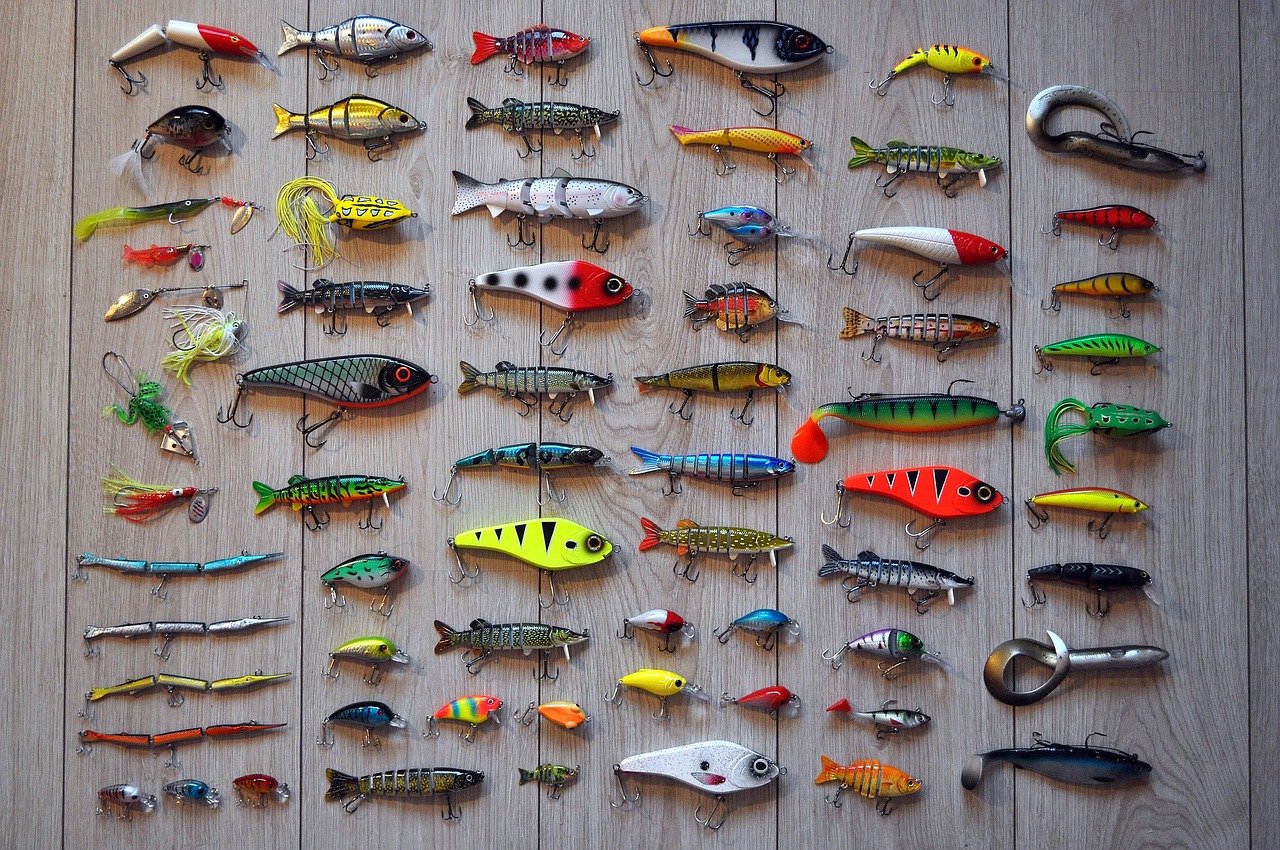
Organizing the angler’s fishing gear within the kayak will prevent the panic and frustration that is experienced if a fish swims beneath the kayak.
Small dry bags can be used to store fishing gear, as the gear will not move about within the kayak while the angler is leaned into one side. Pliers should not be stored within the angler’s hatch. Instead, the pliers should be on a retractable tether from the angler’s body.
9. Essential Fishing Tools
Using one hand to operate a fishing net while using the other to hold the fishing rod is a critical skill for the kayak angler. A foldable fishing net with a magnetic release will save valuable time when a trophy fish is struggling in the water. A giant tackle box should not be brought to the water by the angler.
Only a small tackle box that contains only the angler’s most popular fishing gear should be brought to the water. By leaving only essential fishing gear within the kayak, the kayak will remain light and the angler’s mind will be clear about the tasks necessary to complete during the fishing trip.
10. Launching and Landing Techniques
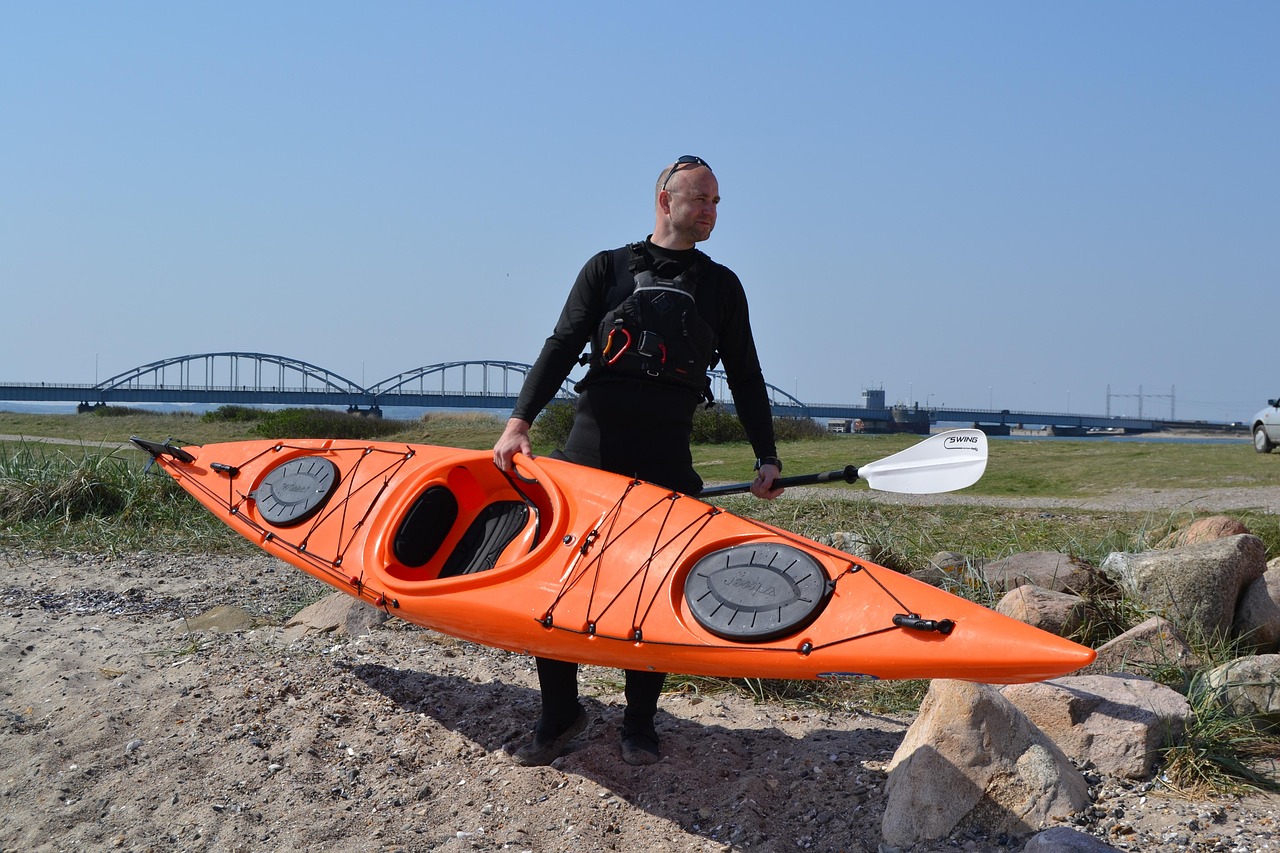
Launching a kayak into the water and landing it will determine whether the day’s fishing trip was a good one or not.
When launching into shallow waters or from the shore, the kayak should approach the shore at an angle rather than directly into the shore. Additionally, when stepping out of the kayak, the angler should step out with one foot first until they reach the shore with their second foot. Anglers who place both of their feet on the shore too soon will often see their kayak wash away and their bodies forced into deeper waters with the fishing rod in their hand.
If the angler is alone on the kayak, they should practice launching the kayak onto the shore when the water is calm. By practicing this skill on a calm day, the angler will not have to worry about it once on the water.
11. Safety Gear and Communication
The angler should wear safety gear and it should not be located within the kayak’s hatch.
The personal flotation device (PFD) that is worn underneath the angler’s fishing shirt will become uncomfortable after a few minutes of fishing. However, it may be the only item to save the angler’s life in the instance of flipping the kayak in the cold water. Items like a whistle, a waterproof headlight, and a bilge pump should be stored within an easy-access pocket.
The angler should tell at least one other person of the location where they plan to fish. Additionally, they should let that other person know of their expected return time from fishing. While most anglers have a cell phone with them, the battery may die or the phone may get wet.
Making a simple plan for where and when the angler will be on the water is still important. These safety steps may seem unnecessary now. However, in the event of an emergency, these safety items will be necessary to save the angler’s life and the kayak will be the only means of escape.
12. Standing Up in a Kayak
Standing up in a sit-in kayak while fishing is a skill that many anglers want to learn, but it is difficult to master when performing the activity. To stand up in a kayaks, the angler should place both of their hands on the gunwales of the kayak and move their weight from the buttocks to their feet. By placing both of their feet on the kayak, the angler should keep their knees slightly bent.
Anglers should focus on the horizon rather than their fishing feet. Once they are finished standing up, the angler should not stand wider than the kayak will allow. Any standing wider than the kayak will allow will remove the angler’s leverage from the kayak.
Kayaks with pronounced keels will allow anglers to stand up more easily than those with flat bottoms that feel as if the angler is trying to balance on a moving skateboard. Anglers should learn the “sweet spot” of their kayak before beginning to fish in shallow waters. If an angler becomes too far off of their kayak’s sweet spot, they may fall into the water with their kayak.
13. Post Trip Maintenance
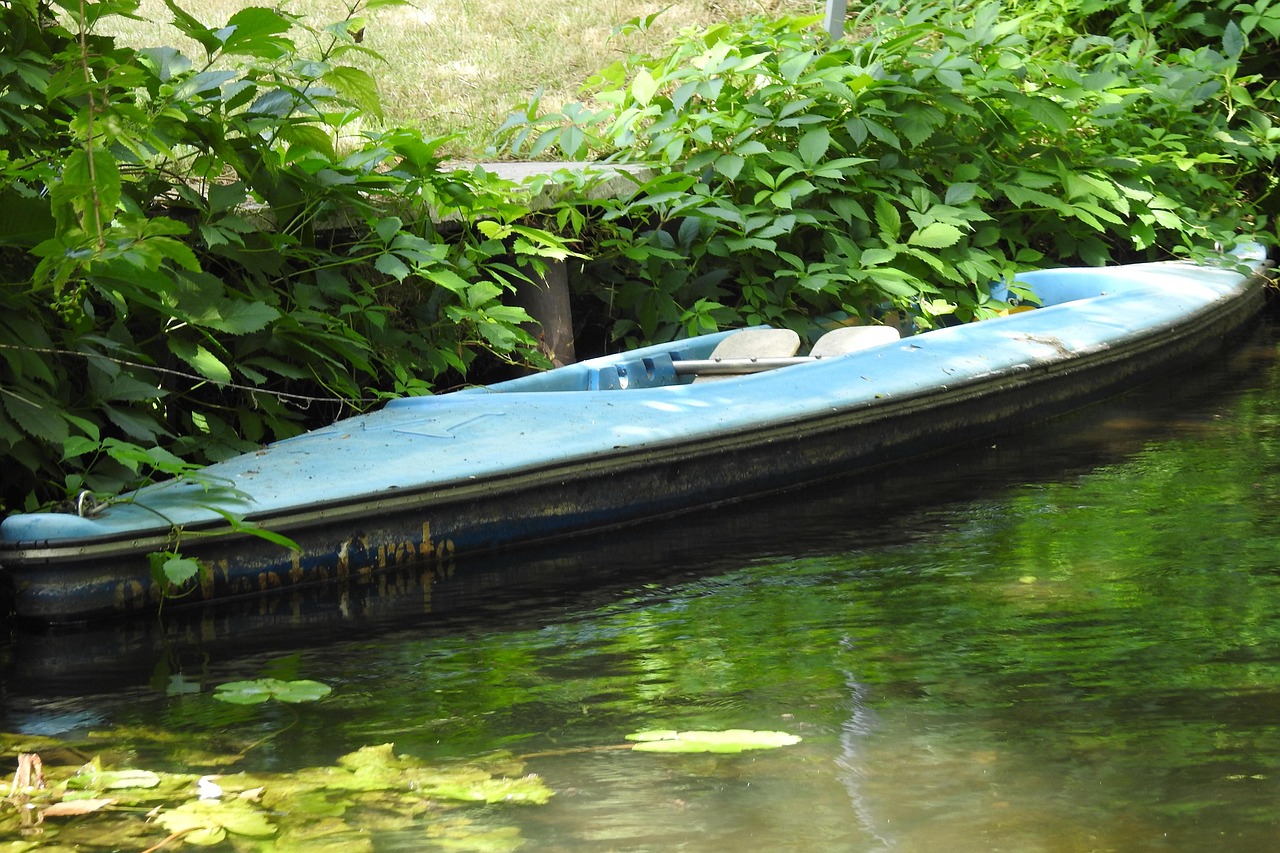
The last habit to master while fishing from a kayak is the performance of maintenance on the kayak after each fishing trip. The angler should rinse the hull of the kayak with fresh water, the angler should flush the scuppers of the kayak of any accumulated fish waste or mud, and the angler should dry the kayak’s seat completely. Salt and mud will eat away at the kayak’s straps and hardware if they are left behind.
By rinsing and drying the kayak after each fishing trip, it will be ready for the next trip instead of the angler spending the next few hours trying to fight the effects of neglect. These habits and skills will compound over time. Mastering the use of the correct length of kayak paddle will help an angler to better read the current in the water.
An angler who masters organizing their gear will spend more time fishing and less time searching the kayak for lost fishing tools. These habits will compound and allow an angler to master kayaking so that the sit-in kayak becomes the best fishing platform the angler owns. The water is located very close to the angler’s legs while fishing from a kayak.
Additionally, the fish will never see the angler coming while fishing from a kayak. That closeness of the water to the angler is the entire point of fishing from a kayak while seated in the kayak.