
Despite the fact that fishing bobbers may appear to be the simplest of all of the fishing gear that an angler can possess, such bobbers often make a significant difference in the lives of anglers who are watching their lines drift by without any purpose but who are also aware of the difference that such bobbers can make when a fish decide to eat the bait. A good fishing bobber will allow an angler to recognize the movements of a fish in the water from a distance of twenty feet. If an angler do not use a fishing bobber, the angler is essentially guessing where the fish are in the water.
However, if the angler uses the appropriate fishing bobber for the type of fish that are in the water, the angler is effectively having a conversation with the fish that are below the waters surface. There are a variety of different types of fishing bobbers that are available to those who would like to purchase such equipment. Each of the types of fishing bobbers will perform differently in conditions that may include wind, current, or no current at all.
For instance, some fishing bobbers are created for use with panfish in calm ponds but may not work well in rivers or the sea. By becoming educated about the different types of fishing bobbers available, anglers can ensure that they are not constantly battling with the fishing gear that they use to catch their fish. The types of fishing bobbers include round bobbers, pencil bobbers, slip bobbers, Thill bobbers, bubble floats, waggler fishing bobbers, and porcupine quill fishing bobbers.
Common Types of Fishing Bobbers to Use
1. Round Bobbers
An angler may use each of these different types of fishing bobbers to catch a specific type of fish in a specific type of water, with specific success rates. For instance, round bobbers are the most common types of fishing bobbers and many generations have used them when fishing for specific types of fish. Fishing with round bobbers may be a good start for new anglers who are just learning how to fish, but there are a variety of other bobbers that may provide similar benefits for anglers in the same situation.
2. Pencil Bobbers
Pencil fishing bobbers may be a great alternative to round fishing bobbers for anglers who are targeting specific types of fish. Additionally, anglers who wish to avoid alerting the fish of their presence in the water may use pencil fishing bobbers. However, pencil fishing bobbers may be more challenging to see from a distance, especially if the water is choppily.
As a result, anglers who use pencil fishing bobbers may choose to color code them to increase the visibility of the bobbers.
3. Slip Bobbers
Slip fishing bobbers are helpful for anglers who wish to set their fishing line to a specific depth. The angler can set slip fishing bobbers to the depth that the angler desires, and then the slip fishing bobber will remain in place while the bait continues to the bottom of the water without the need for the angler to adjust the line.
When a fish bites the bait, the slip fishing bobber will slide down the line to the bait on the hook. Slip fishing bobbers are helpful to anglers who wish to fish in deeper water. Slip fishing bobbers offer versatility when fishing, but require a certain knowledge of how to tie the slip fishing bobber correctly.
Anglers who master the use of slip fishing bobbers will likely wonder how they ever fished without these helpful floating device.
4. Thill Bobbers
Thill fishing bobbers, also known as spring fishing bobbers or steelhead floats, are helpful to anglers who fish for species such as steelhead and salmon, especially in rivers. The thin stem allows for incredible sensitivity when detecting when a fish has bitten on the bait.
Additionally, the bright color of the Thill fishing bobber remains visible in waters that are low in light and covered in foam. The thin stem and long fishing line allows anglers to detect if a fish has taken the bait without alerting the fish of the anglers presence.
5. Waggler Fishing Bobbers
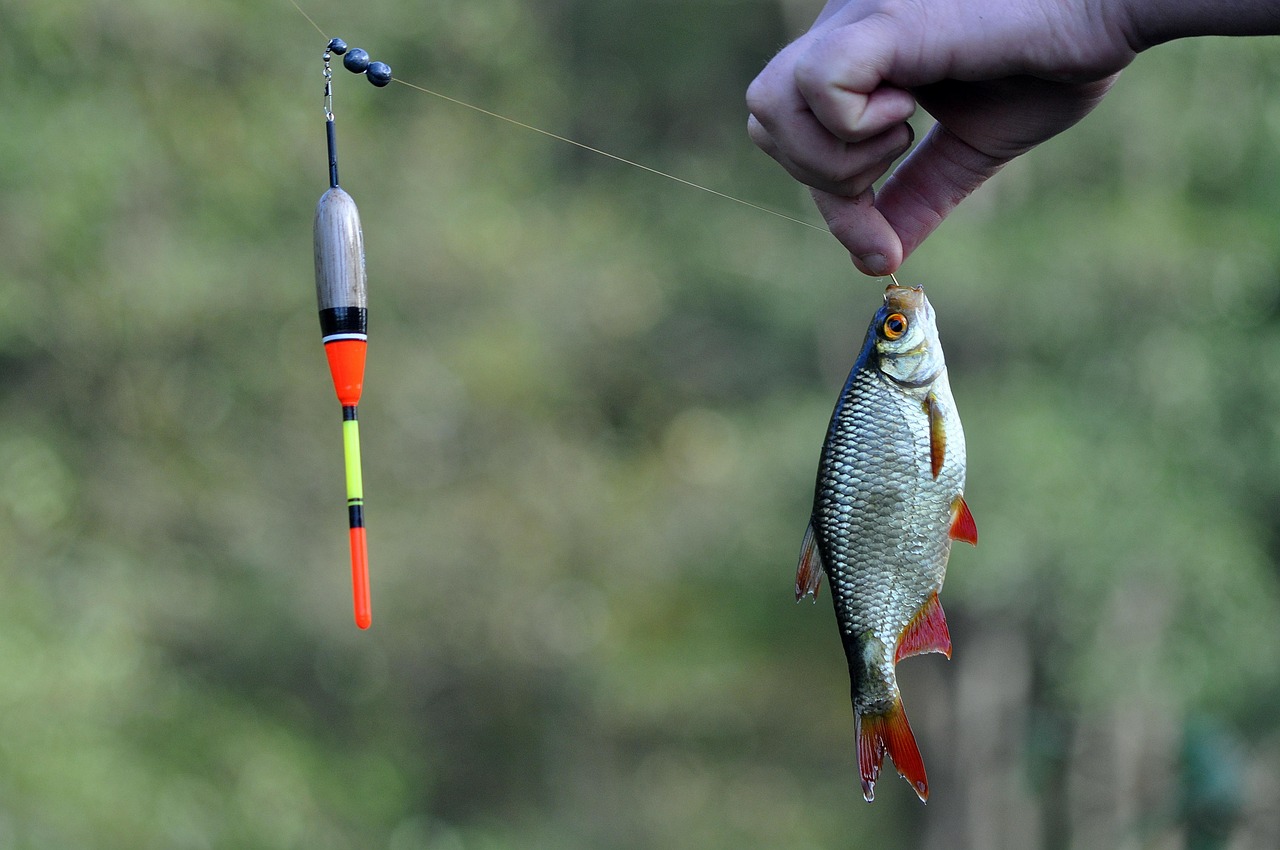
Waggler fishing bobbers are often used in European match fishing but have become popular with North American anglers as well.
The weighted base of the waggler fishing bobber allows the bobbers to remain steady in the wind or in currents. Additionally, the base of the waggler fishing bobber allows anglers to use less split shot to stabilize their line. Wagglers allow the bait to fall in a more naturaly way when caught by the fish, which is beneficial for anglers fishing for more educated fish species.
Wagglers are beneficial when fishing from a fixed spot; however, they may not be ideal for areas with heavy current.
6. Porcupine Quill Fishing Bobbers
Porcupine quill fishing bobbers are an old-fashioned fishing tool; however, many anglers still use them today. Synthetic materials mimic the same properties of the real quills in modern versions of porcupine quill fishing bobbers.
The slender shape of the porcupine quill fishing bobber offers no resistance to the fish when they bite on the bait. Both fly fishermen and bait anglers use porcupine quill fishing bobbers. Despite the benefits that porcupine quill fishing bobbers may offer to anglers, there are some major downsides to using these fishing bobbers.
For one, an angler who has stored them in their tackle box is likely to smash porcupine quill fishing bobbers. Additionally, the cast may snap them. Another issue with porcupine quill fishing bobbers is their weight; if not properly weighted, these bobbers will not effectively allow anglers to detect if fish have taken the bait.
Anglers who understand how to properly weight these fishing bobbers will find success when fishing with them, however if they dont understand how to properly weight the fishing bobbers, the angler will find themselves with a beautiful but uselessly fishing bobber on the surface of the water.
7. Bubble Floats
Bass fishermen often use bubble rigs that feature both a bubble float and either bait or a fly that trails behind the rig. To set up a bubble rig, the angler has to fill the bubble float with enough water to allow him or her to cast the rig without adding any additional weight.
The leader attached to the bubble float features a hook and the fishing bait. This type of fishing rig allows anglers to target fish that are cruising in areas beyond the fishing angler’s normal casting range. Bass fishermen often use live shiners as the bait for their bubble rigs.
Additionally, trout anglers drift nymphs behind their bubble rigs. The creation of the small bubble wake with the bubble float often draws in the fish that are cruising by, giving the fish a closer look at the angler’s bait before they spot the fishing rig. Due to the need to master the casting of bubble rigs to effectively use this fishing technique, they are not the first fishing tool that a beginner should of learn.
However, once anglers begin to explore bigger waters and target larger fish species, a bubble rig should earn a place in their tackle box. Regardless of the type of fishing bobber that a person selects, the water will eventually teach them which fishing bobber will work best for the specific body of water that they are fishing in. Factors like the wind, the light in the water, the mood of the fish, and the clarity of the water will change what might otherwise seem like the best fishing bobber.
The best anglers will have a small selection of their favorite fishing bobbers and will easily switch out their fishing bobbers when needed. Those just starting in the world of fishing should start with the round classic fishing bobber. Once they gain some experience with fishing, they can add a few pencil fishing bobbers and slip fishing bobbers to their fishing gear.
Soon, anglers will find themselves reading the water and knowing what type of fishing bobber to reach for without thinking twice. The moment when the angler first casts the fishing bobber into the water and begins to wait for the first movement of the fish is one of the purest thrill in the world of fishing. If a person gets the right fishing bobber on the fishing line, then the conversation between the angler and the fish can finaly begin.