
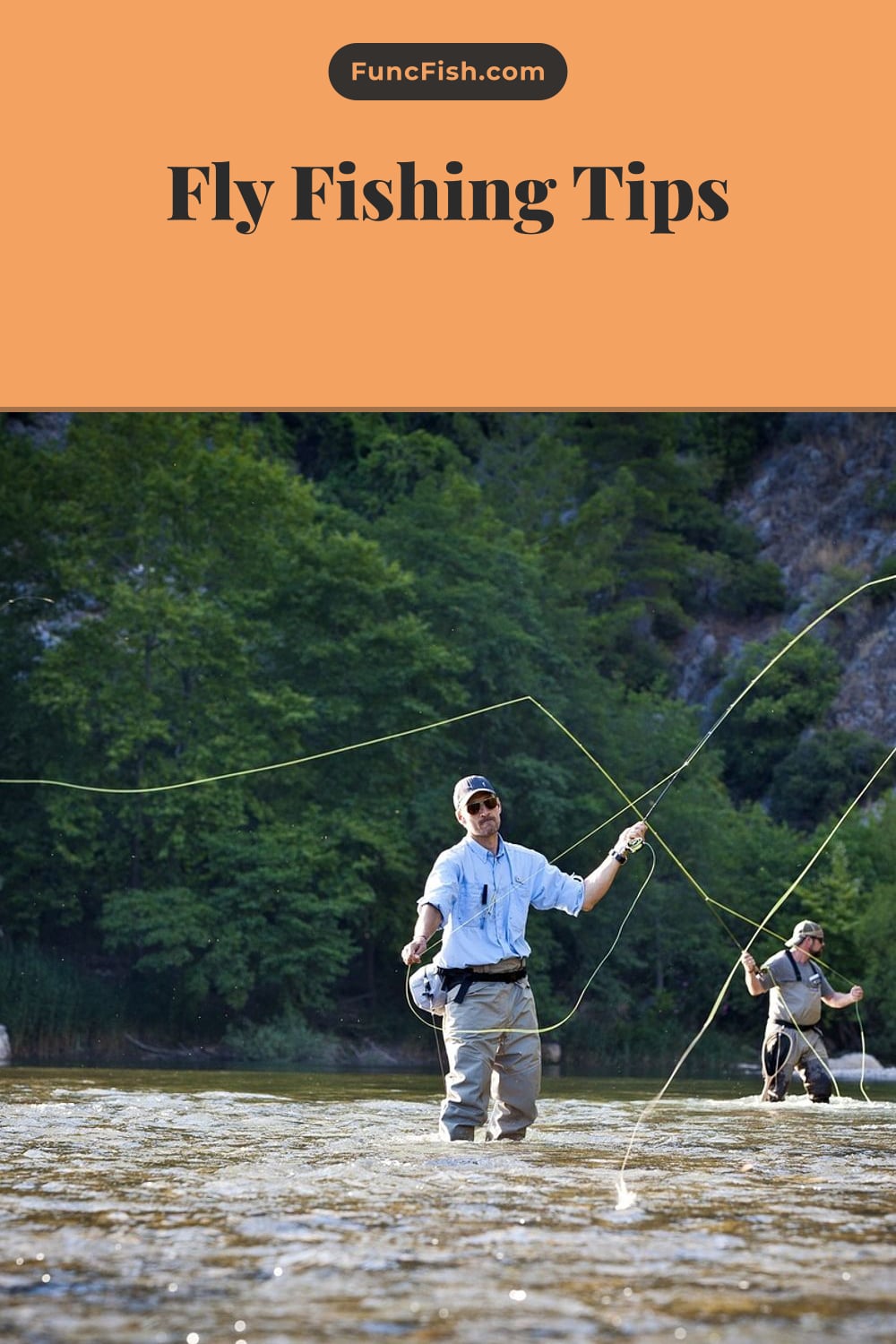
Fly fishing can become a permanent interest for a person. A person may spend a minute standing in a river and thinking about the next drift of a fly. Yet, that same person may develop a lifelong commitment to the sport.
A person who is committed to the sport will travel to different states and seasons to find trout to keep them hooked on the sport. Fly fishing require a person to be patient. Additionally, a person must take time to observe the trout in the river and to learn the skills required to master the sport of fly fishing.
These skills are what separate an occasional fly fisher from an angler who can succeed in reeling in trout. Many individuals believes that success in fly fishing comes with purchasing more fishing gear. However, success does not come from purchasing more gear.
Instead, success comes from mastering a few specific tips for the sport. These tips will be crucial for a person on they first few fishing outings to learn. The tips will range from the basics to the advanced tips of the sport.
Essential Fly Fishing Tips for Success
1. Matching the Hatch
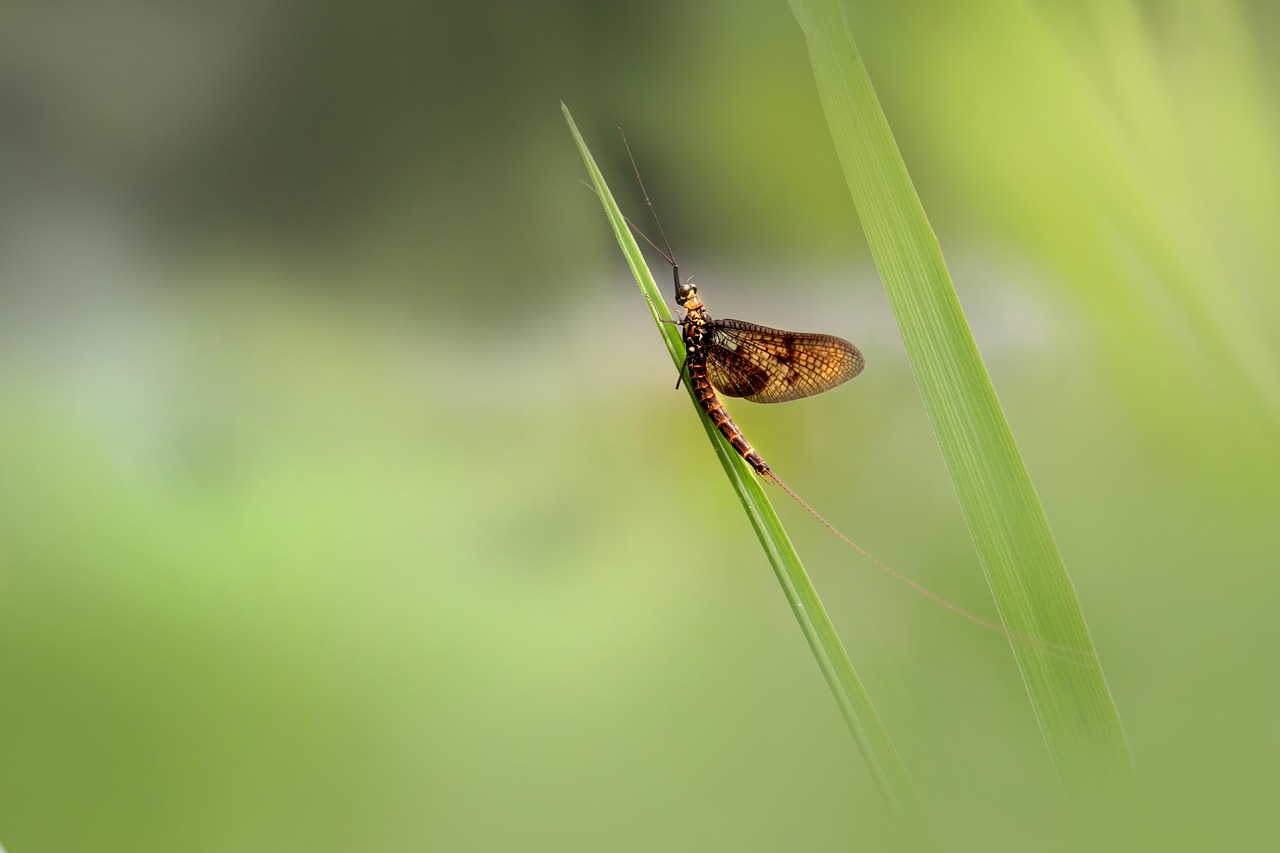
One of the first concepts that a person should learn is the concept of matching the hatch. However, the concept of matching the hatch becomes clear when a person watches as the trout eats on a mayfly yet ignores the other flashy flies that a person casts into the river. Trout are very picky eaters since the survival of the trout depends on them consuming the least amount of energy to eat.
A person should spend ten minutes observing the area where the trout live to determine the size and color of the bugs that live in the river. The person should use these observations to determine the perfect fly to use for maximum success. A person does not need to have a degree in entomology to understand these concepts.
However, they should have a magnifying loupe and a bug net to assist them in observing the bugs in the water. A person should use these fishing tips to find success in their first fishing outings. The next important concept of fly fishing is the cast of a fly line.
2. Mastering the Fly Line Cast
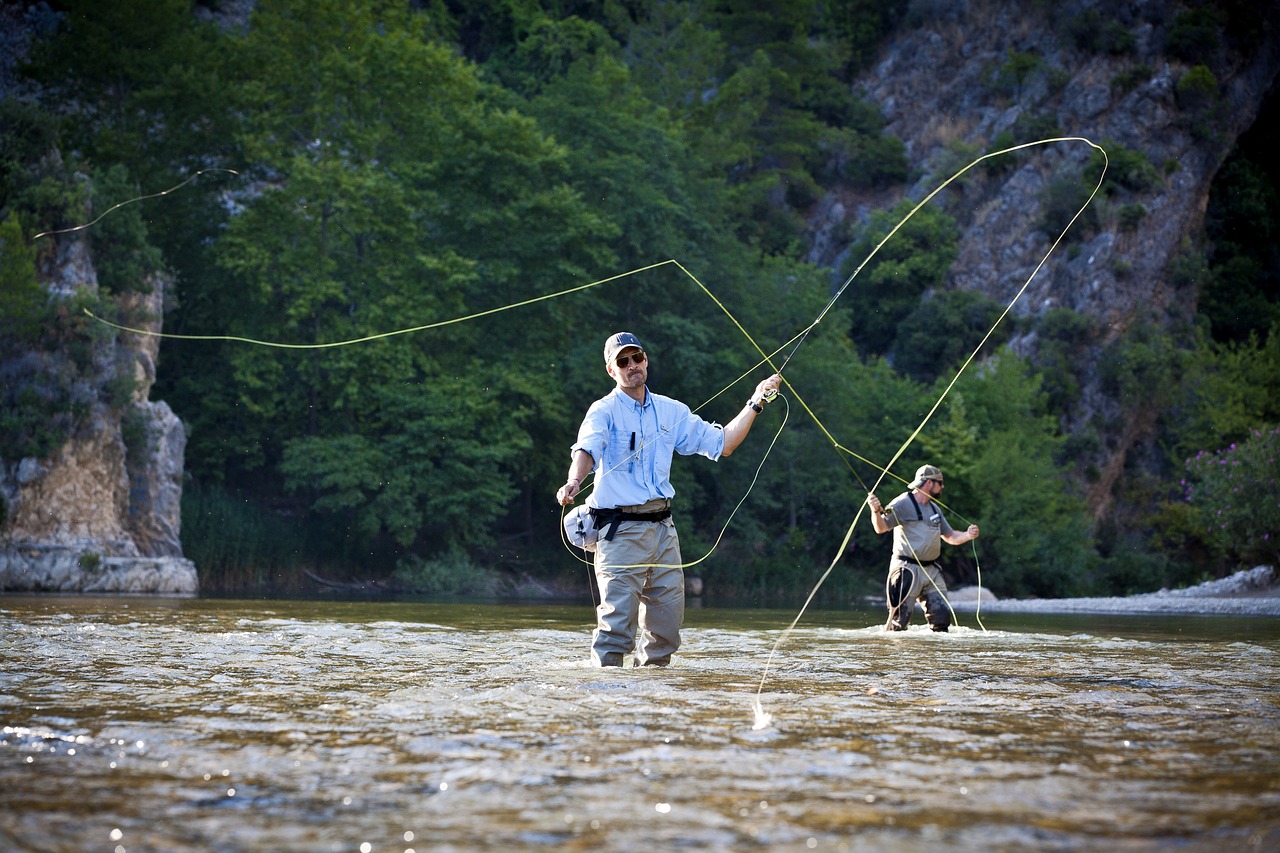
The cast of a fly line is more important than a person may think when they are first learning the sport. A person should practice their casts at home on the grass so that they can get good at placing the fly within one foot of a coffee cup at thirty feet. Additionally, when a person is on the river, they should work to make sure that their back cast is high and that their forward stroke is smooth.
Additionally, they should stop the rod at ten o’clock during the forward cast to allow the fly line to turn over smoothly. Many anglers waste their best drifts during their first two seconds after they land their fly on the water.
3. Mending the Line
To avoid this problem, they should learn to mend their line upstream to avoid the fly from getting tugged by the river current.
One mend will give them three extra second of drift. These three seconds can make all the difference in whether a fish will take a fly or not. Understanding the importance of reading the water may seem like a mystical skill.
4. Reading the Water
However, understanding the importance of reading water is as simple as understanding the basics of hydrology in the water. Trout will avoid areas with heavy currents since they have to fight against these currents throughout the day. Instead, they will seek out areas where food finds them with less effort.
Areas that a fish will seek out are seams, areas where fast water meets slow water. Additionally, there are areas in the river called pocket water behind boulders where fish like to take a rest. Additionally, there are tailouts in the pools where the fish will rest before they travel up the river.
Areas of slow water behind rocks will contain more fish than the deep center of the pool. Once a person begins to recognize these areas of the river, the river will no longer appear to be random bodies of water. Instead, the river will appear to be a buffet line with food for every eating fish.
A person should study the river and begin to think about where they would sit if they were a trout that wanted to avoid working too hard to find food. The fish will agree with the suggestions of where a person should fish. Stealth in fly fishing is a crucial component of the sport.
5. Maintaining Stealth
In many case, stealth is a skill that is twice as important as people realize. One of the first reasons that trout will ignore a person’s flies is because of their lateral lines that will sense the pressure waves created by an angler’s heavy footsteps on the riverbank. Additionally, trout have excellent vision for anything that is moving overhead.
For these two reasons, an angler should always fish in drab colors, avoid casting their shadow into the water, and move slowly while fishing like a heron instead of a linebacker. In some instances, it is better to stand farther away from the fishing spot and cast the line from a distance. Stealth is a crucial skill in fishing in smaller streams.
In smaller streams, placing one heavy foot on a gravel bar will start a panic in the fish for a twenty-foot radius of the stream. Therefore, a person should take an extra minute to figure out the stream that they will fish. They should move slowly into the water and keep their false casts low so that they do not startle the fish.
6. Selecting Proper Fly Types
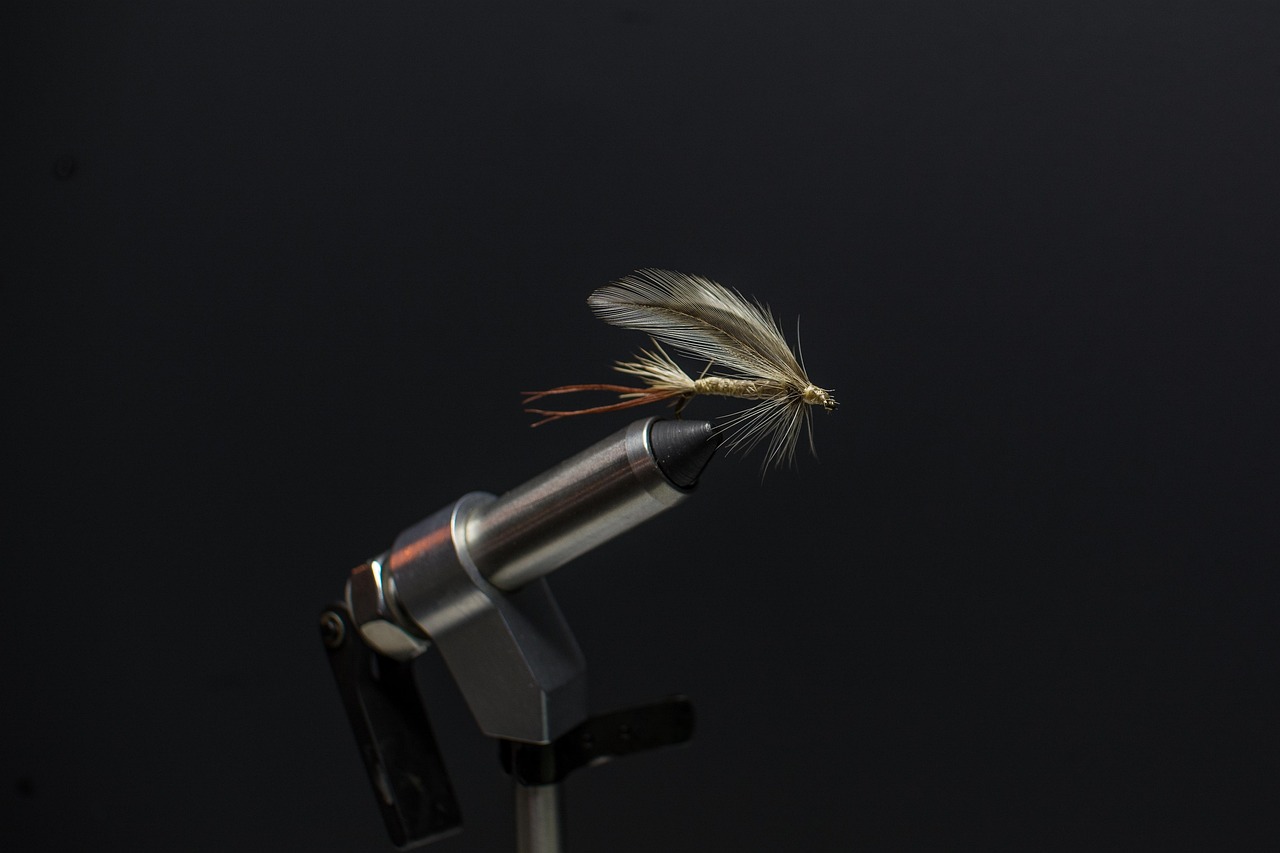
The third skill that a person should learn with fly fishing is how to select the proper type of fly. This skill may seem complicated at first. However, the best way for a beginner fly fisher to start is to have a few different types of flies that they can master instead of having just one of each type of fly.
A few different types of flies to begin with include an Adams fly, a Pheasant Tail nymph, a small olive woolly bugger, and a terrestrial pattern fly like a hopper or an ant. A person can learn how to fish these different types of flies in both wet and dry modes. For example, a Pheasant Tail nymph can be fished in a way that it drift in the water without touching the water’s surface.
However, it can also be fished to become an emerger that moves across the water’s surface. A person should become proficient in fishing these different types of flies before they learn how to fish more advanced flies. Additionally, it is better for a person to become better versed in these few flies instead of having to master many different types of flies at the start of their fishing career.
The real secret to fly fishing is having confidence in the type of the fly that you are using. When a person believes in the ability of a specific type of fly to catch fish, they will be able to focus better when they are fishing and will have a better drift of the fly into the water.
7. Fighting the Fish
Fighting the fish is a skill for which many people fail when they are otherwise great at the sport of fly fishing.
When a fish takes the fly, a person’s instinct is to fight to land the fish. However, they should not do this. A person should keep their rod tip high so that the flex in the rod will absorb the force of the fish taking the fly instead of the thin line.
Additionally, side pressure should be used on the fish to turn its head instead of fishing the fish in a straight line upstream. A person should allow the reel to perform its function when the fish begins to fight against the angler. However, they should always have their rods in contact with the fish to avoid having slack in the line that could allow the fish to escape.
An angler that is tired or does not have a well-adjusted drag system on their fishing line will lose more fish than an angler who is calm with a light tippet on the line. When a person is fighting a fish they should remember to breathe. They should remember that the fish is fighting against a tiny hook using its whole body.
Additionally, the angler should focus on the angles of the fish instead of the brakes on the rod. Finally, an angler should learn one last habit for when they have landed a fish. This habit is how to land the fish.
8. Landing the Fish Ethically
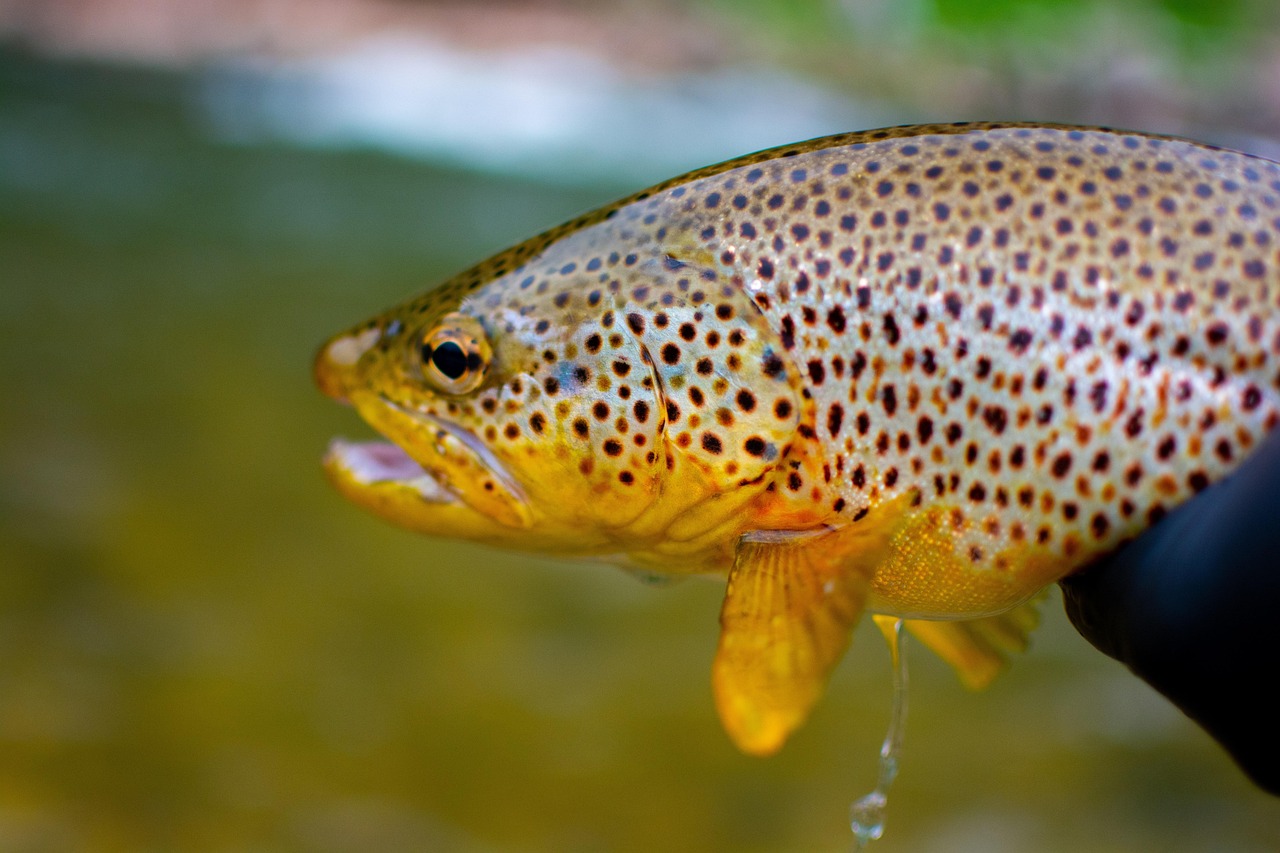
When a person lands a fish they should not try to lift the fish out of the water by using the leader of the fishing line. Instead, they should leave the fish in the water and use a net or their hand to support the weight of the fish. Before they touch the trout with their hand, a person should wet their hands so as not to remove the protective slime from the trout’s body.
When removing the hook from the trout, they should do it quickly while the trout is still in the water. Additionally, when the trout is removed from the water it will usually regain its strength in a few seconds while it faces the upstream water containing more oxygen. Each trout that is released into the river today will grow to become even larger the following fishing season.
This understanding of the life cycle of a trout is what transforms a catch-and-release fish into an ethical sport that all trout enthusiasts should follow. Fishing at the appropriate times of the year based upon the barometric pressure or the water temperature in which the trout live is not based upon superstition. However, it is very useful if a person tracks their catch at different times of the year.
Trout become active in the areas that they inhabit when the barometric pressure is falling which indicates a weather front is on the way. Additionally, trout will begin to actively search for food in the water when the temperature of the water is between fifty and sixty-five degrees. These times for fishing will be the best times to find the trout when the weather is hot and sunny during the summer months.
By understanding the importance of the weather in the area where a person intends to fish they will not waste their days on the river. A storm that ruins a picnic for the weekend can also provide the best fishing of the week if the angler is properly prepared. Additionally, practicing fly fishing techniques outside of the fishing season will aid in a person’s retention of those techniques.
For instance, a person can use a spot in their yard as a target and practice their casts into the wind. Additionally, tying flies can be mastered on a kitchen table while watching videos of others fishing. Additionally, reading books on fly fishing techniques or participating in online forums for fly fishing can teach a person how to execute the techniques when they go into the field to fish.
The difference between an average angler and an expert fly fisher does not lie in a person’s natural talents. However, the difference is in the number of hours that they think about fly fishing when they are not on the river. Each of these fishing techniques and habits will compound over time.
An angler who masters each of these tips will catch more trout. Additionally, the angler will find more enjoyment in each fishing trip. The fish in the river will notice the difference in the skills of an angler who masters these tips even if their fishing buddies do not notice a difference in their fish finds.
Therefore, the next time an individual stands on the banks of a river with a fishing rod in their hand they should slow down. They should take time to study the fish in the river and adjust their fishing techniques to improve their chances of catching a trout. The river is willing to teach any person who is patient enough to learn the sport of fly fishing.
All the river asks of an angler is that they leave the river in the same condition that they found it and that they make a quiet promise to return to the river in the future to fish in a smarter manner than before.