
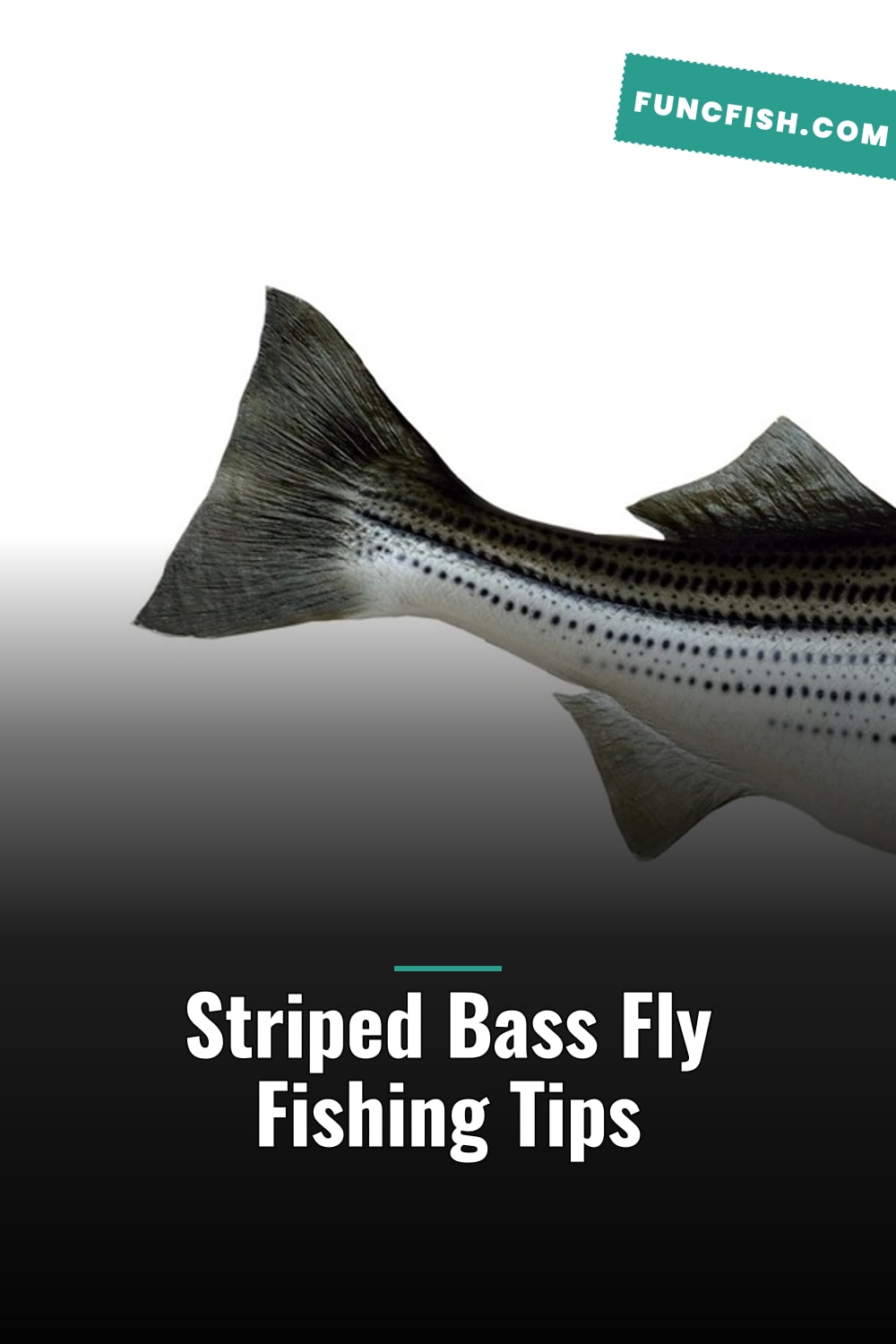
Striped bass is fish that will make a fly angler lose sleep. Striped bass can grow to sizes that test the strength of you’re fishing gear and your nerves. Striped bass are also species that can be incredibly pickily about what types of bait you use and what techniques you employ when you are fishing for them.
One minute the striped bass will be smashing baitfish on the surface of the water while the next minute they will be holding in deep waters while ignoring everything you cast past them. That is the type of species that many anglers continues to pursue while they are on the coast and fishing with a fly rod. Success when fishing for striped bass dont come from the purchase of the newest fishing rod or the most popular type of fly on the market.
Success comes from understanding a few habits and adjustments to the fishing process that will turn good days on the water into great days and bad days into manageable days. The following adjustments will help you to have success when you are pursuing striped bass with a long fly rod.
Essential Tips for Successful Striped Bass Fishing
1. Time Your Trips with the Tide and Moon
One of the first adjustments that you should make when you are fishing for striped bass is to time your fishing trip with the tide and the changing phases of the moon.
Striped bass are a species that tend to prefer water that moves and have a tendency to seek out these waters when they are feeding. A striped bass angler can target two hours on either side of the tide or the high tide. However, the best time to fish for striped bass is during the outgoing tide.
This is due to the fact that the outgoing tide will move the baitfish from the flats into deeper waters where striped bass tend to follow them. Additionally, the best phases of the moon to target are a few days past full or a few days past new moon. These phases of the moon produce the strongest tides and the striped bass are the most active during these periods.
Fishing during these times will save you the time that you would otherwise spend chasing after nothing but empty waters. However, the downside to this adjustment is that the best times to fish are during the inconveniences of 4 a.m. Or when the moon is below the horizon. Another adjustment is to use the appropriate line weight according to the conditions of the water that you are fishing in.
2. Use Appropriate Line Weight
Lines weights of eight is appropriate for calmer bays and for smaller fish. However, a ten-weight line will allow you to better handle the fish in open waters or when the fish begin to grow larger. Ten-weight lines will allow for heavy flies to be cast further into the water and it will also assist in the fight against twenty-five pound striped bass that may try to escape from your fishing spot.
Carrying two lines, one lighter and one heavier will allow for you to fish these areas until the wind comes or the striped bass change size. Next, understand how to read the water. Just like the striped bass, you must understand how the water moves.
Look for areas where the water currents encounters structure in the water. These spots will create eddies in the water that the striped bass will hold in while they search for their prey. Striped bass will hold in these eddies in depths of a few feet where baitfish congregate.
Look for these spots and present your fishing fly in a manner that it will pass through the seam in the water rather than dragging the fly across the seam. This will allow for the striped bass to find your fly. This skill is something that most people will miss if they fly past these areas of coastline.
Another adjustment to make is to master the skill of “matching the hatch”. Matching the hatch dont refer to the Latin names of the fish. Instead, matching the hatch is adjusting the flies to match the abundance of fish in the areas where they are holding.
For example, if sand eels is abundant in certain areas, use a slender fly that ranges in length to nine or ten inches in color olive and white. If the area features bunker chunks use wider profile flies like deceivers or clousers in colors of tan and purple. Additionally, if birds in the area is diving for silversides, use a six-inch fly or a bucktail.
When you see any type of baitfish in an area scatter from your location, tie to a fly that will mimic that movement. Next, adjust how you strip your line and when you strip. Using a hand-over-hand strip will work for some fish but when pursuing striped bass, a long pause between strips allow the fly to drop a few feet into the water.
3. Adjust Your Stripping Patterns
This mimics a dying baitfish. Additionally, use short strips and long strips with a pause at the end to mimic other types of bait that live in the areas where the striped bass live. The fish will tell you which type of strip they prefer within the first ten minutes of fishing.
Once you find the correct strip pattern continue using that same pattern until the fish begin to become bored of the pattern and then switch to another strip pattern. Use a loop knot to attach your flies to your line. This provides your flies with the freedom to move side to side as you strip the line.
4. Use Loop Knots for Fly Freedom
Additionally, the loop knot keep the fly pointed downward to avoid snagging on rocks in the water. While it may seem like an extra thirty seconds work when you tie your flies, these thirty seconds will save you time and effort every single fishing trip. When you see a striped bass take a natural fly movement rather than one that is pulled off of its axis, you will understand why using loop knots is a necessity when fishing for striped bass.
Next, when the striped bass become too difficult and crowded in your favorite spots, fish during the night bite. During the daytime, striped bass may be sleeping due to the number of other anglers and the bright sun in the sky. During the night, when the striped bass move into the shallows and become less cautious of the water, fishing with surface flies will be very effective.
5. Fish the Night Bite

A large crease fly can be walked across the flats at night when the stars shine to trigger a violent attack from the striped bass that you will feel but dont see. Since visibility of your line and your fly isnt possible at night, you will need to adjust how you strip your line and rely on the feel of your line to guide and find your spot in the water. Using a headlamp with a red lens will help both you and the fish because the red lens will preserve your night vision and the fish will not spook when you enter there water.
However, the downside of fishing at night is that your visibility will be limited. Bring the appropriate footwear and clothing when you go to the water. Using neoprene booties that has good traction will allow you to wade into the areas of interest without too much trouble.
6. Wear Proper Gear for Comfort
Additionally, a rain shell will help to protect you from the elements and allow you to focus on the water. The weather can drop twenty degrees between the afternoon and midnight. Any time that you spend getting ready or shivering is time that you are not fishing.
Thus, being comfortable while on the water is both a necessity and part of your strategy. When fighting the striped bass, keep the fishing rod high and the line clear of the reel. Striped bass tend to make long runs for the bait that will easily spool your reel.
By holding the rod high and the line away from the fish, the striped bass will not spool your reel while you are fighting it. Use the drag of the fishing reel rather than trying to horse the striped bass. The drag will tire the fish out more quickly.
When the striped bass is ready to be netted or land, lead the striped bass to shallow waters or a break in the current so that the striped bass can rest in an upright position. Taking a few quick photos with your striped bass and gently releasing it back into the water will ensure that the striped bass population in the area remains healthy for the next angler. While none of these habits will guarantee that you will catch a striped bass on every fishing trip, these habits will tilt the odds in your favor.
Furthermore, these strategies will turn random fishing trips into more deliberate fishing outings. The next time that you are standing on the beach with your fly rod in your hand, run through these strategies and consider the striped bass doing the same. Thus, if you get the details right, they will be there when the striped bass commit to the bait that you have cast into the water.