
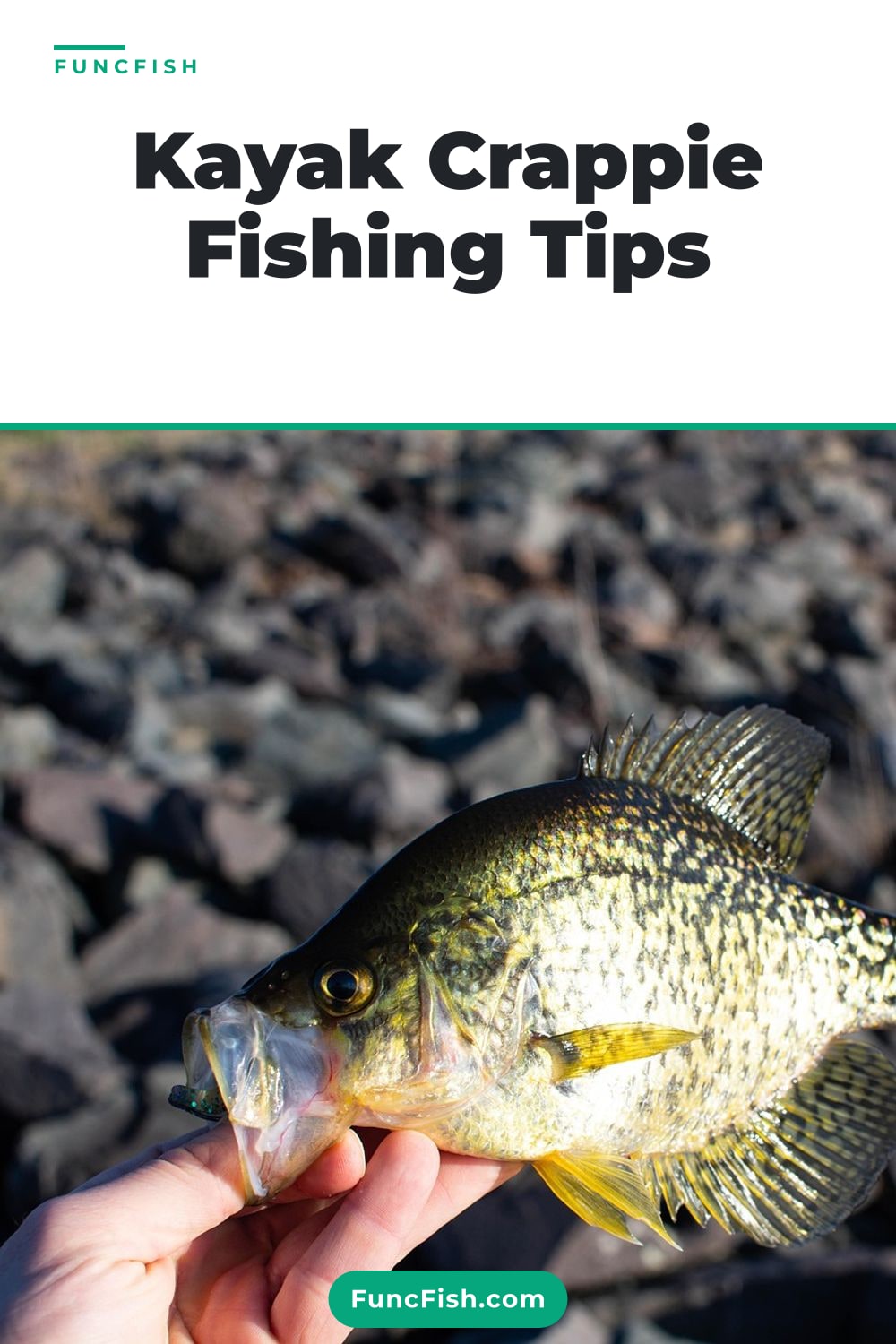
Kayak crappie fishing provide a very pure form of angling pleasure for a person. A person can sit at a low position near the water’s surface. Moreover, a person can move into small pockets of water that most boat angler cannot reach.
Furthermore, a person can stand in these spots and wait for the fish to come to him or her and inhale the jig. Therefore, kayak crappie fishing reward a person for his or her patience and precision with a few hard-earned tricks to catching multiple two-pound fish. Crappie fish in a different way when a person approach them from a kayak.
A kayak has a relatively small footprint that does not spook the crappie fish but also does not allow for mistakes to be missed by the angler. Yet, success for the person come from understanding how all of these small details in kayak crappie fishing add up to a successful day’s fishing. These insights have been gathered from hundreds of morning drifting over submerged brush piles while the electronics on the kayak begin to light up with arches indicating the presence of crappie fish.
Effective Tips for Kayak Crappie Fishing
1. The Right Fishing Rod
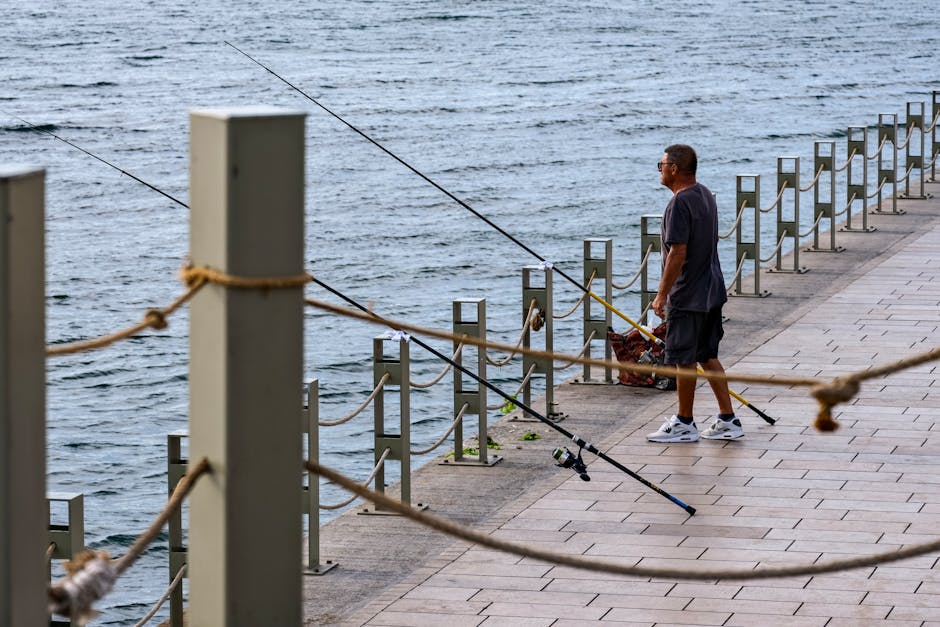
One of the best ways to begin kayak fishing for crappie is to use the right fishing rod. Fishing rods in the range of 6-foot, 6-inch and using light-power spinning fishing rods has sensitive tips that allow people to detect when the fish take the bait but have enough backbone to pull the fish out of their hiding spots. Longer fishing rods are awkward to use when a person is in a seated position on a kayak.
Use fishing lines that weigh 8-pound-test fluorocarbon fishing line because it will not be visible to the spooked crappie fish and it can absorb some of the head shakes that fish will make when they are caught on the line. This fishing equipment may not look the best but it works for a specific reason. After selecting the best fishing rod for a kayak angler, the next trick to success is to master the art of vertical jigging from a seated position.
2. Mastering Vertical Jigging
Since a kayak angler will likely be directly above the crappie that are being targeted, the angler will want to use a 1/16-ounce jig tipped with a curly-tail grub that is dropped to the bottom of the fishing spot. Use tiny lifts of the fishing rod’s tip. The crappie fish will suck in the bait without the bait moving and the angler will only feel the slight sideways tick or the softness of the rod when the crappie take the bait.
This is the perfect time to set the bait hook into the mouth of the crappie fish. Anglers that miss the crappie fish typically wait for the tap that the fish makes with the tip of their lure but instead should of reacted to the slight tick or softness of the fishing rod tip. Another important piece of information about the kayak positioning system is that anchoring in conventional spots can spook the crappie fish when in shallow waters.
Instead of conventional fishing anchors, use a stake-out pole or a drift sock to hold the kayak so as not to make noises with the anchor. Position the kayak so that it will drift over the area of interest instead of struggling against the current. When crappie fish are suspended at eight feet in twenty feet of water, a kayak will drift over the area instead of having to reposition the kayak every thirty seconds.
By using these positioning techniques, an angler will be able to successfully catch multiple crappie fish without having to spend all of the fishing time in one spot. Many people may not think of using electronics while fishing from a kayak but the use of electronic fish finders can increase the success rate of a fishing trip. Use a compact electronic device with side-imaging functions to scan the water ahead and drop waypoints on the areas with the most number of brush piles.
3. Using Electronic Fish Finders
Use the eyes to focus on the electronic screen while using the fishing rod. If the screen indicates that there are hooks present ten feet from the bottom, pitch the fishing jig six feet in front of where you are drifting to ensure that the bait lands on the crappie fish. The technology will not catch the crappie but will save time wasted searching for crappie with no success.
Color is another important aspect of crappie fishing that many fish anglers do not consider important. Use colors that will naturaly mimic the crappie fish’s favorite food when the water is very clear like smoke with silver flake and olive colors. Use bright colors like chartreuse and pink if the lake are stained with another substance.
Carry at least a dozen different colors and be prepared to change the color of the fishing lure every twenty minutes until the crappie fish begin to strike at the bait. The reason that color is so important is because the proper color will trigger the crappie to begin to bite on the lure. Another trick that an angler can use while on a kayak is to time his or her fishing trips to coincide with the spawn of the crappie fish.
4. Timing the Spring Spawn
During the early spring, the male crappie will migrate to waters that range between two and six feet in depth as they search for locations to build their nest. Approach these areas slowly but look for the shadows of crappie fish that reside against the lighter areas of the bottom of the reservoir. Use a jig with a small twister tail to slowly swim the bait in the water above the nest as the male crappie is protective of their nest.
By striking at the male crappie in this manner out of aggression they will bite at the bait. If one male crappie is located, others will be nearby so they can be targeted as well. This time of year lasts only a couple of week but will yield the largest number of crappie fish of the season.
Another important aspect of crappie fishing from a kayak is understanding the direction of the wind. Crappie fish will hold in certain areas of the water based off the direction of the wind. Position the kayak on the downwind side so that the kayak will drift along the breakline of the crappie fish.
The drift speed should be one to two tenths of a mile per hour. Any movement of the kayak that is faster than this will spook the crappie fish as the jig will not be able to move at the same rate as the fish. The chop that the wind will make on the water’s surface will also break up the angler’s silhouette on the water’s surface so that crappie fish will not notice the angler in the kayak.
5. Exploring Submerged Trees
Another trick to successful crappie fishing is to become very familiar with the submerged trees in the area where the fishing trips will occur. The best type of submerged trees have horizontal branches of the tree that is still intact. Fish from the outside of the trees and then work in towards the thicker parts of the trees as the sun rise.
A kayak angler can move the bow of the kayak right up next to the submerged tree and drop the fishing jig right down to the far side of the trunk where the fish will find it difficult to see the angler and will bite on the lure. When angling from a kayak, use smooth strokes with the kayak paddles because any splash will end the fishing trip. Another important aspect of crappie fishing is to pay attention to the water temperature in the area where fishing will occur.
Crappie fish will begin to become active in waters with temperatures in the low fifties but will be most active at around fifty-eight degrees. During the late fall, crappie will be found in deep ends of creek channels and can be targeted by kayak anglers when drifting along the edge of these deep channels. The crappie that are in cooler water will have a tendency to take lighter jig ranging in size to 1/32 ounce in size and will have a stinger hook added to the bait to catch these crappie that make short strikes at the bait.
6. Essential Safety Gear
Safety while fishing from a kayak is just as important as the number of fish that are caught. A quality padded seat for a kayak will allow the angler to spend many hours on the kayak without complaining of back pain. Wear a personal flotation device when on the water that allow for arm movement during fishing instead of bulky offshore models.
Keep a dry bag near the angler in case of an emergency or to reach for fishing pliers or a measuring tape. These may seem like small comforts but they are important when fishing from a kayak that is three miles from the ramp where the best crappie can be found. Stealth while fishing from a kayak is another trick that an angler should learn and practice as if it were a religion.
Crappie fish have excellent hearing and will be able to detect the entry of the kayak into the water from thirty yards away. Use slow, sweeping strokes for the kayak’s paddle to avoid the splash that can alert the fish of the presence of an angler in the kayak. Stop paddling when approaching an area of interest to the angler but the crappie will not know of the presence of the person until the angler begins to jig for the crappie fish.
This surprise element to the crappie is what makes this sport of fishing from a kayak so enjoyable. Each of these idea can be implemented onto the water. However, master the art of the quiet approach first, then the jig stroke, then the electronics while on the kayak.
Soon, kayak anglers will find themselves in the same spots as the crappie fish that are targeting the bait and will soon feel the line of the fishing rod and the thump of the fish that has just gone to the boat. These crappie have been in these locations for some time and the kayak angler has finally learned the trick to the crappie fish.