
Beneath the steel gray sky, whose color match that of the river, your breath forms a fog in the air. Your fingers begin to ache inside the thin gloves that cover them. Most anglers has removed their rods from their boats and stored them in the corner of their fishing sheds.
However, a few anglers continue to fish in these conditions since winter fly fishing can be very rewarding. There are no crowds of anglers on the river this time of year as most of the peoples has vanished on vacation. However, the fish are wary of anglers and the weather is difficult to fish in.
Still, each hookup that an angler experiences is a great accomplishment earned through dedication to the sport of fly fishing. Cold weather alter the behavior of trout in the river as well as the fishing techniques that must be applied to the trout to catch them. Using the same techniques that anglers employ in the summer will result in anglers catching no fish at all while feeling cold from the effort that they expend on the riverbank.
However, if the angler makes a few adjustments to there technique, they will experience a successful day of fishing. There are some principles that separate dedicated winter anglers from those that sit at their fireplaces with there evenings. The most important principle that anglers should employ when winter temperatures drop into the twenties is to wear layers of clothing.
Essential Tips For Successful Winter Fly Fishing
These layers will include a thin layer that is worn next to the skin, a mid-weight fleece garment, and a windproof shell jacket that will protect anglors from the spray that the river eject. Many new anglors make the mistake of wearing a bulky coat that can lead to excessive sweating. When the anglor stops moving, the sweat on their body will begin to turn cold.
1. Modular Clothing Systems
Instead, anglors should wear a modular system of clothing that can be added or removed based on the changing temperatures. This system of clothing will ensure that the blood circulate properly to the extremities. Anglers should pay special consideration to their feet since numb toes can quickly end a winter fishing trip.
Wool socks can be worn with the neoprene or insulated boot-foot waders. Some anglors place chemical hand warmers into the top of the fishing socks. These chemical products retain their heat for many hours and are very inexpensive to purchase.
The insertion of these warmers into fishing socks is a small investment that provides an angler with a benefit whenever the air temperatures drop to the freezing point of water. Matching the hatch is a crucial element of good fly fishing as it becomes even more important when there are no insects to match in the winter months. In the winter, the insects that trout target are midges, mayflies, and stonefly nymphs.
2. Matching the Hatch with Midges, Mayflies, and Stonefly Nymphs
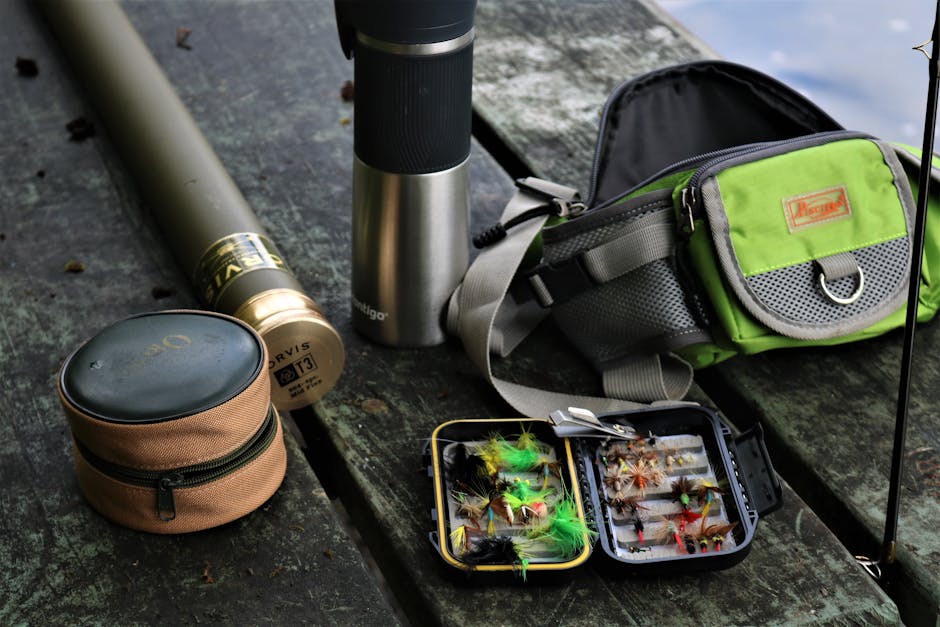
Anglers should carry a variety of fishing flies in sizes from 18 to 24 in colors black, olive, and cream. Flies like a Griffith’s Gnat or a zebra midge might seem small and insignificant when viewed with the aid of a fishing vise, but these flies can be very effective when they are cast into the water. These flies should be cast so that they drift to the bottom of the river to where the trout gather in the cold water.
3. Small Flies: Sizes 18 to 24
Trout will take these flies in a very subtle fashion such that all that will happen is the fishing line will tugged very slightly or the fishing line will move sideways. Strike detection require some skill when winter fishing as the eating action of trout is slow and does not have the explosive nature of when the trout are eating in the spring and fall. Anglers will miss fish if they are waiting for the fish to present a particular signal.
4. Subtle Strike Detection Techniques
Instead, anglors should focus their vision on the leader of the fishing line where it enters the water. A slight twitch or a pause in the line that lasts for half a second or less suggests that a trout has taken the bait. In response to this signal, the angler should set the hook on the trout in a gentle fashion.
If an angler overreacts to a trout that barely took the bait, the hook will be pulled from the trout’s mouth. The type of fishing rods and lines that are used in winter are entirely different than the lines and rods that are used in the summer. For example, an angler might use a 9-foot 5-weight rod in July.
However, a 5-weight rod will feel like a broomstick in the winter when fishing with gloves on. Instead, winter anglors prefer 4-weight or 3-weight rods. This allows for better presentation of the fishing line into the water.
Furthermore, smaller rods allow for better protection of the fishing leaders so that they are not too prone to snapping when the fish is hooked to the line. Fluorocarbon fishing line in a 5X or 6X size will hold up better in winter water than nylon fishing line does. Fluorocarbon line has less memory and it will sink faster in water.
Extra spools of fluorocarbon line can be kept in an inside pocket of an angler’s jacket so that the line will remain pliable with the angler’s body heat. Winter fishing locations are very important because the temperature of the water ranges between the low forties. Trout seek out the softest waters in the area.
Furthermore, trout will seek out water that has food in it. Anglers should target deep pools, long runs of water that have broken currents, and the tailouts of the riffles. Avoid fast and shallow water where trout do not reside.
Water on the south-facing banks will be warmer since it will receive more sunlight than the other banks of the river. Instead, in the late evening when the sun goes down, target areas of structure in the river so that the trout can hold in the water instead of fighting against the current. Patience is a virtue when winter fishing.
Anglers might spend two hundred casts into the water without hooking a single fish. Then, after a while, they will land there fish. Winter fishing requires anglors to establish a routine and to focus on the area that they will fish.
Trust that the trout are in the area. The best fishing days for winter are typically experienced after many hours of anglors fishing with no success. After many hours of fishing, the trout will begin to show up in the water and will eat the bait that anglors cast into the water.
Warming up requires skill and practice. Anglers should always keep a thermos of coffee or soup in their truck. It is even better to bring a small backpacking stove that allows anglors to heat water for instant ramen or tea.
5. Staying Warm with Hot Drinks
Taking time to consume something warm when returning from the river will reset the body’s temperature and will clear the mental fog that they experienced while being in the cold weather. Anglers should change into gloves whenever their gloves become wet from the river. Wet hands will lose heat twenty-five times more faster than dry hands.
Furthermore, if the angler experiences numbness in their fingers, it will take time for that sensation to return. Anglers should have two pairs of gloves to rotate between when fishing so that the angler can stay warm in the cold winter weather. Safety should be the primary consideration for anglors when venturing into the river during the winter.
6. Safety and Emergency Preparedness
Hypothermia is a condition that can happen quietly and without warning. If anglors begin to shiver in the cold while on the river, or if they make mistakes with the tying of the fishing lines, it is time to leave the water. Anglers should always tell someone where they are going to fish and when they will return.
Anglers should always have a lightweight emergency blanket and a whistle in their fishing vest so that they can assist with any emergency situations. Falling into deep water in January can turn into a situation that is difficult to manage very quickly. While the fish are always in the river, the angler must be alive to pursue them.
When reading the water during the winter months, the cues are entirely different from the cues that are used when the water temperatures are higher. Anglers should pay close attention to the seams in the riverbed where fast currents meet slow currents. However, these seams in the winter will be much narrower and closer to the shore than the summer months.
Bubbles that appear on the water’s surface indicate that the water below is softer and fish are in those areas. Darker water indicates that the water is deep and the deep water is warmer than the surface water. These observations will allow anglors to become successful fishermen during the winter season.
The last hour of sunlight during winter days will provide the best fishing experience for anglors. During this last hour of daylight, trout will lower their guard and begin to eat the insects that drift into the water from the air. Anglers who are experienced will arrive late at the fishing spot and will fish until darkness falls.
The cold temperatures will increase during the winter hours after sundown. However, the fishing will become more intense during these hours. When anglors find success with their fishing efforts, and return to there trucks with frozen guides on there rods and numerous fish in there net, they will feel triumphant over there success.
Winter fly fishing is a basic sport that returns the anglor to there essential state. There are no hatches in the winter. Anglers are alone on the water without the presence of other fishermen.
All that is necessary to have success at winter fishing is proper preparation, attention to detail, and the willingness of the angler to be cold for extended periods of time. However, the rewards for anglors for dedicating themselves to winter fishing will be worth the shivering. When anglors experience the weight of a trout on the line in the deep winter months, the angler will forget the rest of the world.
All that is present in the angler’s mind and body are the tugs on the fishing line, the cold of winter water, and the feeling of satisfaction after having earned there catch.