
The surf along Hilton Head can transform a routine casting activities into an exhilarating experience. Whether you are standing in the soft waters of the Atlantic Ocean while the sun is rise over the water, it is possible for a red drum or a large sea trout to quickly jerk your fishing line and make your fishing reel make a loud noises as they catch your bait. Surf fishing in Hilton Head rewards those who prepare and develop the habits that separate the fishermen that catch fish from those that fail to find any.
The waters along Hilton Head can change quickly due to the tides, the wind, and the number of seasons that pass through the area each year. The methods that prove effective when fishing along the Hilton Head shoreline at sunrise during the falling tide may not be effective along the same shoreline two hours later during another tide movement. Even without a boat, even without a license beyond the basic saltwater fishing license, and even without many years of experience with fishing along these shores, anyone can begin to learn the techniques and begin to catch fish.
Top Tips for Successful Hilton Head Surf Fishing
1. Mastering the Tides

Experienced anglers fishing along the beaches of Hilton Head utilize certain methods to improve their chances of catching fish. Tides is the control for all aspects of the shoreline along the barrier islands. While new anglers may focus on the clock to determine when to begin fishing, the best method of fishing along Hilton Head beaches is to focus on the tides instead.
The fish tend to be active during the last two hours of the falling tide and the first two hours of the rising tide. By learning to read the tide chart for the area around Port Royal Sound, individuals can time their fishing trips to coincide with these periods of activity along the Hilton Head shoreline. Falling tides in the morning are among the best times of the year to fish due to the activity of the fish and the visitors who are still on there fishing properties.
By understanding the tides and the fish activity along Hilton Head, individuals will find that they dont have to fight against the ocean to catch fish. Instead, individuals can use the ocean to their advantage to enhance the fishing experience. During the falling tide, the current will carry the fish bait to the spots where the fish is active.
2. Effective Bait Types
By missing the tide window, anglers will find themselves fishing in areas that do not contain any fish activity. The type of bait that separates the more serious surf fishermen from tourists who simply toss their bait into the water. The types of bait that are most common along Hilton Head include fresh shrimp, cut mullet, and sand fleas that are frequently caught on the beach.
Shrimp can be used throughout the year to fish for fish species like whiting and speckled trout; however, mullet bait is most effective when fishing for red drum and black drum species. The use of cut mullet bait utilizes the scent of the fish to lure in the red drum fish species from distances along the shoreline. In addition to choosing the proper bait, individuals must also select the appropriate type of fishing rig for their fishing trip.
3. Fish Finder Rig
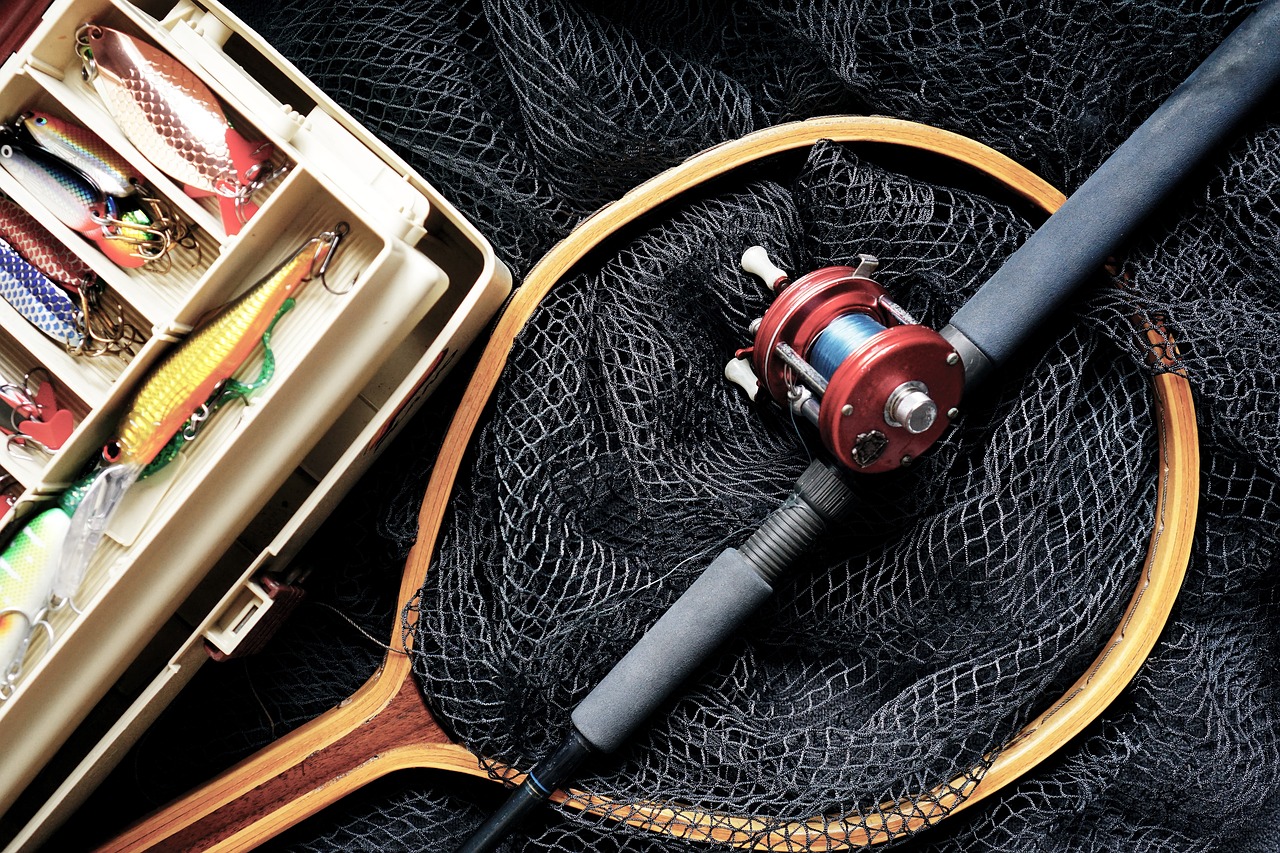
The most common type of fishing rig that people use along Hilton Head beaches is the fish finder fishing rig that incorporates a sliding egg sinker. This type of fishing rig allows for the fish to taste the bait without feeling the weight of the sinker, which allows anglers to have more success setting their hook to catch the fish.
4. Carolina Rig
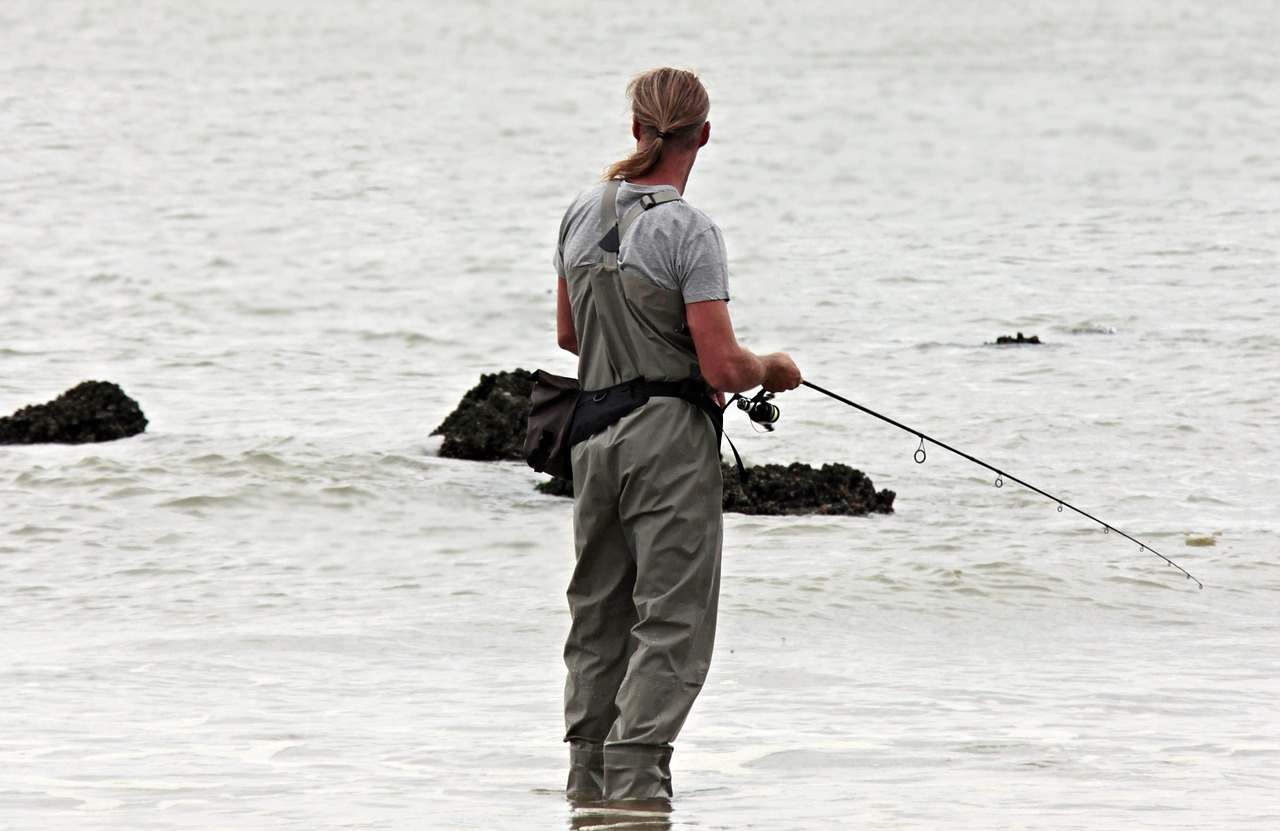
An alternative rig that anglers may utilize is the Carolina rig, which uses a pyramid sinker to allow the bait to dig into the sand along the shoreline.
5. Selecting Fishing Weights
Prior to beginning a fishing trip along Hilton Head’s beaches, individuals should take a few minutes to decide on the size of the fishing weight that they will use for their trip. In light waters, a two-ounce fishing weight may be enough for those fishing for speckled trout. In more intense surf conditions, though, four ounce or even six ounce fishing weights may be necessary.
The fishermen should choose the weight such that it will hold the fishing line in place without too much effort. Additionally, the size of the weight should be chosen such that it will allow the fishermen to focus on catching the fish instead of having to adjust the weight during their trip. An important skill for individuals who plan to fish along Hilton Head is the ability to read the shoreline itself.
6. Reading the Shoreline

Anglers should pay close attention to any troughs, sandbars, or cuts in the beach shoreline. In many cases, areas of darker water located within the troughs along Hilton Head’s shoreline contains fish that are searching for food. Additionally, areas where the beach turns along the shoreline often contain sand currents along the beach.
These areas of sand movement contain the baitfish that the target fish rely upon for food. To become comfortable with these areas along the beach, individuals should walk along these beaches for at least ten minutes prior to beginning their fishing trip. Though it may seem like these ten minutes are wasted, the fishermen who devote these minutes to walking along the beach will find that they are catching fish while others that spend their valuable money on expensive fishing rods will come away empty handed.
Along Hilton Head’s beaches, there are color changes in the water, patches of foam along the shoreline, and areas of darker sand along the beach that contain information for those who know how to read the beach. Once individuals are able to read the beach and understand the features that are along these beaches, the beach will no longer appear as a long strip of sand along the horizon. Instead, the beach will appear as an underwater fishing community that the fish use while the tides move along the Hilton Head shoreline each day.
7. Timing Your Casts
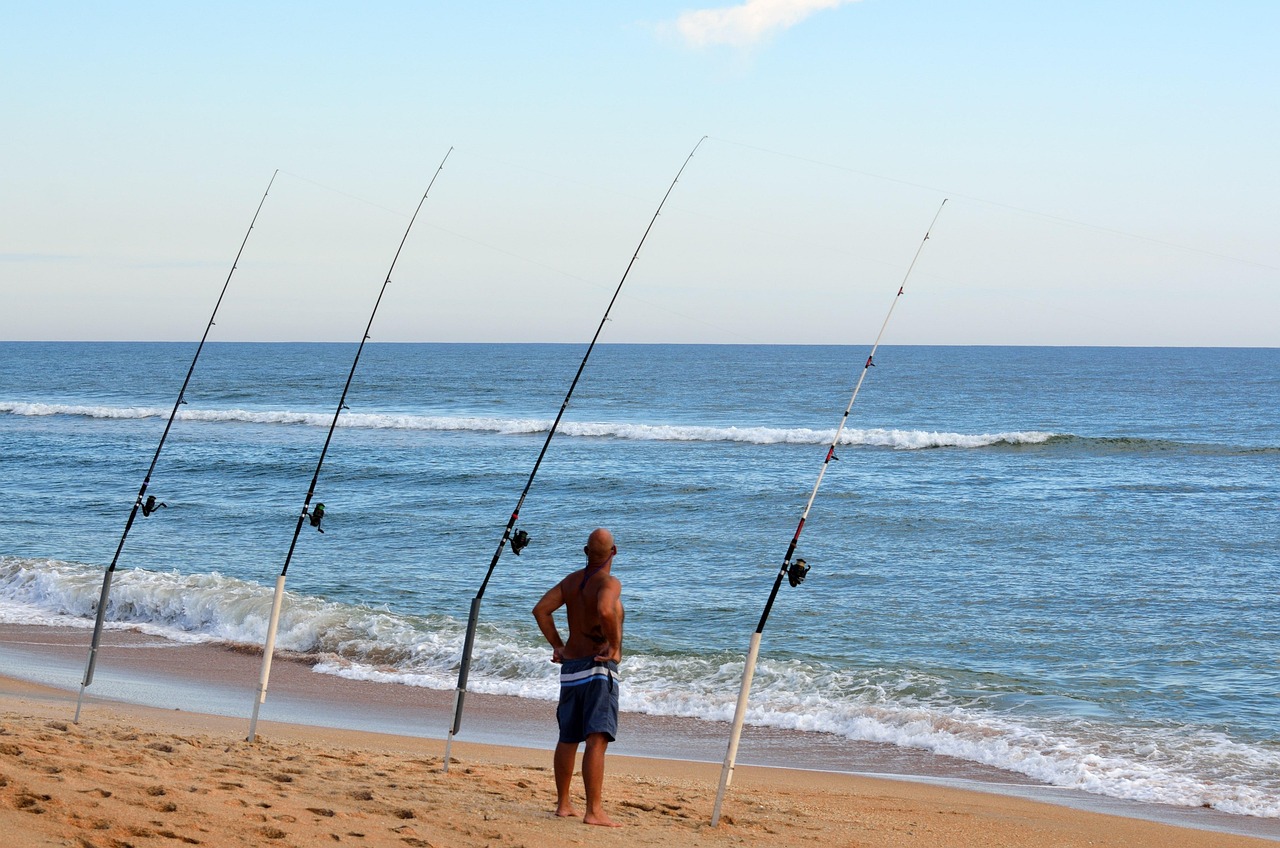
Besides knowing when to cast along the beach, individuals should also learn how to time their casts with the waves that wash over the beach. By casting along the outgoing wave, the fish bait will fall into the trough sections of the beach instead of onto the fishermen feet. Once the bait has been cast, the next incoming wave can carry the bait into deeper sections of the ocean where the target fish live.
Patience after casting the bait into the surf waters is just as important as the casting itself. Many individuals tend to begin reeling in their bait too soon after casting it into the water. Depending upon where they have cast, it may take as long as one minute or two before a fish will begin to twitch the fishing line.
In these situations, the individual should only set the hook when they feel a solid thump from a committed fish. Setting the hook too soon will result in the fish escaping the fishing line.
8. Essential Fishing Gear
Fishing gear for Hilton Head beaches doesnt have to be purchased from expensive brands; however, the gear must be able to tolerate the elements along the beach and the fish that lives in these areas.
A seven to nine-foot medium-heavy fishing rod and spinning fishing reels in the range of 4000 to 6000 in size will be able to handle most fishing trips along the Hilton Head shoreline. The recommended strength in braid line is between twenty and thirty pounds. Fluorocarbon fishing leaders of twenty pounds in strength will be sufficient for fishing most days along Hilton Head; however, larger leaders may be necessary if fishermen encounter large sharks or rays along the shoreline.
A small fishing gear kit should contain all of the necessary fishing accessories for a trip along Hilton Head’s beaches. Such a kit will contain additional leaders of the same strength as the fishing rod, fishing weights of different sizes, circle hooks of different patterns, and pliers for safely unhooking the fish from the fishing line.
9. Safety and Etiquette
Along Hilton Head beaches, individuals should also focus upon their safety and the etiquette that they exhibit while on the shoreline.
Anglers should always keep an eye on the tide and ensure that they are not in a section of the beach that will be cut off by the incoming tide, especially along the more remote sections of the beach. Anglers should also respect the space of others who may also be fishing along the same beach. The best way to do this is to give others a simple wave or nod.
Additionally, each fisherman should read and follow local fishing regulations regarding the limits of the species that are to be caught. For instance, red drum fish have specific limits regarding the size of the fish that should be released versus those that should be kept for dinner. The best fishing days along Hilton Head will end in the same manner as the best fishing days along the other shoreline areas of South Carolina.
Each fishing trip will end with the fishermen packing up their gear. Each will have their catch of fish in their cooler, but also with the potential for a sunburn on their shoulders. Though each fisherman may feel that their fishing rod is heavier than it should be when they leave the beach, it will be heavy with the contentment of a good day’s fishing.
Each fishing trip will include a lesson for the fishermen, and the lessons will accumulate along the years into knowledge about Hilton Head’s beaches. These lessons will continue to accumulate with time until each fisherman feels as if the beach is an old friend. The fish remain in the Hilton Head shoreline waters and are still waiting for the next tide to roll in.
All that must be done is for each fisherman to show up to the shoreline and be ready to fish for the day’s catch.