
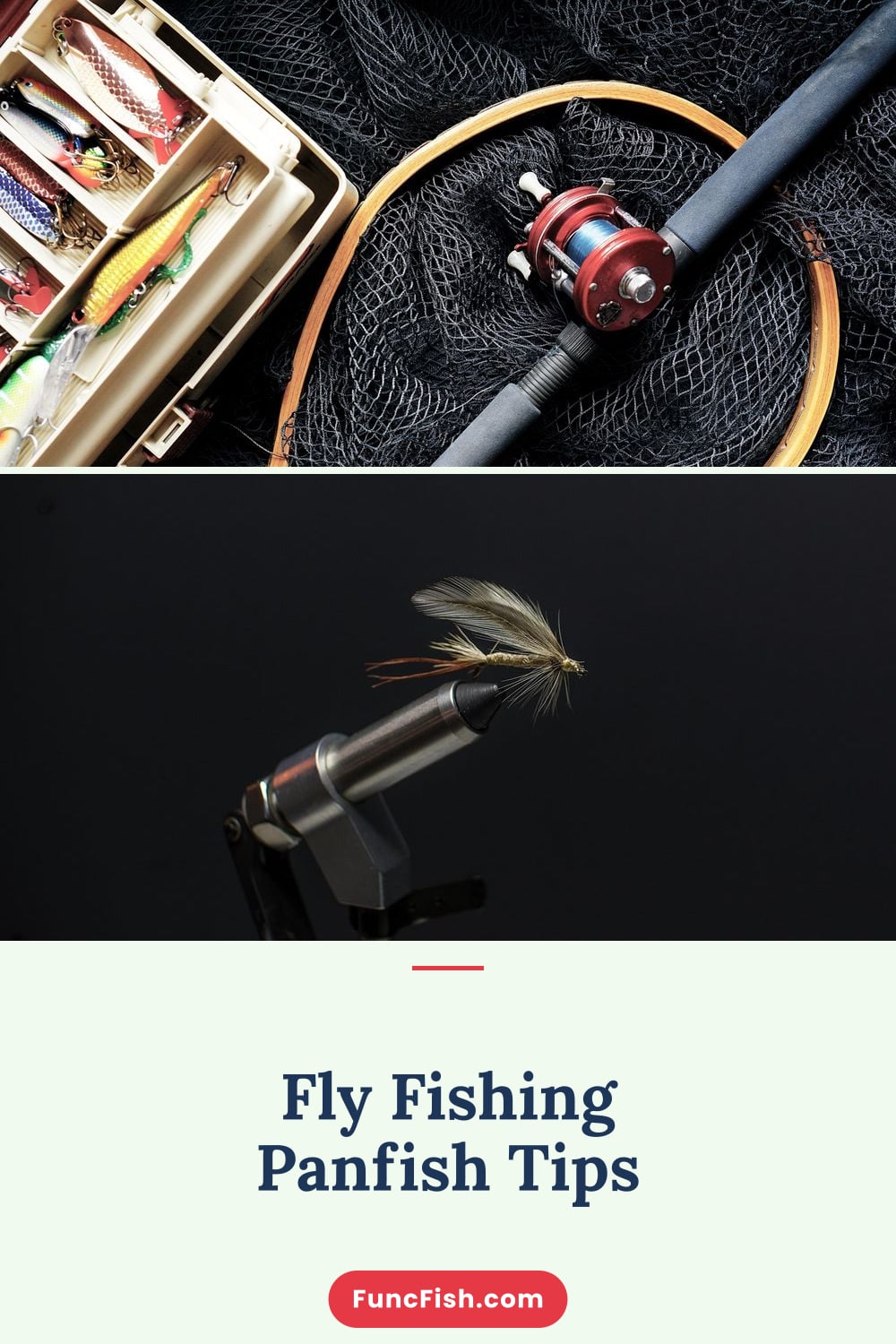
Fishing for panfish with a fly rod can be a very enjoyable activity. For some, fishing for panfish with a fly rod can be a very pure form of fun. Panfish is a type of small fish that can put up alot of force when you try to reel them in.
Panfish have a surprising amount of stamina. One of the benefits of fishing for panfish is that the fish live in shallow waters. Therefore, you are always able to watch the panfish while you are fishing for them.
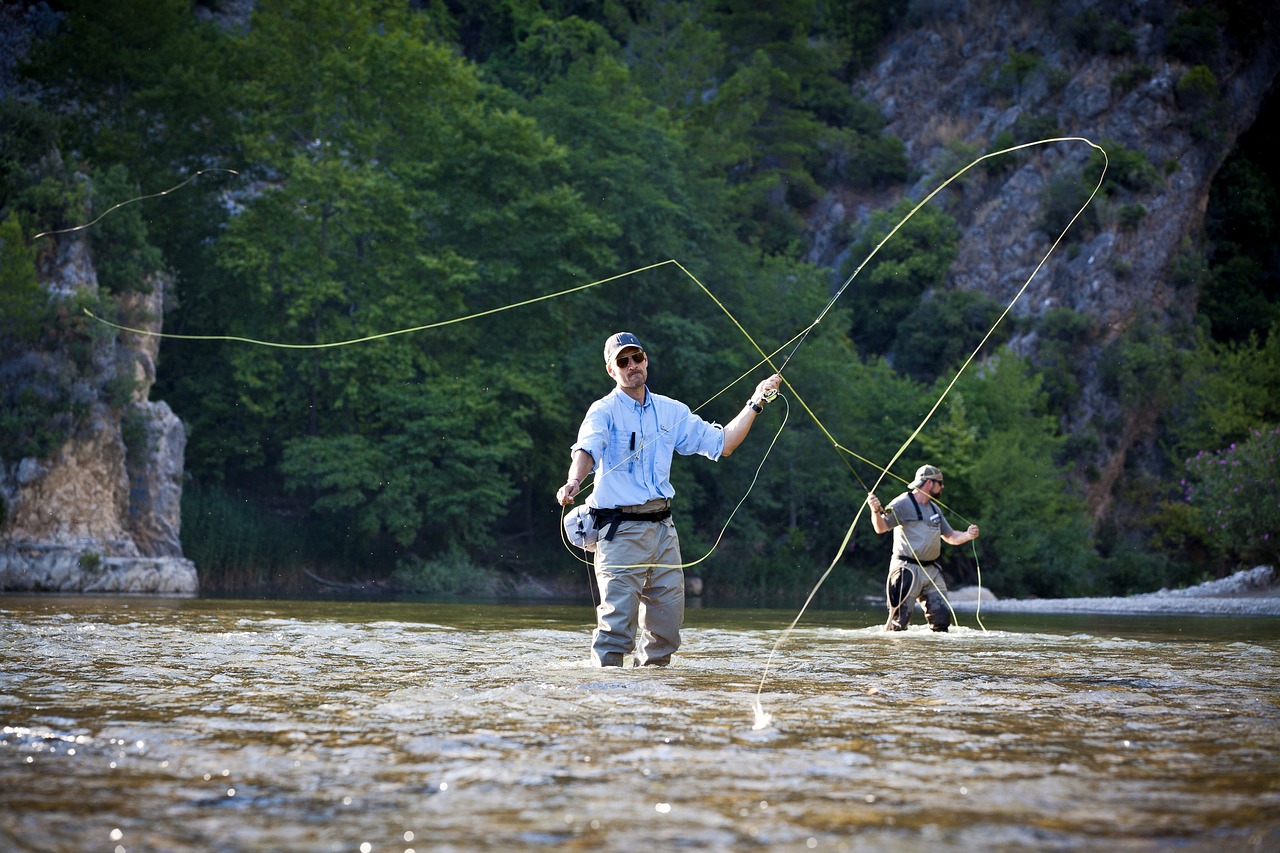
You can catch panfish while wading into a farm pond, or you can fish for them while drifting in a canoe. Having the proper approach to fishing for panfish with a fly rod will result in a successful fishing experience. Panfish dont care whether you are a new or seasoned angler.
All they care about is whether the fly looks like a living thing, and if you give them a reason to chase the fly. For many anglers, using live bait and ultralight spinning gear is the preferred option when fishing for panfish. However, using the appropriate gear and techniques for fly fishing will make you a better angler with spinning gear.
Whether you are trying to catch bluegill, crappie, redear sunfish, or rock bass, the following tips will improve your chances of success. Many lost fly and missed strikes have proven these tips to work. The first thing that you should do is make sure that your fly rod and line is matched to what you are trying to do with your rod.
Essential Tips For Successful Panfish Fishing
1. Match Your Rod and Line
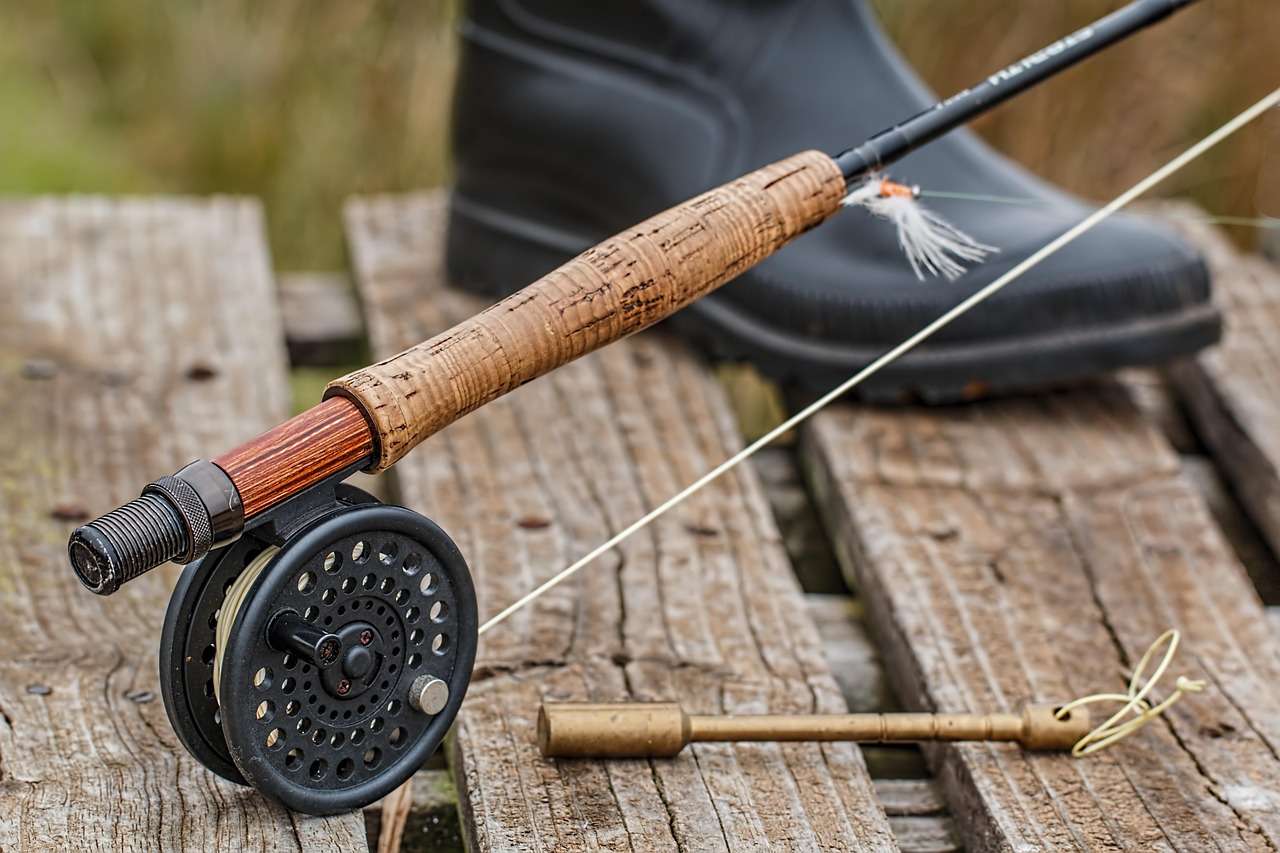
Using an eight-foot rod with a 4 or 5 weight will allow you to use size 12 poppers. The 4 or 5 weight will allow you to reel in a half-pound crappie. Pair the rod with a weight-forward floating line with a nine-foot leader that is tapered to 4X or 5X tippet.
This will allow you to drop a tiny nymph on the bottom and pop a foam beetle to catch fish from ten feet away. If the rod is too heavy, it will tire your arm after a full day of fishing. If it is too light, it will struggle to cast with the breeze.
Getting the two components properly matched will make your fishing day more enjoyable. You should pay attention to the temperature of the water before you start fishing.
2. Monitor Water Temperature
Panfish have a slower metabolism in temperatures under 55 degrees.
The fish will become picky about what they eat when it is in survival mode. In the spring, try using a small hares ear nymph or a midge pupa that you suspend two feet beneath a strike indicator. The nymph should be almost motionless in the water.
When the temperature reaches the 70s, panfish will chase insects that are on the water’s surface. In this situation, use poppers. You can save yourself many hours of casting if you use a thermometer to test the water, or if you pay attention to the date on the calendar and the weather.
3. Select Flies Based on Season
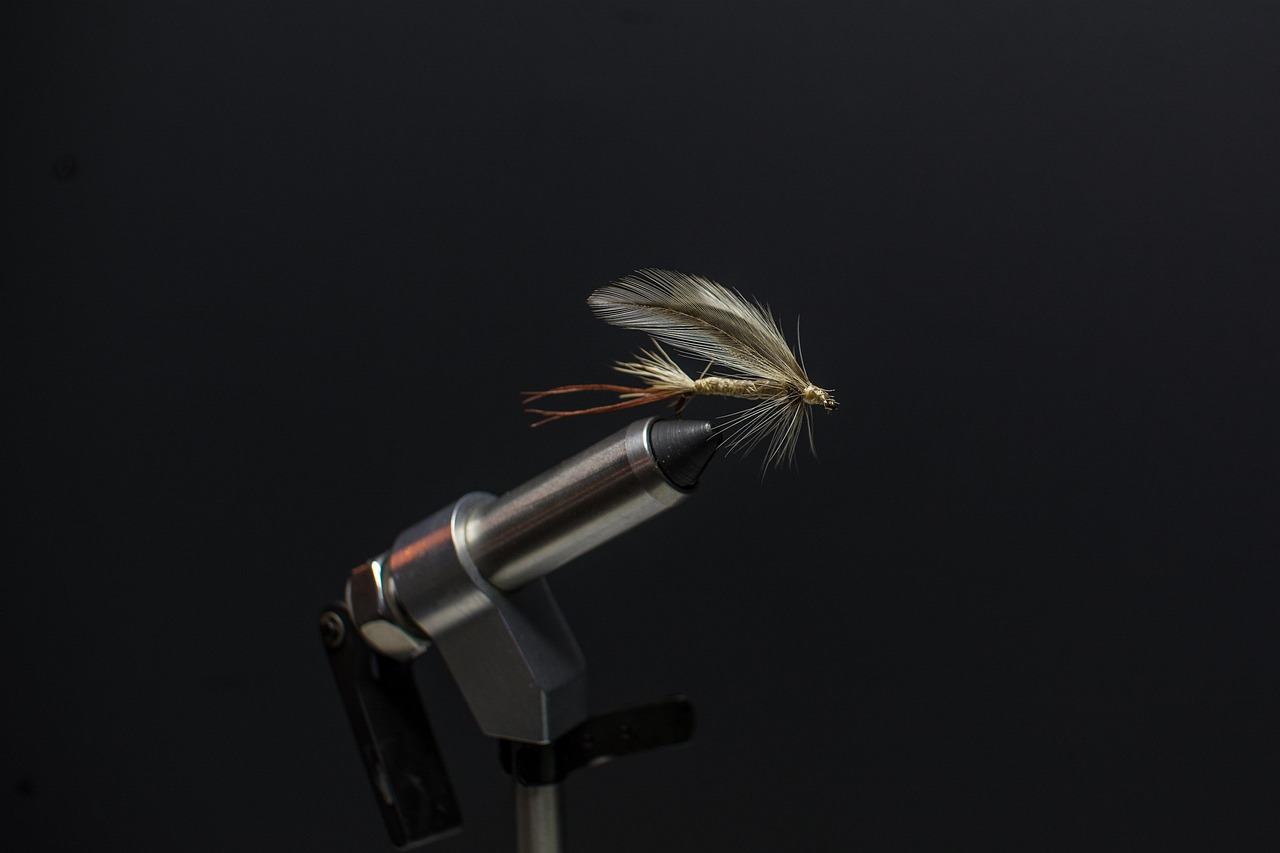
Choose your fly based off what the panfish are eating, not what flies you have in your box. In the spring, a beadhead pheasant tail or a woolly bugger in olive or black will catch more fish then other colors. In the summer, switch to sponge spiders, foam beetle, or small poppers in chartreuse and white.
You do not need to learn how to tie every type of fly. Instead, learn to fish six types of flies so that you can catch more panfish than if you had a fishing vest filled with different types of flies that you dont use. Pay attention to the shoreline before you begin to cast.
4. Target Structure and Cover
Panfish like to be near structure in the water. However, they also like to have an easy escape route. Look for areas with brush piles, fallen tree, or docks that provide shade for the fish.
A single cast to place your fly within one foot of the shoreline will result in a strike. If you cast too far into the water, the panfish will not be able to see your fly. However, if you cast too deep into a branch area, you may spend ten minutes tying a ne
Many anglers feel nervous during this quiet pause in the middle of the lake.
5. Practice Patience During the Pause
Because of this nervous energy, many anglers twitch the fly too soon. Fish need time to notice the disturbance in the lake. Fish need time to swim over to the bug on the fly.
Fish also need time to decide whether or not the bug is worth eating. When you do finally see the subtle bulge in the water or the head of a bluegill breaking the water’s surface, perform a short and quick strip of the fly to attempt to catch the fish. It feels like it takes forever to take the fly from one spot in the water to the next.
6. Adjust Retrieves by Species
But with a few fishing trips, the pause will become the most productive part of your fishing trip. The retrieve that you use when you are on the water can vary with the species of fish that you want to catch. Bluegill and redear sunfish prefers slow and steady stripping movements because this mimics an injured insect struggling to escape.
Crappie prefer long pauses between strips and a single sharp strip to make the fly dart forward. Rock bass are predators that use ambush tactics to catch their prey so they like for the fly to make short and erratically jumps along the bottom of the lake. Observing how the fish of your area react to certain movements will tell you more about them than a magazine article will.
Once you find a specific movement or pattern that works for a certain species on this particular day, lock in on that pattern and repeat. Controlling the depth of your fly determines if you will have a good day or a great day fishing for panfish. Panfish, despite the water in which they live being relatively shallow, will remain two to three feet beneath the water’s surface.
7. Control Your Fly Depth
Panfish are very aware of their surroundings and need time to scan the water for potential threats to their existence. Use a sinking line with a weighted fly and a split shot eighteen inches up the leader to find these depths without scaring the fish. Use a dropper nymph attached to a twelve-inch piece of sixX tippet to give you a chance to land a panfish without losing it to the depths below.
This fly will attract the panfish and the nymph will do the work to catch the fish. This type of fishing rig will allow you to catch the panfish even when other flies seem to be working. Fish are most active during specific times of the day.
8. Time Your Fishing Day
The hour after the sun rises and the hour before the sun sets will produce the most aggressive fish strikes throughout the fishing season. During the height of the sun the panfish will seek deeper areas in the water and will begin to get pickier with what they want to eat. During the middle of the day when the sun is bearable, head to shaded areas or deeper areas with smaller flies.
Once the sun begins to set the panfish will become more adventurous and more interested in the larger, noisier flies. During the low light of the sunset light, even the most wary panfish will become reckless in their attempts to eat the presented fly. Short casts are a necessity for catching panfish.
9. Master Accurate Short Casts
Most of the panfish live within thirty-five feet of either a bank or a boat. A delicate short cast will outperform a long and inaccurate cast. Practice your casting skills on your lawn using targets and a small popper to teach your muscles the proper movements for best results.
Developing muscle memory will produce better hook ups when you are on the water fishing for panfish. Accuracy without distance is the best way to catch panfish. Protect the fisheries that you enjoy fishing.
10. Protect the Panfish Population
Panfish can handle being harvested but will respond quickly to being overfished in small ponds. While it is okay to keep a few panfish for dinner when they are abundant it is essential to release the larger fish. The larger fish are the breeding stock for the panfish population.
Large bluegills and large crappie have learned the most about how to avoid the flies that are presented improperly. If you do not let these large fish go they will be on the water fighting for your attention the next fishing season. Taking a few seconds to take a quick photograph and gently release the fish will help to ensure that the panfish populations remains strong for many years.
When you feel the tug on your fishing line from the determined sunfish, remember that every tip on this list was given to you to experience more of these moments throughout the day. Fly fishing for panfish rewards those who have the patience to stand in one spot in the lake waiting for the fish to come to you. Fly fishing for panfish rewards those who have a knack for observation to notice what the fish prefer to eat.
Fly fishing for panfish rewards those who are willing to take the time to see what the water is telling you to catch the fish that are waiting patiently for you to present your fly in the correct manner. The panfish are waiting in their shallow waters with their fins twitching, but they will pounce on any fly that acts like a living thing. All you have to do is give them a chance to eat your fly.