
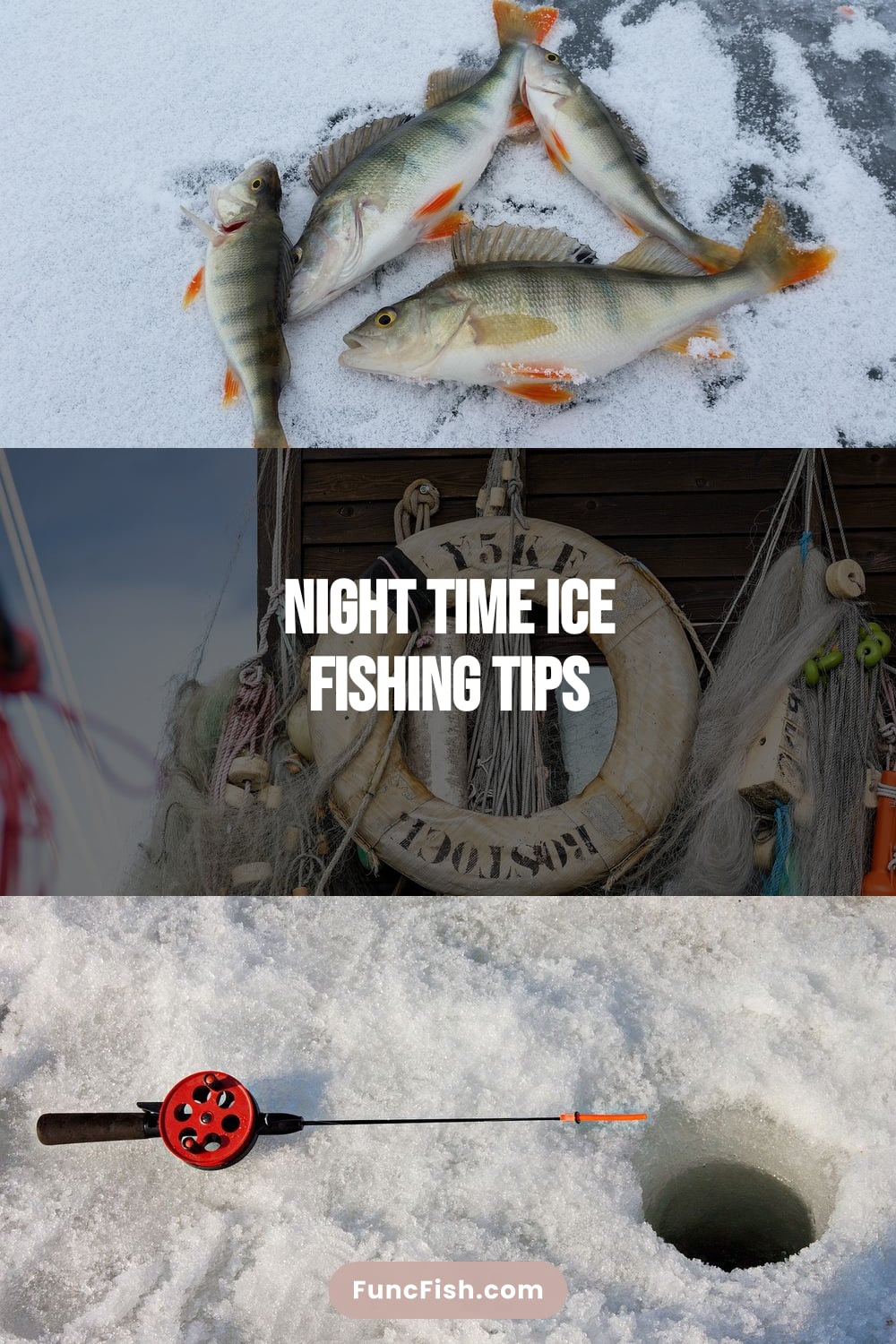
The frozen lake at night creates a peaceful environment while also an alive one due to the sight of the headlamp’s beam moving across the ice, the visible stars above the ice, and the potential thumps of a fish against the bottom of a bucket. Nighttime ice fishing remove the crowds and the noise that are usually seen during the daytime fishing for these lakes. Therefore, the only things that will be rewarded to those who participate in nighttime fishing on these lakes are those who have patience, preparation, and an understanding of the tricks that can be used to make such an event memorable.
The difference between feeling frustration and successfully catching fish at the frozen lakes rely upon a few specific details. For instance, the knowledge of the proper use of light, sound, bait, shelter, and timing after the sun sets will make a big difference in whether or not a fish will begin to “cooperate” with a fisherman in ways that they rarely ever will when the sun is high in the sky. Therefore, getting the few details right will create the successful ice fishing experience while getting those same details wrong will leave a man feeling as if he is sitting in his living room while he waits for the fish to begin to take his bait.
The following information will explain the techniques that work for ice fishermen after the sun goes down and the ice becomes thick.
Essential Tips For Successful Nighttime Ice Fishing
1. Proper Use of Headlamps
The first of the techniques involve properly seeing without scaring the fish away. Using a bright white headlamp that is pointed straight down into the hole in the ice may seem like the best idea, but the bright white light will scare the fish for many yard in every direction.
Instead, the fisherman should use a headlamp with a red or green lens as the fish are able to see red and green light poorly. Using such lenses allows the fisherman to keep their hands free to fish while the fish are not spooked by the headlamp. Additionally, the fisherman should aim the beam of the headlamp at the fisherman’s hands or the ice rather than into the water by the fish.
Using a headlamp with red and green lenses will double the number of fish that is caught by the ice fisherman.
2. Minimizing Sound and Movement
The second of the techniques relies upon sound and how fast it travels on the ice rather than in the water or the ground during the summer months. Using sound will make the fish aware of the presence of the fisherman.
Therefore, to avoid scaring the fish, the fisherman should move quiet when on the ice. The fisherman should use a quiet hand auger to avoid the noise that it makes while drilling into the ice or use a power auger that does not make much of a noise over a period of minutes. In addition to these tools, the fisherman should also avoid loud conversations with others while on the frozen lake.
Some of the best night anglers use soft-soled boots so that the fish are less likely to notice their movements. Instead, these anglers walk in the same manner as when they may be sneaking up on deer in the woods. While this sounds ridiculous, the fish will scatter if they are not treated properly when being ice-fished for.
3. Effective Bait Choices
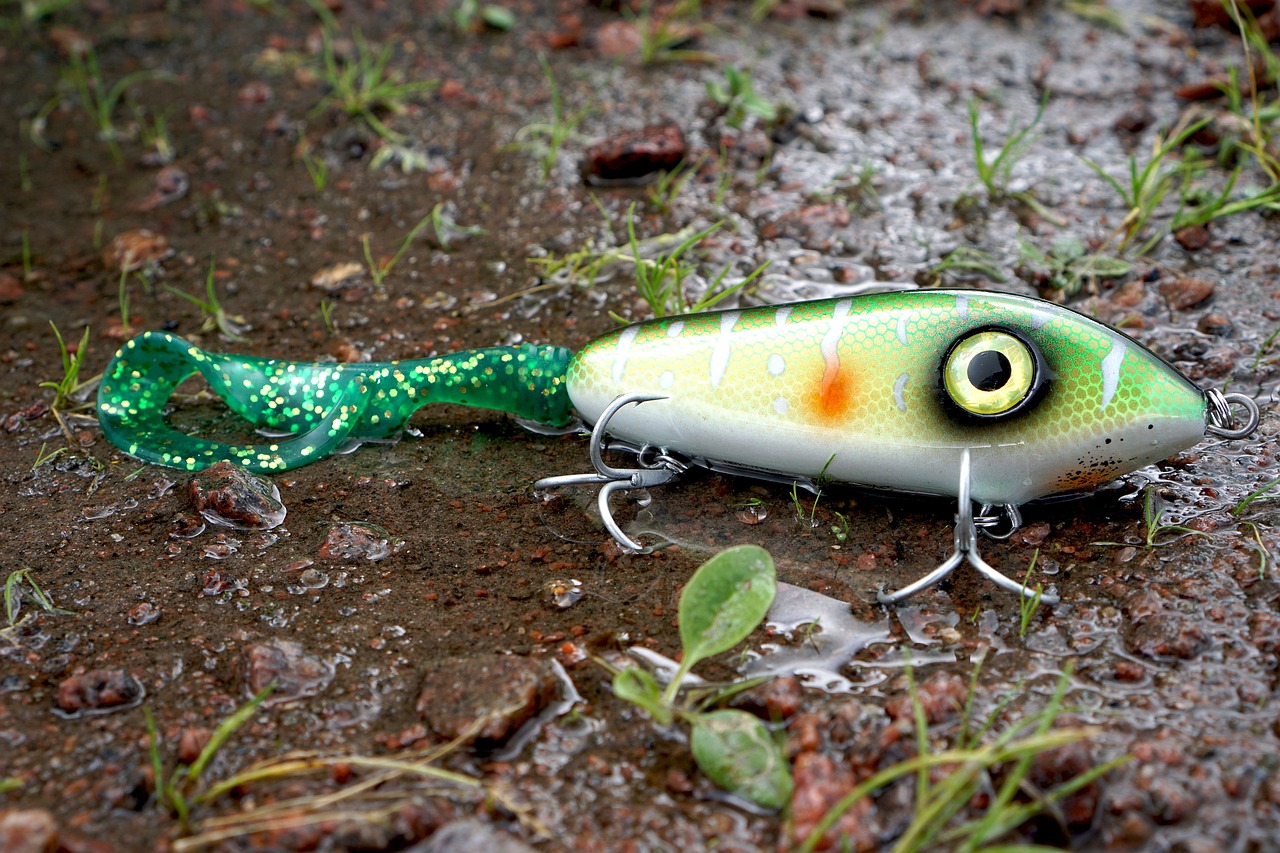
The third of the techniques relates to the use of different bait choices after the sun sets. Since the fish can see the light poorly at night, they rely more upon the smell of the bait than upon the ability of the fisherman to show the bait to them. While wax worms and eurolarvae can be used as bait for nighttime fishing, it is also beneficial to use a bit of cut bait or a live minnow on the jig.
Using bait that is bleeding shiners or other perch fillet will draw the fish from further away than if the fisherman were to use plastic bait alone. Additionally, the fisherman should change the bait often since minnows that are dead will lose their appeal to the fish within a few minutes. To avoid opening and closing the bait container while on the ice, a small insulated bait bucket should be brought to the fishing spot.
4. Using Shelters for Warmth
The fourth of the techniques involves the use of a shelter. While not having a shelter will expose the fisherman to the cold and may result in numbness of the fisherman’s hands before the first hour of fishing, a one-man pop-up shelter will allow the fisherman to avoid the cold and stay comfortable while fishing. A one-man pop-up shelter will also allow a fisherman to move between fishing spots quickly.
Additionally, a side of the shelter can be left unzipped so that the fisherman can watch the tip-ups without having to leave the shelter. A shelter will allow the fisherman to stay warm due to the body heat and the heat from a small propane heater. However, the fisherman should crack open a vent in the shelter so that they do not succumb to carbon monoxide poisoning due to the heat from the heater in the shelter.
5. Utilizing Tip-ups at Night
Tip-ups become more useful when fishing at night. Using tip-ups that are set up fifty or sixty feet from the fishing spot will allow the fisherman to avoid scaring the fish that are living in that area under the shelter. Additionally, the tip-ups will have light-sensitive flags attached to them or they can be equipped with an LED clip-on light that lights up when the flag is tripped by a fish.
This light will allow the fisherman to see the fish without staring into the dark into which the fisherman may have otherwise mistaken the sighting of a flag for imagination. Additionally, the tip-ups can be of different depths since fish like walleye and pike will be spotted at different depths in the lake after the sun has set.
6. Jigging Technique and Line Sensitivity
Another technique is to use much slower movements when using a jig with the bait.
Using rapid movements of the jig will scare the fish due to the visual movement of the bait. Instead, the jig should only move up six to ten inches and then allow the line to remain motionless for twenty or thirty seconds. This is while the fish will strike the bait.
Additionally, the fisherman must pay close attention to the fishing line. While the fisherman may not see the fish nibble on the bait, the line may tingle or the line may go slack when the fish takes the bait. When this movement of the line is seen, the fisherman should set the hook to secure the fish.
7. Proper Winter Clothing
The fisherman should also ensure that they are wearing the proper clothing. For instance, base layers that are meant to wick moisture away from the body should be worn. Following these layers, a thick insulating layer and a shell that resists the cold should be worn.
Additionally, a wool hat should be worn that covers the ears, and gloves should be brought as they are the first body parts to become cold while on the ice. Additionally, boots with serious insulation should be worn and may include warm chemical warmers that can be placed into the boots.
8. Moon Phases and Timing
One other detail that may help a fisherman is to pay attention to the phase of the moon.
Some of the best fishers believe that the best time of the month to fish is during the few days on either side of a new moon. This is due to the fact that the sky will be very dark during these times of the month. Others believe in the opposite though.
These anglers believe that during a full moon the fish has enough light to hunt for food in the lake so they fish more aggressively during these times of the month. Either way, though, consistency will provide the best results for the fisherman. By choosing a certain phase of the moon the fisherman can fish during these times for their specific lake.
9. Safety and Preparedness

The fish do not read the almanac but they do respond to light, they do respond to pressure on the ice and they do respond to the movement of prey in the lake. Safety is important when fishing at these lakes so it is important to not make it an afterthought just because the ice fishing may be the best that one experiences. For example, it is important to tell others where the fisherman will be and when they plan to return.
Additionally, two ice picks should be worn around the neck, a throw rope should be brought, and a first aid kit should accompany the fisherman on the ice. Additionally, it is important for the fisherman to have a headlamp with fresh batteries but also to bring a spare headlamp. If the headlamp dies while fishing two miles from shore in the middle of the night, having a spare headlamp will be appreciated.
Additionally, it is important for the fisherman to personally check the thickness of the ice even if someone else has said it is safe. Four inches of ice can hold a person on the ice in an emergency but six inches of the ice will be more reassuring. Finally, it is also important to leave the lake in the same condition in which it was found.
Therefore, the fisherman should pack up all fishing line, all tip-up flags should be packed up, and all bait containers should be emptied of their remaining bait. While fishing at night on a frozen lake, the quiet beauty of the area can be appreciated. Additionally, one last look at the stars that reflect off of the ice will allow the ice fisherman to feel proud of the location where they spent the night.
When the details are mastered regarding ice fishing at night, the fisherman will no longer feel the cold as a punishment but as part of the reward for the experience. The fish will come and the night will pass without a worry and the fisherman will have stories to tell of their fishing experience. Therefore, the next time that one is sitting on a frozen lake with a red glow from the headlamp entering the ice and a flag popping in the distance due to a fish striking a baited tip-up, the fisherman will remember the importance of proper preparation for nighttime ice fishing and the skill that is required in order to provide the experience that is as good as the stories of fishing at night seem to be.