
A walleye may provide a sharp and sudden bite under a moon in January. The ice is loud with sounds of cracking and crunching and your eyes are adjusted to the light from the stars and the snow falling on the frozen surface. A walleye may be cruising the edges of a reef at a depth of ten feet, using the faint light that filters through the water.
Walleye fishing at night can be productive and a positive experience for those who is willing to learn how to fish in the dark. While many anglers head onto the ice once the sun dips below the distant horizon, many miss the fact that walleye is known to be feeding after dusk. Because walleye have eyes adapted for viewing in low light, they have a distinct advantage over there prey of baitfish.
The fish move into shallower waters and begin to chase at a more faster rate. If you are willing to wear warm clothing and to rely upon your technology to help you find the fish, you can transform from a slow fishing session into one where you have reached your fishing limits by the time the clock reads midnight. The tricks described in this article will allow you to find your limit.
Top Tips For Ice Fishing Walleye At Night
1. Find Correct Depth and Structure
One of the first steps in ice fishing for walleye after sunset is to find the correct depth and structure in which to fish. Walleye tend to move to the flats or the tops of reef between twenty and thirty-five feet deep. They make these migrations to the areas where baitfish gathers.
Icefish tend to arrive at their fishing spot well before the ice breaks. They drill a series of hole in the area in which they will fish, and then they drop a camera or a flasher to determine the location of the baitfish. The fish will move through these areas during the night but will not remain in the same spot where they were first spotted.
2. Use Light with Discipline
Discipline with the use of light is another of the first considerations for night fishing. Bright white lights will scare the fish because their eyes are very light sensitive. An angler will use a red or green headlamp to tie the knots and add the bait to the hooks.
The ice shelters will be lit with a single lantern or a series of battery-operated LED lights. The flasher will have its brightness decrease. The moment that any icefish use a full spectrum headlamp on the ice holes, the walleye will vanish from view.
3. Select the Right Lures
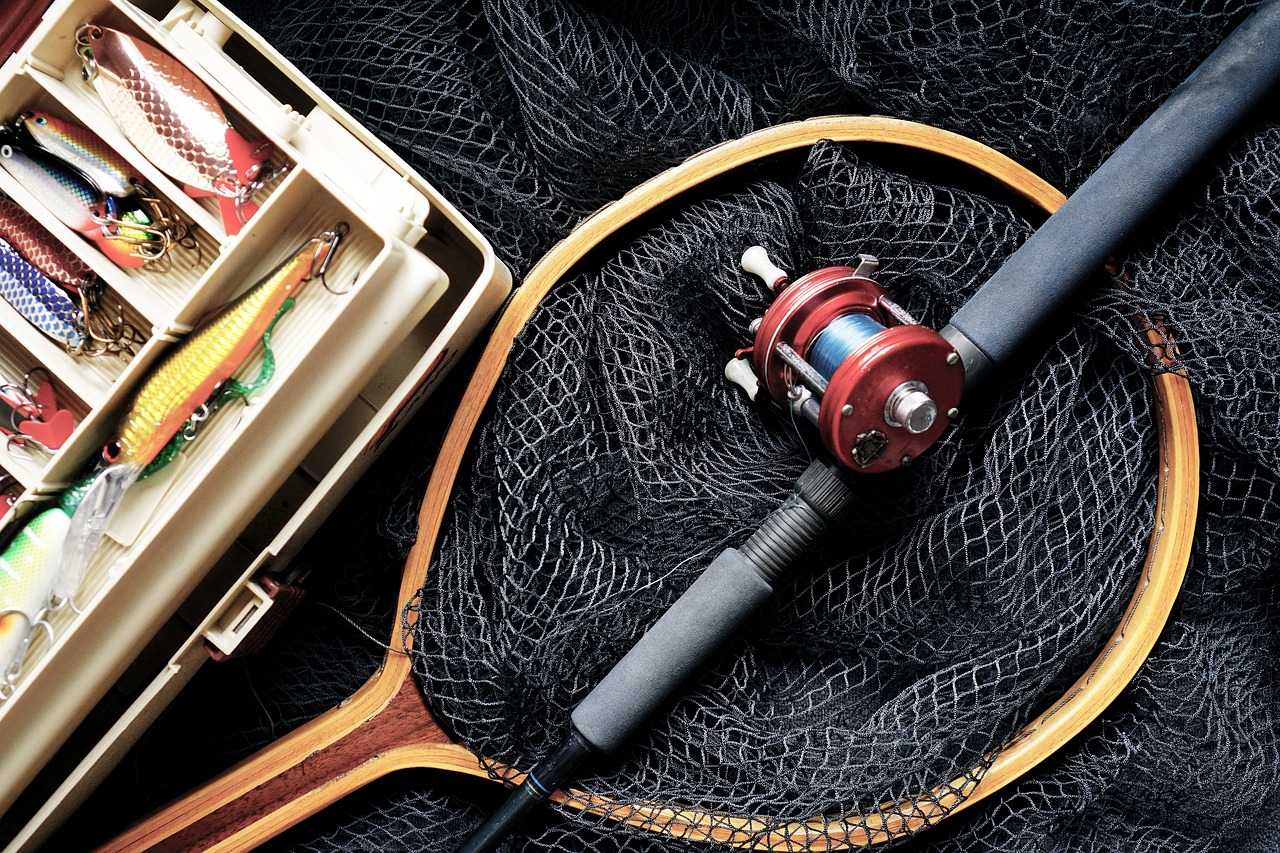
Many fishers dont know of this trick. The type of bait or lure that is used when ice fishing for walleye at night does not rely on the color of the bait. Glow lures may be used during periods of extreme darkness.
The best options for walleye bait are balsa or lead jigging spoons and lipless crankbaits. A three-inch slender spoon with one hook and a minnow head will allow the fish to track the wobble of the spoon from a distance of ten feet. The angler will drop the spoon to the bottom of the hole, and then it will be popped upwards eighteen inch.
It will then flutter down on a slack line with the hook loosely attached to the line. Walleye will strike at the spoon when it comes to rest. The fishing rod should be kept taut at all times during this action.
4. Present Live Bait Effectively
Live bait can still be effective when ice fishing for walleye after dusk. However, the way in which you present the bait change. Using a lively shiner or a fathead minnow will work best when you hook the bait through the lips and allow the bait to hang from a slip bobber at a height of two feet above the ice.
The minnow should not move excessively. You can use a spring or ice bobber to allow the bait to move in a gentle up and down motion. Walleye will perform a sucking motion to take in the live bait.
The hook should be set when the minnow move. It is common for the rod to load when the walleye performs this motion. If using electronics as a means of finding walleye at night, use a flasher to determine the distance between the lure and the bottom of the ice.
5. Utilize Underwater Cameras
A portable underwater camera will reveal whether the mark in the ice are walleye or perch. Using the camera in one spot while ice fishing in another spot ten yards away will ensure that the walleye are not startled by the presence of the camera. Watching the action of a walleye take in your spoon while the moon shines down upon the lake will reveal the sport of ice fishing for walleye.
In this case, the screen becomes your eyes while your physical eyes cannot see into the ice. Ice fisherman must dress appropriately for the below-zero weather that exists after sunset. Wear thin merino wool against the skin.
6. Dress for Extreme Cold
Add a fleece jacket. Add a windproof insulated bib jacket rated for zero degrees or below. Use ice fishing boots that allow the wearing of removable liners that can be replaced with dry ones.
A quality neck gaiter and an insulated hat with ear flaps are items to own. If the body becomes too cold, the mind will begin to wane in focus on the task at hand. The ability to remain warm will aid in fishing success.
7. Prioritize Safety Measures
Another of the first considerations for night time fishing is safety. Always fish with a partner. Use two ice picks as fishing tools that will help you should you fall through the ice.
Always wear a flotation suit. Use reflective tape or LED lights to mark the hole in which you will fish. Always tell someone on the shore when you will be returning from fishing.
Use a satellite communicator when fishing on large and remote lakes. The ice may be thin spots near the springs or areas where the water move through the ice. Visibility may be limited when there are clouds that cover the moon.
8. Monitor Moon Phases and Weather
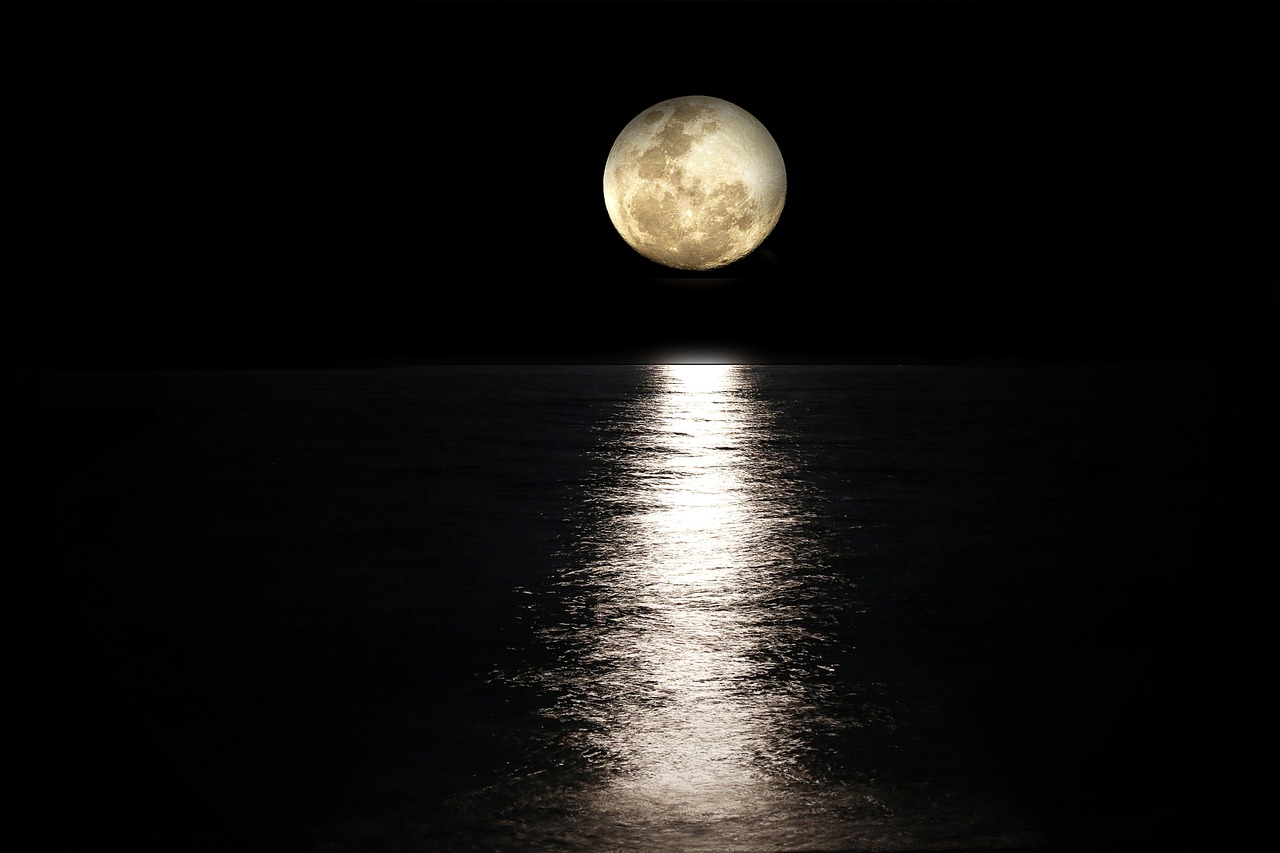
Pay attention to the phases of the moon and the weather. Those who fish for walleye after the sun sets know that the best times of the year to catch walleye are in the days leading up to a full moon. Others believe that the darkest nights are the best for catching walleye.
Both may be true depending upon the specific location of the ice fishing spot. Walleye may be most active in response to the warming trend that follows a period of cold weather. Watch the barometer instead of the clock.
After the barometer stabilizes after a drop in the barometric pressure, get on the ice. The fish will indicate whether you chose the proper time to be on the ice. Try to find the proper cadence for the lure.
9. Experiment with Lure Cadence
Some walleye like fast and strong actions of the bait. Others prefer that the bait barely move. Some fish prefer that the bait remain almost dead in the water.
The only way to find the proper cadence for walleye at night is to experiment with the retrieve of the lure every ten minutes. When you find the proper cadence, walleye will begin to bite and the fish will roll in from all areas of the fishing spot. This provides anglers with an adrenaline rush when they go from no fish being caught to numerous fish being caught within twenty minutes.
10. Add Scent to Your Bait

Walleye use their sense of smell when fishing in the dark. Add a small amount of shrimp scent or place a piece of the tail of a salted shiner into the bait. Walleye will be drawn to the scent.
Do not use excessive scent for walleye bait because some lakes has high levels of pressure and the fish see many baits being cast into the water. If the action of walleye slows down, move to a different spot. Walleye use short bursts of activity when on the ice.
They will then disappear. If there has been no action in forty minutes, move a quarter of a mile up the reef where the walleye may have moved. Use mobility as an advantage over other anglers who may be sleeping in their fishing shacks.
When the best nights come to an end, you will have a series of large walleye that have been slid across the ice under the starlight. The golden sides of the walleye will reflect the beam of your headlamp. You will realize that it was worth the cold, the extra gear, and the time away from sleep to enjoy this sport.
The lake may appear to be quiet when viewed from the shore. However, in truth, the lake isnt silent. It makes cracking sounds as the ice expands and walleye take a break from swimming to take a hit at the pile of ice.
These types of nights are the type that create a desire to return to the ice fishing spot long after most people have given up on fishing for the winter season. The walleye are waiting in the dark. You just have to know how to meet them on the terms that they prefers.