
Texas bass fishing creates a feeling of something primal in every person who has ever experienced a thump upon their fishing line when a bass has been spotted and take from the water. The lakes, rivers, and reservoirs of Texas contain various species of bass, each of which requires a different form of tackle to catch the fish. Furthermore, each of these bass species have certain requirements of the angurers who would like to experience their catch of the day; each of these species has its own specific time of year when it is most active and likely to provide the anguruer with the fishing catch of a lifetime.
Understanding which species of bass live in which areas of Texas allows the anglurer to adapt their approach to the river, lake, or reservoir in which they are fishing. As such, each bass species offer the anguruer a different experience whilst fishing for Texas bass populations, and one can enjoy each of these experiences if one understands the specific characteristics of each of these species. There are five different species of bass that live in Texas and that anglurers can target within a single season of fishing.
Unlike the rest of the country of Texas, who may believe the term “bass” refers to only one type of fish, anglurers in Texas target five different species of these fish each year, without having to travel more than a few hours across the state lines.
Common Types of Bass Found in Texas
1. Largemouth Bass
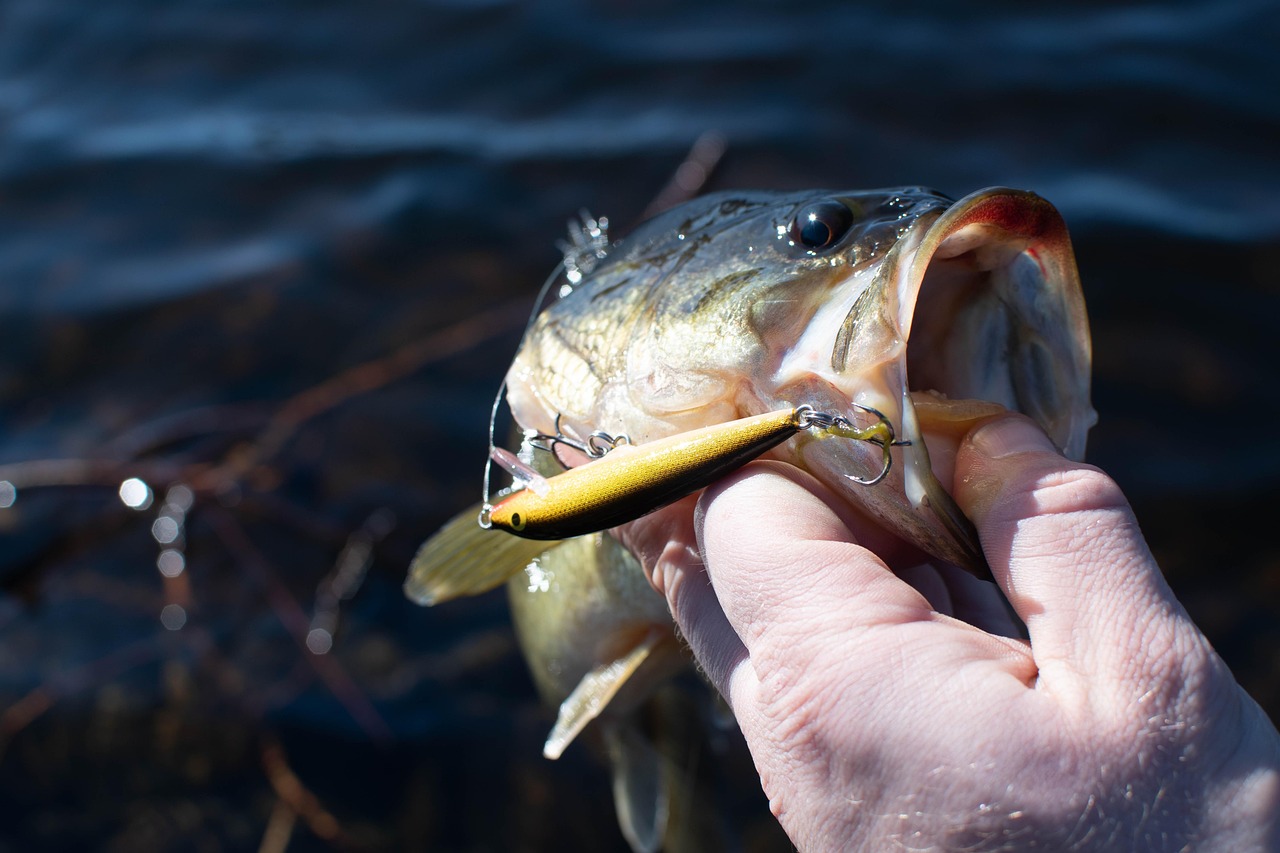
The most well-known of these bass fish is the largemouth bass. The largemouth bass has a large mouth, broad body, and green back, the type of fish that anglurers across the nation often picture in their minds when they hear the term “bass.” These bass species enjoy warm climates and lakes that are shallowly in relation to the size of the reservoirs in which the largemouth bass live.
Furthermore, five-pound largemouth bass are not considered to be impressive fish, but ten-pound bass species still garner the news in the regions in which they are spotted. Bass species are known to be the most aggressive in Texas once the water temperatures reach values of sixty degrees or higher. These fish tend to love eating plastics, bait fish, and even other species of bait fish that are moved across the lake.
However, largemouth bass are the fish that begin to show interest in bait the earliest in the spring, and the largemouth bass are the species that are the most forgiving of the beginners who would like to experience the life of a fisherman who catches only five-pound bass. However, the best locations to spot largemouth bass are within the deeper areas of lakes where fish has learned to avoid human observers.
2. Smallmouth Bass
The second type of fish to be targeted by anglurers in Texas is the smallmouth bass.
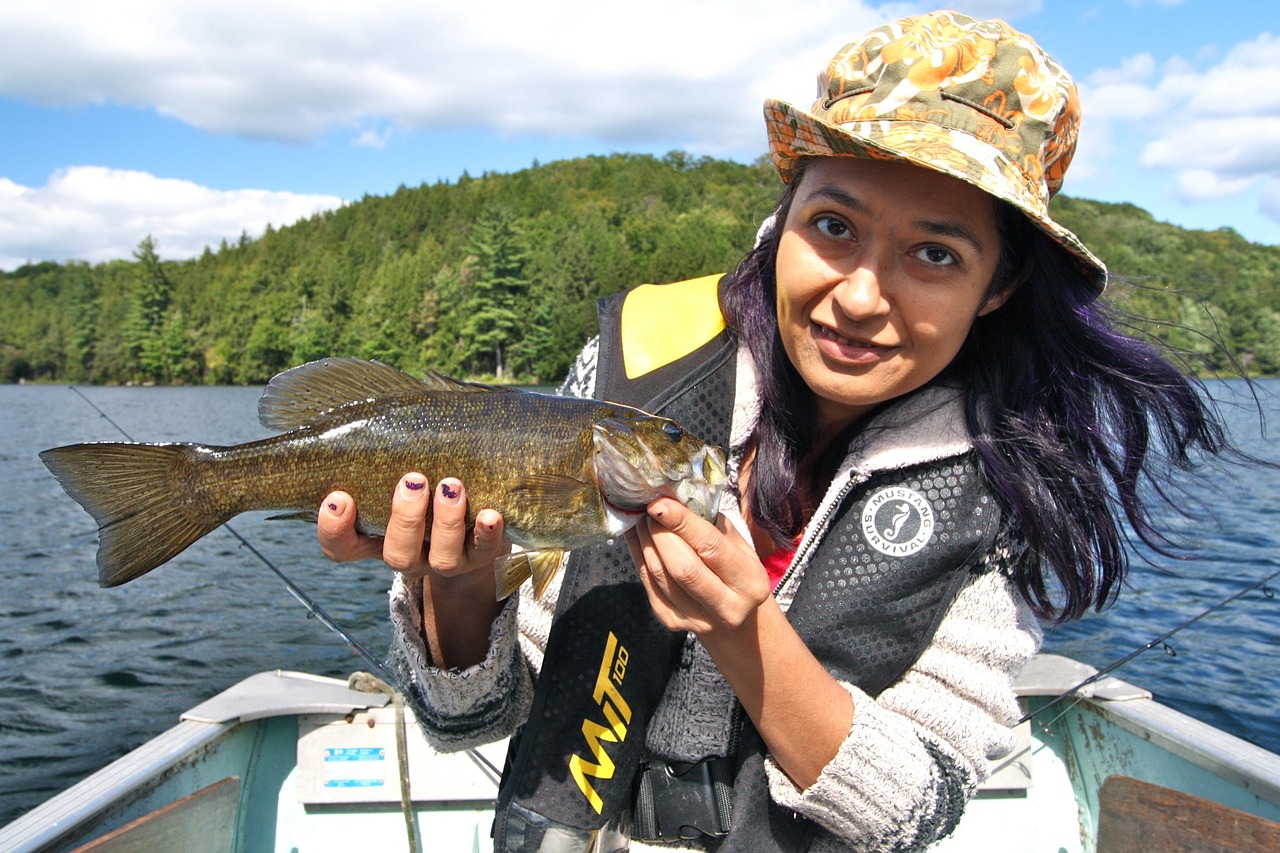
These fish has a sleek body, a bronze color, and enjoy water temperatures that are cool and clear, as well as those with rocky bottoms. Areas such as Lake Amistad, Possum Kingdom Lake, and the Hill Country areas of the Guadalupe River are known spots to spot smallmouth bass populations. Smallmouth bass populations are also the most challenging to catch pound for pound, perform the most impressive runs, and shake their heads the most violently when they are caught.
Because smallmouth bass prefer water with movement and gravel bottoms, anglurers must alter their fishing techniques to target these bass species. Smallmouth bass are the type of fish that will eat crayfish imitations or jerkbaits near boulders or rocky areas. Furthermore, smallmouth bass are more picky with the temperatures of the water; during the summer months, when the water temperatures rise to the high eighties on the Fahrenheit scale, smallmouth bass will move to the deepest areas of these lakes or become dormant in their activity.
An anglurer who catches a four-pound smallmouth bass in Texas is likely to feel as if they have experienced a miracle.
3. Spotted Bass
The next species of bass to target in Texas is the spotted bass, which is also known as the Kentucky bass. These fish have the body of a largemouth bass, but with spots along their body.
The spotted bass live in both the northern and the southern regions of the state. Additionally, spotted bass prefer water that is clear of the murky waters that largemouth bass populations enjoy, but they can handle more current then smallmouth bass populations. Spot bass are the type of bass that will school together and pursue bait fish such as shad in areas that the maps of the lakes spot as small bumps in the lake.
For this reason, spotted bass are the type of fish that can be targeted with spoons or swimbaits that are dropped into the areas where spotted bass have been spotted on fish finders. Unlike other types of bass species, spotted bass rarely grow to the four-pound mark, but spotted bass are plentiful and have impressive fights with anglurers who manages to land one of these fish species.
4. White Bass
The fourth type of bass species to be targeted by anglurers in Texas are the white bass species.
White bass species are a silver color in their bodies, and have the body of a football. The white bass are somewhat anadromous in their behavior, even though most of the species in Texas are landlocked. Each spring, the white bass head into the creeks and rivers in which they spawn.
During this period, it is possible to catch fifty white bass species before lunch. The white bass are the type of fish that require anglurers to master the skills of fishing for other types of bait fish, such as shad. Additionally, the white bass tend to exhibit the most energy when they are pursuing their meals, and they will exhibit the most interest in jigs, slabs, and tailspinners that is baited with the appropriate amount of force.
Once the white bass have spawned and returned to their homes in the deep lakes, anglurers will have difficulty finding them. However, the white bass fillets are considered to be among the best foods to target from the bass family.
5. Striped Bass
The fifth type of species of bass in Texas is the striped bass.
The striped bass is the most powerful of the bass species in Texas. These bass species were introduced into lakes from the coasts of Texas. Additionally, the striped bass in Texas can grow to the size of twenty-pound fish, but thirty- and forty-pound bass are also sighted in areas like Toledo Bend, Lake Texoma, and Falcon reservoirs.
These fish have the bodies of missiles, are long and silvery in color, and have the distinct lines that are seen along their flanks. Bass species like the striped bass prefer areas of moving water with large schools of bait fish. Anglers can find the best success using live bait fish for striped bass species, but using heavier tackle will be required for bucktail jigs.
Anglers will go without any bites on the water for several weeks, but then encounter a fish with sufficient power to test the limits of their line and fishing reel. The possibility of encountering a giant fish of this size is the main reason that some anglurers dedicate their lives to catching striped bass.
6. Hybrid Striped Bass
The last of the bass species in Texas is the hybrid striped bass species.
The hybrid striped bass species is the cross between the white bass and the striped bass species. These fish species grows faster than white bass, fight more aggressively than striped bass, and are more tolerant of different water conditions. Because these species exhibit the same actions as striped bass yet grow to the same sizes as white bass, they are the preferred species of anglurers and fisheries managers alike.
Additionally, because the fish is sterile, it will grow strong and healthy without spawning, and ensuring that its population does not grow beyond control. During the summer months, when the white bass have moved to the deeper areas of the lakes to spend their summers, the spotted and striped bass may be spotted with the hybrid striped bass species. Furthermore, because the hybrid striped bass is unable to spawn, it will dedicate the majority of its energy to gaining weight and size.
Thus, a three-year-old hybrid striped bass can weigh as much as five pounds. However, as with all other fish species, the life span of a hybrid striped bass species is shorter than that of other striped bass species; this is the only drawback to the species. Each of the five species of bass has its own home within Texas, which is the reason that the state is able to support such a variety of species without one species out-competing the others for resources in its ecosystem.
Thus, the largemouth bass may claim the lakes with the most weeds and shallow waters, smallmouth bass may rule the clear rivers with rocky bottoms, spotted bass may claim the areas with the bumps in the lake, the white bass may control the rivers that run through the state each spring, the striped bass may live and rule the open waters in which they find their prey, and the hybrid striped bass may be the “gap” fish that ensures that all locations are covered in their search for the next anguruer who would like to add to their catch of the day. Therefore, the next time you venture out onto the water in Texas, remember these five different species of bass. Consider which species of bass may live in the location in which you fish.
Adapt your techniques and your tackle to match the type of bass that live in these locations; instead of treating all of Texas’s waters the same, you will experience the true life of a Texas bass fisherman.