

Crankbaits are fishing lures that has a body made of plastic or wood and a diving lip made of plastic. Many people experiences problems with crankbaits. These problems can waste peoples time and cause them to lose the fish that they have been chasing.
Most problems with crankbaits are predictable, and once people understand the problems with crankbaits, they can fix these problem so that the crankbaits will function corectly.
Common Problems With Your Crankbaits
1. Crankbaits Running to One Side
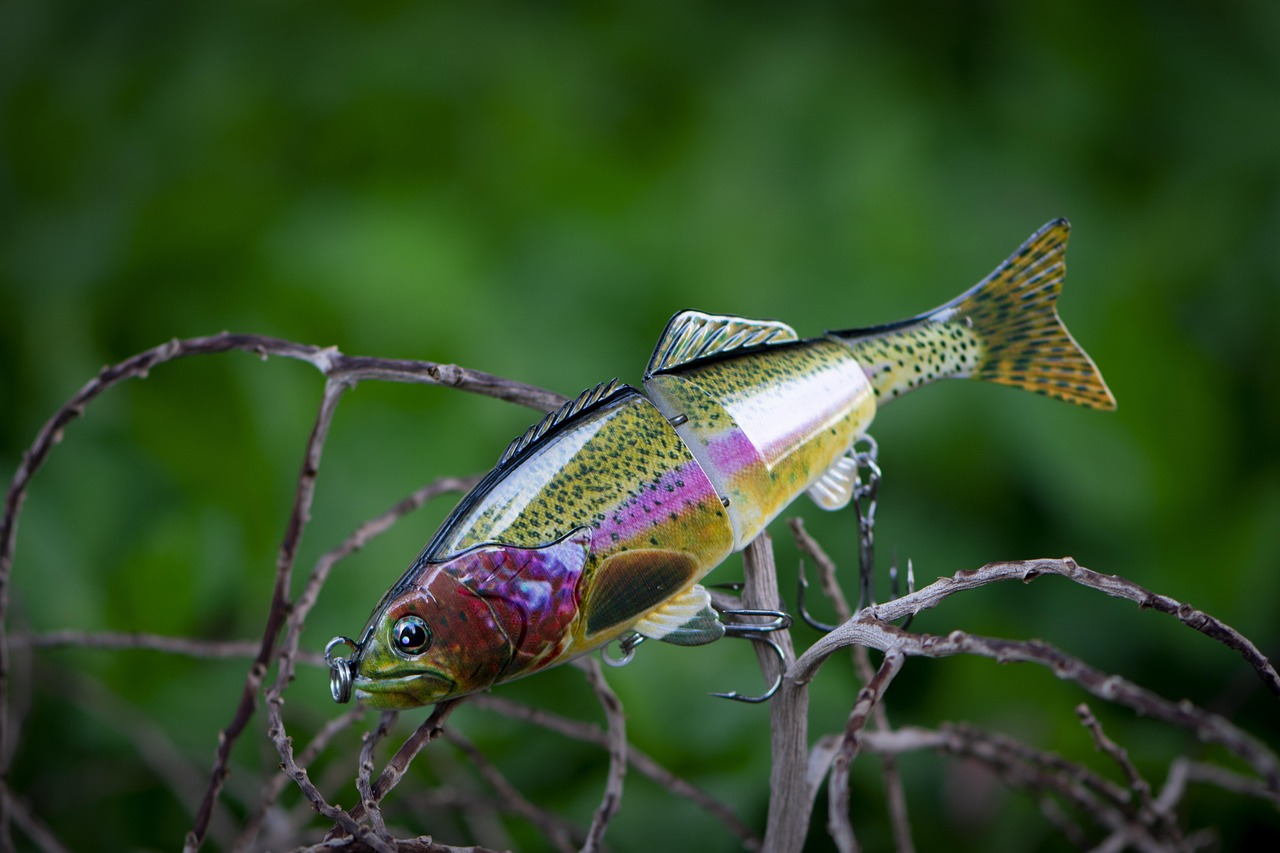
One problem with crankbaits is that the crankbaits may run to one side when anglers reel them in. The crankbaits may run to one side due to either the hook eye being bent or the line tie eye not being centered on the crankbait.
If the line tie eye is not centered on the crankbaits, the diving lip can cause the crankbaits to run off course. To fix this problem, hold the crankbait by its tail and look down the body of the crankbaits. If the line tie eye is not centered in the crankbaits, use needle-nose pliers to twist the line tie until it is centered.
This will allow the crankbaits to run in a straight line.
2. Tangled Fishing Line and Hooks
Another problem with crankbaits is that the hooks on the crankbaits may become tangled at the fishing line when the anglers cast the crankbaits. These hooks become tangled due to the front treble hook being too close to the line tie or due to too many slack in the split rings on the crankbaits.
The solution to this problem is to either use smaller hooks or add a bead between the line tie and the front hook on the crankbaits. Adding these components will prevent the line from tangling in the hooks on the crankbaits.
3. Cracked or Snapped Diving Lips
Crankbaits have diving lips that can crack or snap off if the crankbaits encounter rocks in the water.
The diving lip made of plastic deflects water to allow the crankbaits to dive downward into the water. If the diving lip has cracked, use sandpaper or a file to smooth and reshape the cracked diving lip. If the damage to the diving lip is too severe to reshape the diving lip, purchase an identical crankbait so that the fishing angler can ensure that the crankbaits dive at the same rate and with the same wobble frequency.
4. Line Twist Issues
Another problem with crankbaits is known as line twist. The line twist with crankbaits happens when the line with the crankbaits spins in circles. This can occur due to the use of a barrel swivel that is too small or due to the use of an off-center knot when attaching the crankbaits to the fishing line.
The solution to this problem is to use a ball-bearing swivel that is placed in front of the crankbaits on the fishing line. This will allow the crankbaits to spin independently of the line and will allow the movement of the crankbaits to continue. However, make sure that the ball-bearing swivel is small enough so as not to interfere with the movement of the crankbaits.
5. Incorrect Buoyancy and Sinking
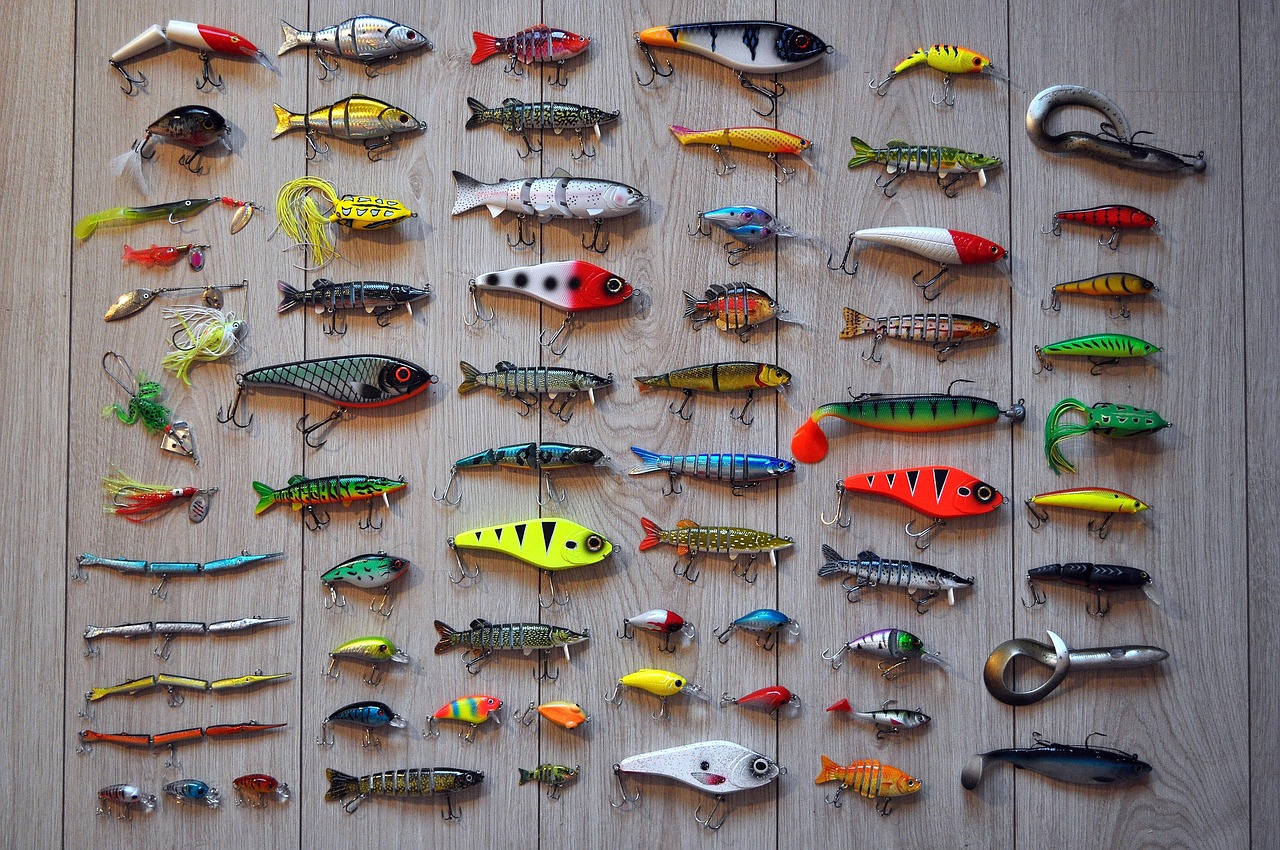
Some crankbaits may sink or rise too quickly in the water. This could be due to the weighted components of the crankbaits having shifted in their movement. Additionally, the plastic components of the crankbaits may have absorbed water, or the hooks on the crankbaits may be too heavy for the bait.
To even out these problems, every crankbait must be tested in a tank of water. Depending on the buoyancy of the crankbaits, the hooks on the crankbaits can be changed to a different size, or lead tape can be added to the bill slot of the crankbaits to even out the buoyancy of the bait.
6. Silent Rattles
Another problem with crankbaits is that the rattles that are within the crankbaits may stop make noise.
This is due to the metal or plastic balls within the crankbaits becoming stuck. To even this out, use a hair dryer to heat the body of the crankbaits. This will allow the balls to become unstuck from each other.
If heating the body of the crankbaits does not work to even out the rattling of the bait, drill a hole in the crankbaits and pour in new rattles into the crankbaits. Seal the hole with epoxy.
7. Color Mismatch in Water
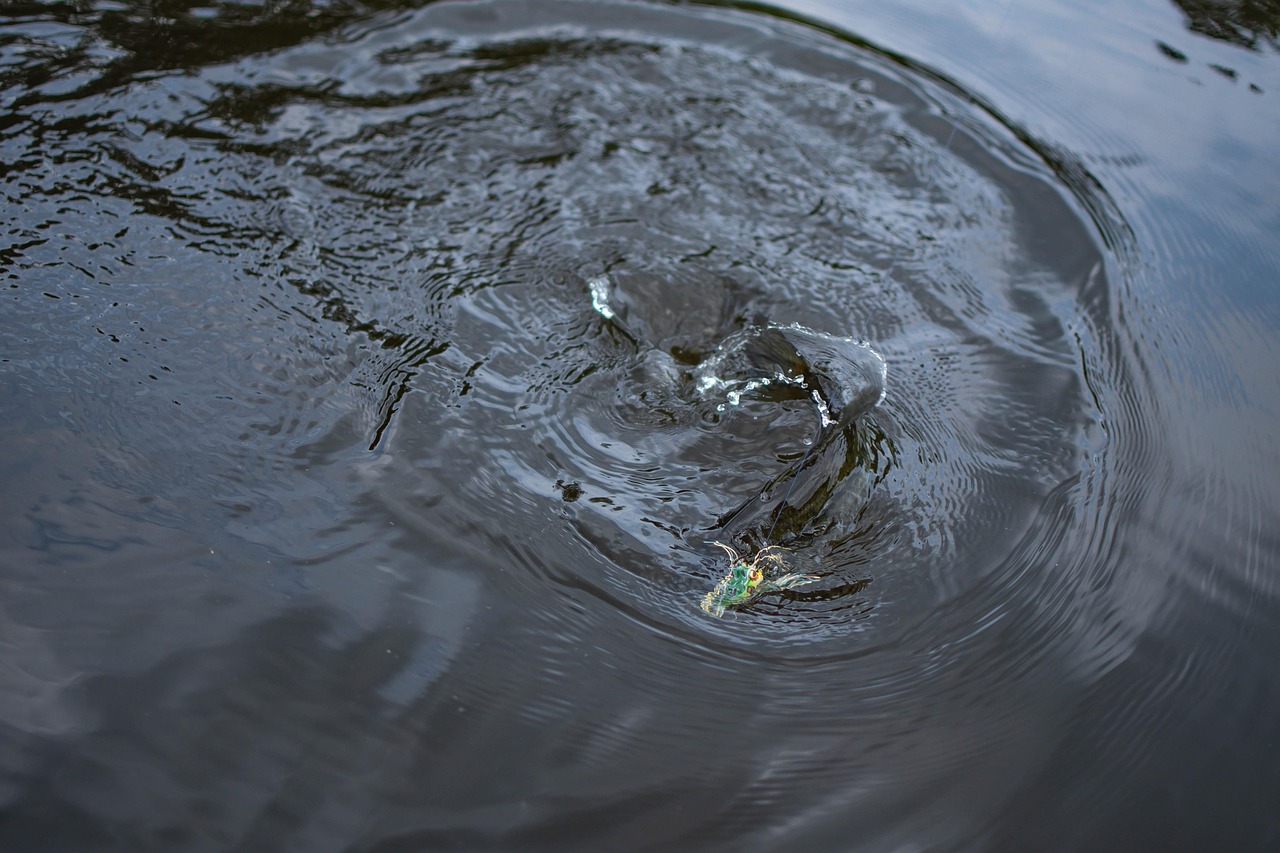
Finally, the color of the crankbaits may not be the same when they are in the water as they appear in the tackle shops where the anglers purchase them.
This is due to the way that the light reflects off the various colors of the crankbaits change from shop to water environments. To even this out, dunk the crankbaits into a bucket of water to check the color of the crankbaits. Make sure that the color of the crankbaits matches the forage for the fish in the area where the angler intends to fish.
This will allow the fish to see the crankbaits when they are fishing.