
Topwater fishing involve using lures that move on teh surface of the water to attract bass. Many people who fish with topwater lures experience frustration at the inability of those lures to result in successful hookups. In order to be successful with topwater fishing, anglers must understand the reason that the bass may strike the lure but not remain hook to the lure.
Common Problems When Using Topwater Lures
1. Avoiding Short Strikes
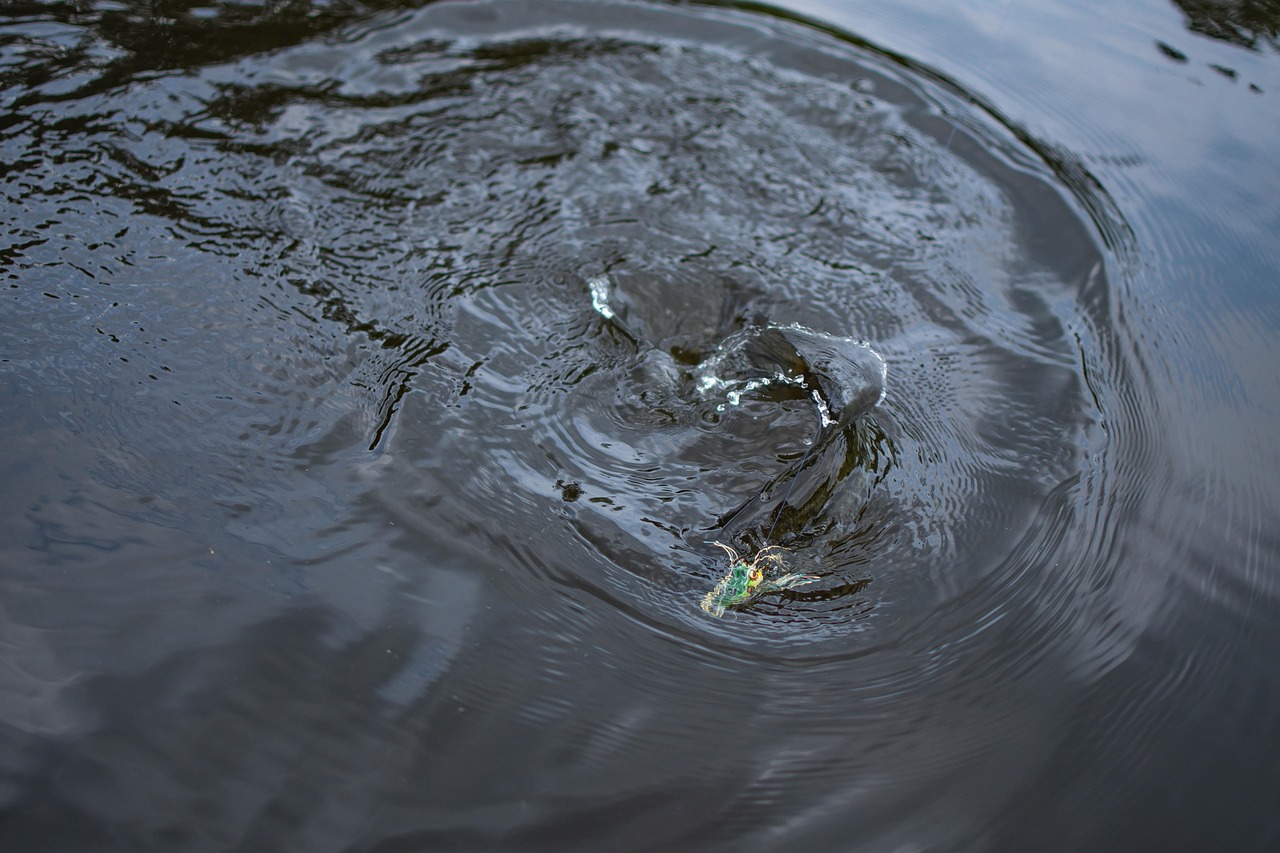
Bass may strike at a topwater lure but not take it in because the strike is a short strike. A short strike indicates that the bass did not take the lure into it’s mouth. Short strikes may occur if the angler retrieves the lure too fast or too erratic.
As ambush predators, the bass may need to calculate the point of interception of the lure before it will strike. Should the movement of the lure be too much like a panicked baitfish that is fleeing from danger, the bass may strike at the lure as a reaction to the movement of the lure but not be interested in eat. In order to avoid short strikes, the angler can reduce the speed at which it retrieves the lure by half.
Additionally, the angler can introduce longer pauses between the twitches of the lure. When the movement of the lure is slow and mimics an injured baitfish, the bass is more likely to take the lure and inhale it. The condition of the water may also impact the behavior of the bass regarding the lures that are being used.
2. Water Clarity and Conditions
In clear water conditions, the bass can observe the lure for a longer period of time before deciding whether or not it will pursue the bait. In stained water conditions, the bass may be committed to the lure more quickly since the water clarity limit its vision of the lure. Additionally, the behavior of the bass may change according to the time of day or the season.
For instance, during times when the bass is lethargic it may expect for the lure to be retrieved at a faster rate in order to commit to the lure. Fouling of the fishing line with grass or where the line wraps around the body of the lure can be problematic when using topwater lures. This fouling can occur if the angler uses a lure with too large of hook or if the angler knot placement on the lure is incorrect.
3. Preventing Line Fouling
For instance, if the popper lure has too large of treble hooks for the body of the lure it may rotate during the cast of the lure and the leader may tangle with the fishing line. The size of the hooks on the lure should match with the weight of the lure and the balance of the lure. The point of the hooks should ride just below the surface of the lure so as to avoid creating any drag upon movement of the lure in the water.
In order to avoid fouling, anglers can use heavy fluorocarbon line but this may increase the chance of the line getting wrapped around an object. Instead, using a short section of braid with a lighter fluorocarbon line can help to avoid fouling. The braid will have a thinner diameter than the fluorocarbon line.
Additionally, braid does not have memory like fluorocarbon line so it will allow the lure to move more natural in the water. Additionally, the angler should ensure the knot placement is in the proper place on the lure. Wind can present challenges when using topwater lures but sometimes the wind can also be of benefit when fishing with these types of lures.
4. Managing Windy Conditions
If there is alot of wind the baitfish will be concentrated in certain areas of the water where the wind is blowing. Wind may also create cover for the bass when they strike at the baitfish. A lightweight walking bait may not work well in a fifteen-mile-per-hour breeze.
In this situation, a heavier lure should be used. Heavier poppers will be able to cut through the wind better than the lightweight lures. Additionally, the heavier poppers will create the commotion in the water that is needed in areas of turbulence in the water.
Prop baits may also be beneficial in windy conditions as the blades that spin will create vibrations in the water that will provide a target for the bass even when there are waves that break over the lure. To be successful with topwater fishing, the angler should understand the correct method to set the hook in the basss mouth. Many anglers attempt to set the hook for the bass by swinging the rod in a violent fashion.
5. Correct Hook Set Technique
If the bass did not take in the lure completely, this could potentially pull the lure out of the mouth. If the bass does strike at the lure, it may have only taken the lure in from below or the side. In this situation, the angler should use a sweeping motion of the rod to set the hook.
First, take up the slack of the line before performing the action of drive the hooks home. Count to one after sighting the strike before performing the sweep motion with the rod. Additionally, depending upon the type of forage that is in the water, different types of lures will be of benefit to the angler.
6. Matching Lures to Local Forage
If the forage consists of bluegill fish the lure should have a rounded profile rather than a long thin profile. Additionally, if the forage in the water contains shad fish the lure should be tuned to look like a shad fish. By having different types of lures at the anglers disposal there will be an option for every situation that arises in the fishing environment.
7. Tuning Lure Performance
In addition to the different types of lures an angler can use, some lures will need to be tuned to ensure optimal performance when fishing with them. The angler may need to tune the lures prior to the first cast. The angler can observe the lure as it is being retrieved to ensure that it is balanced properly in the water.
For instance, walking baits may only move in one direction in the water when cast. In this situation, the angler may need to adjust the weight of the lure to even out the movement of the lure. The pliers that are used to tie the line to the lure can be used to adjust the split shot in the lure or the addition of a split shot can be used to alter the movement of the lure.
8. Practicing Persistence
Finally, using topwater lures requires some degree of persistence on the part of the angler. Anglers may become accustomed to quickly casting a specific brand of lure. Yet the bass may not become accustomed to these lures so quickly.
It may take twenty or thirty casts with the same lure in the same spot for the bass to become interested enough in the lure that it will attempt to strike at it. When the bass may be sluggish during the summer months some persistence is required before the fish will become interested in the lure being cast into the water. Persistence is a necessity to ensure that the angler continues to cast their lure until the bass becomes interested in it.