

Bass anglers fishing with soft plastic baits may have a very sucessful experience when everything work correctly with the baits. For instance, if a person makes one subtle twitch of the bait on the line, the bass may inhale the lure as if the bass requires the food. However, reality often follows the success experienced with soft plastics.
The plastic bait may tear in half when a fish miss a strike. Or, the plastic tail may curl in on itself into a useless ball of plastic after the person has cast the bait ten times. Or, the fish may pull the plastic bait on a hook free when the person sets the hook.
All of these frustrations may occur when fishing with plastic baits. However, instead of treating these frustrations as bad luck, there are a few issue with soft plastic baits that can be rectified with a few simple steps. Soft plastic baits is considered to be finicky when compared to other types of fishing bait.
This is due to the fact that the plastic baits are usually designed to look alive in the water. To allow the soft plastic baits to look realistic when they are in the water, the plastic sacrifice some of the durability of the plastic bait. By understanding some of the common issues with plastic baits, a person can spend less time dealing with the problems and more time fishing for the bass.
Common Problems With Soft Plastic Fishing Baits
1. Tearing of the Plastic Bait Nose
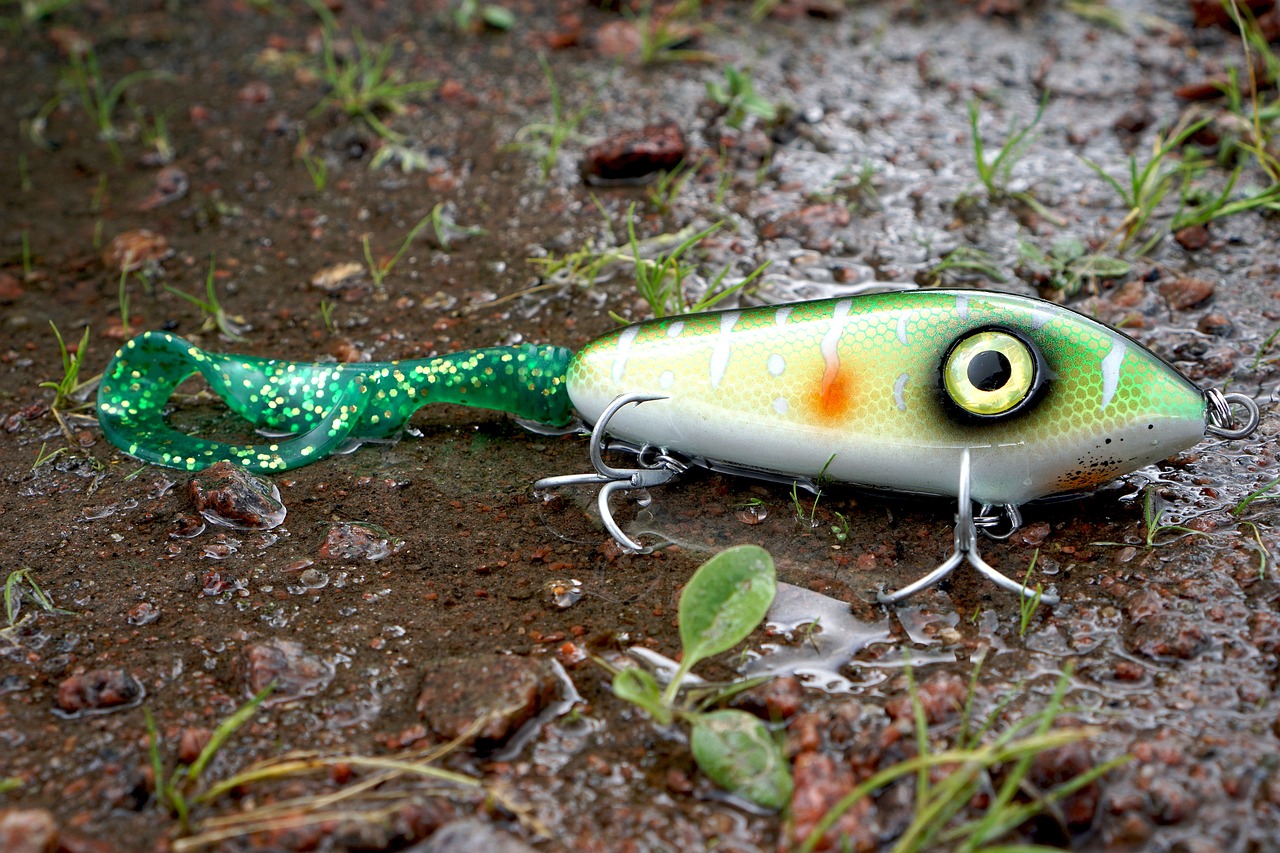
One of the most common issue with plastic baits is the tearing of the nose of the plastic bait. For instance, if a person rigs a straight-tailed worm with a shaky head and casts the bait three times, the plastic bait may begin to slide down the hook. This is the result of the plastic getting pinched and stretched every time the hook eye move when the person casts the bait or when the person retrieves it.
The spot where the plastic is most stretched when on the hook is the area where the plastic is required to be the strongest. The solution to this problem is to use a hook with a wider gap and barbs such as a bait keeper or a screw. These barbs will grip the plastic bait and stop it from sliding down the hook.
Some anglers will add a small drop of super glue to the nose of the plastic bait after they have finished rigging the bait. This will permanently bond the plastic to the hook. This might seem like an overkill solution to the problem.
2. Incorrect Floating or Sinking Rates
However, it will pay off when the person finds themself still fishing the same plastic bait for the entire afternoon. Another issue that develop with plastic baits is that the baits will refuse to float or sink properly when the anglers cast the plastic baits into the water. For instance, a person may cast a Senko-style plastic bait into the water, but the bait might either sink straight to the bottoms of the water column or the plastic bait might float back to the water surface.
The problem with plastic baits is that the manufacturers add different amount of salt to each type of plastic bait. The more salt that is included in the plastic bait, the more quickly the plastic bait will sink. However, the more salt that is in the plastic bait, the more brittle the plastic will be.
If there is too much salt in the plastic bait, it will sink rapidly, but it will break easily. On the other hand, if there is too little salt in the plastic bait, the plastic bait will remain suspended in the water column but will lose its characteristic action when the water is cool. The problem of plastic baits either refusing to sink or float can be solved by understanding the type of fishing conditions in which a person is going to fish.
If a person is fishing in shallow area with grass, a slow sinking bait will work best. However, if a person is fishing in deep water or structure, the plastic bait should have a weight to it such that it will reach the bottom without the fish losing interest in pursuing the plastic bait. A person can test the sink rates of the plastic baits in a tank or a pool before fishing.
Once a person understands the sink rates of their favorite plastic baits, a person can adjust the weight of the hook or add lead tape strip to the body of the plastic bait. These steps will only take thirty seconds, and the sink rate can be adjusted accordingly. Another common problem with plastic baits is the occurrence of line twist.
3. Line Twist from Tail Spinning
A person may be fishing with a plastic bait and retrieving it in a straight line. However, the line may appear to be braided spaghetti when the person holds it in their hand. This occurs when the spinning of the tail of the plastic bait create a twisting motion in the fishing line.
This is especially true if the person is using light fishing line such as fluorocarbon or monofilament line. This issue is easily missed when fishing. Many people may blame their fishing reel for the line twist.
However, the cause of the line twist is the type of plastic bait that are being used and the type of line that is being fished with. The solution to this issue is to use a small barrel swivel between the fishing leader and the fishing line. The swivel will absorb the spinning motion of the plastic bait’s tail.
Another solution is to rig the plastic bait on a weighted swimbait hook with a screw-lock bait keeper. This will prevent the body of the plastic bait from spinning in the water. Each of these solution will allow a person to keep their fishing line straight and their casts long and even.
4. Color Fading from UV Exposure
Color fading is another problem with plastic baits. For instance, a plastic bait that is bright green will lose much of its color if it is exposed to the sun for several hours. The plastic will fade to a pale yellow color.
The reason that the fish that used to eat the bright green plastic bait will no longer eat the faded plastic bait is because of the color difference. Most plastic baits has different amounts of UV inhibitors. Cheaper plastic baits will contain less UV inhibitors and will lose their color rapidly when exposed to direct sunlight.
The solution to this problem is to store plastic baits in a dark bag. A plastic bag with bright colors will absorb the sun rays and cause the plastic baits to lose their color. A person can store plastic baits in a dark bag and rotate the colors of the plastic baits every few hours on especially difficult fishing days.
Some anglers will carry two identical packs of plastic baits. One pack will have fresh plastic baits, and the other will contain plastic baits that have already been used when fishing. When the fishing is slow with a person’s favorite color of plastic bait, the person can switch to the used plastic bait pack that contains the vibrant, original color of the plastic baits.
This might seem picky when fishing for bass. However, the angler will be amazed at how quickly the bass will react to the change in color. Hook exposure when fishing with plastic baits can also present a problem for the angler.
5. Poor Hook Exposure
For instance, a person may rig a creature bait such as a tube bait on a Texas rig. The hook point might be either too far into the body of the plastic bait or it may be extending out of the body of the plastic bait. In this situation, when a fish does strike the bait, the person might feel the fish’s tap on the line.
However, the point of the hook will not be able to find purchase on the fish. This error might be caused by the thick plastic bait not being suited to the size of the hook or it might be the result of using the same hole in the plastic bait for hooking the bait repeatedly. The solution to this problem is for the angler to use a hook whose size match the thickness of the plastic bait.
For instance, the bend in the hook should be just inside the plastic bait so that the point of the hook comes out of the plastic with a half-inch gap. In the situation in which the same plastic bait has been hooked by the angler several times, the person should move the entry point of the hook forward by a quarter inch each time it is hooked. This will keep the plastic bait from stretching out and losing its ability to adhere to the bass that it is fishing for.
6. Deformation from Salt and Moisture
A person can use a small pair of nail clippers to trim the plastic bait around the hook’s exit point. Plastic baits that are stored in a plastic bag will often begin to stick together and become deformed if the bag contains salt. The salt that is used in the plastic bait will dissolve in the air, and the moisture will melt the plastic over time.
To prevent this problem from occurring, a person should separate the colors of the plastic baits. Additionally, the heavily salted plastic baits should be stored in their own zip bags and a paper towel should be placed in each of these bags. Some fishermen will rinse their plastic baits with freshwater once per day and allow the plastic baits to dry before placing them back into storage.
This may seem like an extra step to some anglers. However, it will ensure that the plastic baits will last the angler for a long time. Another problem that may develop when using plastic baits is the degradation of the action of the plastic bait.
7. Degradation of Bait Action
For instance, a plastic bait whose tail curls when retrieved may lose its ability to curl after it has encountered several fish and been cast numerous times in the water. The actions of the plastic baits degrade due to the repeated exposure of the tail to cold water, hot water, and stretching. To re-energize the action of the tail, a person can use a small bottle of plastic rejuvenator that is available from most bait and tackle stores.
Alternatively, the person can dip the plastic baits with the degrading action into very hot water for ten seconds. This will allow the plastic to regain its original action and its ability to curl when retrieved. Another trick that some anglers use is to hang the plastic baits by their nose when not being fished with them.
This allows the baits to maintain their desired shape. These suggestions for fixing the problem of degraded action of plastic baits might seem old-school in design. However, they have stood the test of time and still work for today’s bass anglers.
8. Improper Rigging for Conditions
Another problem that occurs when a person fishes with plastic baits is in the rigging of the plastic baits for the specific fishing conditions. For instance, a person may use a weightless ned rig to fish in heavy current but not feel the bottom of the lake that they are fishing in. In another scenario, a person may overload a finesse worm with a three-eighths ounce bullet weight and fish in a pond with a maximum depth of five feet.
The fish will spook at the sight of the weighted plastic bait. The cause of this problem is not with the plastic baits. Instead, it is with the person’s lack of understanding of how to properly rig the bait for the specific fishing conditions.
A person should take a few minutes to study the water that they are fishing in. For shallow waters with few fish covers, a person should use a light fishing line and no weights on the plastic baits. For areas with many fish covers and depths in the water, the person should use a heavier plastic bait with stout hooks that will hold up to the struggle between the fish and the plastic bait.
By understanding how to rig a plastic bait for the environment in which a person is fishing, the bass angler will find success with their plastic baits. These issues with plastic baits will continue to exist in the same manner as long as anglers continue to use plastic baits. The reason for the existence of these issues is because plastic baits are meant to look more alive in the water than other types of fishing lures.
However, plastic bait issues can be largely controlled by each angler if they pay close attention to the behavior of their plastic baits after each fishing trip. Each angler can make small adjustments to the plastic baits that they use to catch bass. Additionally, each angler can store their plastic baits as if they cost twice as much money as the angler paid for them.
If a person’s fish performs a short strike on the plastic baits and the person’s plastic bait comes back looking like it experienced a fight with the bass that they are fishing for, the person should not reach for a new plastic bait. Instead, a person should take a few minutes to consider the causes of the problem. The cause of each of the problems described above is likely to be the issue that the person should fix.
In this way, the person will find success with their plastic baits and their efforts to fish for bass.