
Florida’s waters provide a location that is a paradise for a bass angler. The state features tannic rivers in the Panhandle, lakes that sprawl across the central portion of the state, and estuaries along the coast. Each location harbors a variety of bass species.
Each bass species has its own unique behaviors, each bass species will hit a variety of different lures, and each bass species will reward an angler with a particular approach. If a person understands the individuality of each bass species, then a person will have good days and great days on the water, and a person wont waste time pursuing the wrong type of tackle to the various locations in Florida that is home to these species. The variety of bass species that live in Florida impacts the fishing in that there is no one method to fish for the species in all locations of the state.
The method that is successful in one location will not be successful elsewhere. For example, the methods used to catch stripers in the St. Johns River will be entirely different than those used to catch largemouth bass in Lake Okeechobee. A knowledge of the different species of bass in Florida will allow an angler to understand which types of fishing tackle to use for each species, which time of year to fish for each species, and how to read the water that is home to those species.
Each of these species has its own unique characteristics and behaviors that allow anglers to learn how to best catch each type of bass in Florida. Largemouth bass are the kings of fishing in Florida. The largemouth bass species can grow to be bigger in Florida than anywhere else in the United States due to the warm climate in which they live.
Common Types of Bass Found in Florida
1. Largemouth Bass
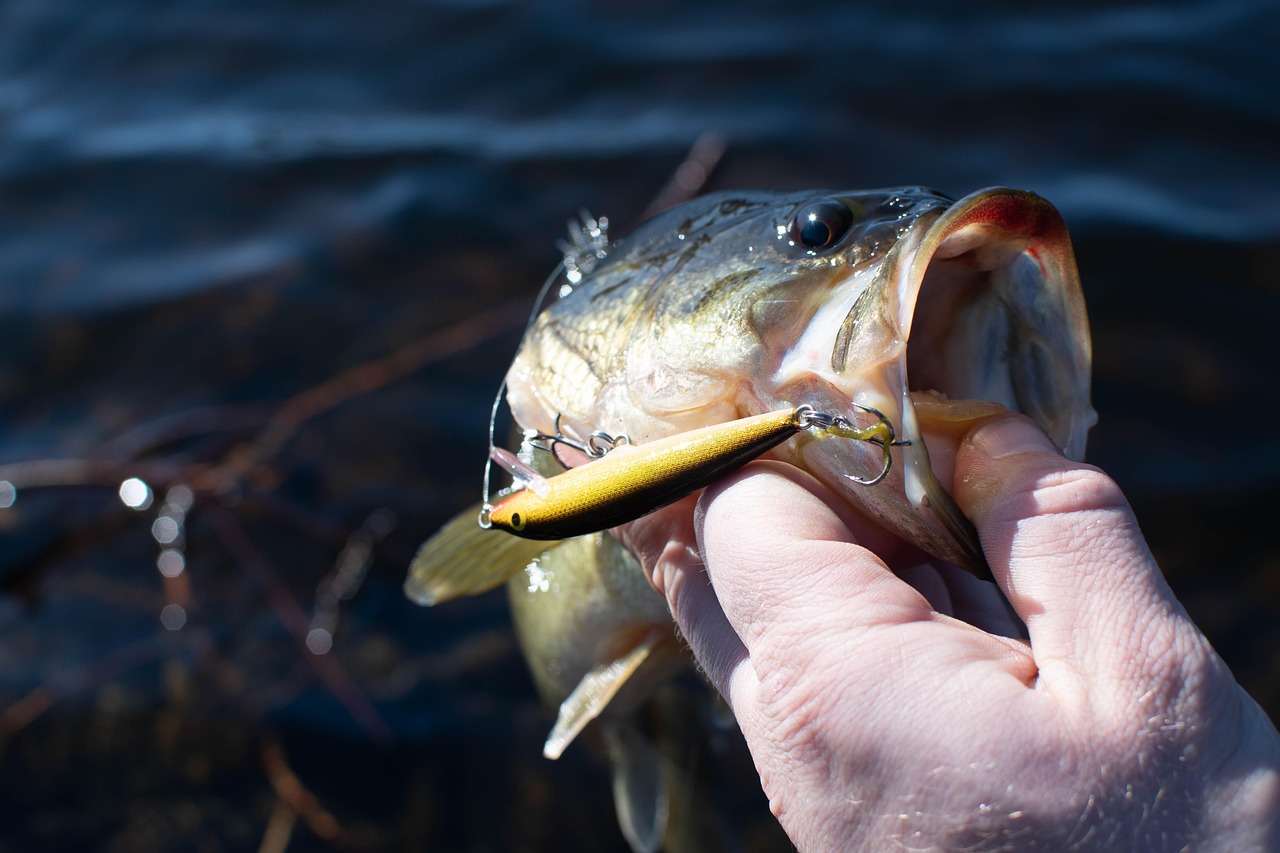
In Florida, largemouth bass can grow to weigh more than ten pounds, and there are even stories of largemouth bass that weighed as much as fifteen pounds. The species has an enormous mouth that allows them to eat a variety of food, such as bluegills or even ducklings. Therefore, lures such as topwater plugs, spinnerbaits, and plastic worms will be successful when used to fish for largemouth bass.
Bass of the largemouth species live in a variety of locations throughout Florida, including marshes and lakes. However, their preferred habitat includes areas that contain some form of structure, such as submerged trees, hydrilla beds, or docks. Therefore, methods that involve flipping a jig into these areas will bring in a five-pound largemouth bass.
However, the largest largemouth bass live in areas that are more difficult to access for the angler with a boat. Depending on where the bass live, an angler may have to use a shallow-draft boat to access these areas or may have to cast their line for long distances to these bass. Overall, largemouth bass are one of the most impressivly freshwater fish species in Florida.
2. Smallmouth Bass
Smallmouth bass are a species that is less common in Florida. Smallmouth bass like to live in areas that are cooler and clearer in color with rocky riverbeds. These areas include the northern portion of the state as well as a few spring-fed rivers.
In these areas, smallmouth bass will be smaller than smallmouth bass species that live in the northern portions of the state. Smallmouth bass will rarely weigh more than four pounds when caught. However, the fight that they present when being caught is one of the most memorable when compared with other bass species.
To catch smallmouth bass with success, anglers should use finesse techniques such as drop-shot rigs, tube jigs, or small crankbaits. Smallmouth bass has a higher sensitivity to temperature in the water than largemouth bass. Therefore, the bite on smallmouth bass will be better when the water temperature in those areas drops to below seventy degrees on the scale.
Smallmouth bass are not a species that can be located year-round; therefore, anglers will have to adjust their schedules accordingly. However, the fight between the angler and the smallmouth bass is enough of an incentive for anglers to pursue these species during their seasons.
3. Striped Bass
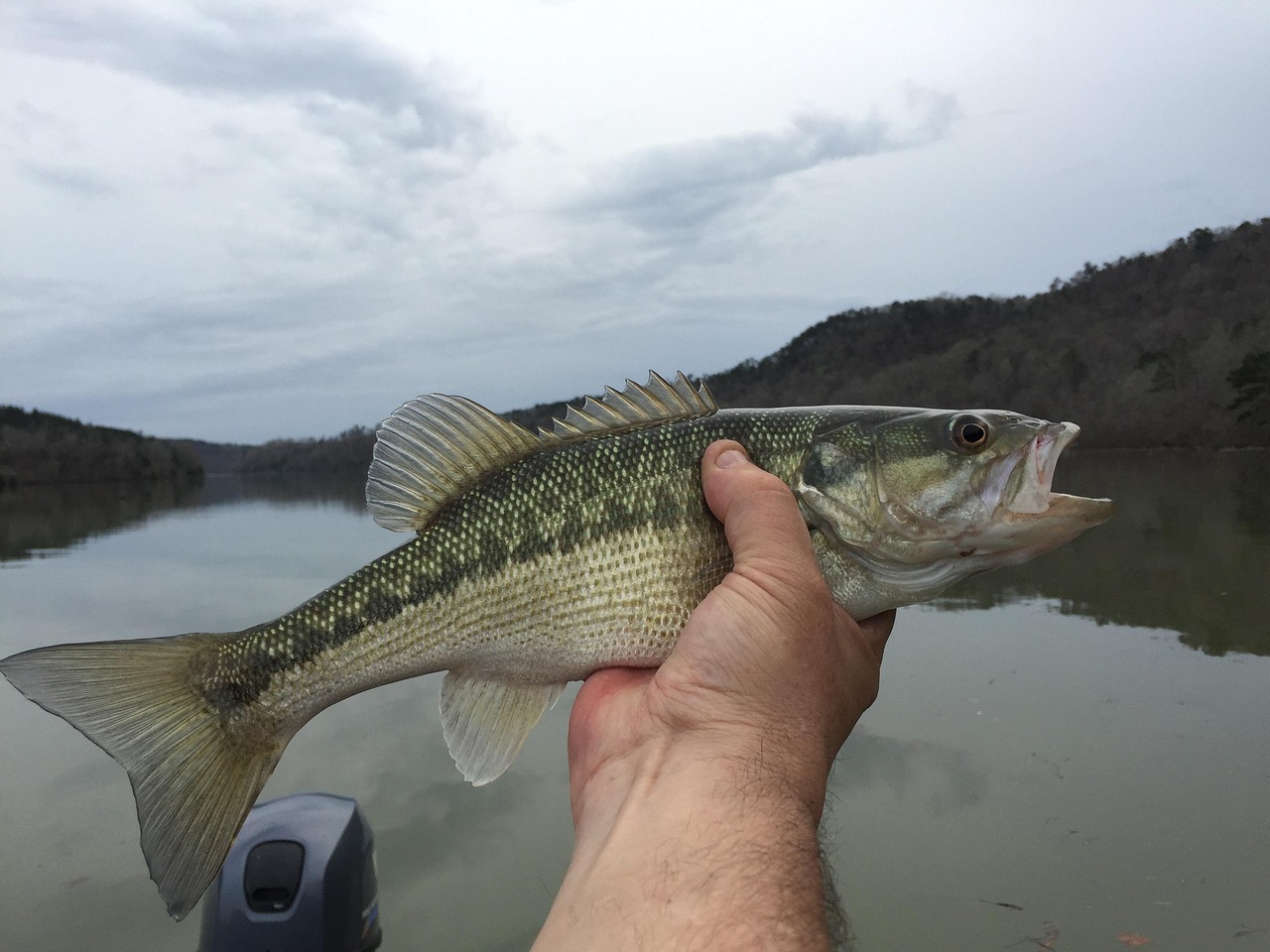
Striped bass, also referred to as stripers, are another bass species that live in Florida’s waters.
These fish are anadromous, which means they travel up the rivers to spawn. The Apalachicola, the Suwannee, and the St. Johns rivers all contain populations of striped bass in Florida. These fish can weigh in at thirty pounds or more.
However, the average weight of striped bass is between five and fifteen pounds. The striped bass have silvery sides as well as dark horizontal stripes on their bodies. The striped bass live in schools and prey on shad and menhaden fish.
Therefore, topwater techniques will be successful in catching these fish, or live bait can be used. The striped bass require alot of dissolved oxygen in the water. In the summer, therefore, when the water contains the least amount of dissolved oxygen, anglers should target areas in the rivers where the water is deeper, such as holes or tailraces behind dams.
When an angler catches a striped bass, the long and powerful run that the striped bass makes when first caught is the reason for the long distances that people drive to pursue these species in Florida.
4. Spotted Bass
Spotted bass, also referred to as spots or Kentucky bass, live in the rivers of the Panhandle of Florida as well as the upper portion of the St. Johns River. The spotted bass have the body of largemouth bass but on a smaller size.
Additionally, spots have rows of dark spots on their bodies beneath the lateral line. These spotted bass weigh less than five pounds. However, they are an aggressive species and will readily strike at fast-moving lures.
In addition to the preferences of spotted bass to live in areas with current and structure, such as rocks, anglers can use lipless crankbaits or spinnerbaits to catch these species. Additionally, if the water in which spotted bass live is clear of debris, these fish will also strike at finesse techniques. The spotted bass have a higher tolerance for warmer water than smallmouth bass.
Therefore, spotted bass will be found in areas that are warmer than areas for smallmouth bass. However, over time, largemouth bass will dominate over spotted bass in many of the lakes in Florida. However, when spotted bass are located in abundance, they will keep anglers in the water until their arms become aching with the amount of effort that it takes to reel them in.
5. Peacock Bass
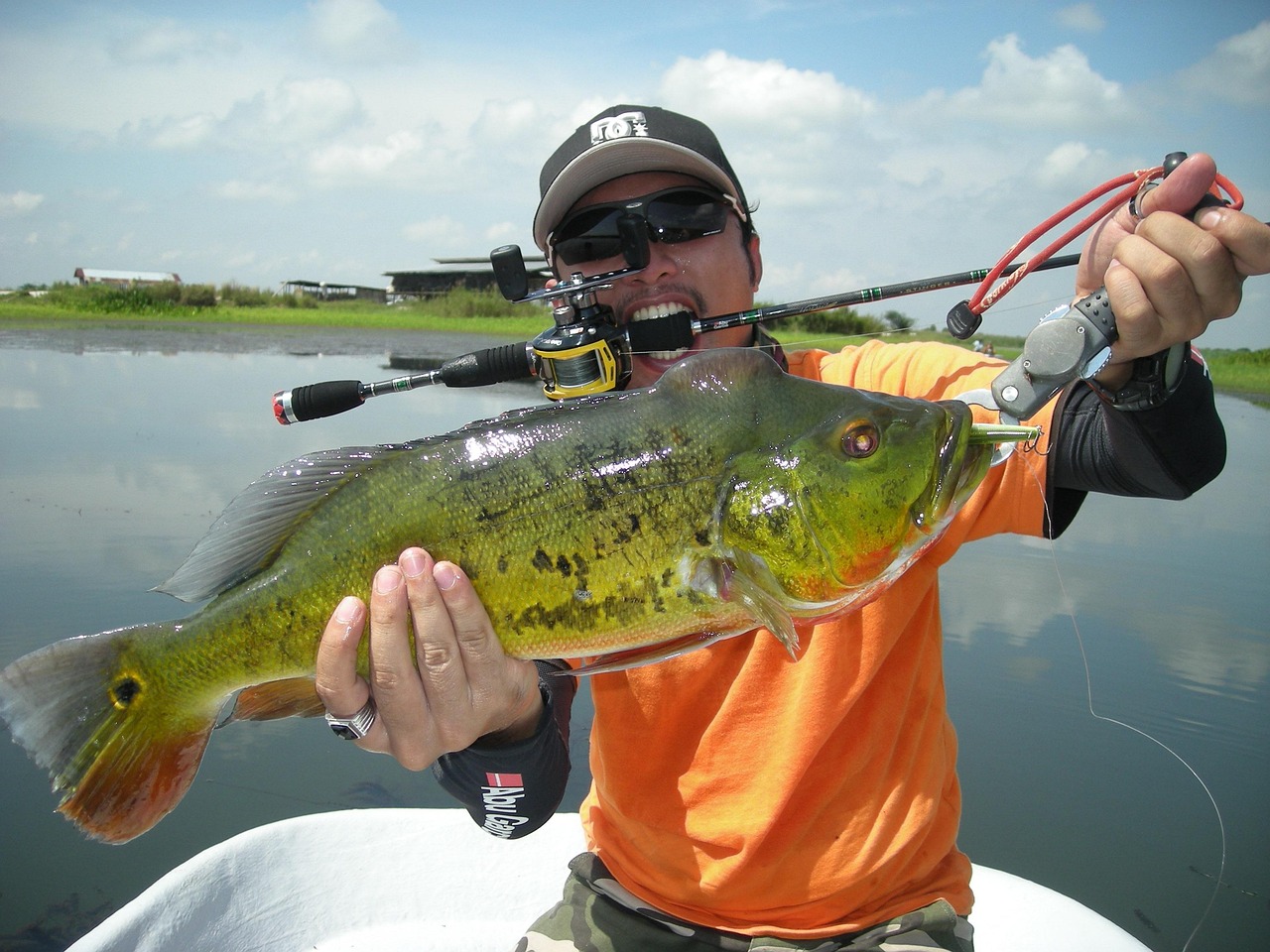
The peacock bass might be the most exotic of all of the bass species in Florida. These species were introduced into the canals of South Florida in the 1980s. In addition to their ability to thrive in the subtropical areas of Miami-Dade and Broward counties, they have created an impressive population of these species. The fish have electric blue and gold markings that range along their bodies as well as two enormous eyes on the fish that give them a look of surprise.
Peacock bass are known to fight harder than their size would allow them to. Furthermore, they jump out of the water in a display of head shaking and jumping when anglers are reeling them in. These fish prefer the canals in Florida and like structure in the water.
Fly fishermen are often successful using poppers to attract the peacock bass. Additionally, conventional anglers can succeed in the canals by using medium-sized topwater bait or swim jigs. However, the peacock bass are very sensitive to cold water.
When the water temperatures drop below the low sixties, the bass become almost dormant in their preferred areas in Florida. Therefore, these species are limited to the southern portion of the state. However, trips to areas like the Miami canals provide anglers with an experience that could of been compared to traveling to another continent during the winter months.
6. White Bass
The last species of bass that can be found in Florida is the white bass. This species is smaller than striped bass but can be overlooked by anglers. White bass will rarely weigh more than two pounds.
Additionally, they live in schools of massive numbers in the spring when they spawn in various rivers and creeks in Florida. The white bass have silvery bodies with faint stripes along their bodies. These can be easily distinguished from the yellow bass that live in the same areas in Florida.
These fish are located in the Panhandle portion of the state as well as the central portion of the lakes. Anglers can expect fast action when using light tackle to catch white bass. Anglers can make double-digit numbers of catches in a few minutes by using small jigs, spoons, and crankbaits in the schools of white bass.
Additionally, the fish taste good when caught and prepared as food. However, white bass have a short lifespan and their populations ebb and flow over time. Some years in Florida feature amazing fishing opportunities for white bass while other years there are few spotted.
However, when there are plenty of white bass in the water, the experience of fishing for these fish is one of the most enjoyable on the planet for anglers of all ages. Each of the species of bass that can be found in Florida are different from one another yet all provide anglers with memorable experiences while pursuing these species. Anglers may encounter the ten-pound largemouth bass buried in hydrilla, fight a smallmouth bass in a rocky riverbed, experience the long and powerful runs of a striped bass in a river, or encounter the topwater mayhem of a peacock bass in a canal.
All of these experiences will last in the memories of anglers for a long time. In order to be successful with catching any of the species of bass in Florida, an angler should pay attention to the temperature of the water, the clarity of the water, and the types of structures that are along the banks of the water. If an angler pays close attention to these features of Florida’s waters and understands which bass species lives in which areas, the bass will reward the angler again and again.
The next time an angler sets out to fish for bass in Florida, they should remember that the fish that they may encounter may not be the types that they expected. However, the surprise of these findings is what makes fishing for bass so addictive in Florida.