
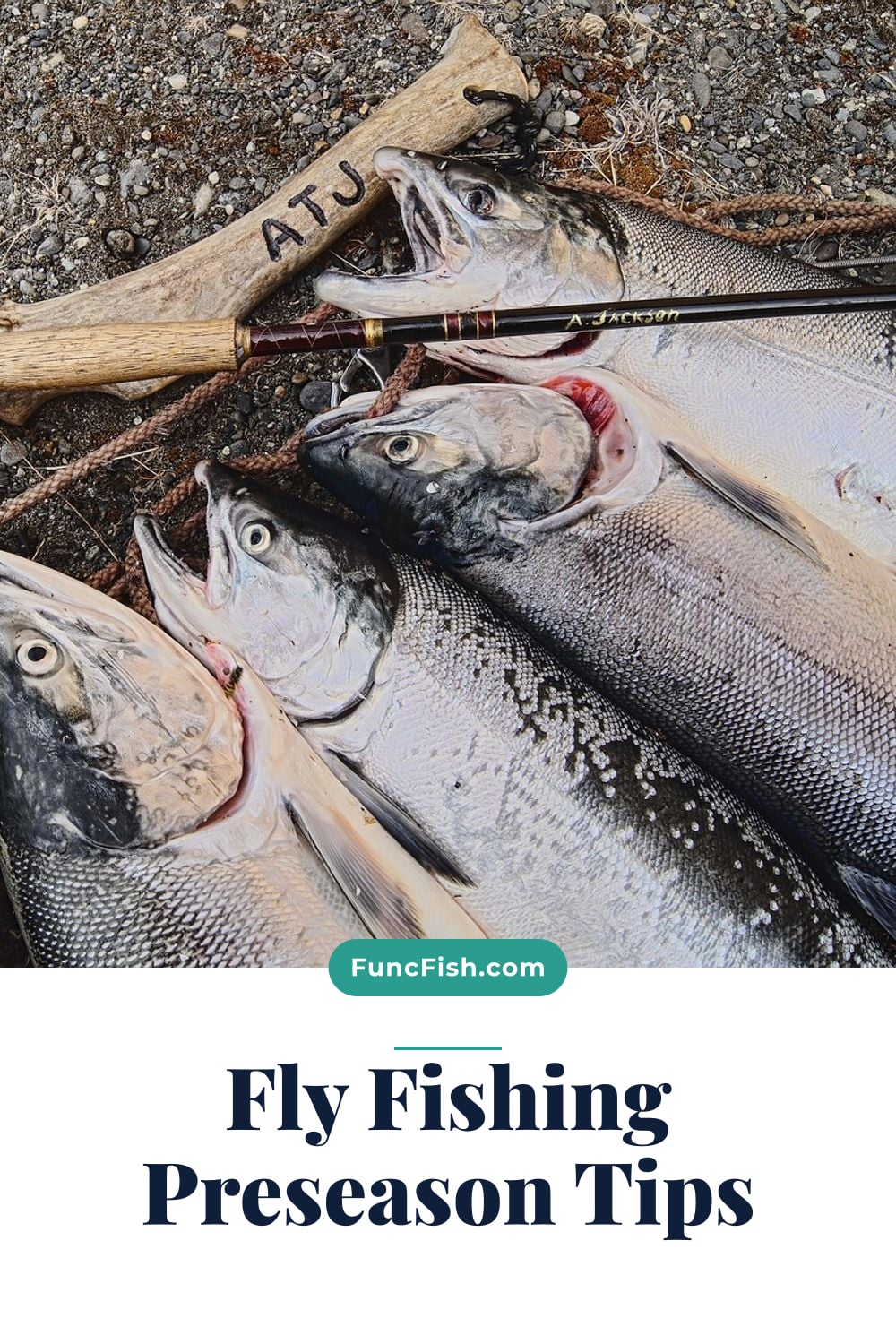
The appearance of the river change in the early spring season. The water that flows through the river during this time is cold water due to the melting snows and the water that flows through the river is clear. The banks of the river contains patches of leaves from the previous fall.
The fish in the river have not yet seen a clumsy cast from an angler in many months. This quiet time of the year, before the opening day of the fishing season, is a time when anglers should prepare for the opening day of the fishing season. Anglers should get there fishing gear ready and get their minds ready to fish early in the upcoming season.
If anglers prepare their fishing gear and their minds during this time, their first fishing trip of the season will feel good and like a continuation of their practice at fishing rather than the development of difficulties on the fishing trip. If anglers do not prepare during this time, however, they will find themselves spending their opening morning untangling their lines, they will find themselves during the opening morning questioning their knots, and they will find themselves spending their opening morning wondering why their trout is refusing there flies. Preseason preparation is not about luck.
Preseason preparation, however, is about habits. The habits of anglers who catch fish each season differ from anglers who do not catch any fish each fishing season. Anglers who catch fish each season take time prior to the fishing season to prepare their fishing gear.
Anglers who do not catch any fish each fishing season do not take time to prepare their fishing gear. Such habits create the difference between those anglers who has successes each fishing season versus those anglers who do not experience any successes each fishing season. The items that anglers should prepare before the first day of the fishing season includes preparing their fly line, leaders, and tippets, their fishing reels, their fishing rods, their approach to the fish that they will encounter in the river that they fish, and the contents of their vest or pack.
Anglers should inspect every inch of their fly line prior to the fishing season. Storage of the fishing fly line throughout the winter months can cause cracks in the line. Anglers should examine their fly line for memory coils, sticky areas in their line, and areas where the line is softer than other areas of their fishing line.
Anglers should clean their fly line with warm water and a few drops of mild liquid soap. Anglers should dry their line and then treat the line with a quality line dressing. Spending a few minutes treating the fishing line will pay off during the fishing season.
Essential Steps to Prepare for Fly Fishing
1. Leaders and Tippets
Aside from the fly line, anglers should also prepare their leaders and tippets. Tippets that are stored in areas that are excessively hot or cold throughout the winter will lose their strength faster than anglers may think. Anglers should take one foot of tippet from each spool of tippet.
Anglers should pull on each tippet with force. If the tippet breaks without resistance, anglers should replace those tippets. Fluorocarbon tippets hold up better in cold water than nylon tippets.
The downside to fluorocarbon is that it can be more difficult to form a knot in fluorocarbon than nylon. The downside to nylon is that it will absorb water and become weaker when it is wet. Anglers should prepare tippet sizes that are appropriate for the size of the flies that they will fish during the first part of the fishing season.
Four-X tippet is a good size for flies that range from size 14 to 18. Anglers should tie a few knots in the replacement tippet to ensure that there hands are familiar with the knots prior to beginning to fish. The fishing reels that anglers use should also be prepared during the preseason.
2. Fishing Reels
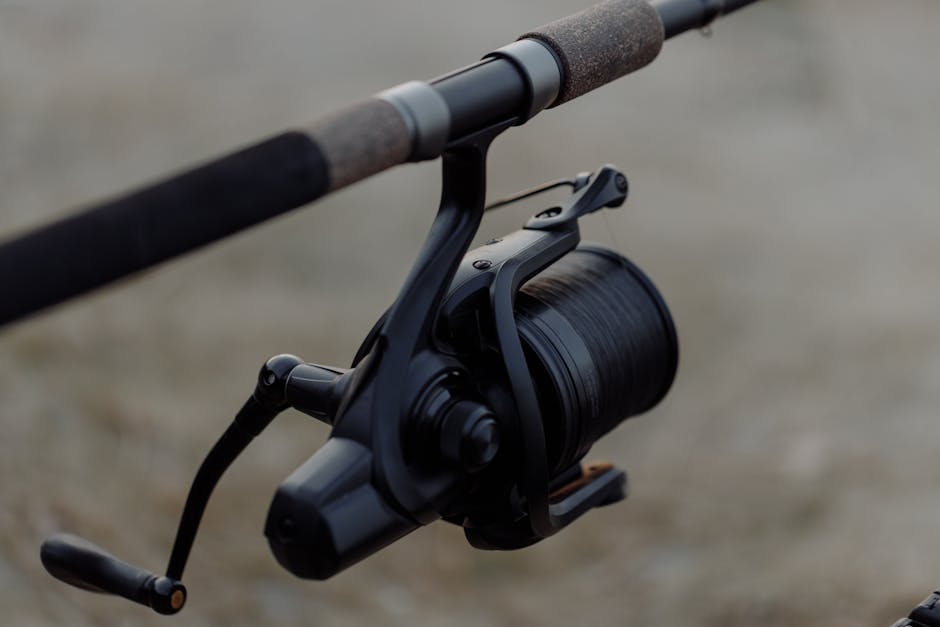
Anglers should remove the drag system from their fishing reels. Anglers should wipe the debris out of the drag system. Anglers should then apply a light coat of grease to the drag system.
Anglers should also treat the click pawl and disc drag components with lubrication. If the drag system is sticky with water, anglers may kill their first decent fish of the year. Anglers should also inspect the handle screws of the fishing rod to which the reel is attached.
Anglers should inspect if the foot that connects the reel to the fishing rod is secure. If it is not secure, anglers may lose their fight with any fish that they may have hooked during the opening day of the fishing season. Anglers should also replace the backing of their fishing reels if the backing begins to fray during the winter months.
The guides along the fishing rod and the ferrule of the fishing rod will collect dirt and experience oxidation throughout the winter months. Anglers can remove each guide with a cotton swab that is dipped in isopropyl alcohol. Residue within the guides can lead to the line of anglers being frayed during their fishing efforts.
Anglers should apply a light coat of wax or ferrule lube to the ferrule of their rods to keep it from sticking to the rod. Additionally, anglers should examine the rod for hairline cracks. Anglers may think that their rod survived the winter of last year.
The cold water of early spring may not be kind to the rod. Additionally, fishing rods may experience difficulties in early spring when fish begin to fight more aggressively at greater depths in the river. Anglers should focus on their casting stroke prior to the fishing season.
The casts that anglers may have thrown in the backyard or the fishing pond during the winter will pay off for anglers during their fishing season. The goal of early spring fishing is for anglers to place their fly within one foot of a rock or log without the line of their fishing rod spooking the fish. Anglers should practice casting their lines to achieve accuracy at distances of twenty to thirty feet.
Anglers should focus on the ability of their line to form a tight loop during the cast and the ability of their rod to stop during the cast. Anglers should also prepare their roll cast if they catch issues with their roll cast. Many rivers in spring months may contain banks that make it impossible for anglers to perform a back cast.
Anglers that can master their roll casts will be able to fish areas that other anglers may pass on their fishing trips. Anglers should also take time to study the water that they will fish. Anglers can visit rivers during late winter months while they do not have fishing rods in their hands.
3. River Study
Anglers can walk along the banks of the rivers that they will fish. Anglers can study the areas where the water is shallow along the rocks, where the deeper waters meet shallow waters, and where there are thermal springs in the river. Trout tend to seek warmer waters during early spring.
Anglers can also investigate the areas where mayfly nymphs lives along the rocks and the edges of the fishing rivers. Anglers that take time to understand what types of insects that the trout are eating will be able to prepare flies that will entice those trout to eat the artificial flies that they create. Anglers should prepare a selection of flies prior to the fishing season.
During the early spring fishing season, anglers should prepare their selection of flies to include nymphs and streamers. An easy selection of flies would be to prepare a stonefly nymph fly that has a larger attractor pattern attached to it. Anglers can also prepare a few flies that include a few San Juan worms in colors like wine or hot pink.
San Juan worms do not mimic anything in particular in the water. However, they often catch fish when other flies fail to entice the trout. For dry flies, anglers can prepare a few emergers like a Klinkhamer mayflies in sizes 16 and 18.
These types of flies work because trout tend to eat mayflies during the spring months. Anglers should not stuff their fly boxes with too many types of flies. Ten well chosen flies will provide a better fishing experience than fifty different type of flies.
4. Waders and Boots
Anglers should also prepare their waders and boots prior to the beginning of the fishing season. The spring months can be brutal on the waders that anglers use to fish. Anglers should fill their waders with water in a bathtub.
Anglers should search for any streams of water that may leave the waders. Anglers should patch any pinholes prior to the first day of fishing. Anglers should also replace the felt soles of their boots if the felt becomes worn down or if the areas that anglers fish with felted soles are prohibited.
Anglers can choose between studded boots and non-studded boots. Studded boots will provide better traction when anglers fish on slippery rocks. However, studded boots will be noisy when fishing on rocks that are covered in slime.
Anglers can choose their boots according to the type of rivers that they fish. Additionally, anglers should treat their fishing boots if the boots are made of leather or fabric. Anglers will feel better and fish for longer distances when their feet are kept dry in the spring water that ranges into the forty-degree water mark.
5. Vest and Pack Organization
Anglers should also organize their vest or pack. Anglers should place their nippers, forceps, and tippet spools in the same pocket on the vest. Anglers can place a bottle of floatant, split shot, and an extra leader in easy reach from the angler.
Anglers waste the feeding window of the day when they search for essential fishing gear. Anglers should create a checklist of all the items that they will need for fishing. Anglers should review that checklist the night before they go fishing.
Creating such a checklist will allow anglers to focus on fishing on opening day and will eliminate the chance that they will leave something at home. Finally, anglers should spend time thinking about their approach to the fish. Most trout during early spring are lethargic.
6. Approaching the Fish
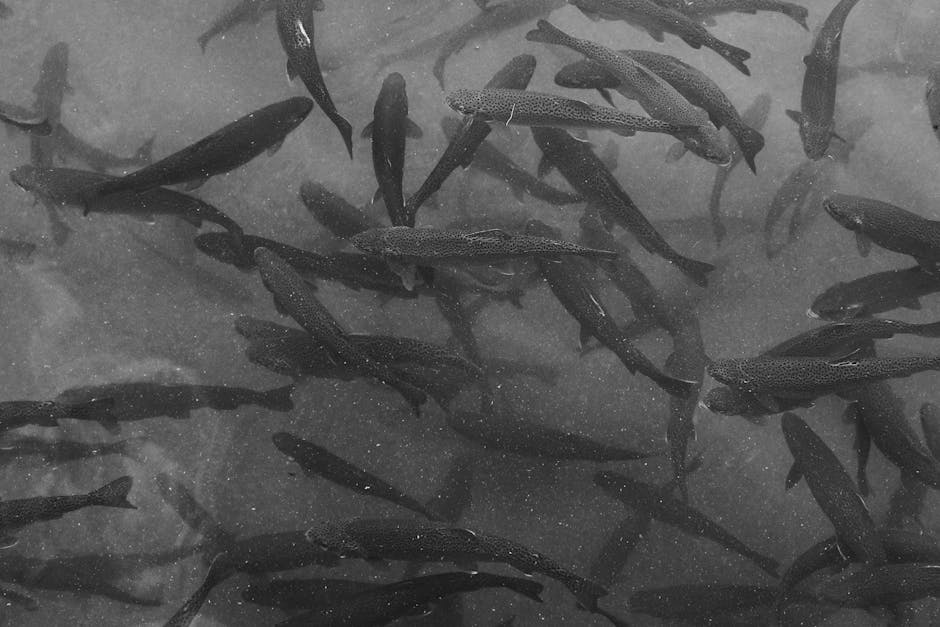
Additionally, trout during spring are likely to be easily spooked. Anglers should plan to fish upstream from the fish that they wish to encounter. Anglers should move slowly when approaching the water.
Anglers should keep their shadow from falling onto the water. Anglers should wear colors that are drab and not bright hats. Bright hats may spook the fish.
Anglers should approach the bank of the water as if a fish is watching them. There is generally one fish in the pool that is watching anglers approach. Anglers should consider how their approach to the fish will change if they consider that one fish is watching them while they approach.
Anglers should take time prior to the fishing season to prepare. The river will be there when the fishing season opens. However, what will change is how ready anglers are to encounter the river.
A few hours spent preparing in the preseason will separate anglers who enjoy successes each fishing season from anglers who do not enjoy any successes each fishing season. Anglers should get their gear, their minds, and their flies ready. Then, the first cast of the fishing season will feel less like a hope and more like the start of a fishing season that anglers have earned through their dedication to the sport of trout fishing.