
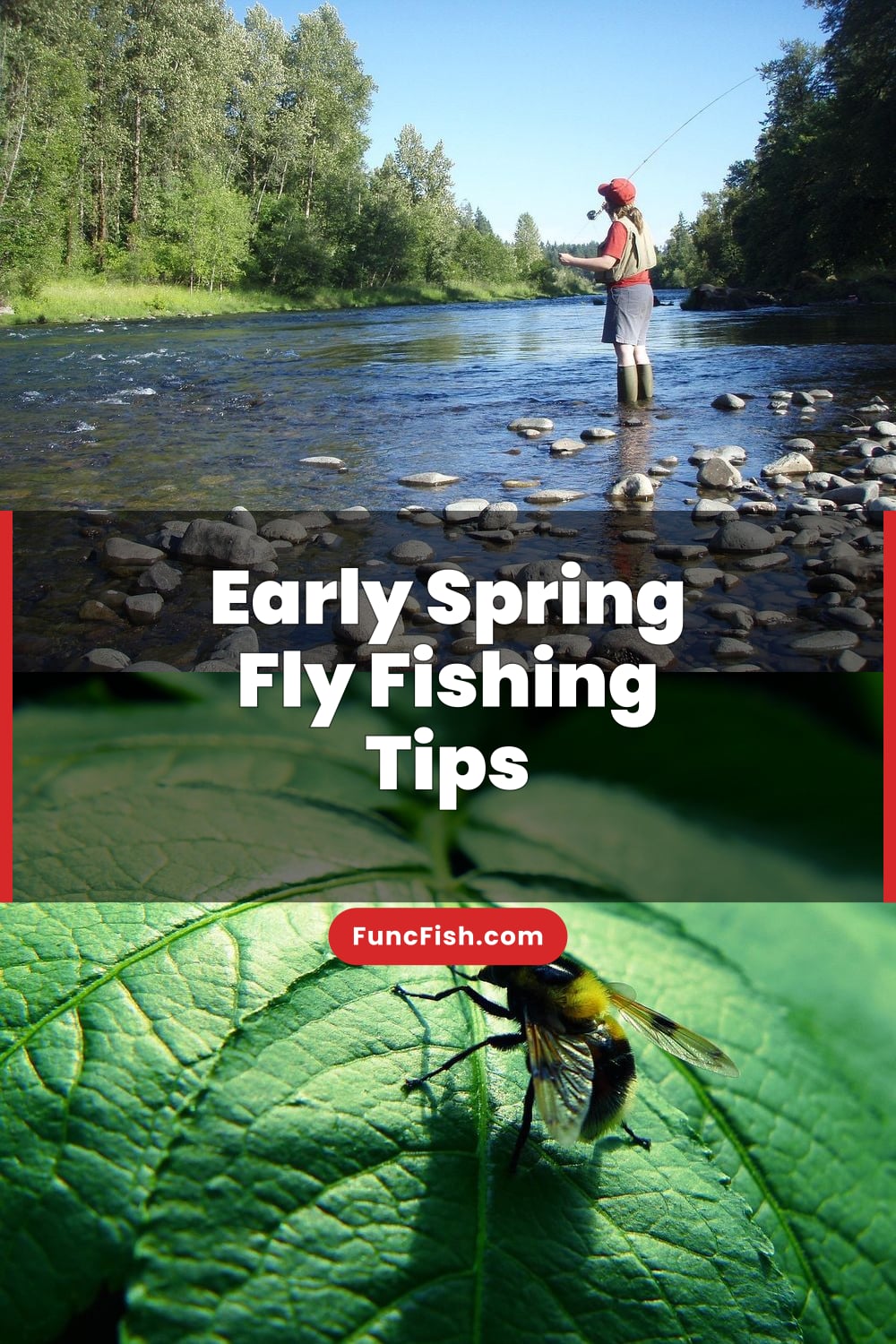
The first warm days of spring bring with them a specific kind of promise to those who fly fishes. While the winter has been long and the trout has been treated to a diet of nymphs all winter long, spring has come with melting ice and the promise of more food. Yet, it is also the time of year when the majority of anglers make they mistakes with the trout.
The water is still too cold for most trout to enjoy the seasons food, and the trout are simply very pickily during this time of year. However, by getting a few things right, the first few days of the year can end up being some of the most rewarding of the season. Fly fishing success involves adjusting you expectations and a few habits.
These few habits is what separate the few people who have bent their rod from the many who are skunked with trout that will not take your flies. The trout have forgotten how to be trout, but only until the spring temperature allow them to return to feeding on there favorite foods. The list below includes a few adjustment to your fly fishing methods before springtime to improve your chances of success.
Essential Tips For Early Spring Fly Fishing
1. Monitor Water Temperature
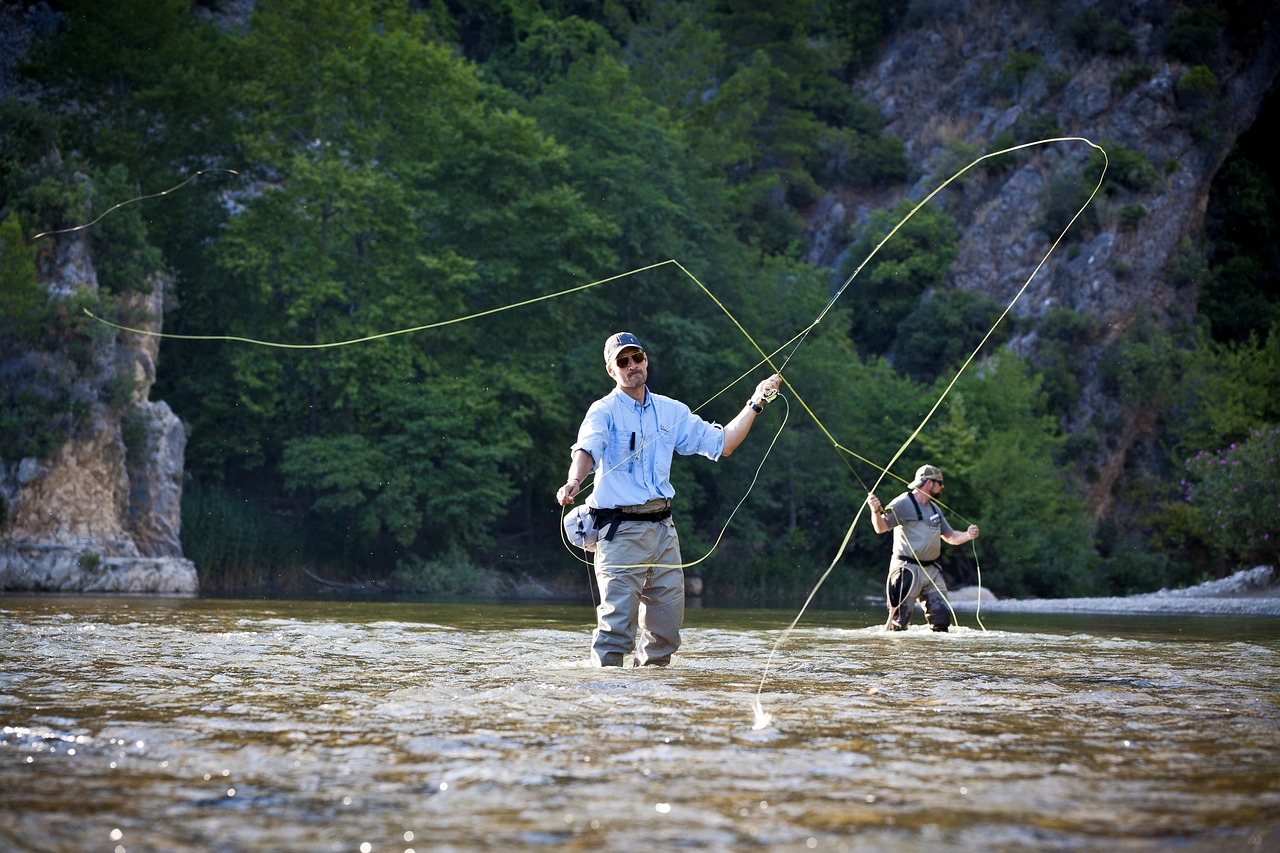
First pay close attention to the water temperature before you even begin to string up your rod. Trout are only active within specific temperature range during spring. Trout are only active within their temperature range of 45 degree or higher.
Using a decently priced thermometer to take the temperature of the river can eliminate any guesswork in this endeavor. For instance, if the temperature of the river reads 42 degrees at 9am in the morning, it is likely the trout will not be active until later in the afternoon when the sun heats the river to the extent of one or two degrees in temperature. Therefore, measuring the water before you begin to fish eliminates the fastest way to waste a good day on the water.
2. Focus on Nymphing Techniques
Furthermore, fish with a focus on nymphing techniques with a purpose. Trout in the spring are rarely interested in streamers or emergers. Trout want there food presented to them in the water with minimal effort on the part of the fish.
A two-fly rig work best for spring trout. For instance, you can use a stonefly or a hare’s ear on the point with a size midge or baetis dropper used eighteen inches behind the point. Make sure to add enough weight so that the flies tick the rivers bottom every few seconds.
Trout will pause when they inhale your offering. Anglers who find themselves fishing with no success are typically the same anglers who drift their flies too fast or too highly in the river. Deep and slow fishing techniques will provide the best results until the spring water temperatures warm up for the season.
3. Select Appropriate Spring Insects
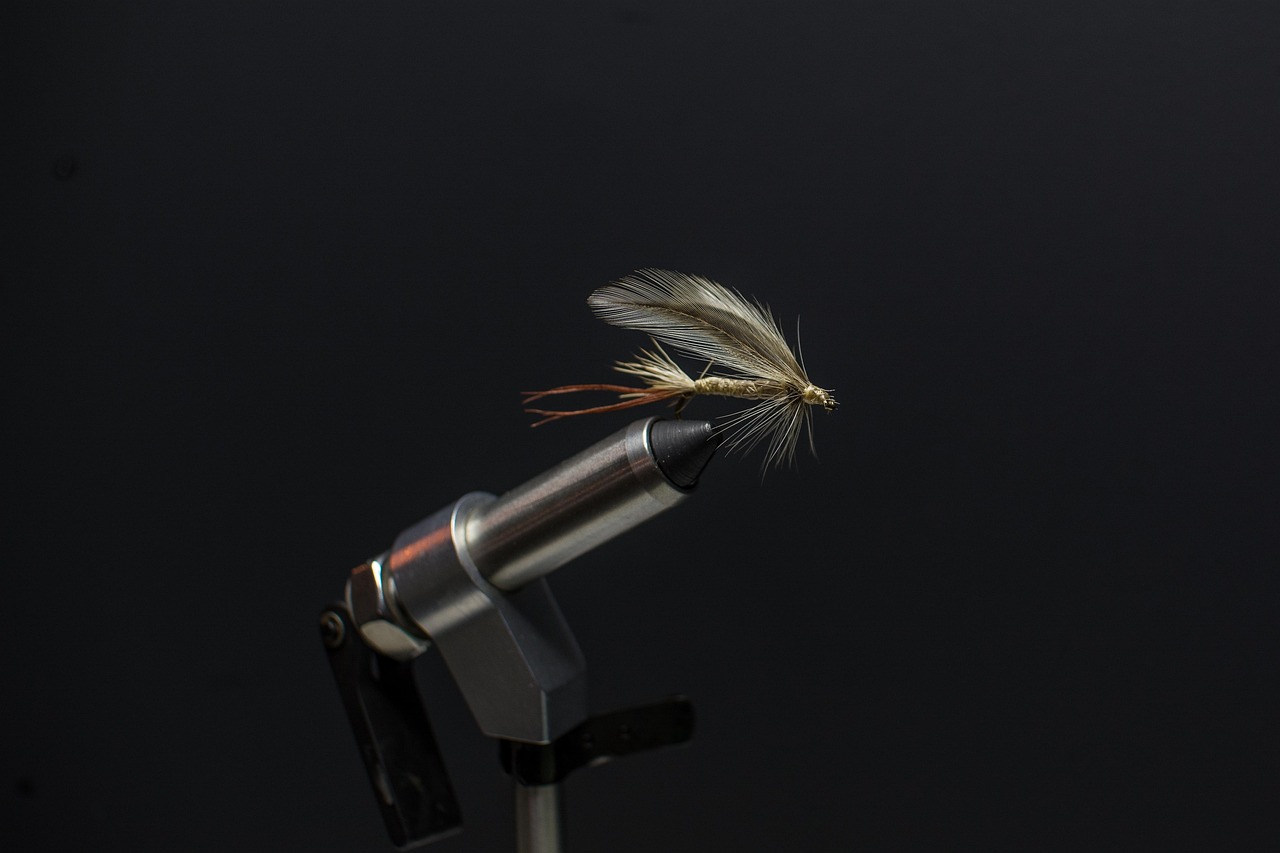
Next, ensure that you choose your flies for spring by knowing which insect live in the rivers during this time of year. For instance, some of the most common insects during spring are midges, blue wing olives, and stoneflies. Anglers should have a variety of sizes between 18 and 22 in black, olive, and chocolate color in their box.
Furthermore, a zebra midge in red or black under an indicator can outfish all other type of flies. If the tiny olive mayflies are sighted on the water’s surface, switching to a soft hackle or emerging baetis pattern will work best for the trout. The trout will notice the difference between a size 20 and 18.
Therefore, understanding how to mimic the spring insects and getting the correct size and color will eliminate the need for spooking the trout. Ensure that you dress for the spring conditions in which you will fish the river. Spring can exhibit thirty degree changes in temperature in just one day.
4. Dress Appropriately for Spring Weather
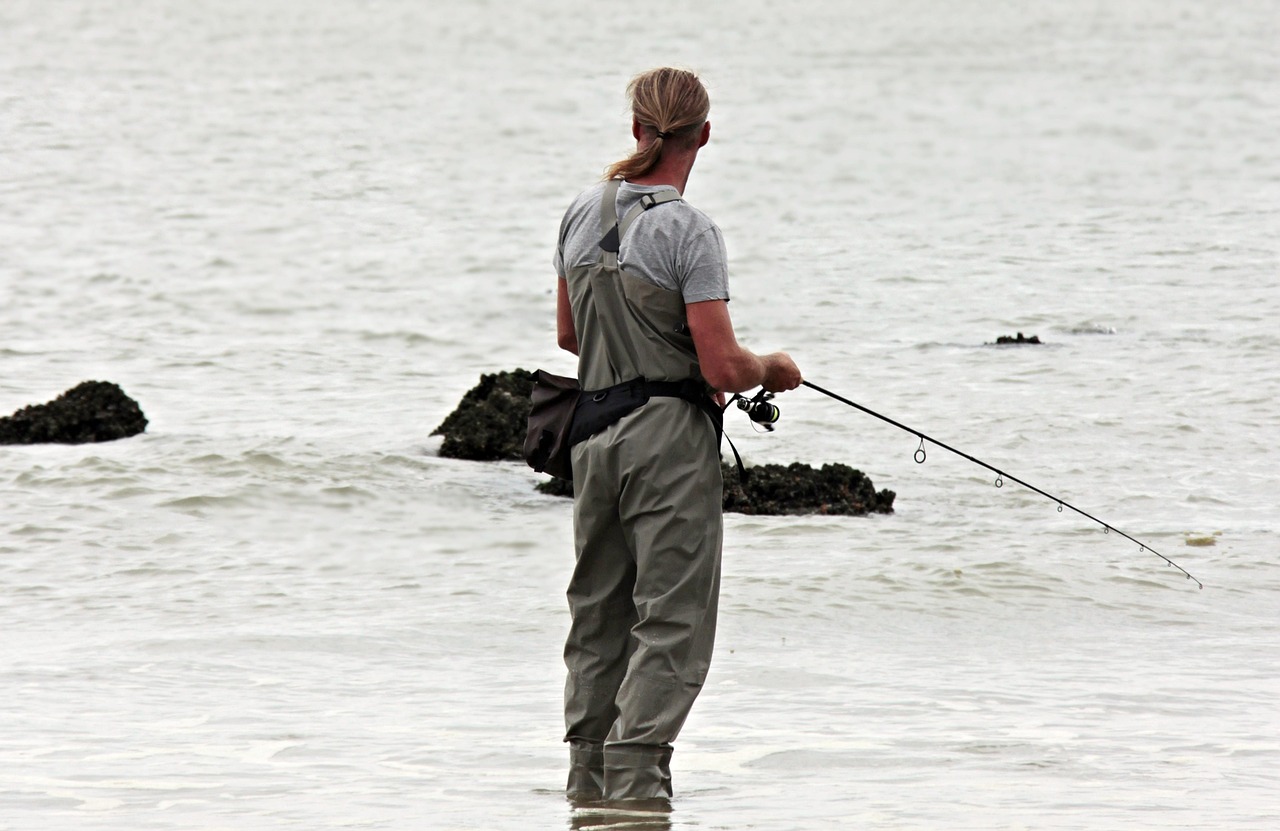
Dressing for the weather will eliminate the distraction of being too cold or too wet while on the water. For instance, wear layers consisting of a moisture-wicking garment, a fleece, and a shell to protect from the rain. Additionally, wear wool socks within your waterproof boots since the water can be forty degrees in spring.
A buff or a neck gaiter to ward off the wind will eliminate discomfort that may develop while standing in the river. These may seem like inconveniences but they will keep you comfortable which is necessary when standing in moving water for six hour. Furthermore, find the best spots to fish and when to fish during the day.
5. Target Better Fishing Spots and Times
Early spring trout will not be found in the same spots during spring as they will in summer. For instance, areas with pockets of water that may have been targeted in June will be too fast for trout in early spring. Additionally, fish in areas between two and six foot in depth and with a moderate flow to the area.
Afternoons tend to offer the best fishing in the spring season after the river water warm. If it is overcast all day the trout may be active all day. However, bright sunshine during the late morning will force trout to seek shade or deeper water.
6. Use Stealthy Leaders and Tippets
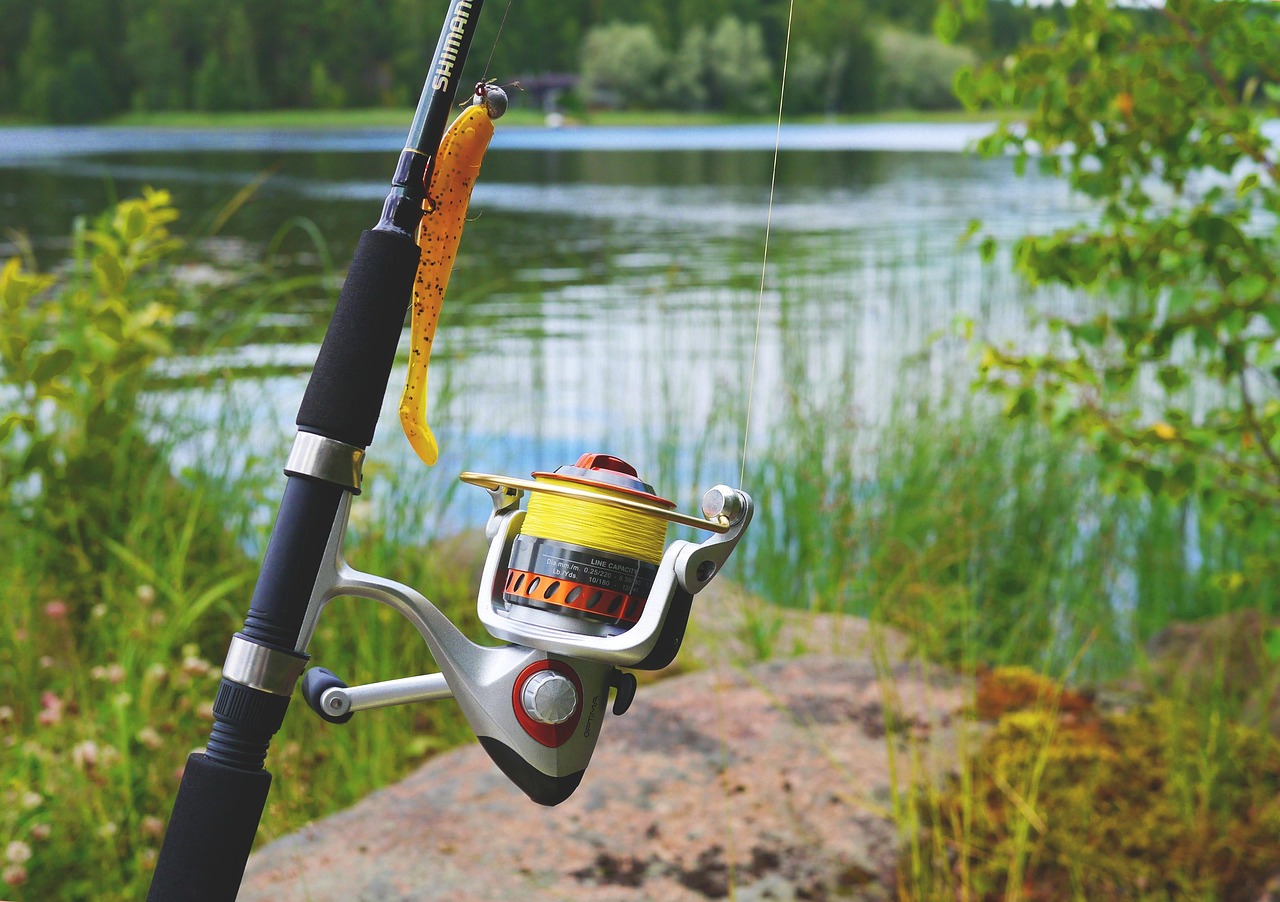
Use leaders and tippet to fish stealthily into the trout. A nine-foot leader with a 5X or 6X tippet are standard but in extra clear water and low trout population, 7X tippet will not spook the trout that have not seen a fly since the fall. Fluorocarbon will sink the flies faster and will be nearly invisible in the water.
Furthermore, inspect the tippet for any wind knots in the river after every few casts. A knot in the tippet will result in the trout ignoring your flies while on a good drift. It is worth the extra minute to tie in a fresh knot.
7. Observe Subtle Trout Rises
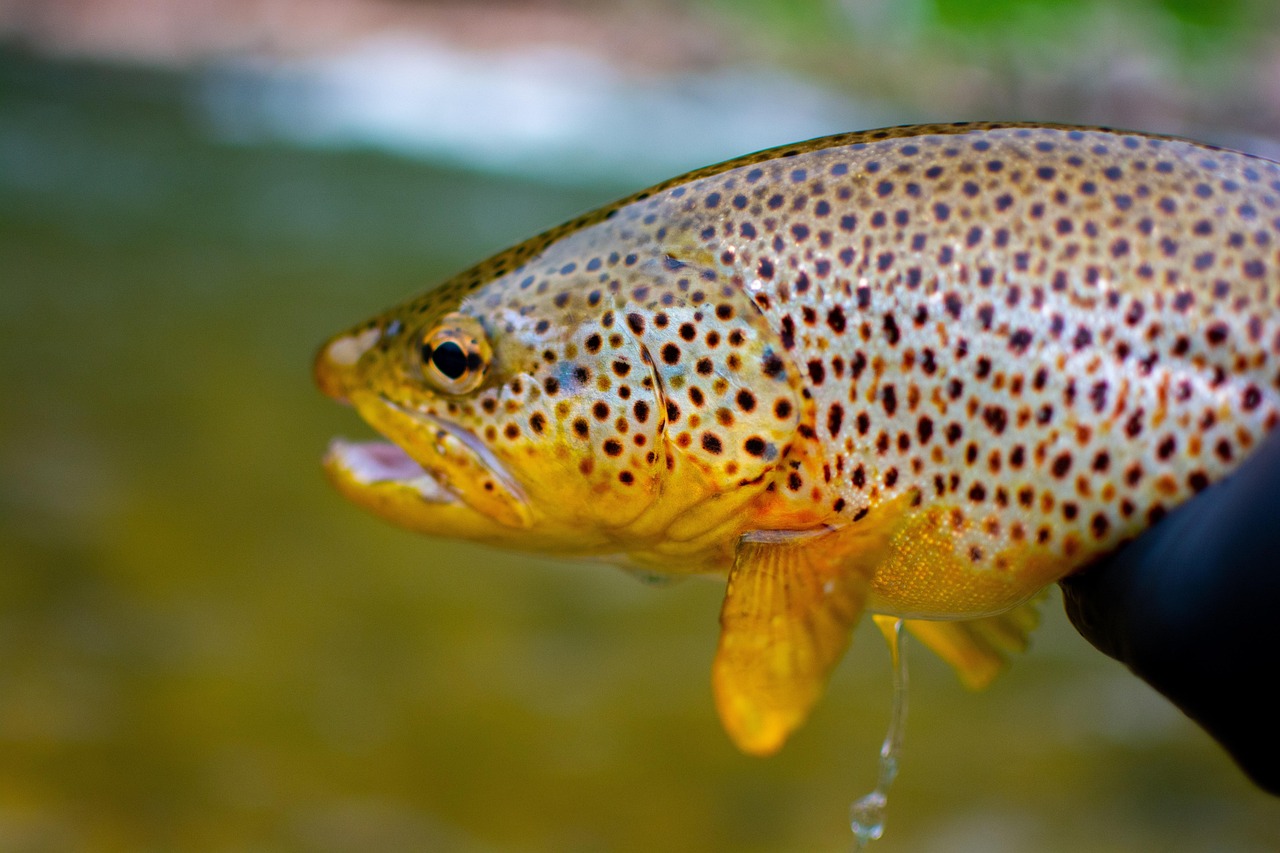
Watch for the subtle rises of trout while on the water’s surface. Trout in spring are not as active in terms of taking the flies as in the summer. Many anglers will pass the trout who are quietly eating the mayflies in the film of the water.
When you note fish holding in the water just under the surface with their noses breaking the water’s film it is time to switch to a tiny dry fly or a cripple pattern. Such quiet takes are easy to miss but offer the best fishing during the spring.
8. Keep Detailed Fishing Notes
Use your phone or a small notebook to write what was productive on your trip to the river. Note what types of flies you used, the water temperature, the depth, and where the trout were spotted. By writing these notes from year to year, you will have a plan for the best spots in your favorite river. Note these patterns so that you can eliminate the reliance upon memory which is a poor substitute for written notes.
The next day you might not be able to find these spots again so not knowing the details limits your chances to enjoy trout during spring season.
9. Know When to Head Home
Know when it is time to head home from the river. Spring days are short and the weather change fast. If the trout are not interested in your flies at 3pm or if the wind changes out of the north it is time to head home and live to fish another day. Pushing yourself to stay beyond the best of the spring season will result in nothing but frustration. A short afternoon that ends well is better than a long afternoon fishing with no results whatsoever.
The first few trips of the year may set the tone for the rest of the fishing season. If you get the details right and do not rush the fishing, the trout will usually work with you. Spring in the trout rivers is filled with cold water, bare trees, and few anglers on the river trails.
But it is also a time of year when fly fishing beginners and experts fall in love again with why they began to pursue this sport in the first place.