
The bayous, the rivers, and the coastal marshes of Louisiana contain one of the richest freshwater ecosystems in North America. Because these waters form a rich ecosystem, a person can never be certain which of the fish species will respond to a given piece of bait when the person drops a fishing line into the water. Some anglers may be chasing the catch of trophy fish that they can display on the wall in there home, while other anglers is more interested in the meal that they can prepare for dinner.
Regardless of the reason for which a person goes fishing, the catfish species that live in Louisiana provide the excitement and the food for eating that the region’s anglers seek. If a person understands the main species of catfish that live in Louisiana, then that person can select the appropriate fishing rig, the appropriate type of bait, and the appropriate location to fish for those fish species. The catfish species live in Louisiana and range in size from the very large catfish that have visible whiskers to the smaller species that are better for families to catch.
Each of the fish species has its own set of habits, its preferred environments in which to live, and the flavor of the fish when it is prepared to eat. By learning more about each of the species of catfish that live in Louisiana, individuals can stop wasting time fishing in the wrong locations, and they can stop using the wrong types of bait to catch these fish. There are several different species of catfish that live in Louisiana, each with their own reasons for being common throughout the region’s waters, and the way that individuals can make the most of their time on the water with these species.
Common Species of Catfish in Louisiana
1. Channel Catfish
The species of catfish include the channel catfish, the blue catfish, the flathead catfish, the white catfish, the black bullheads, and the yellow bullheads. The channel catfish is the most common species of catfish that live in Louisiana. Channel catfish have a slim body with a deeply forked tail, and they display black spots along the silvery body of the catfish.
Channel catfish live in a variety of environments in Louisiana, including slow moving rivers such as the Atchafalaya and Red rivers, as well as in the oxbow lakes that have formed within those rivers, as well as in the drainage canals that lie within cities throughout the state. Because the channel catfish live in these areas, they are often caught in high numbers each year. Channel catfish will quickly react to most types of bait, with favorites for channel catfish including chicken liver, night crawlers, shrimp, and commercial stink bait.
Young channel catfish that weigh less than five pounds have alot of energy when anglers are catching them, making them a good species for children or those beginning to catch catfish species. Channel catfish that weigh more than ten pounds have a more serious fight for the anglor, as they can bend a medium-heavy fishing rod. The meat of the channel catfish has a mild taste and readily breaks apart when cooked, indicating that the channel catfish is best prepared by frying the fish or making blackened catfish fillets.
2. Blue Catfish
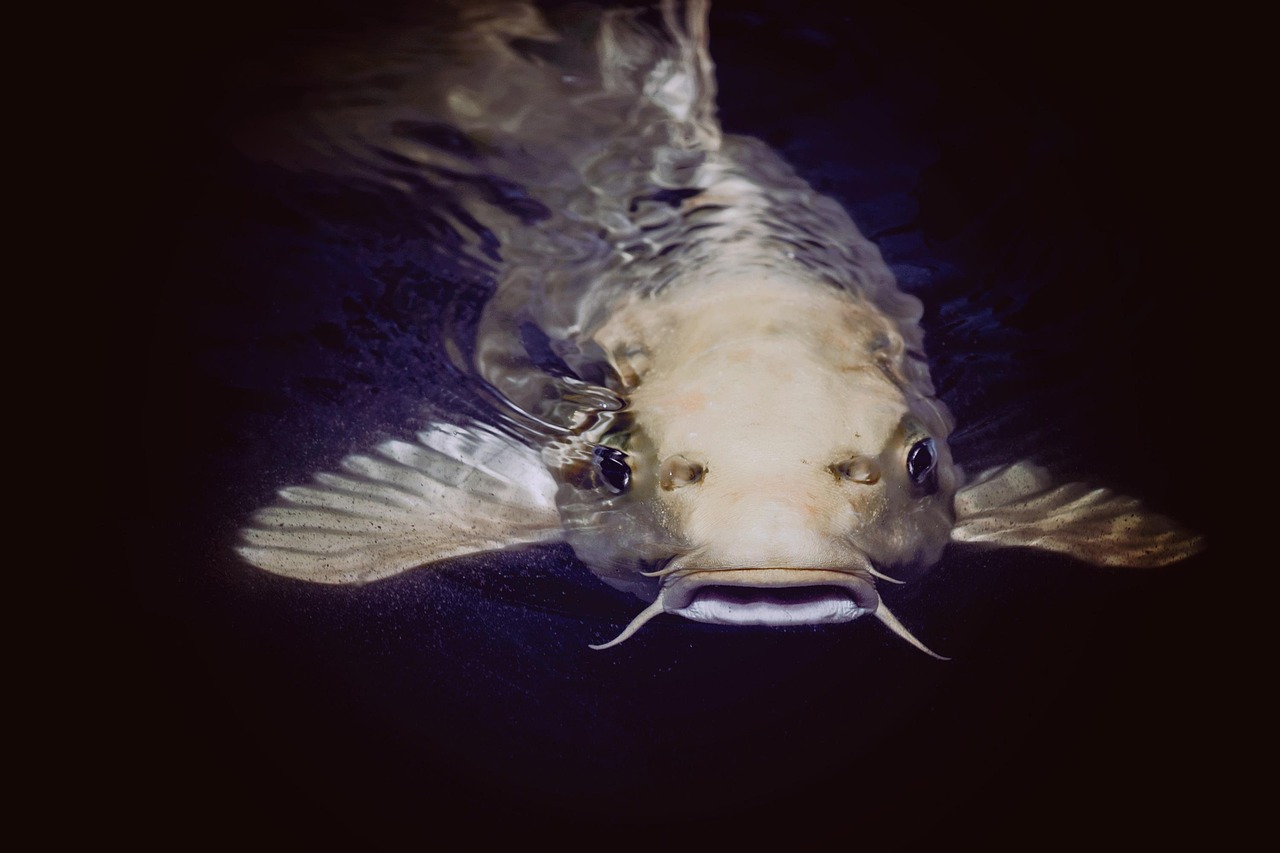
During the hottest months of the year, however, the taste of the channel catfish can become muddy if the fish is not bled quickly after being caught. The blue catfish species is most sought after by anglers who wish to catch trophy fish. The body of the blue catfish is heavier and less graceful than the body of a channel catfish, and the body features a blue-gray color along the back of the fish that fades to a pale color along the belly.
Additionally, the anal fin of the blue catfish is straight or slightly rounded instead of deeply curved, as are the fins of the channel catfish species. Blue catfish species weigh more than thirty pounds, with a state record for Louisiana of more than one hundred pounds. These fish are often located in deep channels within the Mississippi and Red rivers, where the fast movement of the water ensures high levels of dissolved oxygen in the water.
Species that are preferred as bait for blue catfish species include cut shad and whole bream fish, as compared to the smelly bait that will attract channel catfish. To locate these fish, anglers should drift or anchor fishing boats into areas of strong currents within the rivers, where the blue catfish live. Additionally, the fillets of the blue catfish are the clearest flavor within the catfish species, especially when the fish are caught in the cold winter waters of Louisiana.
3. Flathead Catfish
However, the fifty-pound blue catfish that are caught in these rivers may be difficult to land for individuals using small fishing boats. The third major species of catfish that live in Louisiana are the flathead catfish species. Flathead catfish have broad and flat heads, a wide mouth that can swallow a hand, and have slightly forked tails.
The body of the flathead fish features a brown and yellow mottled pattern to its body, which allows it to blend into the water and logs within its habitat. These fish are referred to as mud cats or yellow cats within Louisiana. Flathead catfish are different than the other two species of catfish due to the fact that they are strict carnivores and do not eat prepared bait.
Instead, live bait of bream, shiners, or goldfish are the favorite bait for the flathead catfish species. Additionally, flathead cats live near heavy structure within the water, near root balls or in deep holes within areas such as the Ouachita and Black rivers. The muscle of the flathead fish is firmer and sweeter than other species of catfish.
However, the fight for the flathead catfish is more like reeling in a log that has become caught in a riverbank. Additionally, flathead catfish are solitary animals; catching one in a given location over a period of time does not ensure that another flathead will be spotted in the same period.
4. White Catfish
The fourth species of catfish that live in Louisiana are the white catfish species. White catfish species are often overlooked, but do grow to a maximum size of five pounds. White catfish live in the brackish water areas of Louisiana, where fresh and salt water meet. The body of the white catfish is stockier than channel catfish, the whiskers of the white catfish species are shorter, and the tail features squared off features rather than being forked.
Additionally, white catfish species live in abundance along the coastal areas of Louisiana, ranging from Cameron Parish to Plaquemines Parish. Additionally, white catfish species will readily bite on shrimp or cut fish bait, making them the favorite fish species of anglers who fish from a pier in the state of Louisiana. Because white catfish species can tolerate higher levels of salt than other catfish species, the white catfish provides anglors with a way to fish in areas of the state that other species such as channel or blue catfish avoid.
The flesh of the white catfish species is delicate and sweet, but because the average size of white catfish species is small, several individual fish must be caught to prepare a meal for a family. Thus, white catfish species are an excellent backup species for anglers to pursue in place of the other species of catfish.
5. Black and Yellow Bullheads
The last species of catfish to discuss includes the black bullheads and the yellow bullheads species. Bullheads species are the small catfish species that live in Louisiana. Bullhead fish species dont have the same graceful appearance as the large catfish species; the tails of bullheads are rounded or squared instead of being deeply forked. Additionally, bullhead fish have smooth skin, and each fish has a sharp spine in each of the pectoral fins of the bullhead that may sting an anglor who improperly handles the catfish.
Bullheads are found in roadside ditches, shallow ponds, and areas of flooded timber areas where the dissolved oxygen in the water is too low for the larger species of catfish to live. Bullheads eat a variety of foods, but the preference of the bullhead is a simple worm that is hooked to a small hook. Bullhead catfish are a favorite among children who fish due to the fact that bullheads have a quick bite on the bait, and that their large size makes them easy to handle.
The flavor of bullhead catfish is strong and earthy, indicating that the meat is best prepared in stews or in gumbo. Though bullheads may be smaller than other catfish species, they are available in abundance in Louisiana. Regardless of the species of catfish that the anglor targets this season in Louisiana, the appropriate tackle and bait must be selected for the specific location where the anglor intends to fish.
Using the channel catfish species’ fishing rig in deep channels in the state’s rivers will waste the anglor’s time. Additionally, using the bait that is used to catch flathead catfish in shallow areas will yield no fish. With appropriate attention to the features of the bottom of the lake or river, the time of day when fishing, and the time of year when fishing, the anglor will experience success when fishing for catfish in Louisiana.
The diversity of the fish species of catfish in Louisiana is not a complication for anglors in the bayous, bay, rivers, and lakes of the state. Instead, it is a gift to the anglors in Louisiana. Each type of catfish provides the anglor with a challenge to overcome, a moment to experience fishing in the state, and a reward to enjoy the meal made from the fish species’ flesh.
Thus, by learning about the catfish species in Louisiana well, the anglor can prepare for each fishing trip with the confidence that he or she knows the type of catfish that may be encountered in the dark waters of Louisiana’s bayous.