
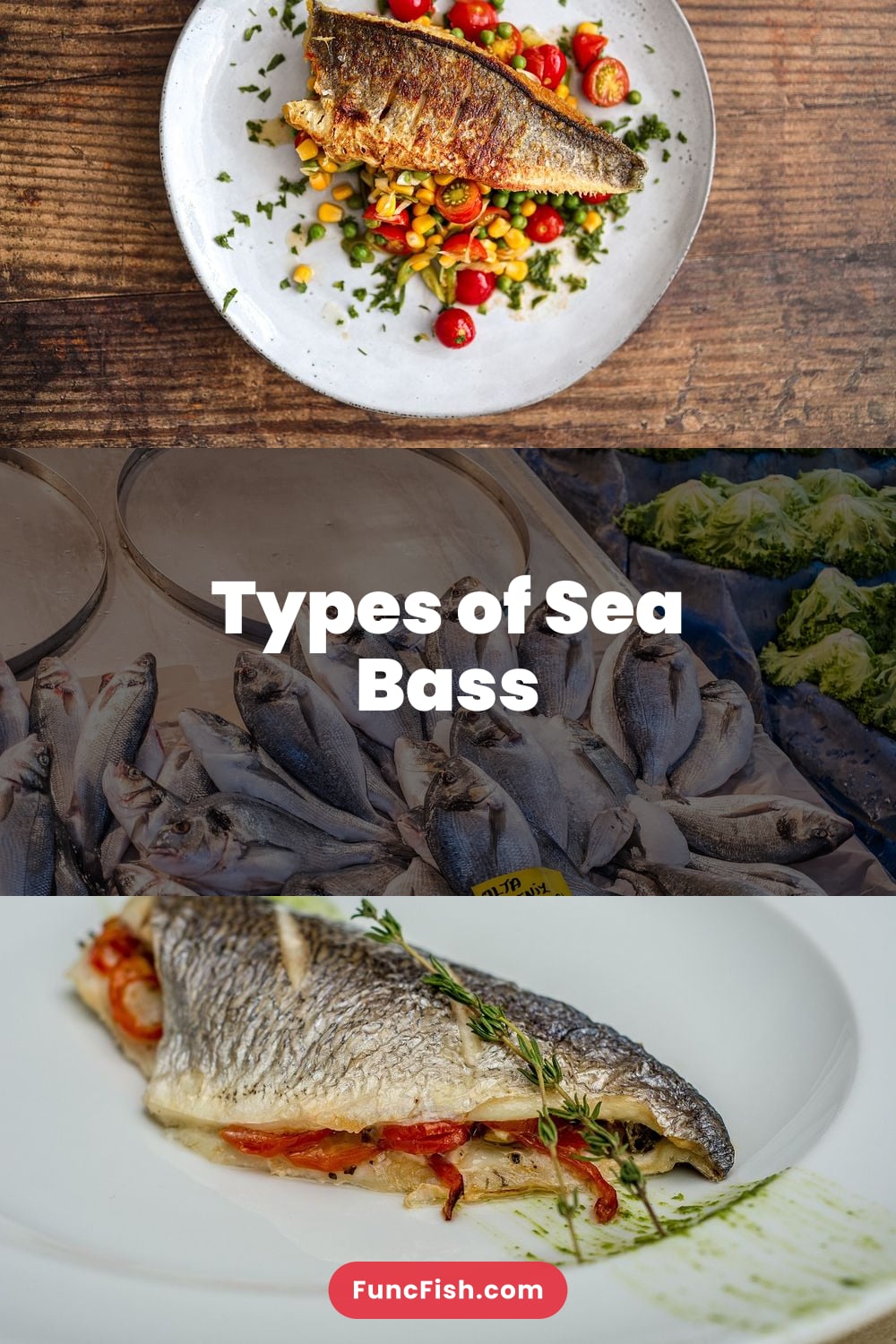
Sea bass has the ability to turn a fishing trip into a memorable experience for the participants in the trip. A person may be fishing in some of the most ordinary-looking water in the area, yet a sea bass may readily take the bait and exhibit enough strength to create the sensation of nearly forgetting about anything else in the world. However, not all sea bass is created equally, and there are actualy several different types of sea bass that inhabit different areas of the planet.
Furthermore, each type of sea bass has its own set of characteristics and preferences, so understanding each of these types can help a person to target the correct type of sea bass for their needs, whether those needs are to prepare a quick dinner, or to target a trophy sea bass that challenge the fishing tackle of the angurers. The term “sea bass” is often loosely applied to a variety of different fish species around the world, which can potentially create some confusion among anglers who is familiar with the species. For instance, in North America, the term sea bass usually applies to two different families of fish.
In Europe and Australia, however, there are several different species of sea bass with similar qualities but very different behaviors. Thus, selecting the wrong species of sea bass for the location where a person intends to fish can result in a great deal of frustration as the angurer spends their time fishing into empty waters. However, if a person learns of the personalities of each of the main types of sea bass in the world, then they will find that the ocean is a more easily predictable environment.
Common Species of Sea Bass Around the World
1. European Sea Bass
One of the most common types of sea bass is the European sea bass. In Europe and Asia, people also often refer to the sea bass as the bass fish, and is a silver fish species that is found in the northeast Atlantic Ocean. The European sea bass has a sleek body that is created to allow the fish to reach great speeds.
European sea bass weigh between two and five pound, though they can reach weights of over twenty pounds. They prefer water temperatures between fifty and sixty-eight degrees Fahrenheit, and are often found along the coasts of Cornwall, Brittany, and Ireland during the spring and autumn months. European sea bass are known for their wariness of human approaches; they eat sand eels, crabs, and other small fish, but only in waters that are shallow enough for a persons boots to become wet.
Thus, shore anglers can target European sea bass with light fishing gear. Furthermore, because the European sea bass are endangered, there are size and bag limits to ensure that the next generation of these fish can still enjoy the waters where they live. Another type of sea bass is the black sea bass.
2. Black Sea Bass
Black sea bass are found along the East Coast of the United States, from the Gulf of Maine to the Carolinas. Most black sea bass weigh around five pounds, but can grow to over twenty. When black sea bass are caught in these areas, the fish will often exhibit a behavior of shaking their heads in a somewhat stubborn fashion.
The body color of black sea bass is dark, approaching a shade of charcoal, though the fish exhibit iridescent spots along their bodies that flash a blue color when the light hit those spots. Black sea bass are often found near jetties, wrecks, rocky areas, and artificial reefs in the coastal areas of the United States. Furthermore, black sea bass are protogynous hermaphrodites; they begin as females but some of the individuals matures into males.
Thus, the larger black sea bass in the fishing areas are more likely to be male fish. Black sea bass are an excellent target for beginners and new fish enthusiasts due to their tendency to remain in their home ranges and to exhibit an interest in the baited fishing gear that anglers deploy. However, these fish are also the breeding fish for these populations, so anglers often release the larger black sea bass back into the water.
3. Striped Bass
Another type of sea bass is the striped bass. Striped bass can be referred to as stripers or rockfish. Striped bass are native to the freshwater areas of the East Coast of the United States, but young striped bass enters the oceans, migrating from North Carolina to Maine.
The weight of most striped bass ranges between thirty and fifty pounds, with a few fish in the region reaching fifty pounds or more; striped bass are also known to participate in long runs each year, during which they will travel from the Carolinas to Maine and back. They are also known for their physical characteristics; they exhibit dark stripes along their silvery bodies. Striped bass eat a variety of food, including menhaden, squid, and soft-shell crabs.
Thus, there are a variety of fishing tactics that are successful when targeting striped bass. Striped bass populations were nearly extinct in the 1980s, but have since come back to life due to efforts by the fishing regulation bodies to manage the population of these fish. However, striped bass can be finicky; if they are not interested in the bait, no amount of fishing tackle will succeed in changing there minds.
Similar to the striped bass, though with different names in various areas of the Gulf of Mexico, are the species of sea bass that inhabit those areas. These different species of sea bass are similar in that they possess the same behaviors of the other sea bass species. For instance, the most common species in the region is the species that has the same characteristics as the grouper fish; it lives among the limestone reefs that extend from Florida to Texas.
4. Gulf of Mexico Sea Bass (Grouper)
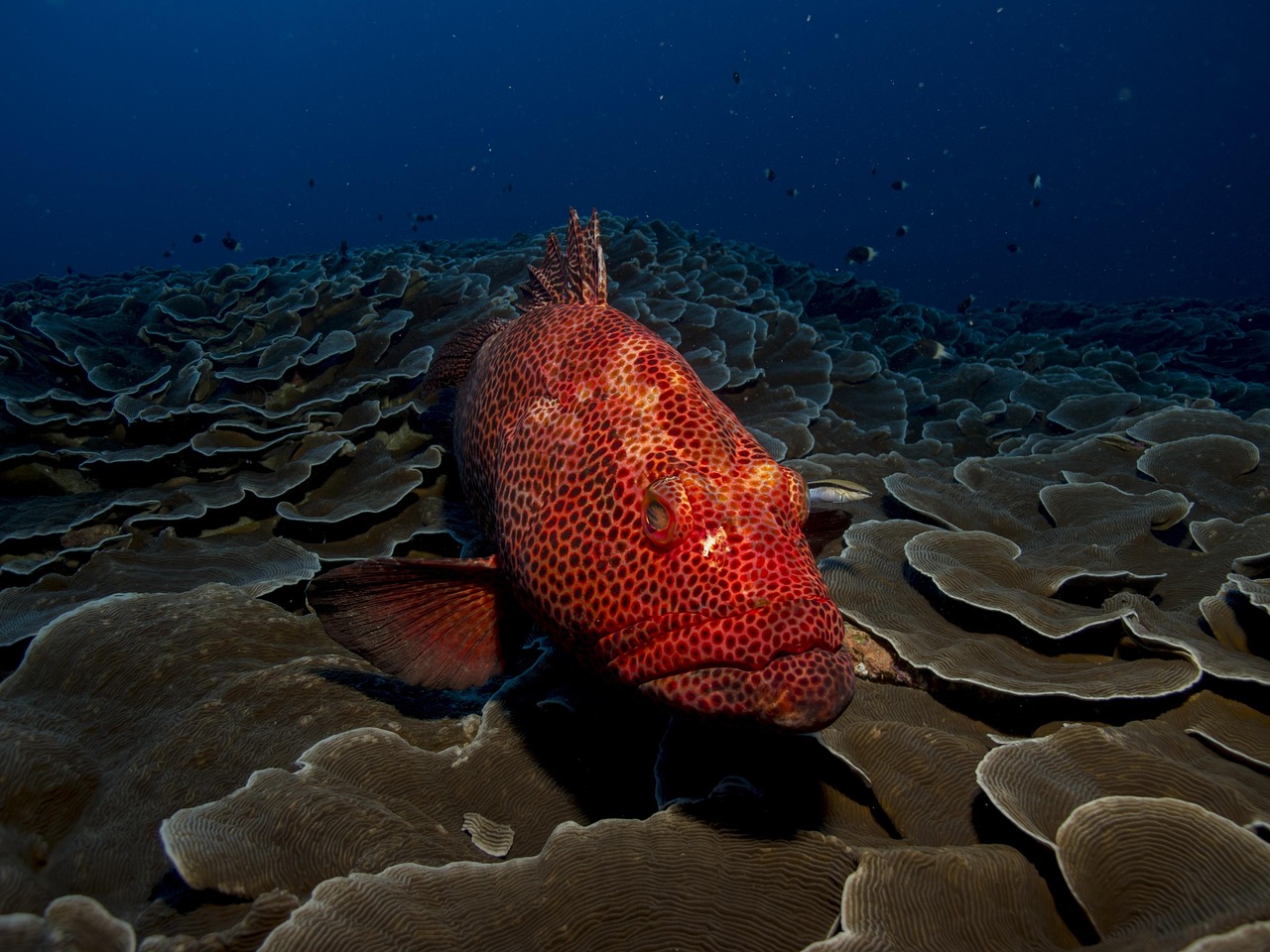
These fish have broad mouths and strong jaws that allow them to eat the crustaceans that are present in these areas. These species rarely weigh more than ten pounds, but they have tremendous strength; if an angurer drops their bait near structure in these areas, the fish will bury themselves in the rocks, testing the strength of the angurer and their fishing line. Furthermore, targeting these species of sea bass allows the angurer to fish in the clearer waters of the Gulf of Mexico, perhaps even to participate in snorkeling activities or to spend time on the nearby beaches.
However, the Gulf species have seasonal closures to protect the breeding populations of these sea bass. The white sea bass are the sea bass species native to the West Coast of the United States. Though the white sea bass is not a bass fish species (being a type of croaker), the sea bass earns its name due to the weight of the fish (between twenty and forty pounds) and the taste of its flesh.
5. White Sea Bass
The areas where white sea bass are targeted include the kelp beds and rocky areas along the central portion of California to Baja. The appearance of white sea bass includes metallic silver sides to the fish and yellow-colored fins. As opposed to other sea bass species, the white sea bass species tend to travel in schools and exhibit little predictability in the areas in which they are found.
When an angurer targets them, though, the sea bass will exhibit a nonstop fishing experience for the angurer for periods of one or two hours. Furthermore, their flesh is considered to be mild and sweet, and is considered to be highly prized by those who prepare the fish as ceviche or grilled fillets. Though the population of