

Snap swivels is small pieces of terminal tackle. Many anglers treats snap swivels like an afterthought. Anglers may add a snap swivel to their fishing rigs, attach their lures to the swivel, and hope for the best.
However, there are numerous factors that influence whether an angler has a good day on the water or a frustrating day on the water. If a snap swivel should fail, anglers will lose their lure, miss the catches they were hoping for, and may spend half of their fishing trip fighting a tangle in their fishing line. By understanding the common problems with snap swivels, anglers will save their lures, time, and even their temper.
There are problems with snap swivels that affect both freshwater and saltwater fishing rig. Whether fishing with ultralight tackle for trout or heavy rigs for striper fishing, snap swivels will experience the same problems and have the same solutions to address the issue. By recognizing the common problems with snap swivels, anglers will stop ignoring the small hardware and start taking better care of their snap swivels.
The list of common problems with snap swivels will be presented below.
Common Problems With Your Snap Swivels
1. Weak Snap Closures
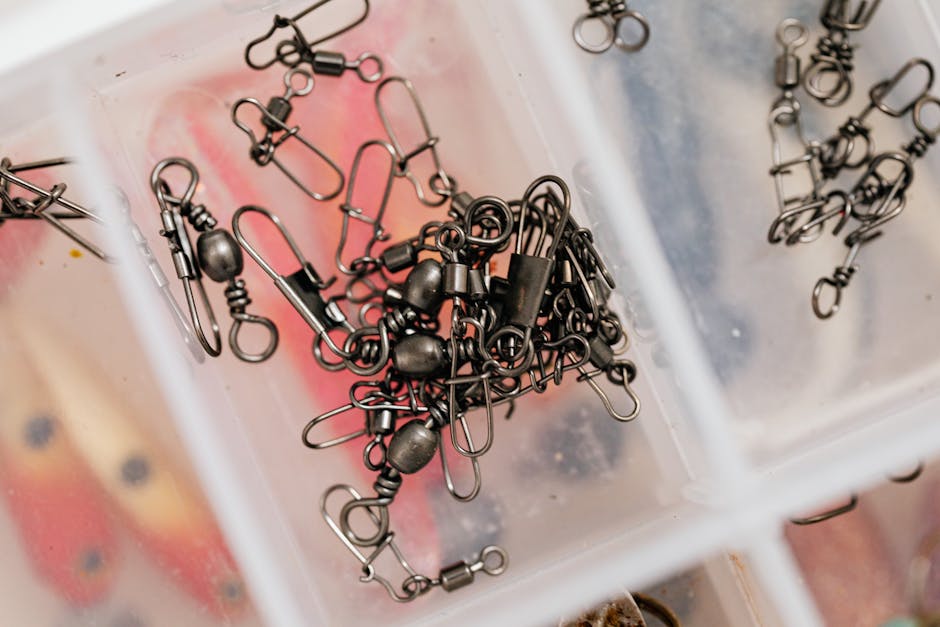
Weak snap closures are the most common problem that anglers face when they lose their lures. The wire arm on the swivel will lose its tension with repeated use of the swivel.
Additionally, a strong yank on the fishing line will also result in the snap swivel losing its tension on the line. Anglers may find themselves losing one of their favorite crankbaits to the bottom of the lake due to a weak snap swivel. Cheap metal snap swivels will deteriorate more fast than their more costly counterparts.
To fix this problem, give the snap a firm tug before every fishing trip. Any snap swivel that is loose should be replaced. This takes ten seconds and will prevent an angler from getting the bad feeling of having a slack fishing line when they previously used the same swivel without an issue.
2. Line Twist Issues
Line twist is a problem that many anglers do not admit to having experienced with their fishing lines. Many anglers may think their ball bearing swivels will prevent line twist; however, if the angler uses the wrong size or type of swivel for the fishing line, the line twist will occur. Both monofilament and fluorocarbon lines have memory and will create line twist when using a spinning casting reel.
After a few casts, the anglor may notice the issue with their line. The lure will spin excessively while being reeled in. Additionally, if the angler notices a series of tiny loops in the fishing line above the snap swivel knot, the line twist will occur.
To combat this problem, replace the snap swivel with a barrel swivel that has welded rings instead of a cheap coastlock snap swivel. Corrosion is the problem that turns a smooth snap swivel into a piece of junk that will not allow a person to cast their line. If a person uses a stainless steel snap swivel to fish in brackish or saltwater environment, the salt will work into the swivel over time.
If the angler does not rinse their gear in freshwater, they may find that their snap swivel will not turn during the weekend after fishing at the coast. To prevent corrosion, many anglers will put their fishing gear in their truck to transport to the fishing spot. Often, they will not remember to rinse their gear in freshwater.
By spraying a drop of corrosion inhibitor onto any snap swivels used in saltwater fishing after every fishing trip will add many months to the life of their terminal tackle. This will allow them to consistently use smooth and reliable hardware when they are fishing for the bite of the day. One of the problems with snap swivels is that anglers may use oversized snaps on their lures.
3. Oversized Snaps
Many beginning anglors will purchase the largest snap swivel that they can find in the tackle shop; however, this will allow the fish to easily throw the lure due to the extra leverage that it provides for the lure. Snaps that are too large for the lure being used should be replaced with a snap swivel that is sized appropriately for the lure. For most lures such as those used for bass or walleye fishing, number two or four snaps will do.
Using a larger snap will increase the chances of the angler to miss fish due to the extra resistance that the line must overcome when casting. Additionally, the size of the snap will reflect more light in clear water, which may allow wary fish to notice the reflection of the lure. The improper placement of the knot on the snap swivel will lead to the line eventually parting at the snap swivel.
4. Improper Knot Placement
Anglers may tie the knot directly onto the snap swivel. With the tension on the fishing line when trying to land a fish, the line will wear against the snap swivel and part. To prevent this, use a small loop knot such as a perfection knot or a tiny Rapala knot.
This will allow for the snap swivel to move freely without adding stress to the fishing line. In the event that a fish such as a twenty-inch trout leaps out of the water, the line should not part at the swivel. An extra thirty seconds to tie the proper knot will result in anglers being able to land more fish.
5. Frozen Swivels
Another problem with snap swivels is that they can become frozen due to a lack of lubrication. If anglers fish in cold weather and go on long fishing trips to lakes that have ice on them, or if they fish in saltwater areas in cold weather, the snap swivels will become frozen. The ice will set into the snap swivel, especially if salt is used in these fishing trips.
When the angler returns from the fishing trip, the fishing line may become a tangle of line on the fishing spot. To prevent this issue, use a drop of lightweight oil or grease for fishing reels to the snap swivels. Remember to wipe the oil from the snap swivel as this may attract dirt to the snap swivel.
6. Incorrect Swivel Strength
One of the most common mistakes that anglers make is using a swivel whose strength is less than the strength of the line. Using a twenty pound test swivel with an eight pound test line is incorrect. The line should be the weakest link in a fishing line, not the swivel.
Always check the strength of the swivel manufacturer’s packaging and use a swivel whose strength is slightly above the strength of the fishing line. This will prevent a break in the swivel, and the line will remain the weakest link in the fishing line. This will prevent the angler from losing another fish at the boat.
7. Metal Fatigue
Due to the heavy use of snap swivels when fishing, they will develop fatigue in the swivel. This issue is common among anglers who fish for musky or pike fish. In the fight between the fish and the fishing line, the swivel may crack at the base of the snap or have elongated eyelets due to the constant torque that the fish creates on the line.
With the snap swivels fatigue, the angler may find themselves losing a personal best fish that easily releases the line and the lure. Before fishing for musky or pike fish, take a few seconds to visually inspect the swivel. Snapping swivels should be replaced before fatigue develops.
Anglers should perform an inspection of snap swivels the same way that the knots on the fishing line are inspected. This quick habit will become automatic in the angler’s mind when they see how easily the fatigue on snap swivels will cause them to lose a prize fish. Although these problems with snap swivels may seem small to anglers when they are in the tackle shop, these problems result in most of the fish that anglers do not land.
By paying attention to the problems with snap swivels, anglers can turn snap swivels from a potential weak link in the fishing line to a reliable link in the fishing line chain. The next time an angler is rigging up their fishing line, they should take a moment to examine the snap swivel. They should check to ensure that the snap swivel feels tight, the barrel of the swivel can be spun, and that the line is ready to cast.
If anglers take a few extra moments to ensure the quality of their snap swivels, there will be fewer issues with the line, and the fish that are caught will make it into the net more often.