
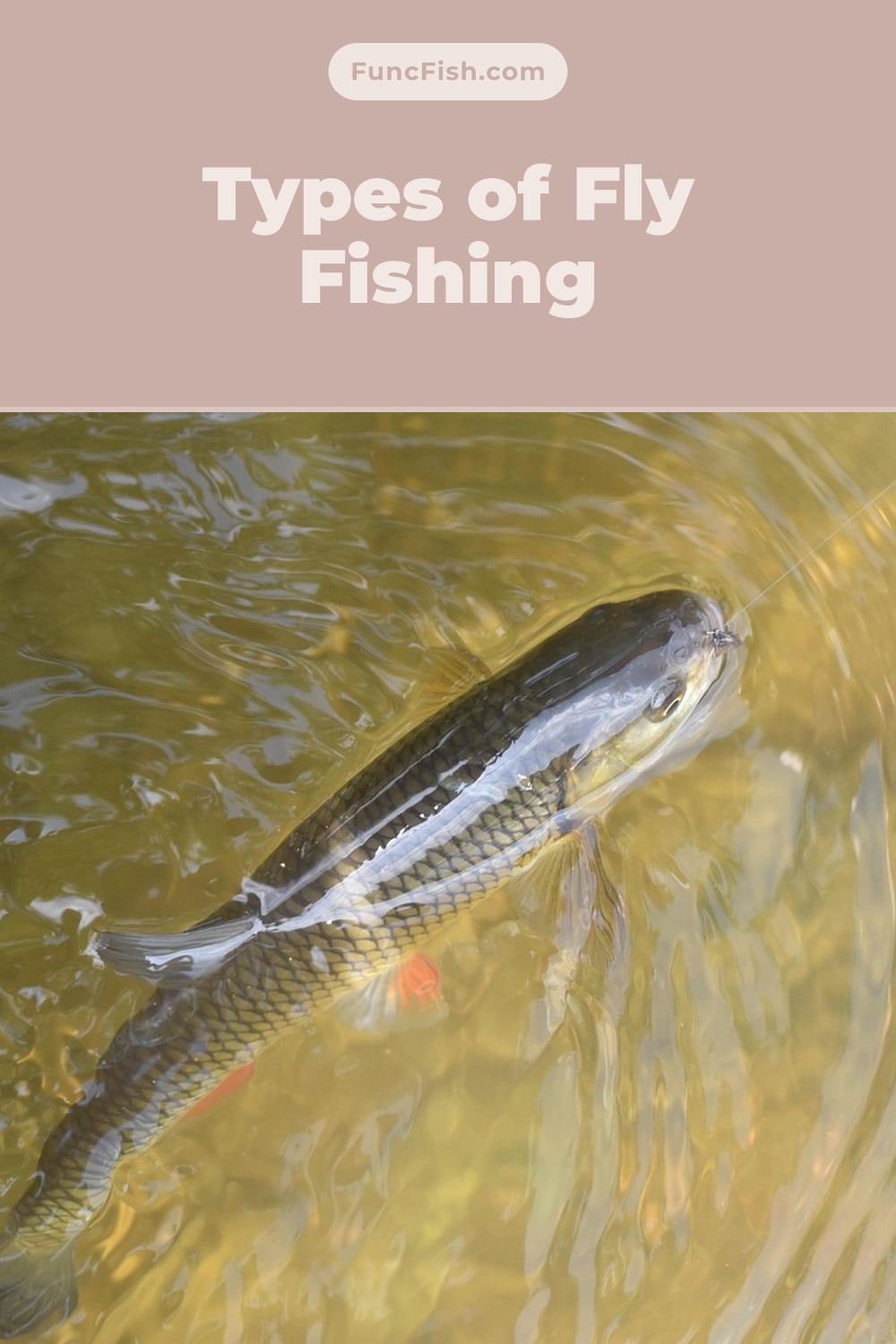
Fly fishing offers anglers a combination of quiet and adrenaline. Standing in a river and watching a trout rise to a fly is one of the most addictive experiences in angling. However, there is much more to the sport of fishing than the typical image of an angler fishing from a riverbank.
There is different types of water, different types of fish to target, and even more variety in the techniques that fly fishing anglers of all skill levels employ. By understanding each of the main varieties of fly fishing, an angler can ensure that they are approaching their day of fishing in the way that the river demands of them. By understanding each type of fly fishing, an angler will no longer feel frustrated at their inability to land fish with one general technique; instead, they will begin to notice improvements in there catch.
Each type of fly fishing demands from its anglers a particular skill set. For instance, dry fly fishing require anglers to have patience and accuracy in there techniques. However, other types of fishing, like streamer fishing, require anglers to have quick reflexes and a good amount of strength in their fishing gear.
Additionally, some varieties of fishing, like fly fishing on the open sea, require anglers to interact with other anglers in the same boat. By understanding the differences between each type of fishing, anglers will avoid frustrations and discover new waters to explore. The approaches that this article will discuss include dry fly fishing, nymphing, streamer fishing, saltwater fly fishing, spey casting, two-handed fly fishing, and stillwater fly fishing.
Each type of fly fishing offer rewards for anglers of all skill levels. Each type of fly fishing also features a challenge for those anglers to master; the skill required to master each of these fishing techniques will produce a unique catching experience for the angler.
Common Types of Fly Fishing Techniques
1. Dry Fly Fishing
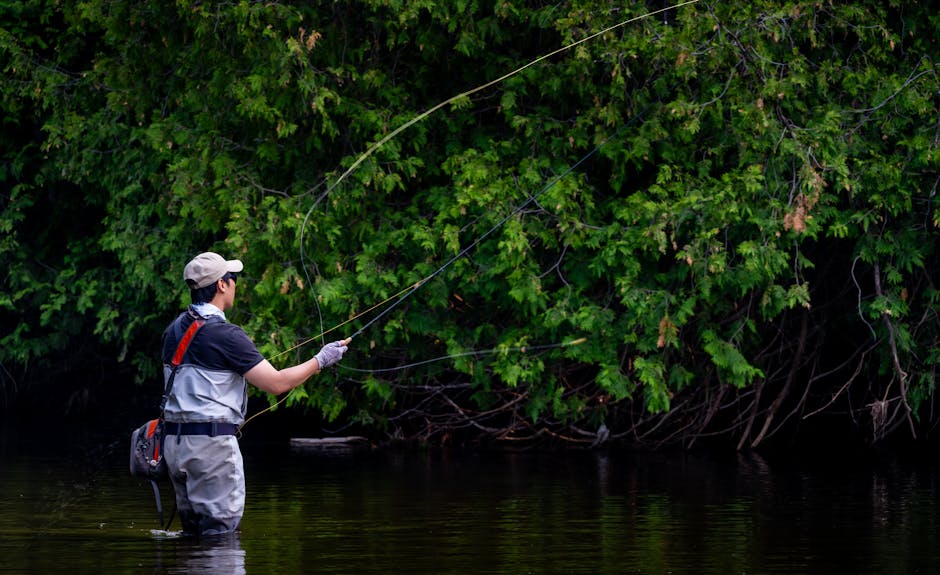
Dry fly fishing is the most popular type of fly fishing, as it allows anglers to fish in the same manner as the natural insects that fish eat.
Anglers must master the skills of casting an unweighted fly onto the water’s surface film so that the trout will eat the imitation fly. Success in dry fly fishing depends upon the angler’s ability to read the water properly and to match the insects that are rising to the water’s surface to those that are naturaly in the water. Dry fly fishing is best performed in rivers that contain specific types of insects that trout eat.
Some anglers may find dry fly fishing challenging because there is no particular moment that is more better than the moment when a brown trout breaks the water to eat an Adams fly. When trout do not rise to the dry fly, dry fly fishing can be humbling for the angler. However, this aspect of dry fly fishing is part of the reason that many anglers pursue the dry fly fishing method.
2. Nymphing
Nymphing is a type of fishing that most fly fishing anglers use after they have mastered dry fly fishing. Nymphing uses imitation flies of the life stages of insects that live under the water. Additionally, anglers use a strike indicator to help them find the trout in the water.
Most nymphing techniques use the Euro nymphing method, which uses weighted flies to reach the fish that are close to the riverbed in faster moving rivers. While nymphing may not feature the same elegance as dry fly fishing, nymphing does provide anglers with results that will silence the complaints of the dry fly fishing angling purists. This type of fly fishing features a specific drift fishing technique that anglers must learn and master.
Anglers that master nymphing will begin to catch fish that is ignored by dry fly fishing anglers. Streamer fishing techniques use larger, brighter flies that mimic the life stages of baitfish, crayfish, or leeches. These flies are also stripped through the water to provoke strikes from the trout.
Streamer fishing is best used for targeting big brown trout, smallmouth bass, and pike, all of which tend to ignore the smaller flies that are used in dry fly fishing. Additionally, streamer fishing requires anglers to cast their flies across the water to the trout’s location and strip the line to provoke the trout to take the flies. The takes on the line will be violent when using streamer fishing techniques.
This fly fishing method requires anglers to travel across the water and cast their lines many times throughout the day. Spey and two-handed rods are required to master streamer fishing techniques. Anglers are required to have a dedicated spey rod for streamer fishing.
Streamer fishing techniques can be challenging in crowded rivers in which large flies may scare the trout that is interested in small flies.
3. Saltwater Fly Fishing
Saltwater fly fishing is a more advanced form of fly fishing that requires more skill to master. This type of fly fishing targets species like bonefish, permit, tarpon, striped bass, and redfish in the salt flats, surf, and estuaries.
The flies used in saltwater fly fishing are typically larger and brighter than the flies used in freshwater fish habitats. Additionally, the rods used for saltwater flies are much heavier to help anglers fight the larger fish and to fight against the wind that can be present while fishing in salt water habitats. For example, when sight fishing for bonefish in the flats, anglers must possess stealth and strong nerves because if a school of bonefish approaches the spot where the angler is fishing, the angler could scare the fish and make them flee the area.
Similarly, when stripping flies to rolling tarpon, the fish will jump violently out of the water and run fast towards the horizon. Saltwater fly fishing requires strong presentation skills and strong fighting skills. The saltwater habitats change quickly due to the tides and the weather, which is another reason for the skill requirement of saltwater fishing techniques.
4. Spey Casting and Two-Handed Fly Fishing
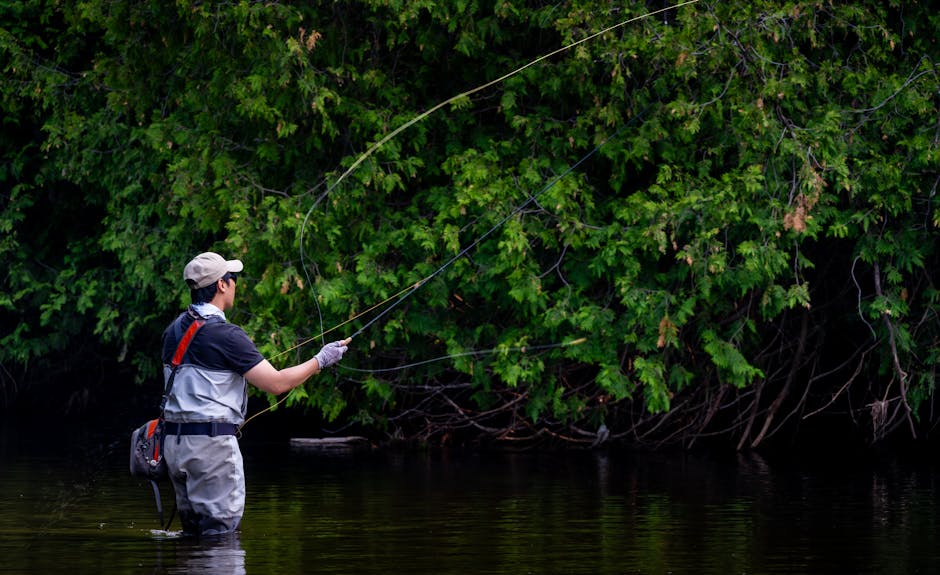
Spey casting and two-handed fly fishing methods were developed on the rivers of the Pacific Northwest and Scotland. These methods were created to work against the challenges of back casting into areas that were surrounded by dense brush or high river banks. Long two-handed rods and specialized lines make it possible to cast flies into areas that have fast currents, even without space to perform back casts.
These spey casting techniques look like a dance when performed correctly with the snake roll or double spey cast. Spey fishing is excellent for targeting the salmon and steelhead fish that live deep in the rivers. Spey fishing methods allow anglers to efficiently cover large areas of water and keep the flies in the strike zone for a longer time.
Spey fishing techniques have a steep learning curve but once learned will leave anglers feeling as if they have discovered a secret between the spey rod, line, and the water.
5. Stillwater Fly Fishing
Stillwater fly fishing uses techniques that target trout in lakes rather than in moving water. Trout in still waters must travel through the water to find its food of shrimp, baitfish, or insects.
Anglers can use sinking lines, intermediate lines, or floating lines to target trout in deeper waters. Additionally, there are two specific techniques within stillwater fly fishing that anglers can master: stripping leech patterns or slow retrieves of nymphs on an indicator. Stillwater fly fishing can be done from a drift boat or a float tube, which provides the experience of fly fishing with a hint of magic.
Because there is no current in lakes, trout do not get food from specific areas of the lake. Thus, knowing how to read the water properly is more important for stillwater trout anglers than for those who fish in rivers. People may scoff at stillwater fly fishing techniques, but a master of stillwater fly fishing will show people the number of large trout that can be caught in a stillwater lake.
Each form of fly fishing allows anglers to connect with the water and the fish in their own unique way. Each type of fly fishing requires patience, skills, and specific equipment. Anglers who focus on dry fly fishing will likely enjoy the patience required from them while streamer fishermen may find satisfaction in the number of miles that they can travel with the water and still catch the fish of their desires.
Saltwater fly fishing anglers learn of the power and humility that come with battling a fifty-pound tarpon. There is no best form of fly fishing for an angler; each method of fly fishing is better for specific types of fish in specific habitats. However, there is beauty in knowing each form of fly fishing and being able to recognize which form of fly fishing is best for a given day’s fishing trip.
Therefore, take up the trout fly rod, master the techniques that suit the waters in which you will fish, and take a wade into the water’s edge. The trout are waiting for you.