
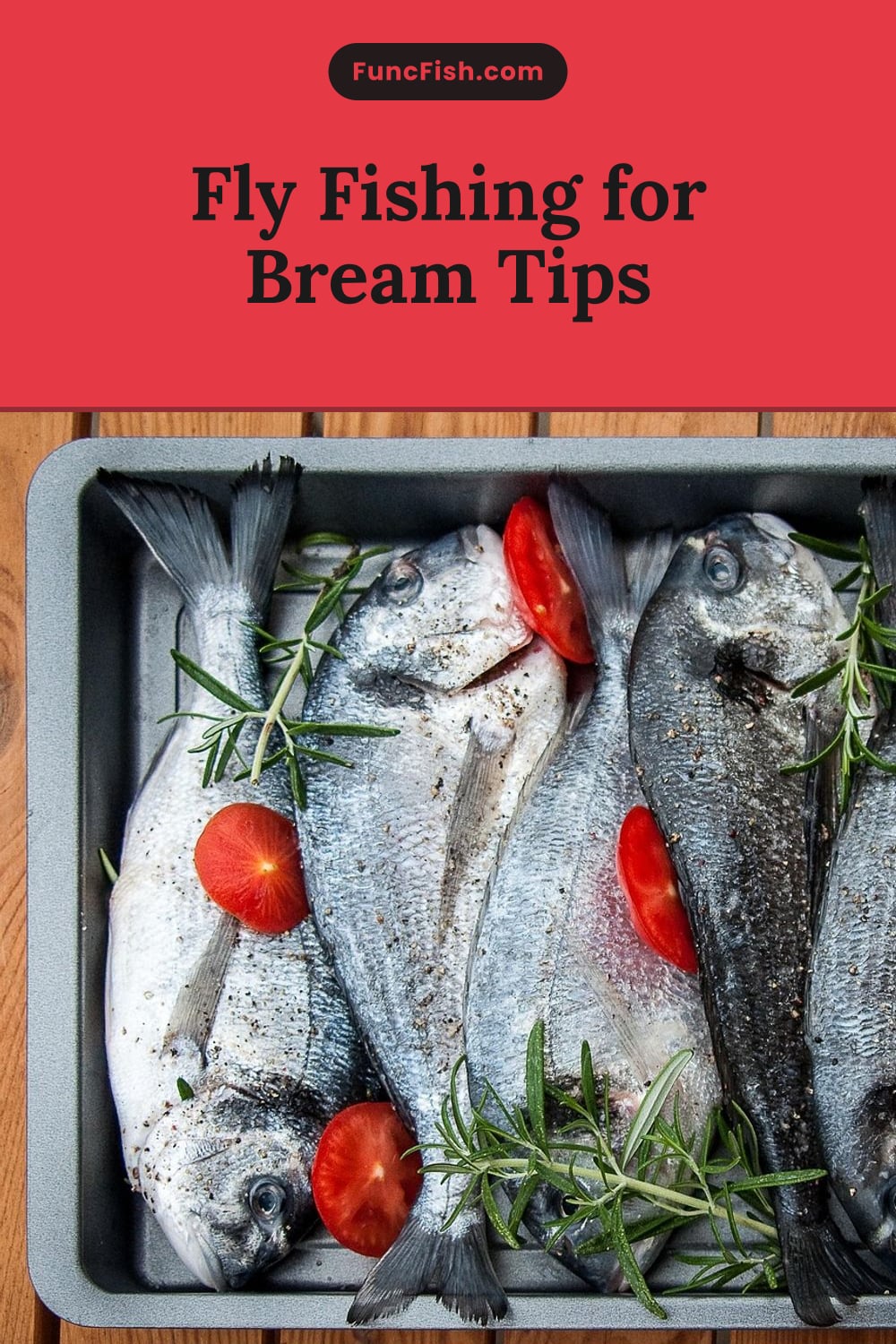
Fly fishing for bream can be described as a specialized interaction between an angler and the fish. Bream are a type of sunfish that fight with a high level of energy compared to the size of their physical form. There is no experience quite like the sensation of a small popper landing soft on the surface of the water next to a submerged log.
To fish for bream successfully, an individual must exhibit patience, exhibit observation skills, and use a light touch when casting flies into the water. Once an individual learns the nuances of the sport, they can enjoy success fishing for bream in any body of water. The approach that an angler takes when fishing for bream will determine whether an average day of fishing develops into a memorable day of fishing.
Bream are quite selective in how they are presented with a fishing fly. However, if an angler understands the preferences of bream, they will be forgiving in the fishing process. The following tips for successful fishing will be presented in the order in which an angler should follow them to increase there chances of catching bream.
Top Tips for Successful Bream Fishing
1. Selecting Appropriate Fly Types
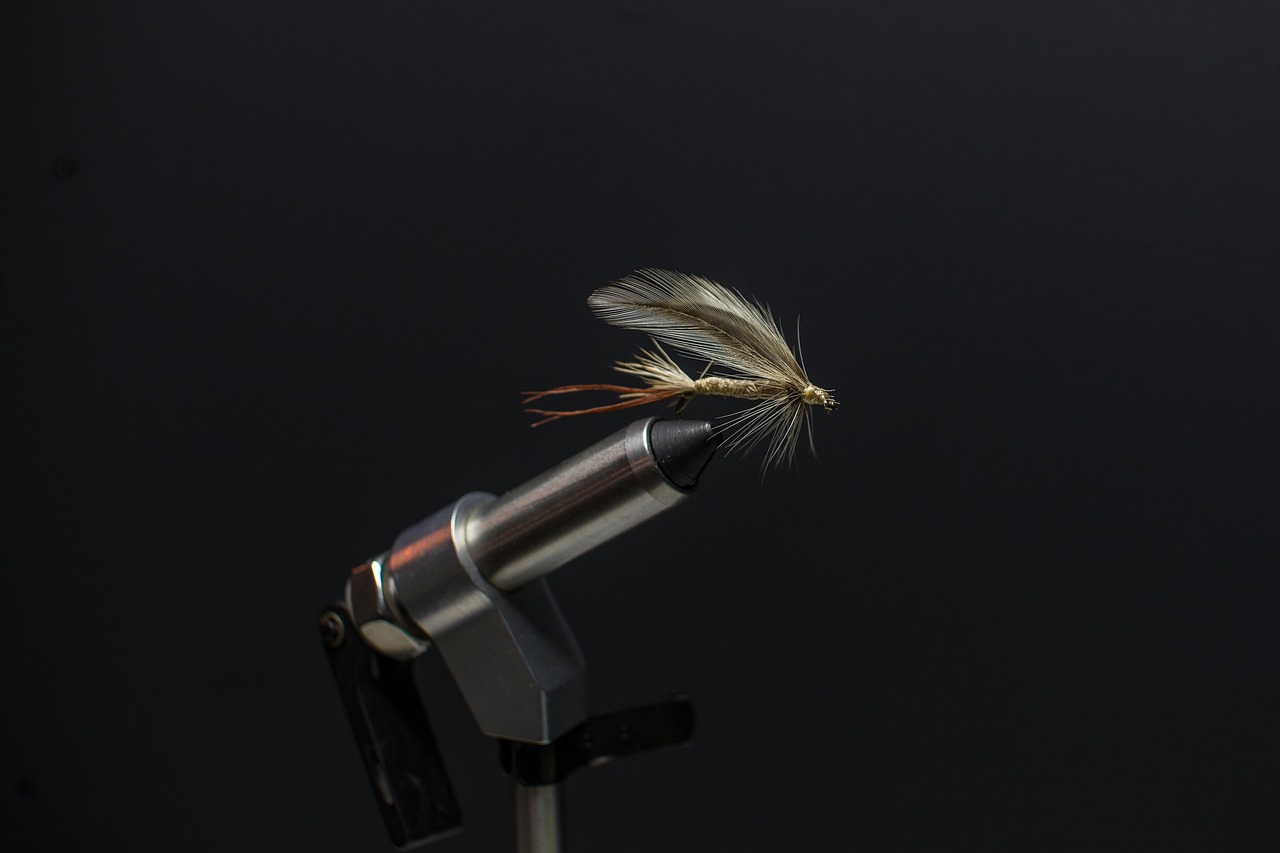
The selection of the appropriate types of flies will determine how successful an angler is fishing for bream. Bream and bluegill fish best with flies that emulate the natural diet of these fish. The diet of bream consists of insects, small crustaceans, and minnows.
A foam spider fly, between size 10 and size 12, with rubber legs will result in explosive fishing strikes since the foam fly emulates an insect that is struggling on the surface of the water. If an angler chooses to use popper flies, choosing colors of red chartreuse or black will create commotion on the surface of the water that will attract the attention of bream from several feet away, especially during periods of low light. For situations when bream are feeding beneath the surface, flies such as smaller nymphs of either a hare’s ear or a pheasant tail between size 14 and 16 will be effective.
These flies should emulate the natural food of bream and only be used if seen in the water. An angler should have at least six different types of fishing flies and rotate them until the bream indicate their preference for certain flies. Unfortunately, most anglers dont remember to rotate their flies.
2. Gentle Water Presentation
Most anglers will tie one type of fly to their line and use that same fishing fly until the fish stop biting. The presentation of a fishing fly is far more important than the specific type of fly that is being used. Bream has small mouths and small brains.
However, their eyesight is above average. Any fly that lands on the water like a thrown rock will scatter the fish. An angler should use a gentle touch to the water so that the fishing flies create dimples on the water’s surface.
3. Using Longer Leaders and Light Tippets
To accomplish this gentle touch, use a longer fishing leader. A leader between nine and ten feet in length with a 5X or 6X tippet will create a gentle touchdown on the water. This will allow an angler to stay further from the fish since they are less likely to be “spooky” around an angler, while allowing the flies to naturaly fall to the water.
4. Natural Fly Movement and Behavior
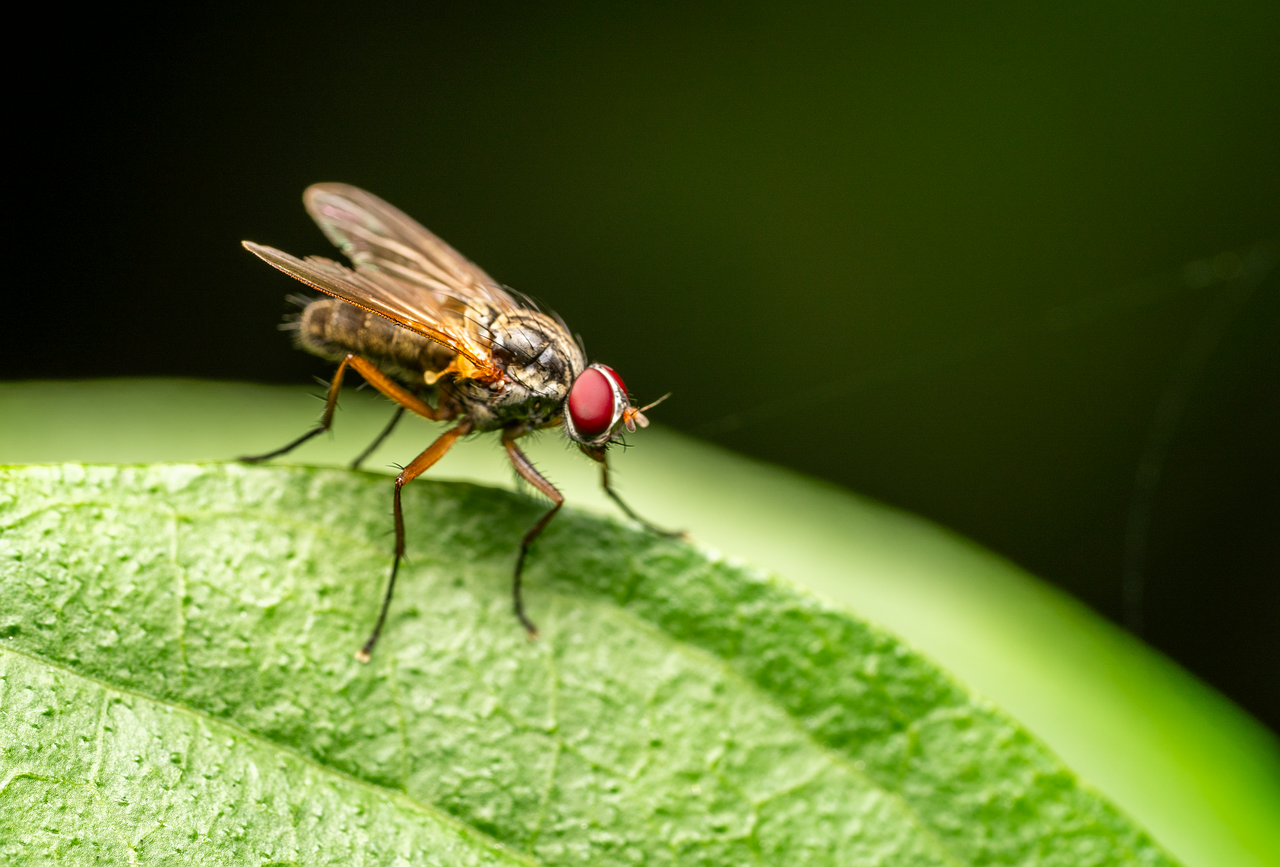
An angler should carefully watch the behavior of the flies after they land on the water. Subtle twitches in the flies followed by pauses will attract the most interest from bream. This behavior works better then a continued retrieve of the line.
An angler should think of how a real insect will behave when it lands on the water. Unlike the fly, a real insect will not move in a straight line at a constant rate. Pausing and making subtle movements will allow the angler to emulate the movement of an insect and successfully hook more fish.
5. Timing Trips Around Spawning Periods
Another essential tip for fishing for bream is to time ones fishing trip around the spawning period of the bream. During the spawning period, male bream will become quite aggressive in the protection of the nesting beds of the female bream. This behavior usually occurs when the water temperatures reaches the low seventies.
During these times, angling for bream should target these nesting beds, as they will attract the interest of the aggressive male bream. These nesting beds will be located in shallow waters in the form of circular depressions in the lake or riverbed. These nesting spots will usually be in colonies of nesting beds that look like underwater villages.
When fishing for bream during the spawning period, place flies into the water near the nesting beds without landing the flies directly on the beds of the sleeping female fish. While it is recommended that anglers avoid targeting nesting beds of bream, if an angler decides to target these nesting areas, the angler should practice catch and release fishing strategies. This means that an angler should only catch a few fish from these nesting areas before moving to another location in the water.
There will be a memory of the bright orange male redear fish attacking the fly that was positioned near the nest of a sleeping female fish. Such visual memory is one of the reasons that anglers should use care when fishing around the nesting beds of bream. Finally, the balance of the fishing rod and fishing line will make the fishing process easier.
6. Proper Rod and Line Balance
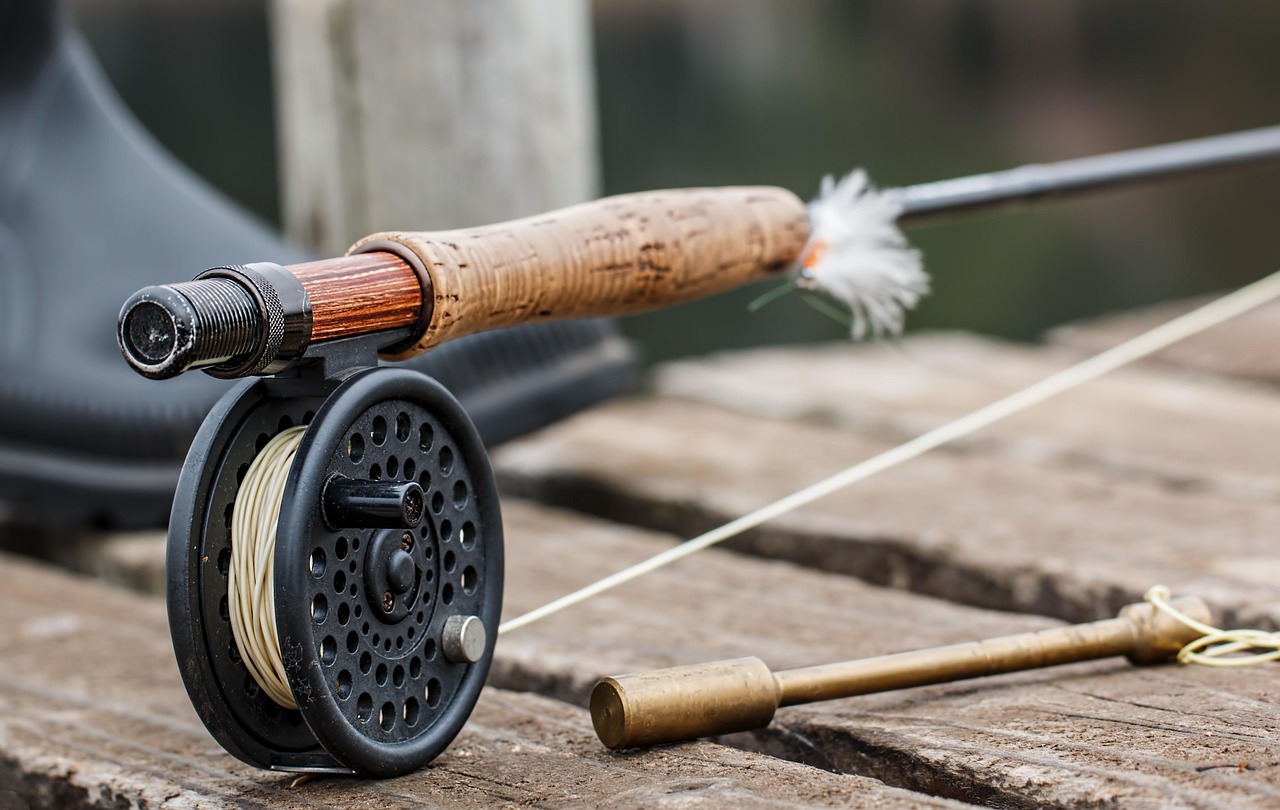
An angler should use a 3-weight or 4-weight fishing rod with a floating line. Such a rod allows for the delicacy required when fishing for small bream and spooky fish. Also, using rods that are 8.5 to 9 feet in length will allow for more accurate casting of the flies and more control in mending the fishing line.
Not much needs to be invested in expensive fishing gear. Using a decent fishing outfit in the middle range for cost and quality will provide anglers with the success they desire when learning the sport of fishing for bream. Heavier rods are beneficial when fishing in the wind or with larger poppers, but they sacrifice some of the finesse required to catch bream.
When using a lighter rod, a person must slow down and focus on their technique instead of relying on their muscle power to get the best results. This slow pace allows anglers to observe where the bream are and what they are eating. Knowing where to find the bream is what takes a good angler to a great angler.
7. Locating Structure and Habitat
Bream like to stay near structure in the water. This includes fallen trees, docks, the edges of lily pads, and grass beds. Anglers should focus on the east-facing banks in the early part of the day when the sun is coming up.
Later into the day, the fish will be found in the shaded areas or deeper parts of the water habitat. After fishing for a few seasons, an angler will naturally develop an understanding of their water. The signs of where the fish are located will be evident to those who take the time to observe the water areas.
8. Using Polarized Sunglasses for Visibility
The dimples in the water where the fish are eating are easier to spot with a pair of polarized sunglasses. These sunglasses reveal more information about the water than anglers often expect. The difference between catching a few fish versus a ton of them can be the difference between a slow day and one that lasts until the sun begins to set.
Small details like these are what separate the professionals from the others in the fishing community. Stealth is the most important attribute that anglers should focus on. Bream live in shallow, clear water.
9. Maintaining Stealth and Approach
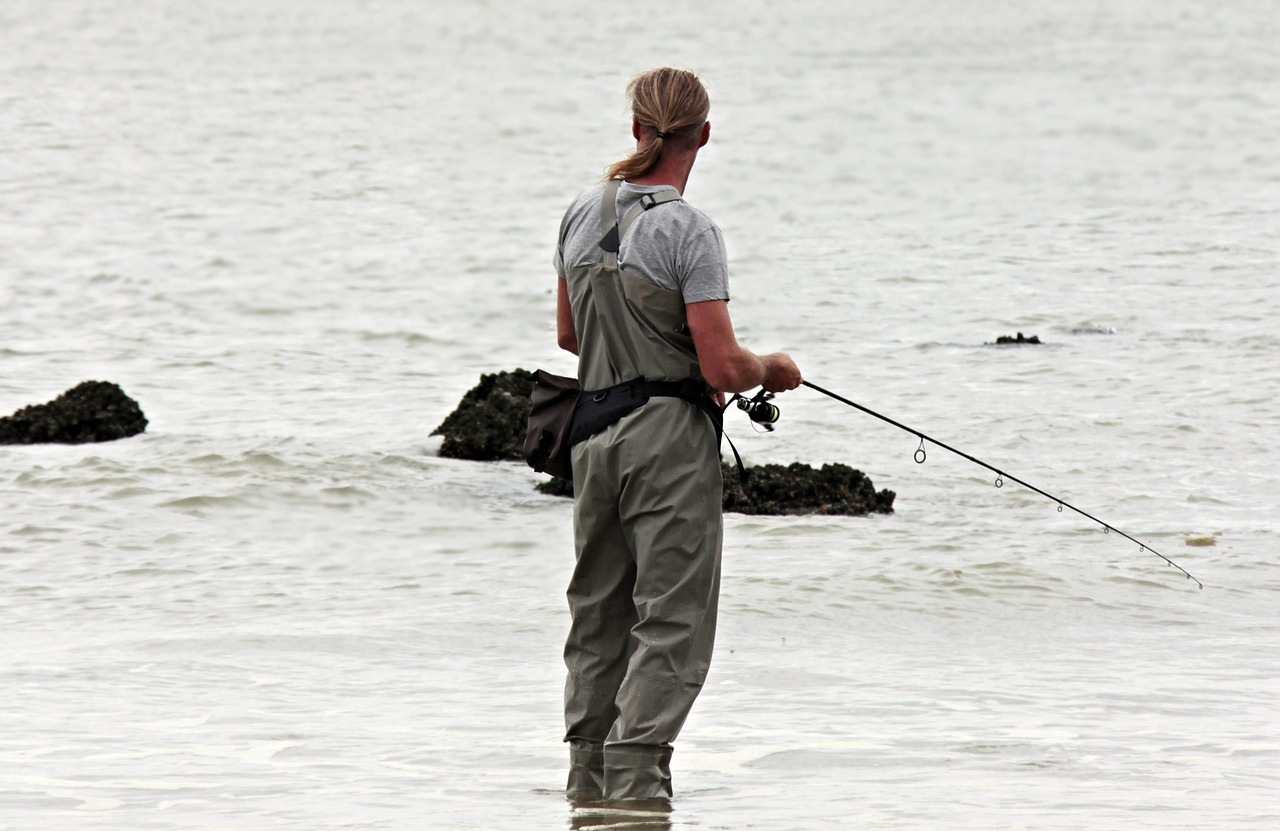
Anglers should approach from the side of the fish rather than from a straight-on approach. False casts should be low and behind the fish. Anglers should also wear earth tones rather than bright colors.
By remaining as invisible as possible, anglers will be able to get closer to their prey without scaring them. Many anglers dont focus on this important part of bream fishing. Consequently, they are very surprised when the bream cease to bite at the start of their fishing trip.
10. Precise Fly Placement
Retrieving the fly at different speeds will elicit different responses from the bream fish. Slow retrieves work best in the spring. When retrieving the fly, the angler should allow it to sit in the water for several second between slow twitches of the fishing line.
In the summer, the bream like faster retrieves to provoke their feeding instincts. Experiment with the retrieve speed until the angler finds what works best for the conditions at the time. However, whenever an angler feels they have perfected their retrieve to get the best response from the bream, the bream will eventually change their behavior.
This is part of the activity. With practice, fishermen gain better control over where they land their flies. A beginner might land their fly right in the middle of a school of bream.
Experts will land their fly just one or two feet away from the fish they are targeting. This allows them to avoid scaring the bream while still placing the fly in a spot that the fish can see. This skill allows experts to perform thread casts between the branches of docks where the large bream like to hide.
These large bream is accustomed to seeing the clumsy approach of fishermen and usually ignore it. An expert angler will be able to read the line to detect when the bream are taking the line. The takes will be subtle and not as strong as when the bream are eating the fly.
The angler should use a smooth lift of the rod tip to set the hook. The bream have delicate mouths and using too much strength will push the fly out of their mouth. Using small amounts of tippet and hook sets will allow more bream to remain connected to the fishing line.
Knowing how to adjust the fishing technique based on the time of year ensures that a person will continue to catch bream throughout the year. In the winter, fish deeper areas near the base of the structure using tiny nymphs. During the spring, nesting fish come up near the surface.
During the summer, the bream will move to deeper areas in the habitat. In the fall, when the bream are feeding before winter, they gather in large schools and show up in the same areas at the surface. Knowing these patterns ensures that a person does not waste their time when fishing for bream.
An angler’s mindset is the most important part of fishing for bream. Some people love the process of fishing, regardless of the catch they may get. There are memories that are made of the quiet movement of a canoe, the sound of a fly plopping into the water, and the memorable bend of a delicate fishing rod.
These memories last longer than any photograph of the catch of the day. Anglers should always approach their fishing trips as a chance to learn rather than as a chance to catch bream. Anglers should take time to watch the birds that come to the water, the bugs that live in the water, and, most importantly, the water itself.
Those who take time to observe the water will become better anglers. This skill transfers to all types of fishing. The skills used to catch bluegill will improve a person’s abilities to catch trout, bass, and even fish in the ocean.
The lessons that can be learned from bream will translate to all other types of fishing. A person should start small. A person should select one pond that is known to the angler and visit that pond with only a few flies.
A person should pay attention to what works and what does not work with the flies. Over time, these observations will form an intuition regarding what fly to use and when to use it. At this point, the fish are waiting in the water and all that remains is for the angler to cast the line and to see what happens next.