
The ocean off the coast of Myrtle Beach contain a diverse variety of sharks. These sharks live in the waters just a short distance from where the families build sandcastles and where the children chase the ocean waves. These waters are part of an Atlantic migration highway for sharks.
Thus, various species of sharks pass through these waters at different times of the year. Each species of shark has its habits, size, and attitude. To know what species of shark are in the water off the coast of Myrtle Beach will change the way that humans swims, fish, and respect the ocean when the waters are calm.
While people do not often see the fins of the sharks that live in these waters, there is always the potential for a visitation from these predators of the ocean. Sharks dont stalk the coast of Myrtle Beach with the intention of ruining vacations for the area’s tourism industry. These creatures are simply living in the same waters as those who borrow the ocean for the afternoon.
If people understand the various species of sharks that live in these waters, then every visit to the shore will provide new information to these tourists, making them smart visitor to the shores of Myrtle Beach. The most common shark species that visit areas where people go to fish from the pier or where people stroll in the shallow waters is the blacktip shark. These sharks have slim bodies that are bronze-gray in color and rarely measure more than six feet in length.
Common Shark Species Found in Myrtle Beach
1. Blacktip Shark
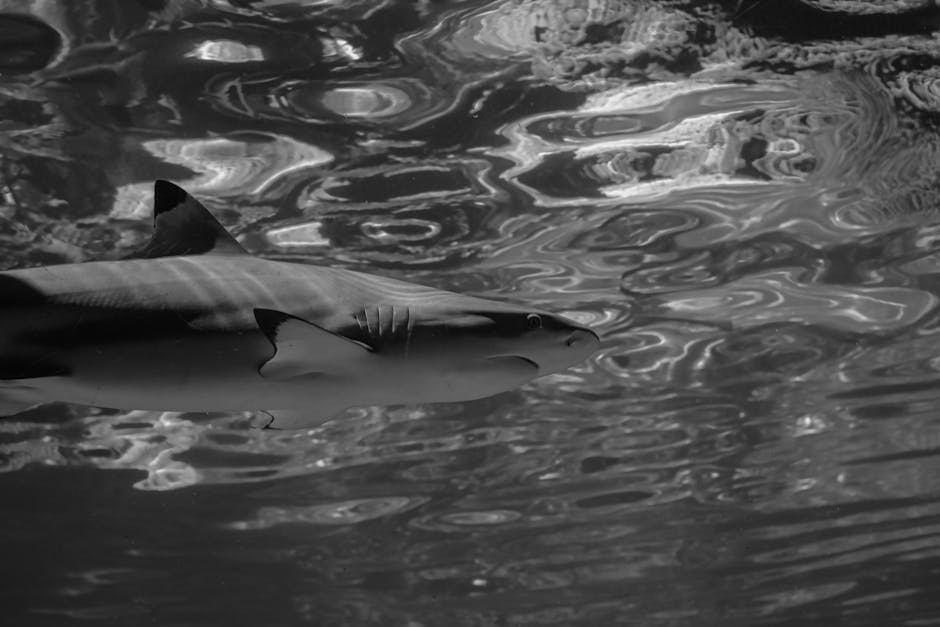
These sharks move with confidence in the water due to their ability to swiftly change the direction in which they swim. The black tips that outline the dorsal and pectoral fins of these sharks are visible when they jump out of the ocean to chase the baitfish that live in these areas. These sharks do jump for more than show as these predators use this method to surprise the mullet that live in these areas.
Blacktip sharks prefer warm waters in the same area where humans live and play at the beach from late spring until early fall. These sharks follow the movements of the baitfish in this area so closely that fishermen have seen one shark stay in the same area along the surf zone for several days in a row. Thus, surfers are required to have extra awareness in these areas when the bait balls are especially thick in these waters.
For the rest of the ocean goers visiting the area, though, the presence of blacktip sharks simply indicates that these humans are temporary visitor in the ocean. Although great white sharks do swim in these waters, the encounters between humans and these predators are extremely rare. Juvenile and subadult great white sharks can grow to eight to twelve feet in length and visit these waters in the spring and fall months.
2. Great White Shark
These waters have water temperatures that fall within the cool-to-moderate range. Great white sharks that visit these waters are not the twenty-foot giants of the Pacific Ocean. A ten-foot great white shark, though, does sit in the food chain in a high position.
Great white sharks generally do not visit the shores of Myrtle Beach as they primarily hunt for seals, rays, and sea turtles. If one of these sharks wanders close to the shore, though, it will make news in the nation for one week. The information that will be released about the visitation of these predators is three-fold: great white sharks are present in these areas for some time of the year, great white sharks are impressive predators of the ocean, and the chances of encountering one while attempting to body surf are less likely than being struck by lightning while on the beach.
Still, those who hear of the presence of a great white shark in these waters near Myrtle Beach feel the excitement of these predators roaming these waters. Hammerhead sharks exhibit a unique body in the waters off the coast of Myrtle Beach. The bonnethead shark, a smaller species of hammerhead shark, measures only three feet in length.
These species have rounded heads that resemble shovels. The scalloped hammerhead sharks, on the other hand, can reach fourteen feet in length. These sharks inhabit these waters in small groups during the summer months.
The wide head of these predators acts as a sensory wing as it is covered in electroreceptors that detect stingrays and crabs that live on the ocean floor. Seeing a hammerhead shark glide past those on the shore is a memory that every human visitor to these waters will never forget. The odd body shape of hammerhead sharks makes these predators look as if they belong to a prehistoric age.
Hammerhead sharks are generally shy around humans but their presence in these waters indicates that each species in the ocean has its own niche within the food web. Bull sharks have a reputation for being strong as they live in the shallowest parts of the ocean. Their tolerance of low salinity allows them to live in freshwater rivers that are many miles from the shore.
In Myrtle Beach, bull sharks live in the inlets, tidal creeks, and the surf zone where the ocean water is only waist deep. Bull sharks have stocky bodies with blunt snouts and small eyes that reflect their behaviors of curiosity and being pushy around other marine life. Most interactions between humans and bull sharks are based off curiosity.
Bull sharks often playfully bump into humans as they are curious about what the humans are. Afterwards, however, the bull sharks usually move away from the humans. Bull sharks are strong and live in shallow waters, though, so humans must show respect to these predators.
Additionally, fishermen who have encountered bull sharks in these surf zones report that these sharks put up a strong fight when being caught. Bull sharks do not give up easy when being hunted by fishermen. Spinner sharks are similar to blacktip sharks but have different behaviors in the ocean.
3. Spinner Shark
Spinner sharks jump out of the ocean in the shape of a corkscrew as they hunt for bait in the ocean. Humans on the beach can often see this behavior and confuse these sharks for dolphins until they spot the dorsal fin of the shark. Spinner sharks can grow to be six to eight feet in length.
These sharks live in schools that have high levels of energy. If a person is paddleboarding in areas where spinner sharks live at dawn or dusk when they are hunting for their meals, these sharks will startle the paddler with their spinning behavior. Yet, this behavior is one that spinner sharks perform in the wild as part of their natural behavior.
Sandbar sharks, also known as brown sharks, live in the deep troughs in the ocean past the sandbar where the ocean and land meet. These predators have heavy bodies with high dorsal fins that give them a powerful appearance while they move slowly through the ocean. Sandbar sharks are patient as they await the tide that brings food to these predators to the sandbar.
The pups of sandbar sharks are born in the estuaries near the inlet where these sharks live and every summer presents a population of new sandbar sharks around the coastal buildings. Sandbar sharks are not known to be aggressive toward humans. Yet, their size ranges from seven to eight feet in length.
Anglers who fish for sandbar sharks from the piers in Myrtle Beach know that the fight of these predators when they are caught and the quality of the food that they have are a joy to the anglers. Tiger sharks are a species of shark that is rare to see but present in these waters. The vertical stripes on the tiger shark fade as the shark reaches the age of adulthood.
At this age, though, humans can easily see the massive head and wide mouth of the tiger shark. These predators live in these waters in the late summer and early fall months and often take long wanderings to the waters that are off the coast of the Pacific Ocean. If a tiger shark ventures into the shallower waters close to the shore, surfers will hear of its presence.
The appetite of tiger sharks is among the largest of all the shark species. Items like license plates, tires, even alarm clocks have been found in their stomachs when the tiger sharks were hunted. Thus, these predators explore many different items in the ocean.
To avoid encounters with these predators, though, humans are advised to avoid swimming at dawn or dusk when they are most active in the ocean. Additionally, humans are also advised to avoid wearing jewelry that the tiger shark may mistake for a shiny fish scale. Similar to the lemon shark, the other species of shark with a calmer personality than the other shark species in these waters, is the species of shark with a yellowish tint.
4. Lemon Shark
These sharks easily dissapears against the sandy sea floor when they cruise through grass beds in the ocean. The nurseries for lemon shark pups are the same as sandbar shark pups. Thus, it is common to see both types of shark in these calm waters.
The size of these species can reach ten feet or more. Yet, adult lemon sharks are generally unaware of human activity unless someone is actively fishing for bait in these areas. The presence of lemon shark populations indicates the health of the food web in the ocean as these sharks help to control the population of rays and small fish species in the ocean.
Angel sharks are another variety of shark that live in the ocean off the coast of Myrtle Beach but one that most vacationers are unaware of. Angel sharks are flattened like stingrays and have forward-facing mouths. These sharks bury themselves in the sand in search of their prey.
5. Angel Shark
The camouflage abilities of the angel shark is so strong that divers have cruised over these predators without knowing that there was an angel shark in the area. Angel sharks live in deeper waters in Myrtle Beach. However, every few years an angel shark is spotted in a shrimp trawl or washes up on the beach after a storm.
Seeing the shape of an angel shark is a lesson for humans of the variety of body forms that have developed over time in the process of evolution. Unlike other shark species, angel sharks require neither speed nor strength to hunt for their prey. Instead, patience and camouflage are the requirements for survival of the angel shark in the wild.
Each and every one of these varieties of shark has a role in maintaining the ecological balance in the ocean off the coast of Myrtle Beach. Some species visit the coast more often than others. Some species swim through the migration routes that have been established for the species for much longer than any human building in these areas.
Once a person realizes the number of species of shark that exist in the ocean that have been present since millions of years ago, the water off the coast of Myrtle Beach seems very different to the person who has developed this new appreciation for the ocean and its creatures. Therefore, the next time that a person stands on the beach and watches the sea foam over their ankles, the person should look beyond the horizon lines. For in the ocean beyond the beach live the species of shark that have existed since before the arrival of humanity.
Thus, it is not a reason for a person to stay on the beach. Instead, it is a reason for a person to enter the ocean with open eyes, with knowledge of its inhabitants, and with respect for such a unique ocean and its ecosystem.