

If anything ends a good day on the water more faster than a bass boat that begins to act poorly, it is a bass boat that begins to act poorly before the dawn. It might be entertaining to cruise out to the water before the dawn, but it quickley becomes frustrating when the bass boat begins to exhibit problem. Whether you are an experienced bass boat fisherman or you are simply getting started with fishing this weekend, there are some problems with bass boats that you should be aware of before you take to the water.
Common Problems With Bass Boats To Watch For
1. Electrical Issues
The first problem that develops on bass boats are electrical issues. These bass boats contain an abundance of electronics, lights, pumps, and trolling motors that all draw on the boat’s batteries. The batteries get frequently cycled, and as a result, there is a buildup of corrosion on the terminals.
Over time, those batteries will fail and create various problems for the bass boat fisherman such as the gauge on the boat failing and the starting battery dying overnight. A bad ground on the boat can cause other electrical issues such as no livewell aeration or the inability to start the outboard motor. In order to avoid this problem, anglers should always have a voltmeter in their tool kit.
The angler should check the battery each week. Additionally, the angler should clean the terminals of any corrosion with a wire brush and dielectric grease. Finally, installing a battery switch will isolate the cranking battery from the accessory battery.
While this seems like alot of work for the anglers, it will save them from the frustration of a bass boat with electrical issues.
2. Hull Blistering
The second most common problem on bass boats is hull blistering. This problem is common on older bass boats, and the fiberglass on the hull absorbs water over time.
That water gets trapped between the fiberglass layers and cause soft spots on the hull. These spots will make a dull thud noise when anglers knock on the hull. If left unattended, these spots will grow over time and cause the floor of the boat or the transom to flex when the motor is on or when the anglers is on the boat.
In order to avoid this problem, anglers should use a plastic mallet to sound the hull for blisters each spring. Additionally, anglers should seal all the screw holes on the boat to avoid the flexing of the hull.
3. Livewell Troubles
The third most common problem on bass boats is livewells having trouble.
These troubles directly impact the fish that anglers are hoping to catch and weigh in at the end of the day. The livewells may get clogged with debris or the aerators might lose the prime while the anglers are on the boat. In order to avoid this problem, anglers should flush the livewell system with fresh water after each outing, especially if they are in muddy rivers.
Additionally, anglers should replace the impellers in the livewells before they wear out and the angler should carry a spare aerator cartridge.
4. Trailer Bearing Failures
The fourth most common problem on bass boats are trailer bearing failures. These trailer bearings are used to tow the bass boats to various lakes.
These trailers are towed long distances, the trailers are exposed to a great deal of heat, and the boats being launched on the water also dunk these trailer bearings. All of these forces will damage the trailer bearing over time. The sign of trailer bearing failure is either a wobble in the trailor bearing at highway speeds or a hot trailor bearing that the anglers cant touch when they are towing their boats.
In order to avoid this problem, anglers should either repack the trailer bearings each year or purchase maintenance-free trailer bearing protectors that are filled with grease with a grease gun.
5. Outboard Lower Unit Problems
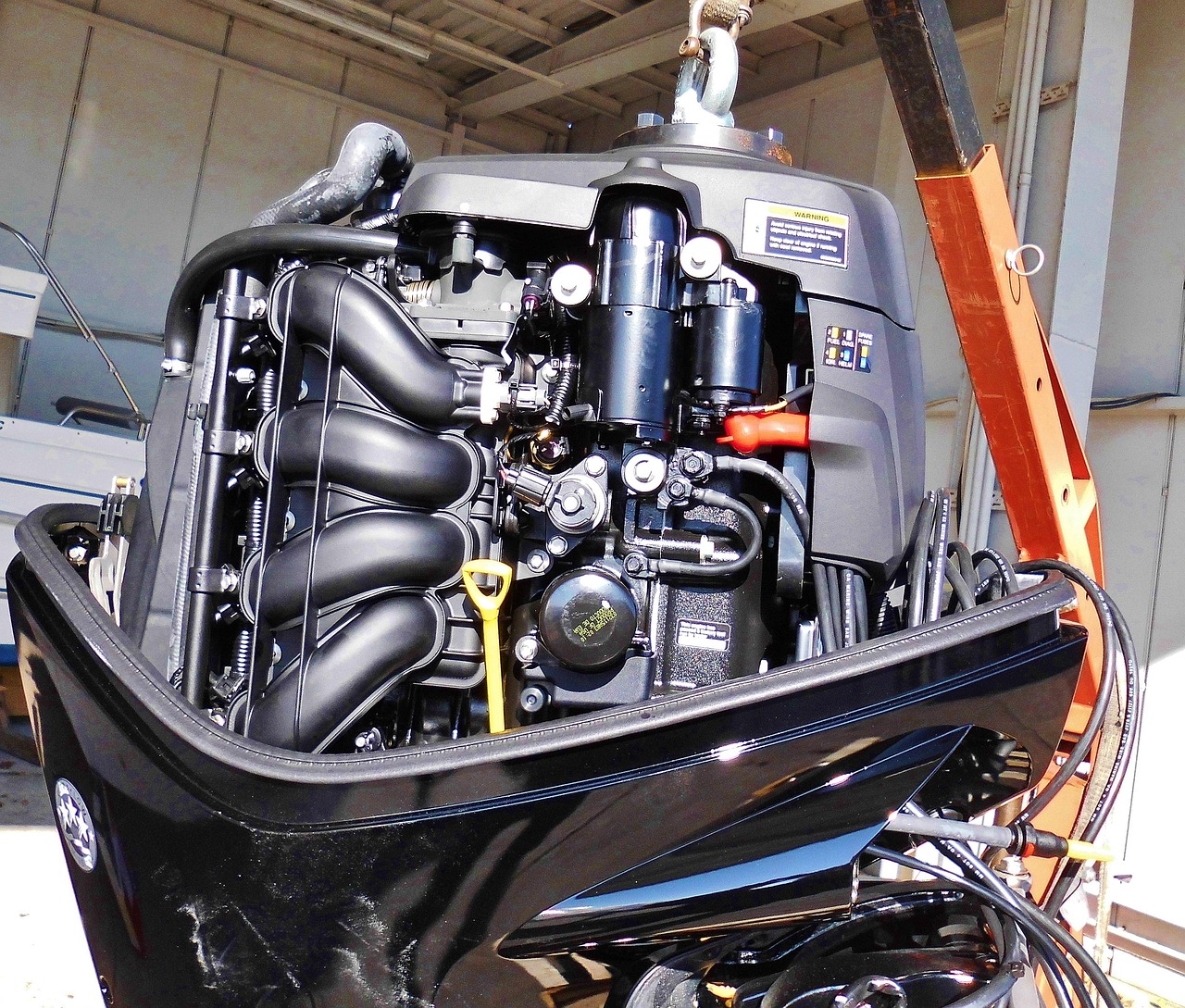
The fifth most common problem on bass boats is outboard lower unit problems. This issue happens because the lower unit of the outboard motor is in the strike zone for rocks, logs, and other submerged debris.
These problems could be a bent propeller, a damaged lower unit water pump impeller, or a sheared drive pin that prevents the propeller from turning the motor. These problems will happen while the boat is on the water away from any ramp. The cost of fixing the issue can be high for the bass boat angler.
In order to avoid this problem, anglers should check the propeller for nicks after each outing. Additionally, the angler should change the oil in the lower unit at least once each season. The angler should check the oil to make sure it is clean and does not have metal shavings in the oil.
If water gets into the lower unit, the lower unit motor will overheat and work harder to turn the propeller. The angler should carry a spare propeller and propeller changing tools.
6. Fuel System Contamination
The sixth most common problem on bass boats is fuel system contamination.
The fuel in bass boats often contains ethanol that attracts water. The water gets into the fuel system and allows algae and bacteria to grow in the fuel tanks. The bacteria can clog the fuel filter and the fuel lines, causing the engine to sputter or dies at full throttle.
In order to avoid this problem, the angler should use non-ethanol fuel when available, use a fuel stabilizer in the fuel system, and change the fuel filter each fishing season. Additionally, draining the fuel tank of the fuel when storing the boat over the winter will prevent the fuel from getting contaminated.
7. Trim and Tilt System Leaks
The seventh most common problem on bass boats are trim and tilt system leaks.
These trim systems are used to adjust the propeller of the outboard motor and are exposed to vibration and constant use. These systems will leak hydraulic fluid over time. This can cause the motor to either not tilt or the motor to drop below the desired angle while the anglers is fishing.
In order to avoid this problem, anglers should inspect these systems regularly and check the fluid level. When the fluid is low, adding more of the proper hydraulic fluid will resolve the problem. Additionally, the angler should replace the seals on these trim motors before they fail to avoid damage to the propeller.
8. Cracked Windshields and Leaning Consoles
The eighth most common problem on bass boats is cracked windshields and leaning consoles. These issues happen due to the boat taking big waves at high speeds or the boat being trailered over rough roads. The console on the boat will flex enough to stress the paint on the boat until it starts to crack or the welds on the console start to fail.
In order to avoid this problem, the angler should reinforce the mounting points for the console with backing plates. Additionally, all the bolts on the console should have thread locker on them. Finally, the angler should avoid using the boat in choppy water to avoid flexing the console.
9. Biminis and Rod Holder Problems
The ninth most common problem on bass boats is biminis and rod holder problems. These problems happen when the bimini on the boat gets ripped on high winds or when the rod holders come loose from the gunwale on the boat. These problems are caused by vibration, exposure to the sun, and the fasteners on these accessories loosening over time.
This problem can cause the angler to lose valuable rods full of bait and lose there ability to provide shade for them on a hot summer day. In order to avoid this problem, anglers should inspect the stitching on the bimini and the rod holders each spring. The angler should replace bungee cords before they snap and rod holders that contain heavy fishing gear should have backing plates.
10. Gelcoat Oxidation
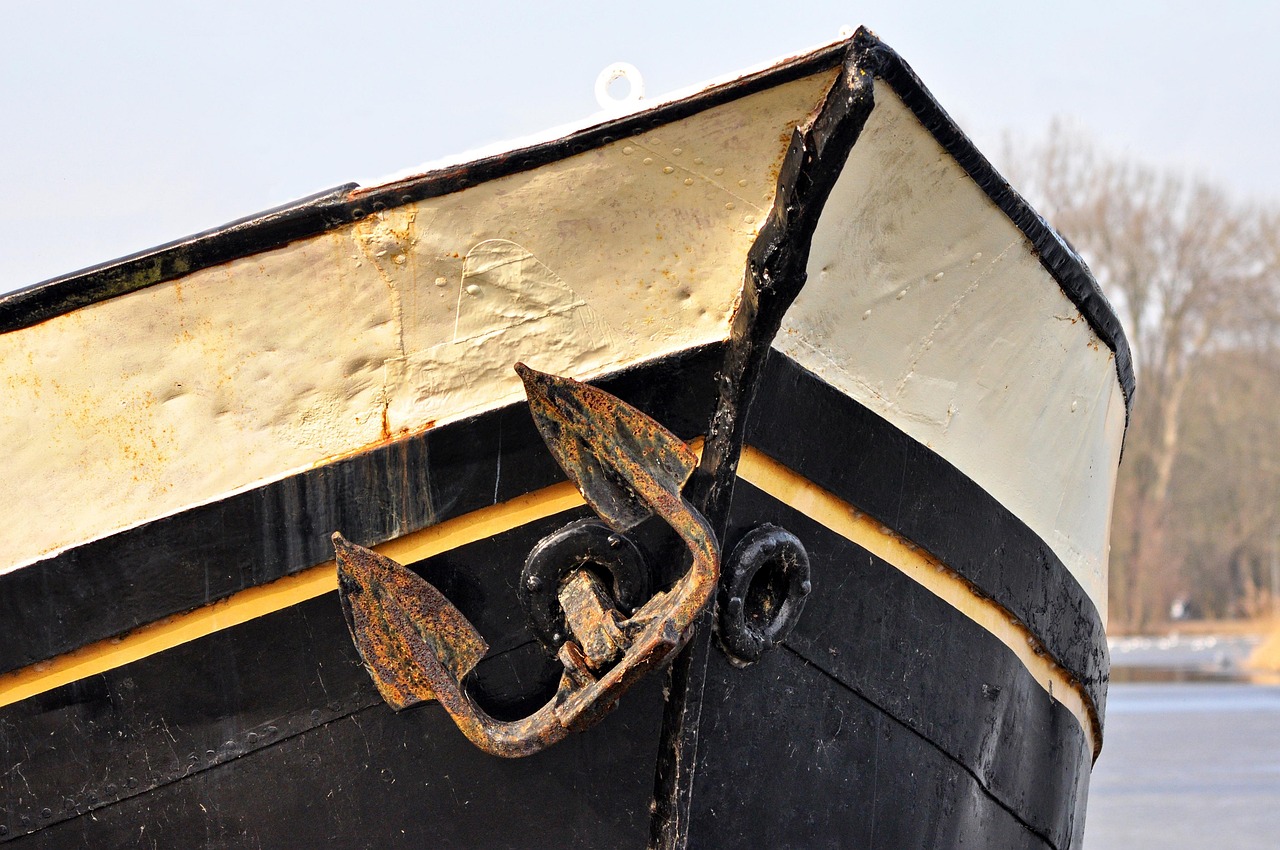
The last problem is the oxidation of the gelcoat on the boat. This problem happens after a few fishing seasons due to the exposure of the gelcoat to the sun. Additionally, if the boat is not cleaned and waxed regularly, the oxidation will create spots on the boat where the fiberglass becomes porous and difficult to keep clean.
In order to avoid this problem, using an oxidation remover on the gelcoat and applying a quality marine wax will restore the shine to the boat and protect the fiberglass from further damage. While this may seem like alot of work, the boat will look great and retain its resale value better. Overall, there are a variety of issues that may impact the bass boat angler.
By paying attention to the systems that work the hardest on the bass boat, by performing regular maintenance on the bass boat, and by addressing each problem that arises in its earliest stages before it becomes a bigger problem, the bass boat angler will enjoy the best days of their lives with their beloved fishing boat. A bass boat is a ticket to some of the best days that an angler will ever have. If anglers take good care of their boats, they will have many more great days with their bass boats for several more years to come.