
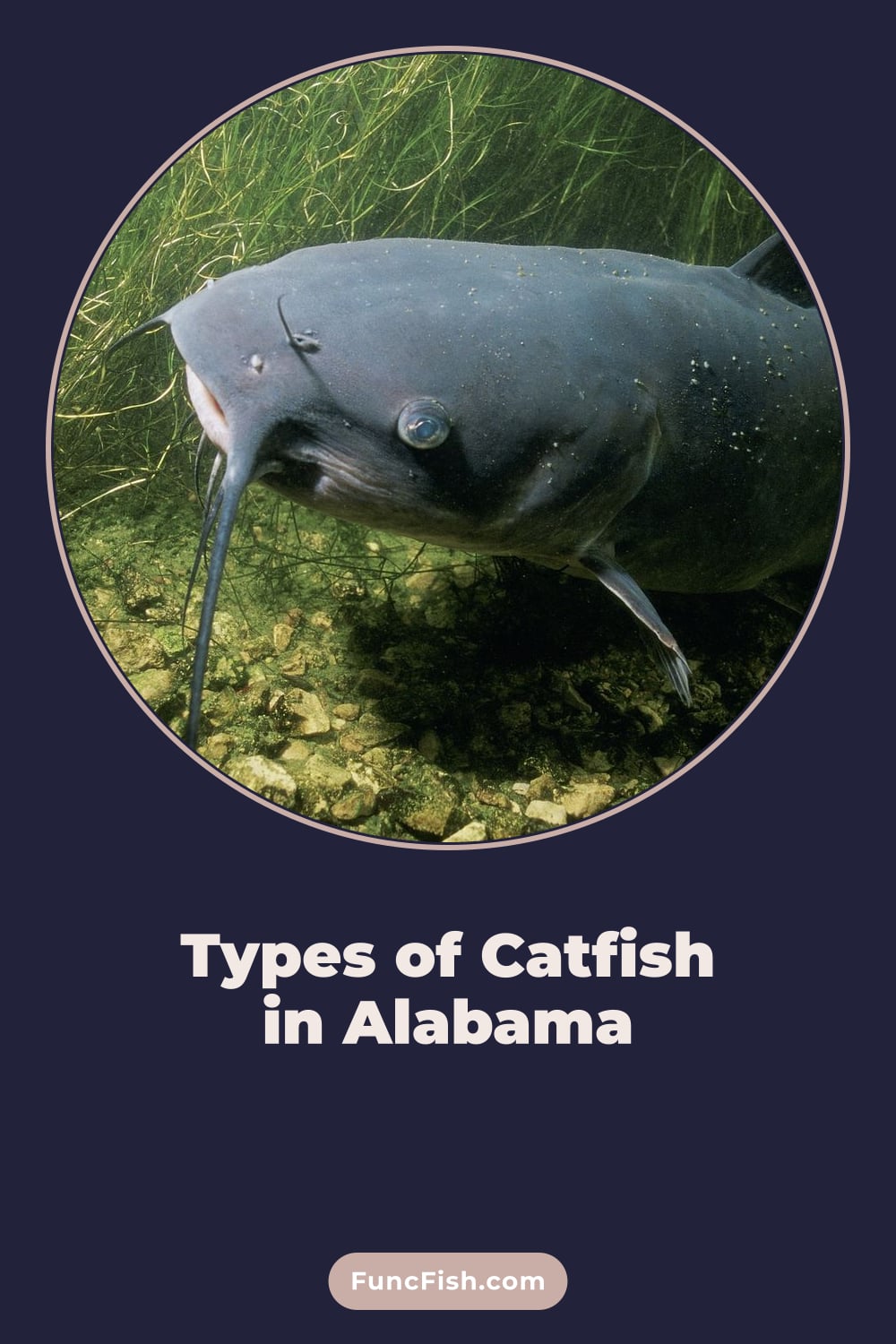
The rivers, lakes, and creeks throughout Alabama contains many different types of fish that are of great interest to those who would like to meet them. Because of its location in the center of the Mississippi River system, Alabama is home to many species of catfish. The Mississippi River basin contains warm water, plenty of mud bottoms for the catfish to live on, and a water current that provide necessary oxygen to the river’s inhabitants.
Whether you are interested in keeping your fishing trip challenging by attempting to catch a trophy fish, or if you are interested in simply preparing a cooler of fish to enjoy at a family fish fry, knowing the types of catfish that swim in Alabama’s waters can help inform your fishing effort. There are many difference between the different catfish species that live in Alabama. Each species of catfish has its own specific habit and preferences regarding where in Alabama they like to live, and each has its own personality.
For instance, some species live near the bottom of quiet lake, while other species live in the rocky areas of rivers. By learning about these differences, fishing can become a more targeted effort, as well as an effort to understand the underwater life in the heart of Alabama. There are four different species of catfish that live in Alabama’s waters: blue catfish, channel catfish, flathead catfish, and bullheads.
Each of these species of catfish is noteworthy for different reason. Some of the species has garnered attention due to their fighting power when fishermen catch them. Other species of catfish are known for their taste when prepared for the table.
Common Types of Catfish Found in Alabama
1. Blue Catfish
Fishermen love other species of catfish due to the joy that they offer when they are caught on a lazy afternoon. The blue catfish is the largest of the catfish species that live in Alabama’s waterways. Blue catfish are the most likely to put a bend in a fisherman’s fishing rod.
These fish can grow to weight that surpass 100 pounds in areas like the Tennessee and Mobile rivers. State records for blue catfish have gone past 120 pounds. The streamlined bodies of blue catfish allow these fish to travel long distances in their waterways.
Blue catfish are also most active in areas of open water, or the edges of channel within the water. Where blue catfish tend to live is in areas where there is fresh bait and strong current in the water, typically just downstream of dams. Blue catfish have a slate-blue color to their bodies with spots that fade over time.
When caught, blue catfish are known to put up a strong fight, displaying powerful run and head shakes that often make anglers believe that they have hooked up to a submarine. The strength and fighting might of the blue catfish is matched by the requirement of the fisherman to use heavy fishing gear to catch them. Attempting to use light fishing gear will not be successful in attempting to land a blue catfish.
Many newcomers to the sport of fishing lose their first few fish to underestimating the length of the fight that a blue catfish will have with a fisherman. For those who seek to land a true trophy fish, however, nothing in Alabama compares to the blue catfish.
2. Channel Catfish
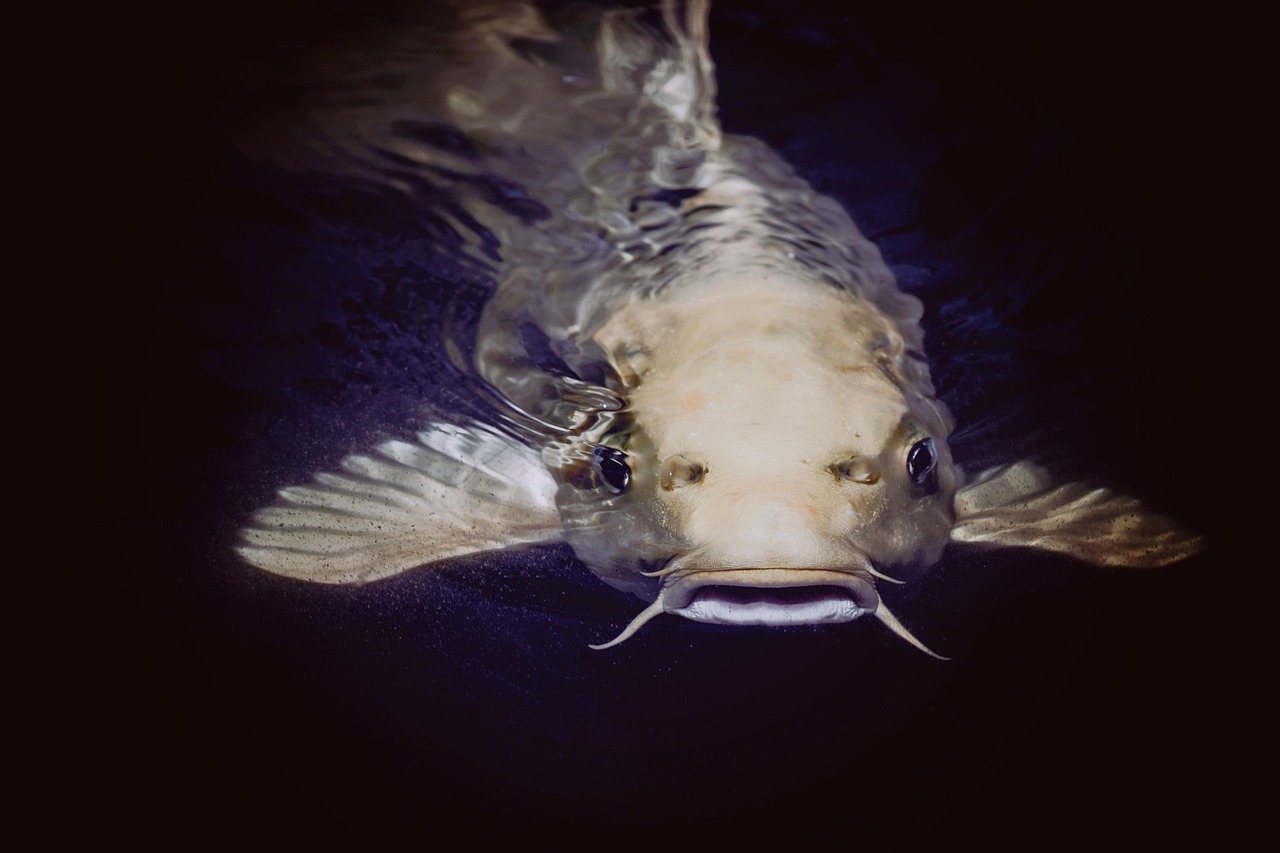
Channel catfish are the most widespread of the catfish species in Alabama. Thus, they are also the most forgiving of the different species of catfish that live in the state. Channel catfish live in locations from small farm pond throughout the state to the main rivers in the Coosa and Warrior rivers. The bodies of channel catfish are olive in color, with dark spots over their bodies, as well as deeply forked tails.
Channel catfish will eat almost any type of bait. Whether the bait is chicken liver, stink bait, cut shad, or even hot dogs, channel catfish will eat them. The variety of tastes that will work for channel catfish make them the perfect species for beginners or even children to fish for.
Additionally, channel catfish are among the best species to cook for dinner, especially when they weigh two pound or less. Channel catfish grow quickly in the fertile lands of Alabama, and are likely to be seen in their eating size. Channel catfish average less than the other three species, allowing for the use of lighter fishing rods when fishing for them. Thus, channel catfish are a reliable fish species to fish for on a lazy summer evening.
3. Flathead Catfish
Flathead catfish exhibit a different attitude towards fishing than the other three catfish species native to the waters of Alabama. Unlike blue and channel catfish, flathead catfish live and hunt for their prey by ambushing their prey.
Flathead catfish will eat live bait in areas of the water where bream or crayfish live. Flathead catfish species grow to over 60 pounds, though most species caught in the rivers of Alabama weigh between 20 and 40 pounds. Flathead catfish live in deep area of the rivers, where there is plenty of structure in the water.
These fish become active after it becomes dark in the state. Anglers will typically begin fishing for flathead catfish after sunset. Someone places a live sunfish into the water in spots that are likely to contain flathead catfish.
When flathead catfish eat, the bite on the fishing line feels like a freight train. Flathead catfish are known for the firm and mild flavor of the meat of the fish. This is surprising for those who may expect the flavor of the fish to be strong flavored due to the size of the catfish.
Though flathead catfish will not often bite on fishing lines, they are a species that most anglers will remember for many year once they have caught one. Though they take more effort to catch than the other three species of catfish, flathead catfish are worthy of respect when including them in any list of the state’s native fish species.
4. Bullheads
The last group of fish to discuss includes bullheads, the smallest of the catfish species native to Alabama’s waters. Bullheads include species of yellow bullhead, brown bullheads, and black bullheads. Bullheads rarely grow to reach two pounds in weight. Bullheads have rounded tails, rather than the deeply forked tails of the other species of catfish.
Bullheads live in areas of the state that are shallow and include extensive amounts of weeds. Bullheads are also willing to eat the same foods as other catfish species, though they are not particular about what they eat. Additionally, young children enjoy fishing for bullheads due to the speed with which they are caught.
Bullheads dont require complicated fishing rigs due to their small size. A simple pole, an earthworm, and a bobber will turn up bullheads most day. Though the spines along the sides of the bullhead’s bodies are sharp, and contain a mild venom that will cause a fisherman’s skin to begin to hurt once the venom enters their body, most individuals can handle bullheads without great difficulty.
Thus, while they may cause mild discomfort to a fisherman, even the youngest children can target bullheads to fish for. Many of the older individuals in Alabama still state that bullheads are a species that can be prepared for the cooking pan. When prepared correctly and while fresh, bullheads contain a sweet flavor to their meat.
While the other catfish species in Alabama may be the focus of attention from the catfish lovers in the state, bullheads ensure that the smallest children in the state are introduced to these fish species. Regardless of the species of catfish that an angler targets within Alabama’s waters, there is enough variety of species to ensure that any angler will be entertained for a lifetime. Blue catfish show off the power of a catfish’s fight for survival, channel catfish provide the most successful catch for those who take the sport of fishing as a family outing, flathead catfish reward those who are willing to go fishing into the night and wait for them to be caught, and bullheads introduce even the youngest members of a family to fishing for catfish.
Regardless of the type of fish that is targeted, however, anglers should pay attention to the water in which they are fishing for catfish. Additionally, they should tailor their use of bait and fishing gear according to the type of catfish species that are likely to live in that body of water. Each angler will spend more time reeling in their caught catfish than they will staring at their bait with a straight face.
The next time that an angler heads out to fish for catfish in Alabama, they should remember that each whisker that they see belongs to a species of catfish with its own story and favorite spot in the underwater kingdom of the state. Knowing which species of catfish are living in the water is half the fun of fishing for them, while the other half of the fun is simply being on the water in a state that contains such excellent catfish species.