
The First Warm Days of Spring
The first warm day of spring bring a specific type of change to the ice on the lake. The snow will melt into slush on the surface of the ice yet the lake underneath the ice are still deep enough to hold the weight of a person. The fish that have been sluggish in they movements throughout the winter will begin to sense the changes in both the light and the water temperatures.
As a result of the fish sensing these changes, they will begin to move into areas of the lake that are shallower than other areas and begin to exhibit more active feeding behavior from the fish than they exhibited in January alone. These changes in the environment during this narrow window of time between winters end and springs beginning are why anglers that understands these changes and have the knowledge of how to take advantage of them will load up their sleds and head out onto the ice for some of the best fishing of the year. While an expert fisherman isnt required to enjoy spring ice fishing, there are some adjustments that can be made to those fishing for the fish during these spring months.
These adjustments will help anglers take advantage of the changes in the environment and the behavior of the fish that live in the lakes and will put even more fish on the ice of the author, as well as the individuals that fish alongside the author. Spring ice fishing demand respect from all anglers. This is due to the fact that the sun that wakes up the perch in spring also works to weaken the ice that covers the lakes.
Essential Tips for Spring Ice Fishing Success
Therefore, anglers should always drill test holes into the ice as they are walking out onto the frozen lakes. The way that the ice chips comes out of the lake can reveal to anglers if the ice is weakening. Many experienced anglers will not step onto any ice that is thinner than four inches, as well as if they see any standing water on the ice.
1. Test Ice Thickness and Safety
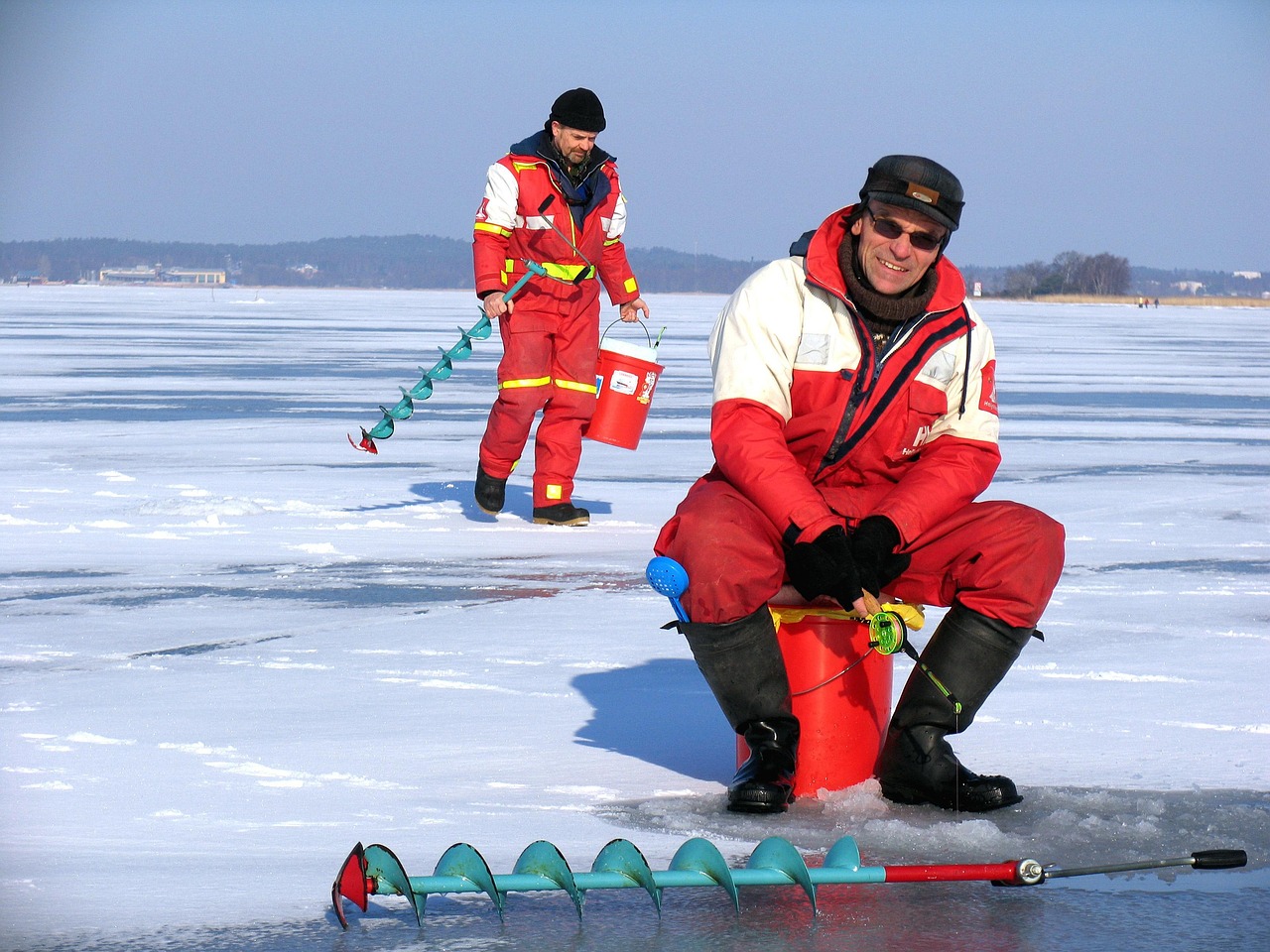
These precautions are not based off fear of the water, but instead upon the understanding that these precautions are the price that they must pay in order to enjoy the best portion of the fishing season. Because the ice is relatively soft during the spring, anglers should prepare their gear accordingly. Anglers will likely need to use a small backpack rather than a full ice fishing hut.
2. Pack Lightweight Gear
This is so that anglers can move from spot to spot within the water while fishing. Anglers should only bring the gear that they require for their fishing trip for a few hours at a time. Furthermore, anglers should bring extra clothing that can be stored in a dry bag in case they begin to break a sweat while on their sled.
The electronics that anglers use while on the ice should be adjusted for spring. During the winter, the fish will be more closely packed together than they will be during the spring.
3. Adjust Sonar Settings
Therefore, anglers should adjust their sonar equipment to sense individual fish rather than groups of fish.
Anglers should also account for the fact that fish will be seen more quickly when anglers move fifty yards from their spot while using sonar technology. This mobility is one of the keys to success in spring ice fishing. An adjustment to the type of bait that anglers use during spring ice fishing should be made.
4. Select Appropriate Bait
While minnows are one of the best forms of bait, they should be smaller than those that were used during the winter portion of the year. Two inches fathead or shiner minnows will work best for those ice fishing for fish that are eating the same type of food as the young-of-year fish. For panfish, wax worms or eurolarva baited on a small jig will work best.
The metabolic rate of the fish has increased during spring, so the fish will be willing to chase bait that is moving in the water. Therefore, fish will hit dead stick rods with minnows two feet off the bottom while the jig rod will remain still. Anglers should pay close attention to the location where they fish during the spring.
This is especially true after the ice begins to rot on the lakes from the top down. Anglers should fish the areas along the north and west shores of the lakes. These locations will melt and warm up the quickest due to the sun exposure of the lakes.
5. Target Warm Shorelines and Creek Mouths
Anglers should also look for any creeks in the lakes that move snowmelt water into the lakes. These locations will draw in the fish from distances within the lakes. Furthermore, if anglers find one such creek mouth with fish, they should also search for other creek mouths within the lakes.
6. Carry Essential Safety Equipment
Safety equipment for anglers cannot be emphasized enough in relation to spring ice fishing. Anglers should always have ice picks on their lanyard so that they can pull themselves out of the water should they ever break through the ice. Additionally, anglers should have a throw rope that can reach twenty feet within the water.
Many experienced anglers will also wear a flotation suit while on the ice. The water during the spring season remains near freezing in temperature and anglers could last only several minutes in the water if they should fall in. Anglers who are fishing during the spring should time their fishing trip with the cycle of the sun above the lakes.
7. Time Your Trip with the Sun
Anglers will encounter the best bite between the first two hours after sunrise. After that time period, fish will go quiet until the late afternoon portion of the day. Therefore, lunch should be eaten during the middle of the day, when the fish are not actively looking for food.
Anglers should adjust jigging rods during spring ice fishing.
8. Optimize Jigging Technique
Anglers should raise the rod tip six inches above the ice while using a jigging rod. Additionally, anglers should allow the bait to remain in place for three counts before performing the next movement of the jigging rod.
Anglers should understand that the spring fish are active yet cautious about the environment. Therefore, the fish will follow the bait for several feet before they will begin to bite on the bait. Anglers should also pay close attention to their rods during these pauses in the jigging so that they will not miss the fish that are interested in the bait.
Anglers must make a decision regarding the type of clothing that will be worn while fishing for the fish. Anglers will feel cold when they are standing on the ice, yet they will warm up once they begin to drill holes into the ice. Anglers should dress in layers so that they can release layers as they begin to warm up.
9. Dress in Layers
Wearing too much clothing can cause anglers to sweat through their socks while on the ice. Anglers can adjust the type of terminal tackle that is attached to their fishing lines.
10. Use Lightweight Terminal Tackle
Fluorocarbon fishing leaders in four-pound test strength will work best for spring ice fishing. These fish are wary of six-pound and eight-pound test fishing line due to the increased visibility of the fish. Additionally, a small tungsten jig of natural colors will work best instead of bright colors. Finally, anglers should pay close attention to when they exit the water while fishing for spring fish.
The ice on the lakes may be safe for anglers at noon, but an hour later it may no longer be safe. Therefore, anglers should set an alarm on their phones for one hour before their planned exit from the lake. This will allow anglers to avoid rushing off the ice into potentially questionable ice during the spring season.
11. Set an Exit Alarm
These suggestions for spring ice fishing does not require any new purchases of fishing equipment. Instead, anglers should make a few small changes within their awareness of spring ice fishing and their knowledge of spring ice fishing techniques. Yet, these adjustments and changes will transform spring ice fishing into one of the most rewarding times of the year for anglers.
The fish are eager to be baited, the scenery is beautiful during the spring, and the entire lake comes to life during this time of year. Therefore, anglers should seek to fish on the ice while the ice lasts. While the time during which anglers should be on the ice is short, the fishing during this time can become unforgettable.