
The waters off of Galveston, Texas, are well-known for the amount of marine life that lives in and move through the area. Both anglers and beachgoers often spot marine mammal, sea turtles and manatees, and, as their reputation for the species is well-known, encounter various species of shark. The species of sharks that reside in the area patrol the warm waters of the gulf year-round, drawn to the same species of baitfish that populate these waters and attract anglers and tourists alike.
By gaining an understanding of the various species of shark that inhabit the waters off of Galveston, whether fishing from the pier or approaching the shoreline, travelers and residents alike can feel both curious and confident in there interaction with the ocean. Unlike the monsters that populate the pages of jumpscare-based shark films, most sharks encounter in the area are relatively small in size and dont possess an interest in interacting with human observers. Understanding the various species of sharks in the area helps to develop an appreciation for the role that these predators play within the ecosystem, but also ensures the safety of those who live near or visit the area.
The following list details each of the species of shark that may be encountered in the Galveston area, from those nearest the shoreline to those that live in the deeper channels and offshore rigs. Each species has its habits, menu, and personality. The most common species of shark that live in the waters off of Galveston are the blacktip shark.
Common Shark Species Found Near Galveston
1. Blacktip Shark
These species live in the shallower areas near the beaches, and are often spotted leaping out of the water as they pursue their favorite prey, the baitfish. These sharks have black tips on their fins, and rarely grow to more than six feet in length. Their diet consists mainly of small fish, and they are a popular catch for anglers who target these predators.
However, due to their strong tendencies to quickly recognize an angler and to bolt away from the predator that has hooked the shark, anglers typically release blacktip sharks unharmed after being caught.
2. Atlantic Sharpnose Shark
The next most common species of shark in the Galveston area is the Atlantic sharpnose shark. These species is relatively small compared to other shark species in the area, typically growing to lengths of only two to four feet.
These sharks have pointed snouts with numerous fine teeth, indicating their interest in chasing after any available prey. These sharks are most common in the bays, channels, and nearshore areas around Galveston Island. Even young children who fish from the pier often encounter Atlantic sharpnose sharks.
However, despite the potential for surprise at the discovery of a shark bite, there is no danger to these young anglers. Atlantic sharpnose sharks have healthy populations and reproduce at rapid rates, allowing for the consumption of these predators without the populations dying out. Thus, the managers of the area’s fisheries often monitor these predators.
3. Bonnethead Shark
Other species of shark that live in the Galveston area is the bonnethead shark. The shape of their heads makes them look as if they have a shovel with eyes on either end of their heads. These predators use their odd anatomy to search for crabs, shrimp, and stingrays on the seafloor.
These predators live in the bay area, especially in sandy channels, and are most common between the warmer months. Unlike other shark species in the area, bonnetheads have a diet that includes seagrass. Their eating of seagrass allows them to more easily digest the shells of their prey species.
Additionally, due to the small size of these predators (under four feet), and their generally docile nature, they are safe to observe from the shore.
4. Bull Shark
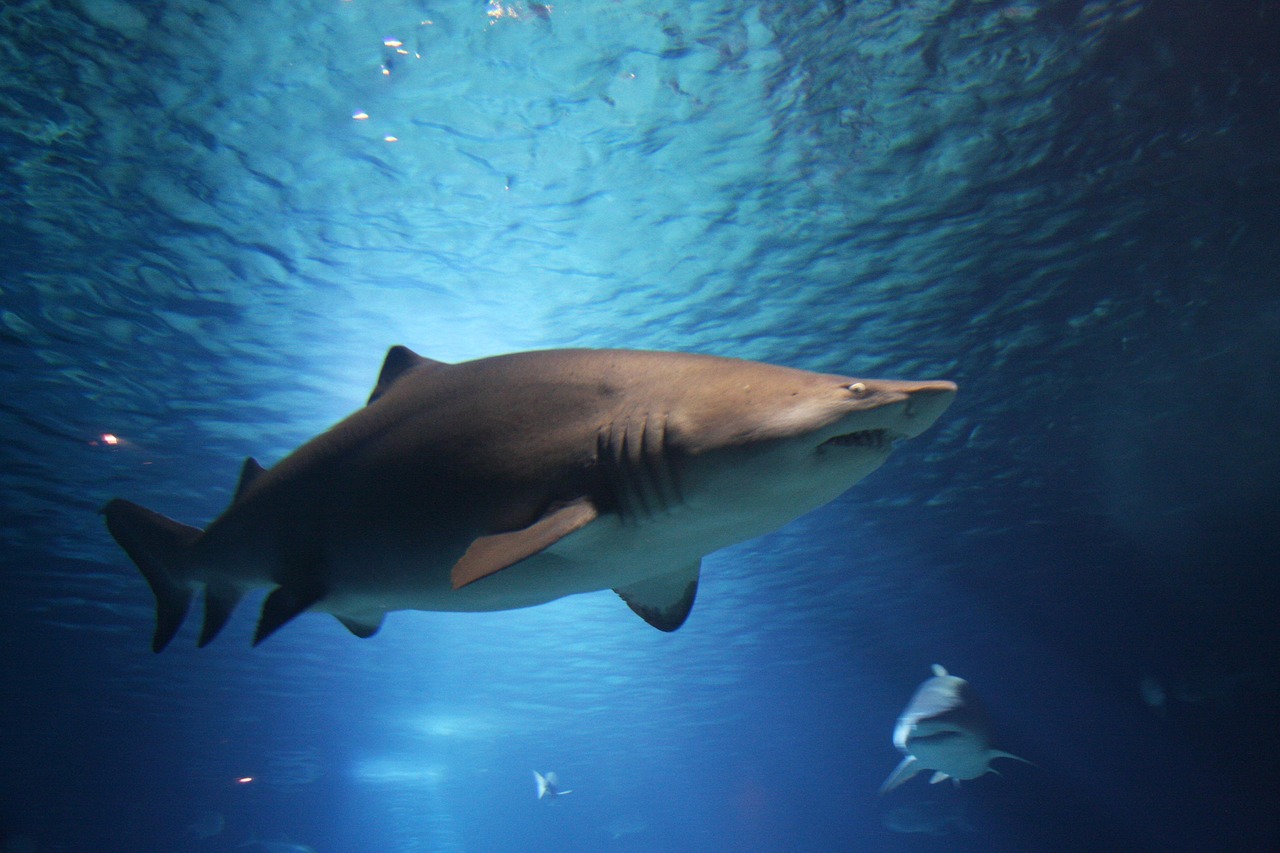
Beyond the shoreline into the gulf channels, the bull shark species live. Bull sharks are some of the strongest and largest of the species in the area, reaching lengths of ten feet or more, and weighing several hundred pounds.
Bull sharks have the unique ability to live in freshwater environments, which allows them to wander into areas such as the Galveston ship channel and even the rivers that empty into the gulf. Bull sharks are territorial, curious, and strong enough to create danger for humans if provoked. Most interactions between fishermen and bull sharks require a fight to free the fish from the water, but providing these predators with plenty of space and avoiding bait placed near the angler’s legs will avoid any problems with these predators.
5. Spinner Shark
The spinner shark species live in the same area as the bull sharks, but are more common in the deeper channels. Spinner sharks have similar traits to blacktip sharks, except that they often leap into the air multiple times before splashing back into the water. These predators are most common near the jetties or the offshore rigs.
These predators are slim in body and can reach lengths of five to six feet. Their teeth are razor-sharp, as they mainly consume fish. Charter fishing trips a few miles from Galveston often spot spinner sharks, and those who take these trips understand the food web of the gulf area.
6. Tiger Shark
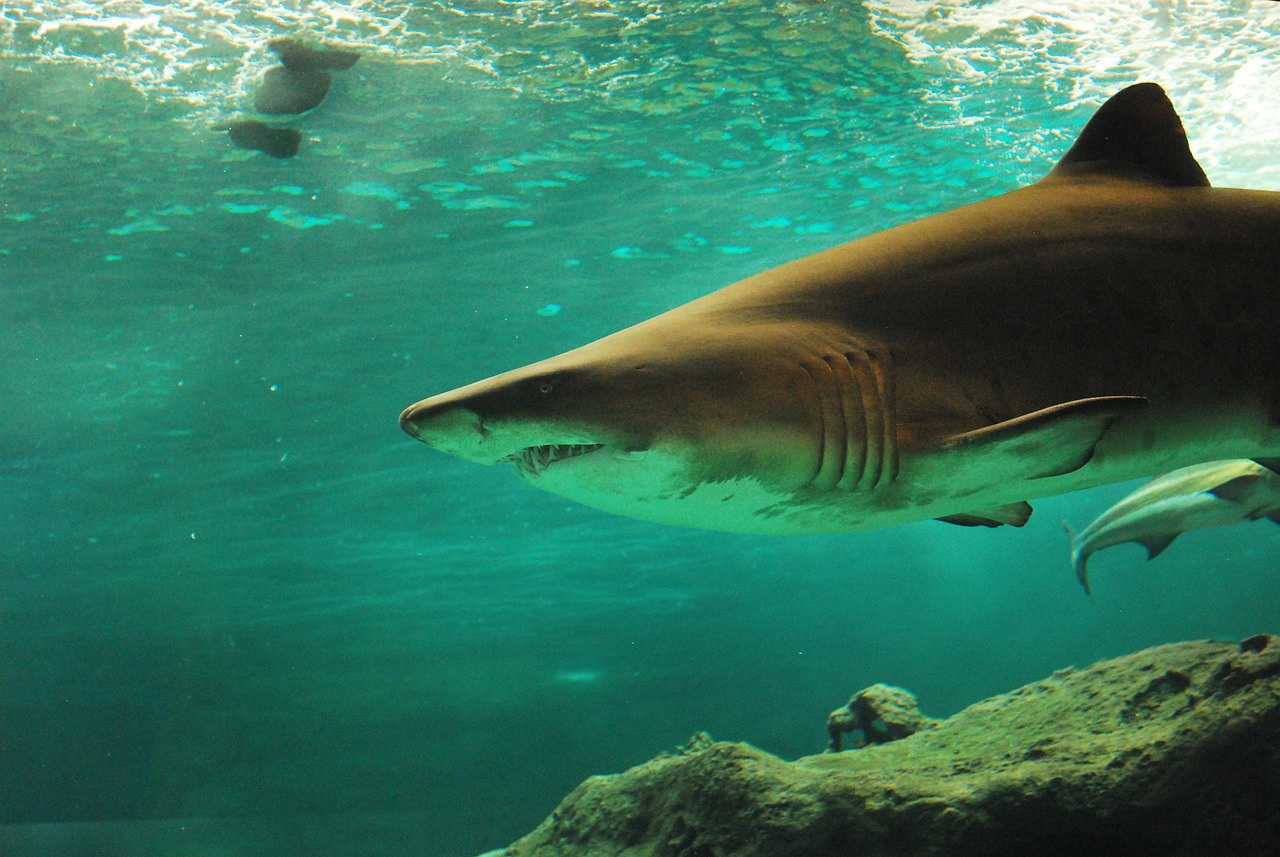
Beyond the continental shelf where Galveston’s anglers go fishing for the deeper waters are the tiger sharks. These predators have vertical stripes on their bodies that fade over time as they age. Tiger sharks are scavengers whose diet includes a variety of species, from sea turtles and manatees to license plates.
When they reach ten to fourteen feet in length, they are awe-inspiring predators to see. However, the slow growth and reproductive rate of tiger sharks means that the population of these predators is at risk of overfishing. Thus, serious anglers ensure that they quickly and gently release these predators back into their ecosystem.
7. Scalloped Hammerhead Shark
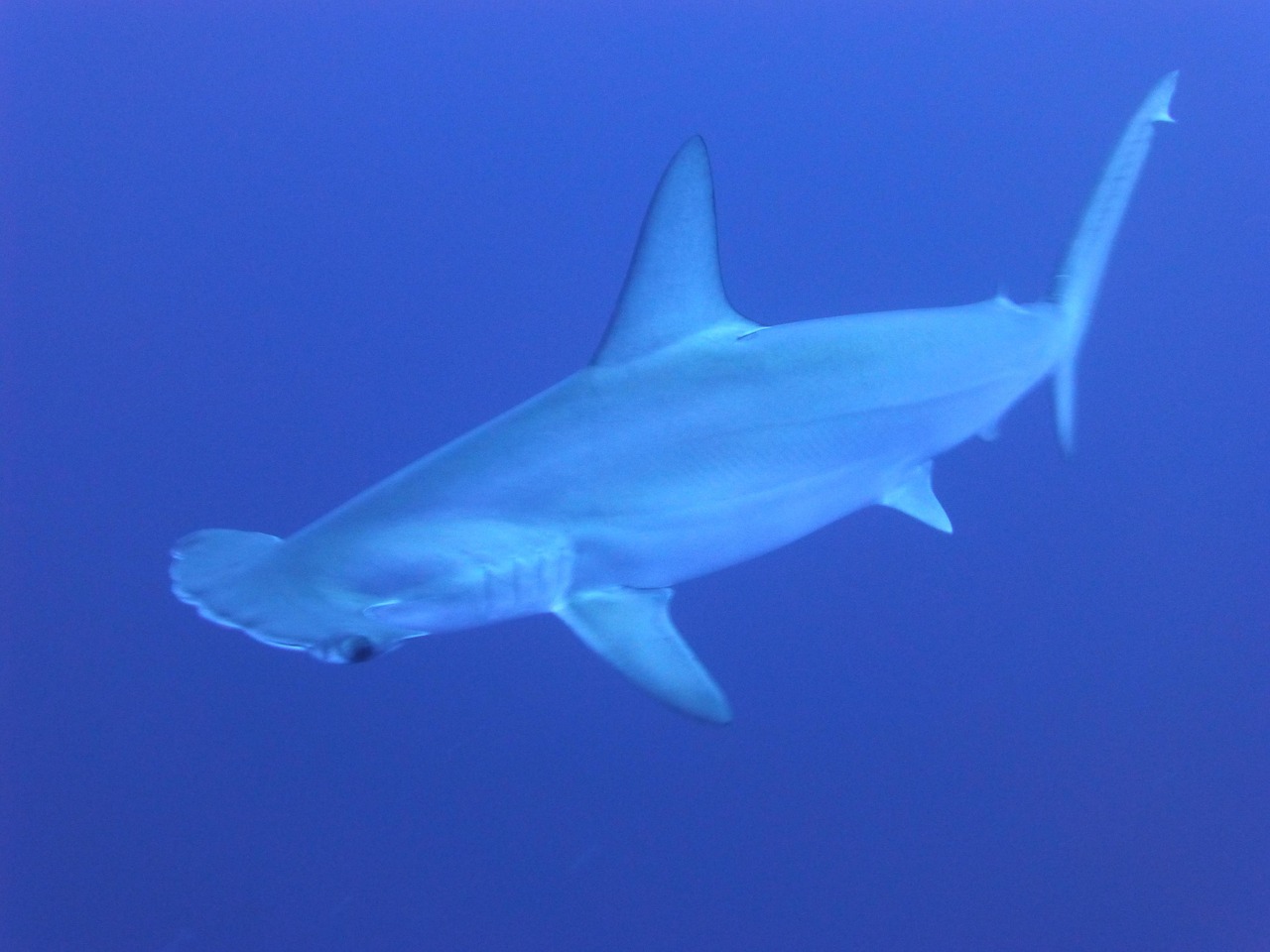
Hammerhead sharks are visible in the gulf waters off of Galveston. The scalloped hammerhead species has a flat head that allows for a 360-degree view of their surroundings. Their wide heads allow them to spot prey buried in the sand.
Young hammerhead sharks are seen near the beaches and jetties. The larger adults favor the oil rigs and channels in the area. The placement of their eyes and electroreceptors on the heads of these predators allows them to spot stingrays on the seafloor.
Because hammerhead sharks have declined in number in many areas of the world, sightings of hammerhead sharks in Galveston are seen as victories for the conservation of the species.
8. Nurse Shark
Nurse sharks live in the same area, but prefer to stay on the ocean floor. Nurse sharks live in crevices in the ocean floor, under ledges, or buried in the sand in such a way that only their tails emerge from the ocean floor.
These species have thick bodies, rough skin, and crushing teeth used to eat shellfish and lobsters. Because nurse sharks feed at night, they are unlikely to be hooked while anglers are fishing. However, dive tours of the area can spot nurse sharks near the jetties or artificial reefs.
Nurse sharks have deliberate, lazy movements in the water. Thus, they are popular in oceanariums to observe their calm behavior in captivity.
9. Lemon Shark
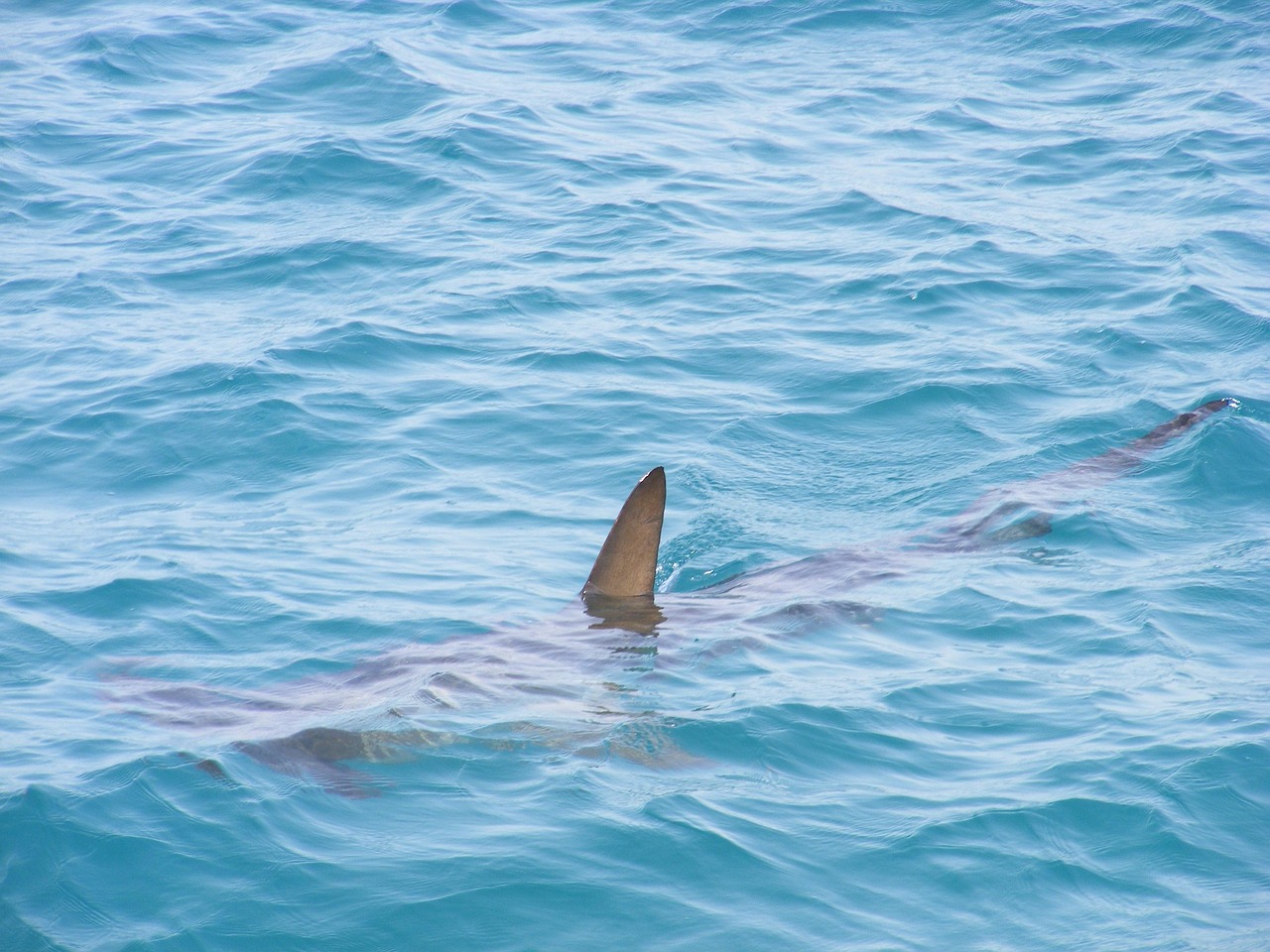
One of the last species of shark to spot in the Galveston area is the lemon shark.
These predators display a yellowish tint to their bodies that allows them to blend into the sandy bottoms of the gulf when hunting. Additionally, lemon sharks have a social nature unlike other shark species. Groups of lemon sharks, including the young pups, live in the protected bays along the shores of Galveston.
These predators grow slowly and live for decades. Thus, spotting a five-foot lemon shark near your kayak is a thrill, but also a sign of the health of their nurseries along the island. Each of these shark species performs an essential function within the gulf ecosystem.
Whether they are removing the weak from the food chain (sharks), eating the remains of other marine mammals that have died (sharks), or any other function, it is essential that sharks perform these tasks to ensure the delicate food web of the gulf remains in balance. Thus, the next time you are on a Galveston shoreline, you can appreciate the fact that another species with fins and teeth is patrolling the same waters. It is no cause for fear; rather, it is one that develops appreciation and respect for the predators that have roamed these areas for millennia before the construction of the causeway or the piers for pleasure travelers.
As such, ensuring the preservation of these species ensures that they will continue to patrol these waters even after the last human inhabitant of the area has left.