
Fishing waders may appear to be a simple item. A person can slip them on and step into a river to chase some trout or bass for the day without getting wet. However, any person who has spent significant time fishing with waders know of the problems that can arise.
A seemingly small problem at the start of a fishing trip can end up ruining the experience for a person before lunch even occur. The good news is that there are common causes of the failure of fishing waders. By recognizing these common causes, anglers can take steps to head these causes off prior to the development of the problems that these cause create.
The following list details the common problems with fishing waders, their causes, and methods to fix these problems. Leaks are the most common problem with fishing waders. Nothing ruins a fishing trip faster than the discomfort caused by water leaking down the leg within the wader.
Common Problems With Your Fishing Waders
1. Leaks in the Membrane
Waders use membrane to allow sweat to breathe through the leg while preventing water from entering the waders. However, a sharp rock, a fishing hook, or even a dog’s toenails can rupture these membranes. Leaks typically occur at the seams of the waders where the stitching includes thousands of small hole in the membrane.
The first sign of a leak in fishing waders is when a person notices that the sock are wet but the outside of the waders is dry. This is typically the reason why people do not address the issue right away. However, by the time water begins to drip down the outside of the wader, the damage to the membrane has likely occur.
In this case, a small repair kit with Aquaseal and tenacious tape can help fix the issue. A dime-sized patch applied to a dry patch of the waders will last for years after being allowed to cure for twenty-four hour. Seams can fail for the same reason that leaking occur.
2. Failing Boot Seams
The rubber boot that attaches to the leg experiences the most stress when a person walks. With time, the waterproof tape that adheres the two together begins to fatigue and fail. This typically happen with the first few seasons of ownership.
A person will first notice the failure of the seam when fishing in cold water as the waterproof tapes become brittle and begin to peel away from the leg material. The best way to avoid the failure of seams is to purchase the waders with welded seams rather than taped seams. Should a person have a pair of waders with failing seams, visiting a professional wader repair shop can fix this issue.
These shops use moddern polyurethane adhesive that do not harden when exposed to cold temperatures as the wader wearer walks in the river. While not cheap, this alternative to purchasing new waders each year is better for the angler. Waders that do not fit properly ruin more fishing trip than the average angler admits.
3. Improper Fit
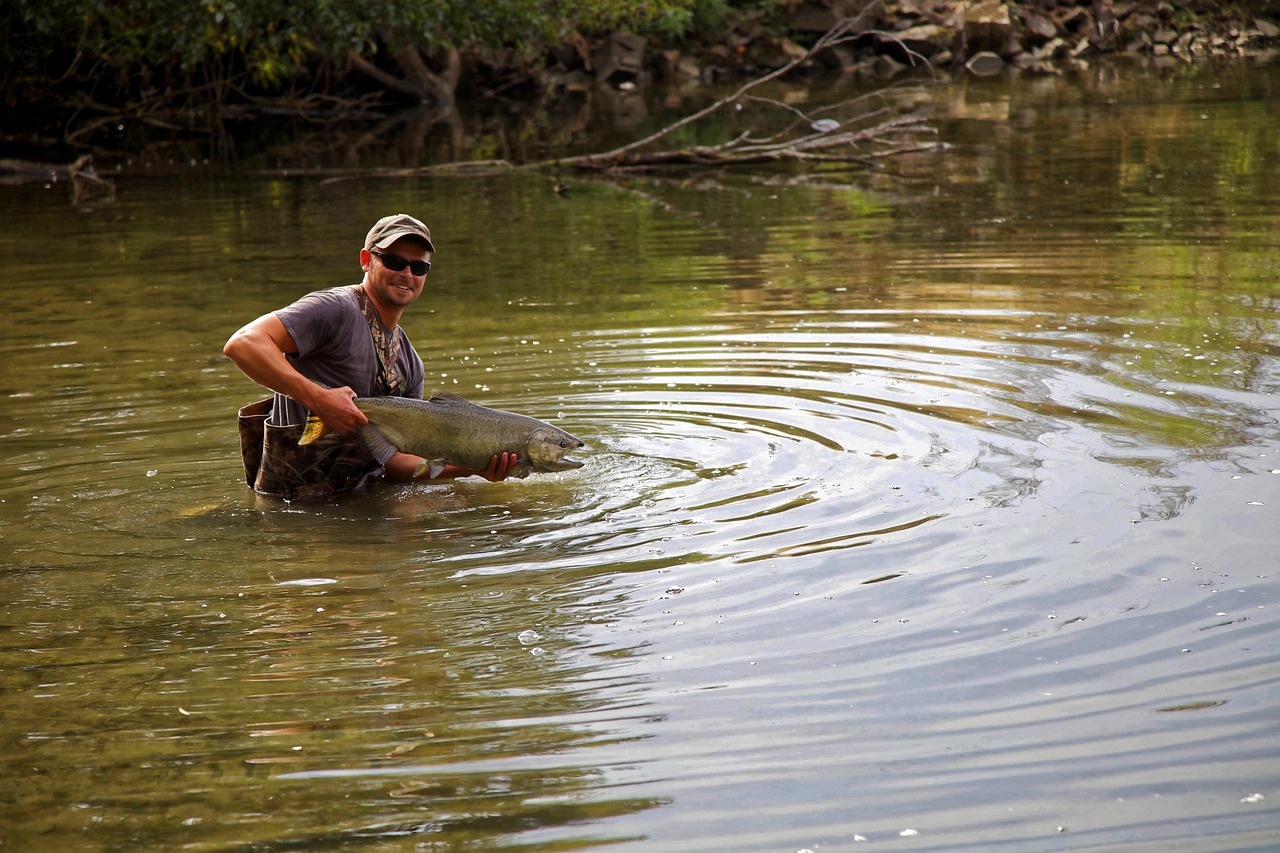
Waders that sag at the crotch or bind behind the knees develop pressure spot on the legs after one hour of fishing. The extra fabric of the waders bunches inside the boots. Waders that are too tight across the chest prevent the angler from properly casting their line into the water.
The best way to find a good fit is to try on the waders while wearing the layer that will be worn while fishing. The waders should allow a person to stand on their tiptoes and squat down to fish without placing stress on the legs. Women who desire more comfort while wearing waders should opt for models that provide more support higher in the back and in the hip.
The proper fit of waders is a cheap upgrade that provides comfort while on the water. The myth of high-gram breathable fabrics is the cause of frustration for many anglers. Anglers purchase fishing waders with the highest gram amount of breathable fabric to ensure that they will stay dry and comfortable when fishing in hot weather.
4. Breathable Fabric Myths
However, when a person stands in waist-deep water, the breathable membrane of the wader begins to sweat. This is because the angler presses the breathable membrane against the water when they stand in the river. A person should purchase waders with a weight based off the temperature of the water that they fish in most of the year.
If a person fishes in cool water environment, three-layered waders are best. For four or five layered waders, these models provide more protection for the leg but provide less breathability. Most serious anglers own two sets of waders.
One set of light waders to fish in summer and fall. The other set has more insulation to combat the water temperatures of spring and fall. Boot selection is a feature of waders that create the most regret.
5. Boot Sole Selection
Felt soles provide good traction on slippery rocks but contain bacteria that a person can transplant from river to river when they wear the felt bottoms. Many states have banned the use of felt soles for this reason. Rubber bottoms with aluminum bars or carbide studs will provide similar traction to felt bottoms.
However, a person must ensure that their weight is over their feet rather than their heels to maintain traction on slippery rocks. If a person owns felt bottoms that they love, dedicate them to one watershed. Always clean them after use.
For new waders, a rubber sole with aluminum carbide studs will ensure that the river and the anglers downstream of that angler benefit from the purchase. Straps for waders are another feature that may appear to be unimportant but become important when they fail. The elastic that holds the waders to the leg will eventually stretch out with time in the sun.
6. Wader Straps and Hardware
This will allow the waders to slide down the leg to the knees. A buckle that fails will allow an angler to fall into fast-moving water but cannot remove the waders. A person should purchase waders with wide straps made of padded materials with metal hardware rather than plastic hardware.
The best suspender systems use a Y-back design for even weight distribution to each shoulder. The ability to use an adjustment buckle allows a person to adjust the fit when wearing a jacket. These details that a person notices when first wearing a pair of waders will be appreciated for the next five fishing season.
7. Improper Storage
The storage of waders is often neglected. Placing waders into a gear bag while wet will allow mildew to grow on the waders. Hanging the waders up by the straps will stretch the shoulder of the waders over time leading to leaks.
The best way to store a set of fishing waders is to rinse the inside and outside of the waders using fresh water after each fishing trip. The waders should be hung upside down from the boots to allow the water to drain from the waders. It is best to store the waders in a cool and shaded spot with good airflow to avoid damaging the waders with UV radiation.
Once the waders are dry, fold the waders loosely and store them flat in a breathable bag. Ensuring that waders are treated as valuable gear will allow them to last for years. The zipper on fishing waders can be a problem if not purchased correctly.
8. Zipper Failures
A person should avoid zippers that are exposed to gravel or silt that may get into the zipper. These foreign materials will jam the zipper when being pulled while wading in fast-moving water. Saltwater anglers may experience this issue with freshwater waders as the silt and salt can cause corrosion of the zipper materials.
A quality zipper on fishing waders will have waterproof coils with large pull tabs that are easy to operate with cold or gloved hands. Using a silicone lubricant on the zipper after each fishing trip will prevent jamming of the zipper. The lubricant should be applied when the zipper is still wet from the water in the river.
This short thirty-second habit prevents ninety percent of zipper issue. Ignoring the damage to fishing waders will eventually create costly purchase of new waders. Any tiny tear at the knee will stretch over time.
The same is true for spots on the seat of the waders where a fishing boot may rub against the spot. The spot at the inside ankle where the top of the boot rub against the ankle. A person should take the time to inspect their waders after each fishing trip.
9. Wear and Tear Inspection
Placing the waders up to a window to inspect for pinholes. Running the hands over the spots where the waders are subjected to the most wear will allow a person to catch any small problems. The ability to make permanent repair saves a person money on purchasing new waders.
Taking this few minutes will ensure that waders last for a decade rather than two seasons. While the river will always find a weak spot in the gear that is worn by an angler, the best anglers are those who know the common cause of failure for fishing waders. The anglers who can treat their waders properly will stay dry the longest while fishing in the river.
Next time that a person steps into a fishing spot, take a moment to appreciate the technology that is present in moddern waders. The best waders in the world are only as good as the angler that wears them. By treating the waders properly, they will stand by a person’s side for years to provide comfort while fishing.