
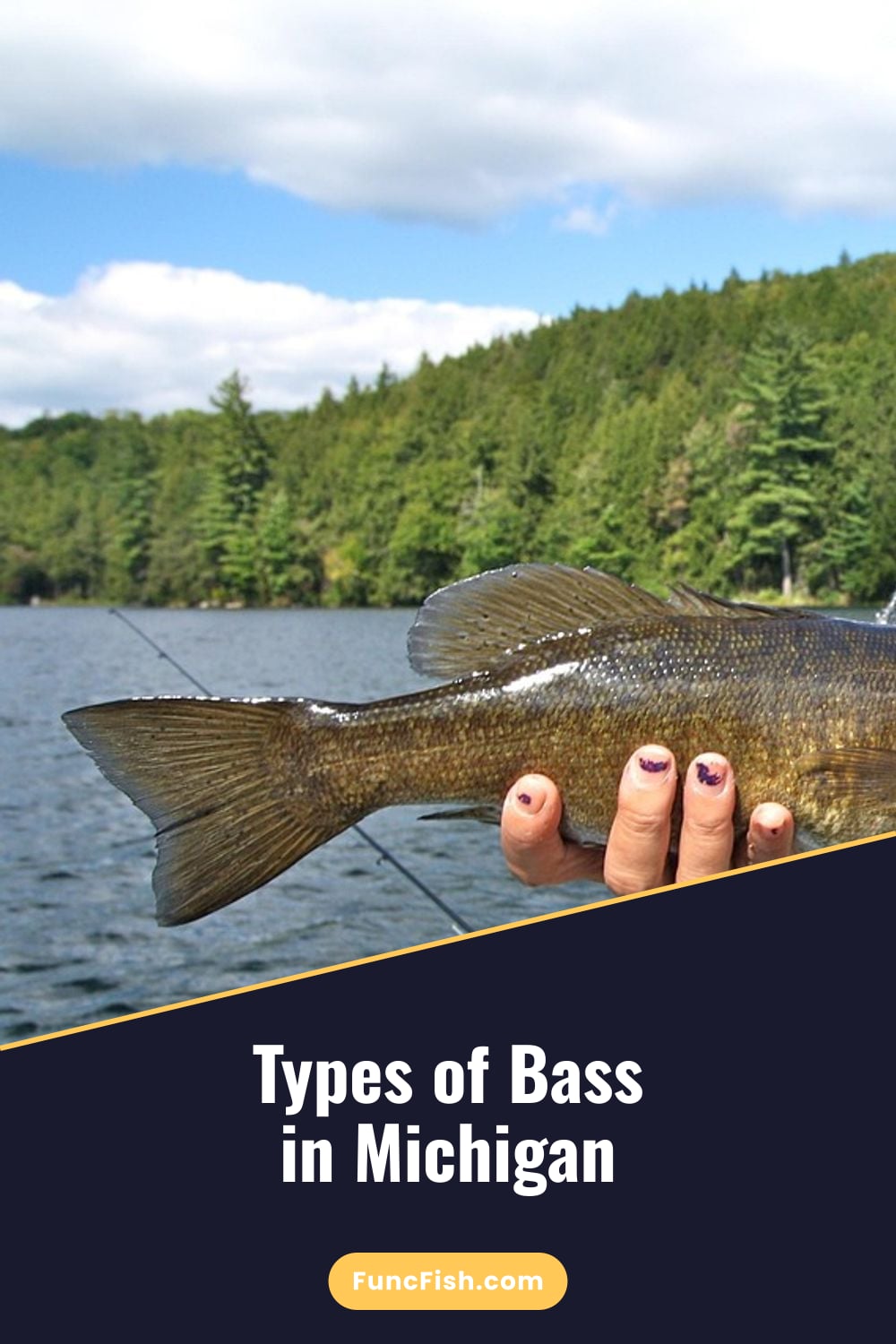
The lakes and rivers that are found throughout the state contain many bass fish that can turn an ordinary afternoon into a memorable one. These bass fish has the strength to challenge the fishing gear of anglers who catch them, and their size allows for bass fish to be caught throughout the Great Lakes and it’s tributaries. Whether anglers is fishing from a kayak in the inland lakes of the state, or drifting along with the river currents near one of the large lakes of Michigan, the type of bass that is targeted will help anglers decide the best way to fish for them.
Having the appropriate knowledge about the bass fish of Michigan will help anglers to catch them with the correct type of lures, to read the water to determine where the best fishing spots are, and to understand the various fishing season dates to ensure that they are spending their time with a fishing rod that is bent by a fish; and not spent wondering at why they are not able to catch any fish with those lines. Michigan is the home to several different species of bass fish. Each of the bass fish that live in the state have different habits and preferred places to live, each with their own personalities when felt on the fishing line.
To become a better fisherman in Michigan’s waters, anglers must understand the differences between each of these fish species. This knowledge will not only allow those who fish for bass in Michigan to select the correct type of lures for each species, but to understand how to approach each fish species and catch them in record numbers. The different types of bass fish that lives in Michigan can be found on the following list.
A list that begins with the most common species to the least common.
Common Species of Bass in Michigan
1. Largemouth Bass
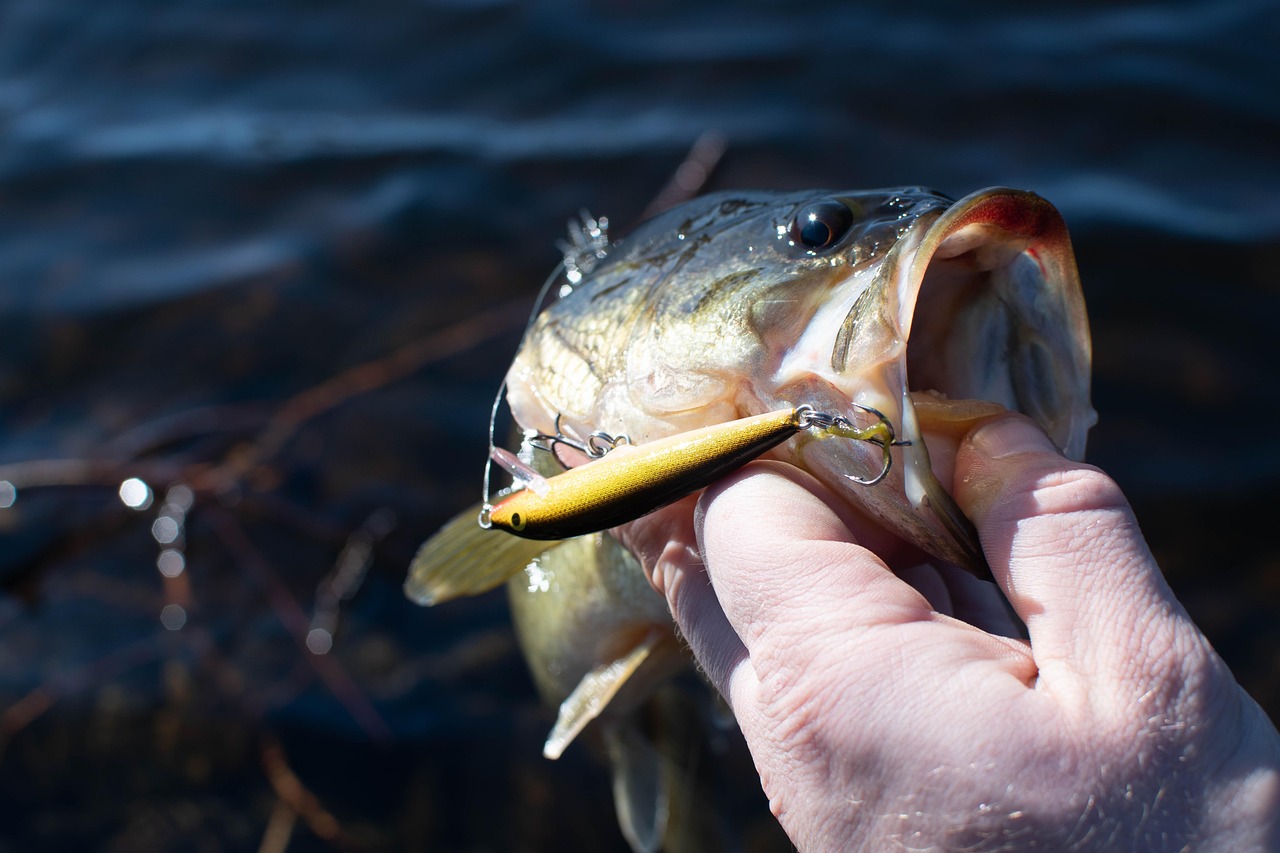
The most common species of bass that live in the waters of Michigan are largemouth bass. These fish species live in areas that are warm to the touch and that contain many types of weeds.
These bass can also be found in flats in the lakes, or in any location that contains thick cover within the water. The name “largemouth” refers to the fact that these fish are able to swallow prey fish of a size that is much larger than most other fish of the same size. Thus, lures like plastic worms that are rigged in a Texas style, or bait like spinnerbaits will catch the attention of largemouth bass in Michigan.
The largemouth bass often reaches weights of 5 to 7 pounds within lakes like those in southern Michigan. However, largemouth bass that weigh in at over 8 pounds are found in locations like Lake St. Clair, as well as inland lakes in areas like Oakland and Livingston counties. Largemouth bass are found in areas that are warm to the touch during the summer months, and are active during the spring, summer, and fall when the water temperatures are within the range that these fish prefer.
However, in the winter months and late fall, largemouth bass begin to move to deeper areas of the lakes and flats, and become less active during these seasons.
2. Smallmouth Bass
Smallmouth bass is another species of bass that can be found in Michigan’s waters. Smallmouth bass has a body that is built as a bronze torpedo, possesses red eyes, and prefers areas of water that are cooler than those enjoyed by largemouth bass.
Thus, smallmouth bass prefers areas of the Great Lakes, rivers like the Grand or the St. Joseph rivers, and deep inland lakes. Smallmouth bass that weighs 4 pounds will typically pull at the fishing line with more force and will swim further than a largemouth bass that weighs twice as much. Smallmouth bass often jump out of the water when they are caught, a behavior that often makes anglers in the fishing boat laugh.
The diet of smallmouth bass is composed of crayfish, and thus targeting areas where these critters live and incorporating lures like tube jigs or drop-shot rigs with small plastic crayfish will result in the smallmouth bass being caught. Other types of bait that will lure smallmouth bass include crankbaits and hair jigs that will bounce along the lake bottom. Smallmouth bass have become a focal point of fishing efforts across the state in recent decades due to the improvements to the water quality of Michigan’s waters, as well as the development of knowledge of where smallmouth bass live in deeper areas of the lakes.
However, smallmouth bass are more sensitive to changes in the water temperature than some of the other bass species. Thus, smallmouth bass become almost dormant in late fall when the water temperatures drop to 50 degrees or below. Smallmouth bass are also easy to catch during their spawning period in the lakes, so anglers must release these bass quickly and carefully when they are caught.
3. Rock Bass
Rock bass are another species of bass that inhabit the waters of Michigan, and are considered to be a smaller species of bass. Rock bass are also referred to as “redeyes” due to the color of the iris in their eyes, and typically weigh no more than one pound. However, the fight that rock bass put up when they are caught with light fishing gear is impressive.
Rock bass live in rocky shorelines, in areas with riprap, or any structure within the water that is between 2 and 15 feet deep. Smallmouth bass live in many of the same rivers in Michigan as rock bass. Rock bass have become a species that is targeted by newcomers to bass fishing due to their ease in being caught.
Even children with only a cane pole and a worm will be able to catch rock bass all afternoon. However, even experienced fishermen find excitement in the presence of rock bass, especially if the fish eats a crankbait that was not targeted at the rock bass. Rock bass can be eaten when they are caught and fried.
However, rock bass live in schools. Thus, if anglers find a school of rock bass, they will be able to catch twenty or more rock bass in a row. While this may be impressive to some enthusiasts of bass fishing, others find this type of behavior of rock bass to be less appealing than fishing for solitary large bass fish.
4. White Bass
White bass are another species of bass that live in Michigan. Often referred to as the “silver ghosts” of the Great Lakes, white bass are schooling fish that live in large groups. White bass have a tendency to create large boils on the surface of the water as they chase shad and other baitfish in the water.
White bass is most common in the southern parts of the Great lakes. For example, Kent Lake, Ford Lake, and the Detroit River system are all areas where white bass are commonly sighted. A typical white bass weighs between 8 and 12 inches, though trophy fish that weigh 20 inches are sighted every year during the spring fishing run of the white bass.
Anglers who target white bass will often find that there are feeding frenzies that occur when these fish are targeted with fishing gear like small spoons, tailspinners, and hair jigs. These feeding frenzies will allow anglers to catch double-digit amounts of white bass in a few minutes. In addition to fishing for white bass with light spinning gear, these fish will also be seen responding well to trolling methods with small crankbaits.
However, the trade-off in targeting white bass is that they have relatively short lifespans, and are smaller in size than other types of bass species like the black bass. During the spring, though, anglers will find large numbers of the fish gathered together in their habitats in Michigan.
5. Hybrid Bass
Hybrid bass, or sunshine bass, are another species of bass fish that may be encountered by anglers in Michigan. The hybrid bass is created from the crossing of white bass and striped bass. These types of bass are stocked in certain areas of the Great Lakes. The advantage of hybrid bass is that they grow at a faster rate than white bass, and reach sizes that are similar to the size of smallmouth bass.
The schooling behavior of white bass and the fight that striped bass puts up when hooked by a fishing line results in the popularity of the hybrid bass species in the Great lakes. The locations where hybrid bass are spotted are often the same locations where white bass are spotted. However, the hybrid bass prefer water areas that are slightly deeper than those where white bass live.
Because the hybrid bass is sterile, and does not create any offspring, the species does not spread uncontrollably throughout the waters of Michigan. Thus, fishery managers have control over the location and numbers of these fish species. For anglers, this means that there will always be an abundance of the fish present in its habitats year after year.
However, finding areas of the Great lakes that are populated with healthy populations of hybrid bass requires some research on the part of anglers.
6. Spotted Bass
The last type of bass to review in Michigan is the spotted bass, also known as Kentucky bass. This type of bass is not as common as any of the other types of bass species in Michigan.
However, spotted bass are found in small populations in the areas of the counties along the borders of Ohio and Indiana. Occasionally spotted bass will also be sighted in the St. Joseph river. The spotted bass has physical characteristics of largemouth and smallmouth bass species, but spotted bass have spots along their bodies.
These spotted bass have a preference for rocky areas with a moderate current in the Great lakes, and often will bite at the same lures that smallmouth bass will bite at. While spotted bass are limited in their range across the Great lakes, they are rarely sighted by most anglers that visit Michigan’s waters. Thus, spotted bass are a disadvantage in that these fish do have the fight and the selectiveness to provide a challenge to even the most skilled fisherman.
Thus, if anglers are journeying into areas like the southwest portion of Michigan, and if the fish that they catch does not contain the characteristics of either largemouth or smallmouth bass, they should examine spotted bass for the spots along their body. Should spotted bass be sighted, anglers may have encountered the rarest of the bass fish species in Michigan. Regardless of which type of bass species that anglers target in Michigan’s waters, those waters will always provide anglers with something to learn.
The composition of the lake bottoms, the water temperatures, and the area where the forage base of the lakes is located will provide anglers with insight into which species of bass are likely to bite at their lines. When first learning to fish for bass in Michigan, anglers should start with targeting the largemouth bass species. Following that season of success, however, anglers can begin to target smallmouth bass that live in the rocks of Michigan’s areas.
Eventually in their fishing careers, those anglers can begin to target the white bass species that live in the Great lakes. Each type of bass in Michigan will provide anglers with a different experience, each of which has techniques that will provide anglers with the best success in catching the type of bass that they target. Thus, all that is left for anglers in Michigan is to choose their target species of bass, and to go fish for those fish.