
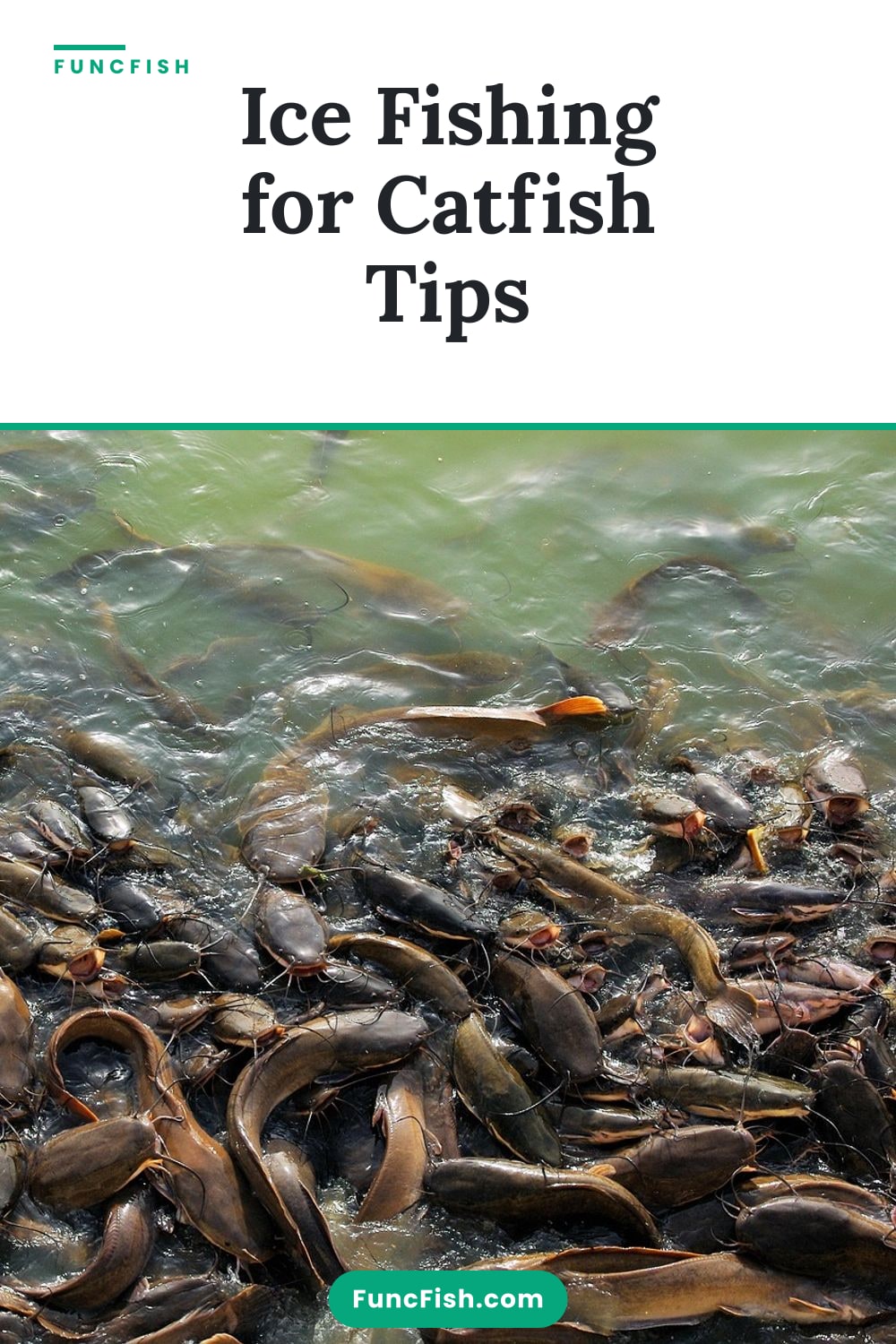
Ice fishing for catfish might seem like a strange combination at first. Many people believe that catfish lives in warm, shallow water area during the summer months. However, when the lake becomes covered in a thick layer of ice, catfish populations remains active enough to bite on baits that are cast into the frozen bodies of water.
In order to be successful in ice fishing for catfish, an individual must understand the metabolism of the catfish when it is in the winter months. With that knowledge, an angler can adjust every other aspect of the fishing process for the best possible outcome. With the proper adjustments made to the fishing process for ice, an angler can enjoy fishing for catfish while remaining on land and without the use of a boat.
The cold weather alters the behavior of most fish in the lake. Catfish may slow in their movements under the ice, however, they will still exhibit feeding behaviors, especially if there is a steady supply of food that passes them by in the frozen lake. The altered behavior of catfish presents an opportunity for anglers who understand how to take advantage of this behavior.
With the proper gear and tactics, an angler can enjoy a successful day of ice fishing for catfish. The following are the adjustments to the basic process of ice fishing for catfish. The most important adjustment to make is in the location of the ice fishing holes.
Essential Tips For Successful Winter Catfishing
Catfish dont exhibit random movements in the lake. They seek out specific areas in lakes that contain specific features. These features include a slight current, ample amounts of dissolved oxygen in the water, and an ample supply of baitfish that live in these areas.
1. Target Specific Lake Features
Areas to target for ice fishing for catfish include creek and bend areas in the lake, deep areas of long points in the lake, and areas with submerged features like trees or rocks situated near the old riverbed of the lake. These locations are known to exhibit stable temperatures in the water that are suitable for the survival of catfish. An angler should drill fishing holes along the outer edges of these areas.
2. Drill Holes Along Outer Edges
These areas experience the greatest movement of catfish. Additionally, an angler should use a sonar unit to map the bottoms of each hole. One productive fishing spot will produce more fish than twenty fish holes that are located twenty yards away from each other.
Many anglers are unaware of this fact. The type of bait that an angler uses in ice fishing for catfish during the winter months should be chosen with consideration to the digestion of catfish during these months. Bait such as large amounts of cutbait may result in the catfish taking the bait but then subsequently moving away from the location of the ice fishing spot.
3. Use Small Amounts of Fresh Bait
Small amounts of fresh bait are best for catfish during the winter. Two-inch pieces of shad or minnows that are hooked through the lips of the catfish will result in more strikes at the ice fishing spot than large hunk of beef liver bait. Another type of bait that works well for ice fishing for catfish is nightcrawlers that are threaded onto small hooks.
The movement of the nightcrawlers allows them to exhibit as if they are alive without requiring the catfish to use any of their energy to capture the bait. The freshness of the bait is the most important factor. Using old bait will result in no bites at all from the catfish.
Baits should be changed every twenty minutes while ice fishing if an angler is not catching any fish with the current bait. Tip-ups can help ice anglers to cover more water. Tip-ups allow anglers to cast lines into predrilled holes without having to stand over each fishing spot.
4. Utilize Tip Ups to Cover Water
Anglers can set up to five tip-ups along the outer edges of the chosen fishing channel. Each tip-up should be baited with a lively minnow that is suspended from the bottom of the channel at a height of two feet. An angler can easily see the flags that are attached to the tip-ups against the snowy landscape.
Additionally, seeing the flag rise is a rewarding sight for an ice fisherman. However, tip-ups should not be the only type of fishing spot that an ice angler features in their fishing plan. Tip-ups should be used in conjunction with an active jigging rod.
5. Combine Tip Ups with Active Jigging
When the tip-up’s flag begins to rise, an angler should wait at least ten to fifteen seconds to allow the catfish to swallow the bait. After the catfish has swallowed the bait, the angler can advance to the tip-up spot, reel in the line, and set the hook with a smooth lift. The catfish possess soft mouths while the water is cold, so a violent movement of the line will cause the hook to become embedded in the mouth of the fish.
The process of jigging with electronics allows anglers to target the catfish more precisely. An angler should drop a sensitive sonar transducer into each fishing spot. The mark on the sonar screen at a height of two to five feet off the bottom are catfish.
A small jigging spoon or a 1/8-ounce jig with a minnow head will work best for targeting the catfish. The angler should lift the bait six inches off the bottom, allow it to fall on the line, and then pause the movement of the bait. There will be a subtle sideways movement of the mark on the screen when a catfish strikes the bait.
There will not be a hard thump on the screen when a catfish strikes the bait. Many anglers miss some catfish due to the expectation that the bite will be strong like the bites that are experienced in July. If the mark on the screen follows the bait but does not enter into the bait, the angler can switch to using smaller bait or add a tiny amount of shrimp to the bait.
The scent of the shrimp will entice the catfish to eat the bait. The depth that catfish live at under ice in the winter months is more important than many anglers might think. During the summer, catfish can live between five to thirty feet deep in the water.
6. Target Specific Depths
However, during the winter, catfish live between twelve and twenty-two feet deep in lakes and reservoirs. Water that is shallower than twelve feet can experience too many fluctuations in temperature due to the sun. Water that is deeper than twenty-two feet can have too little dissolved oxygen for the catfish.
Anglers should drill test holes to the depth of fifteen feet into the lake. Based off the information from the sonar equipment, the depth of each location can be adjusted. Once the angler locates the depth that the catfish live at for one spot, that same depth can be used for all other fishing spots.
Patience and persistence are the keys to successful ice fishing for catfish. An angler may go forty minutes without any fish. After a while, the angler may catch three fish in fifteen minutes.
The most successful anglers will have a supply of fresh bait and will stay alert for any changes in the location of the catfish. An angler should bring a comfortable chair, a thermos of a hot liquid to drink, and a willingness to sit and wait for the fish to come in. The quiet of the frozen lake will pass by faster once an angler learns of the rhythm of the lake.
Additionally, catching a fish after an enjoyable day on the frozen lake will taste even better. Light influences the movement of catfish under the ice. Bright and sunny days have catfish that live near the structures in the lake.
Catfish will best bite on these days during sunrise and sunset. On overcast days, the catfish will roam the lake more freely and can be caught during the middle of the afternoon. By paying attention to these behaviors over a few fishing trips, an angler can learn when to arrive at the frozen lake.
7. Monitor Light and Weather Conditions
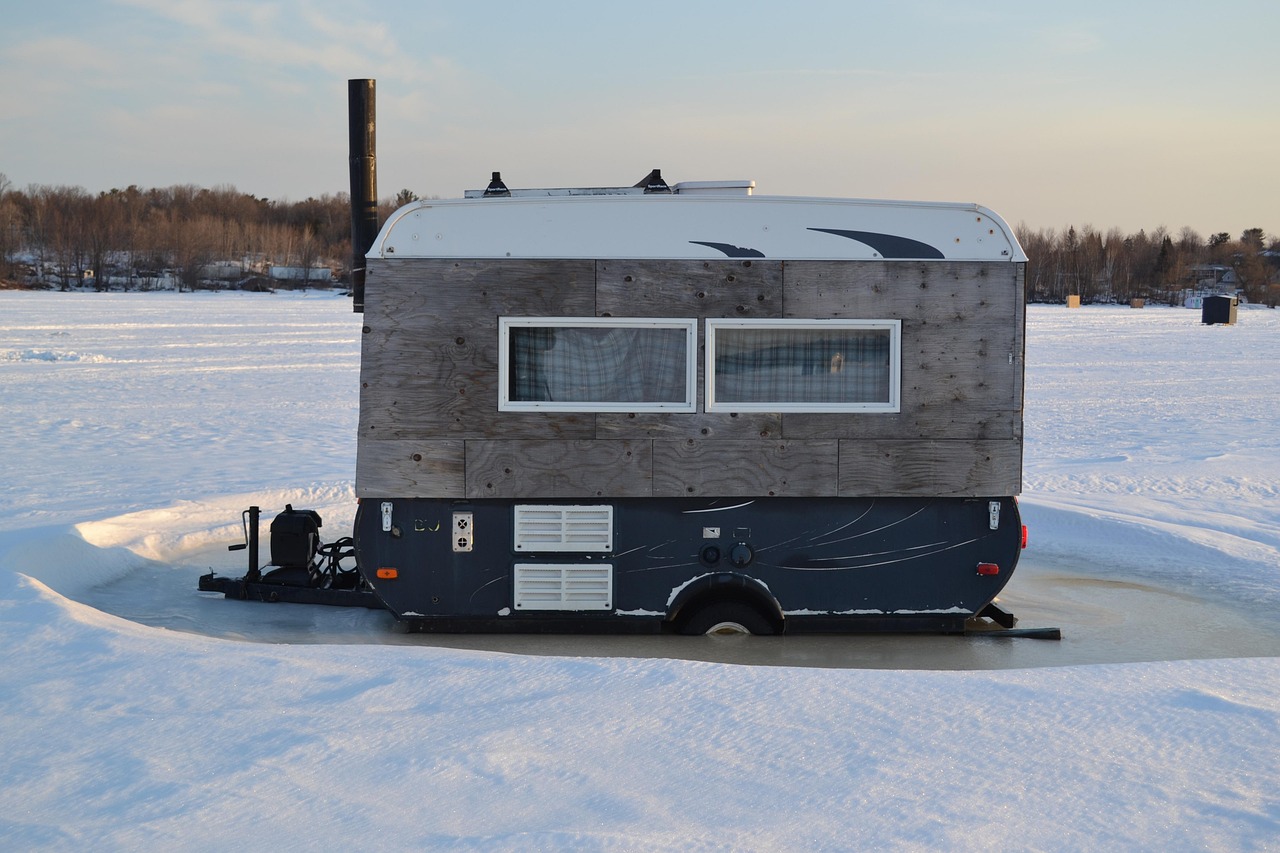
Polarized sunglasses will aid an angler in observing the ice holes when the light is bright and the ice is exposed to the sun. The sunglasses will cut the glare from the ice so that an angler can focus on the bait in the fishing spot. Ice fishing locations should always be fished with safety in mind.
The ice should be at least four inches thick to support the weight of a single ice fisherman. Six inches of ice will allow more comfort when moving fishing gear or on a sled. Anglers should drill test holes to test the thickness of the ice as they approach the fishing spot.
Anglers should never fish on locations of ice that is near moving water or near the inlets of a lake. Anglers should always have ice picks on a lanyard around their neck to assist with falling on the ice. Additionally, a throw rope should be in each fishing bucket so that an angler can assist a friend who falls on the ice.
Anglers should always tell another person where they are going and when they plan to return from the ice fishing spot. These safety measures may seem like extra work for anglers to complete before heading into the ice. However, these precautions can help to avoid a potentially dangerous situation.
8. Prioritize Ice Safety Measures
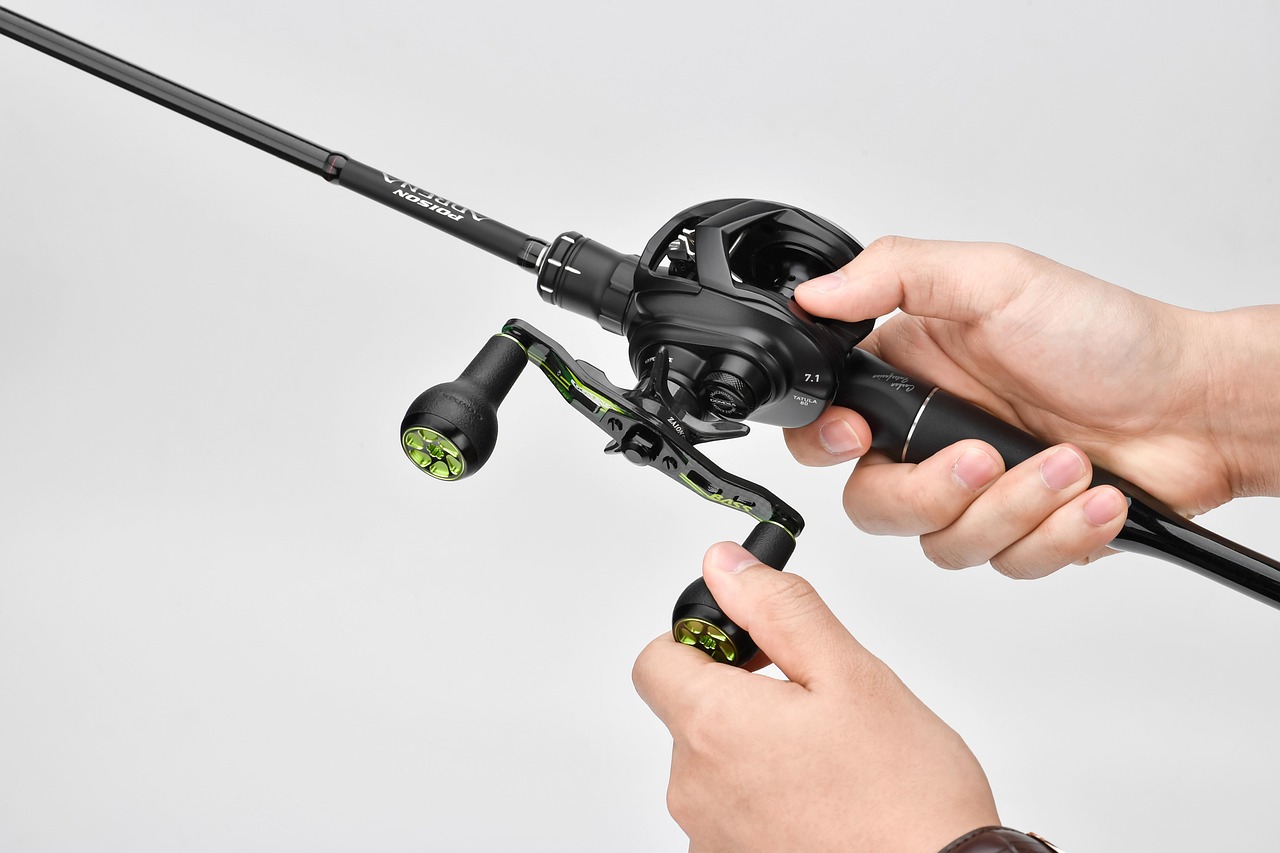
The type of gear that is used while ice fishing for catfish does not need to be fancy. However, the gear does have to exhibit reliability. A medium-light spinning rod that is thirty-six inches in length will provide the angler with the backbone needed to reel in a ten-pound catfish.
Additionally, the rod should be sensitive enough to recognize the light bites of the catfish. Eight-pound test fishing line with a small barrel swivel should be used to avoid the line from twisting. Tip-ups should have sturdy fishing flags so that the flags dont get stuck in the ice after the first few splashes of the catfish.
A skimmer should be present in each ice fishing spot so that the ice can be cleared from the fishing holes every few minutes. A small propane heater will make a world of difference in unpleasant conditions of ice fishing spots. Anglers should pack as light of gear as possible while on the ice spot.
9. Select Reliable Fishing Gear
However, they should ensure that they have all of the gear that is necessary for a successful day of fishing for catfish. An angler should learn to read the ice itself. Clear ice with bubbles within the ice indicates that the ice has good thickness.
However, white and opaque ice can be thin even if it appears to be thick to an observer. Anglers should avoid pressure ridges in the ice spot. Over time, an angler will develop an eye for the color of the ice to determine whether it is safe or if it could be dangerous for the angler.
With experience in reading the ice, anglers will eventually be able to fish in spots that other anglers may avoid. These spots have been determined over time as the spots where the catfish live in the lakes. Ice fishing for catfish requires some adjustments to the basic process of ice fishing.
By making the adjustments described, an angler will find success in their efforts to catch these catfish in frozen lakes. The last adjustment is a mental adjustment. Catfishing in the summer requires alot of action and noise to attract the fish’s attention.
However, winter ice fishing requires a fish finder who can quietly observe the lake, tweak the bait precisely where the catfish are located. You should embrace this new adjustment because by doing so, winters lake will no longer seem like a dead season for you. Winters lake offers a new opportunity for catfishing enthusiasts because winters lake rewards thoughtfulness.
Therefore, the next time the ice thickens on the lake, remember that the catfish are still active beneath the ice. Put the bait where the catfish want it in the places where the catfish want it. Suddenly, youll have discovered a new way to spend your mornings in winter.
From the darkened hole in the ice to the line in your hand, the fish is waiting for you to drop the bait in and start the conversation.