
When a person stands on a salt flat while holding a fly rod in one hand and wearing a stripping basket around the waist, it feels like cheating. The fishes cruise in inches of water that is very clear and their shadows glide over the white sand like submarines. Should you make one wrong move, the fish will vanish into the flats.
However, if you gets the movement of the fly rod just right, you will experience the jolt of a bonefish or a permit inhaling a fly at close range. Surf fly fishing transforms a beach into a hunting ground, and there are specific techniques that a person must use to take advantage of these salt flat fish. Many people who has tried surf fly fishing only once will either fall in love with the sport and swear they never want to get out of the boat, or they will swear off the sport after one or two frustrating fishing mornings.
These outcomes are directly related to the specifics of surf fly fishing. However, if a person learns these specifics correctly, the flats will open up for a person in ways that a spinning rod will never be able to compete.
Essential Tips for Successful Surf Fly Fishing
1. Specific Surf Fishing Rods and Lines
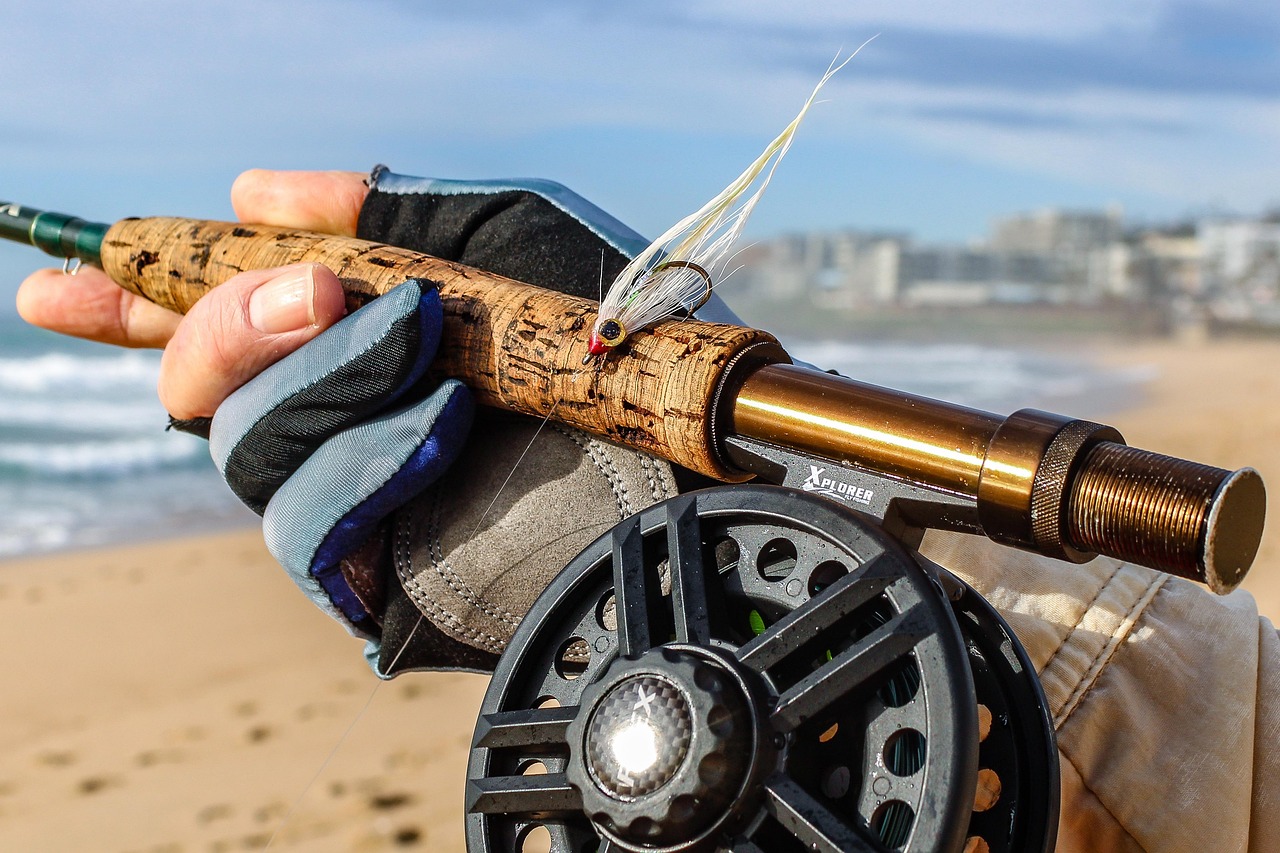
You should never borrow fishing gear from someone else who fishes the freshwater rivers. Eight weight fishing rods are best suited for the sandy Atlantic and Gulf beaches. An eight weight fishing rod has enough backbone to turn a ten-pound fish when the surf waves push the fish into the sand, yet the rod is fine enough to present small crab patterns without scaring the fish.
A nine-weight rod becomes necessary in the presence of significant wind or when cruising tarpon in the area. Fishing lines are even more important. An intermediate sinking or intermediate tip lines will get a person’s fly down to the flats quickly, avoiding the need to strip the line excessively.
Floating lines work for the shallowest of flats. However, once waves break at knees, an intermediate fishing line will allow the fly to stay in the strike zone of the fish. A quality stripping basket is a must for the surf fly fisherman.
2. Stripping Baskets
If you does not use a stripping basket, the fishing line will wrap around your legs, get caught on sand and barnacles, and ruin a persons fishing trip. The best stripping baskets is lightweight and come with tall pins to keep the line from wrapping around the fisherman’s waist when wading in deep water. Some surf fishing anglers use an old milk crate on their belt.
However, moddern mesh stripping baskets will last longer and weigh less after a long morning on the sand. A person should time their trip to the flats to coincide with high tides and light. The fish move onto the flats at high tide to search for food.
3. Timing Your Trip with Tides and Light

The flats will yield the most fish between low tide and the first two hours of high tide. Early morning and the late afternoon provide the best light for spotting the fish without the fish spotting the angler. Sunny days with little wind provide the best fishing conditions since a person can spot the fish from farther inland.
Once the sun peaks over the horizon and the wind drops to a standstill, the fish appear to dissapear. For those who wants to catch a few fish has to approach the flats with stealth. The fish in the flats have a 360-degree view of the flats and have zero patience for a person who splashes and walks too fast.
4. Stealthy Approach and Movement
You should walk slowly from the water’s edge to where the flats begin. You should make sure that your shadow is behind them and avoid any splashing. If a person spots a school of fish, a person should never point at them with the tip of the fly rod; it will startle the fish and scare them away.
Instead, a person should find a point of reference behind the fish to keep track of where the fish are going. A strip in the same tempo as the fleeing bait fish will work best. Jerky movements will alert the fish.
You should allow the fishing fly to remain in the air between strips. Many times the fish will eat on the fly as it rests in the water. A person should use only a few patterns instead of dozens of fly patterns for the surf.
5. Effective Fly Patterns
Clouser-style minnows in colors like tan, olive, and chartreuse will work for bait fish. Crab patterns in tan or orange with realistic eyes and rubber legs will work well for permit and sheepshead fish. Shrimp imitations with a slight amount of weight in the head will sink through the surf at the proper rate.
A person does not need every color but the right size and weight for the water depth. If a fly sinks too fast through six inches of water, it will look unnatural to the fish. A fly that does not sink to the bottom of one foot of the surf will go unnoticed by the fish.
6. Casting Skills and Accuracy
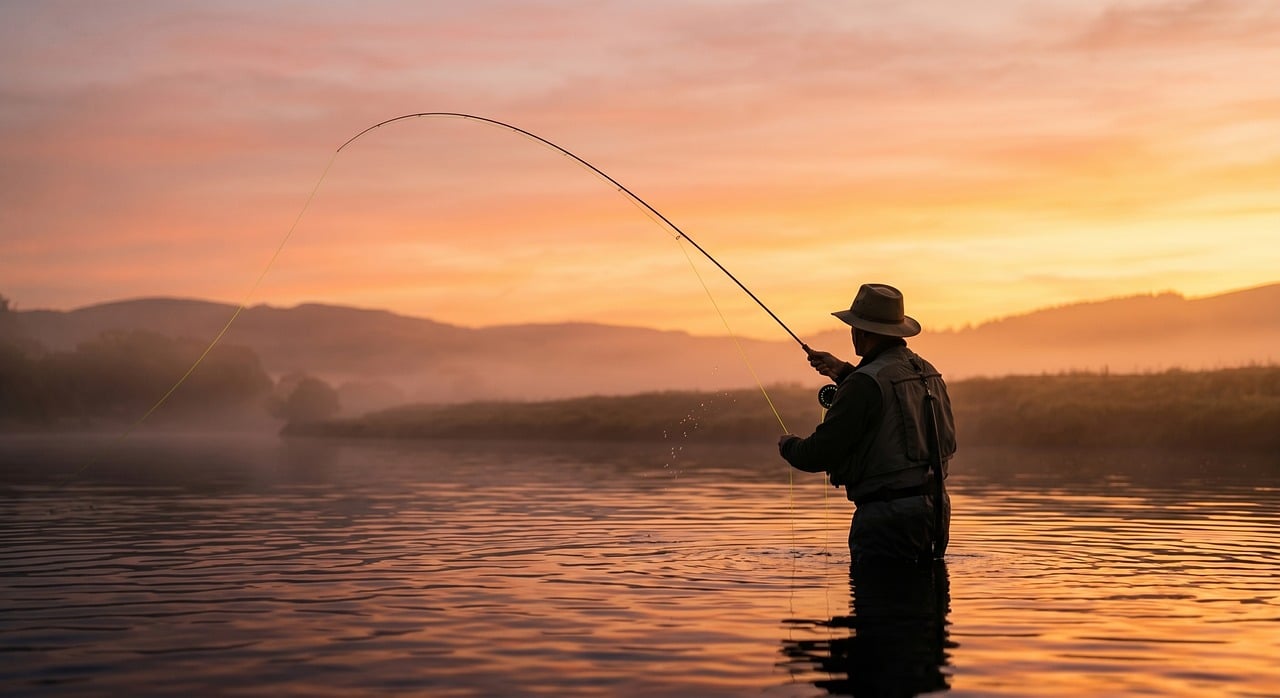
You should practice casting on the grass on the beach before heading out onto the sand. Double haul casting skills are a necessity when the wind reaches twenty knots. A person should learn to shoot the line on both the forward and back cast to learn to false cast and to keep the fly in the air for less time.
Accuracy is more important than distance when fishing the surf. For those who can cast a fly six feet in front of a fish will get more fish than a person who can cast a hundred feet to eighty feet. You should always wear a wading belt and a small inflatable vest or a fishing pack with built-in flotation to stay afloat in case of an accident or a swim in the surf zone.
7. Safety Gear and Wading Boots
A good pair of wading boots with a rubber sole protect a person from stingrays, sea urchins, and sharp sea shells. Some experienced surf fisherman wear a pair of neoprene socks inside their wading boots to protect their skin from the sand on the flats. A person should learn to read the surf after a few trips to the salt flats.
8. Reading the Surf and Spotting Fish
A person should learn to spot changes in water color that will indicate a channel where the fish go. Nervous water and fish chasing each other on the surface are indicators of fish in the flats. A single V-shaped wake moving against the tide could be a school of fish on the hunt.
Birds that cruise the flats point to where the bait fish are. However, a person should not follow the birds to where they fish because the pelicans are chasing the same bait fish that the surf fish eat. However, the fish go after the bait in the shallows while the birds travel to the deeper flats where the bait live.
9. Landing and Releasing Fish
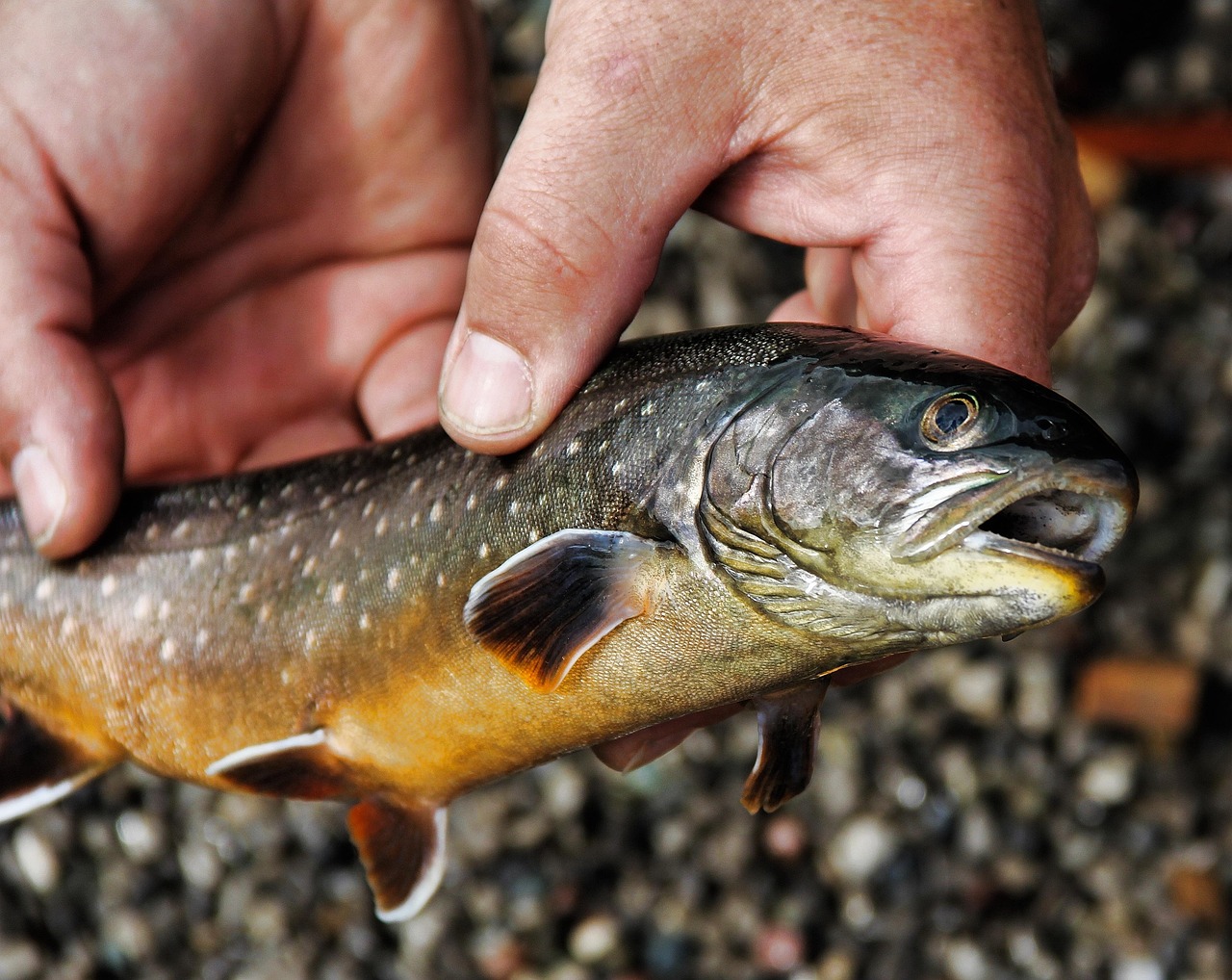
You will have to learn a different method to land fish on the flats. A person must not pull the fish onto the sand as this will injure the fish and the fishing leader. You will have to learn how to use the surf and the incoming waves to the persons advantage to land the fish.
You will have to use the waves to push the fish toward the person while maintaining enough pressure to keep the fish from escaping. A net is a necessity or a person has to learn how to tail the bonefish and permit quickly to release them back into the ocean. A person can take a quick photo of the catch.
Sometimes might need to revive the fish before returning it to the ocean. However, the main point of this sport is to watch the fish swim away strong and healthy so that the fish come back to play tricks on another angler the next tide. The last skill that separates a beginner from a seasoned pro in the world of fly fishing is the mastery of patience and persistence.
Some days the fish do not show up. Other days, there are so many fish in the flats that they are so picky. However, the more you fishes the flats, the better You becomes at finding the balance between the two.
The seasoned professionals notice when the wind changes a few degrees or the temperature of the surf water changes a few degrees. These changes inform the pros whether or not a person will have a good day on the flats. Who has mastered the skills of surf fly fishing will have an understanding of the sport and the reason that others return to these salty fishing spots over and over again.