
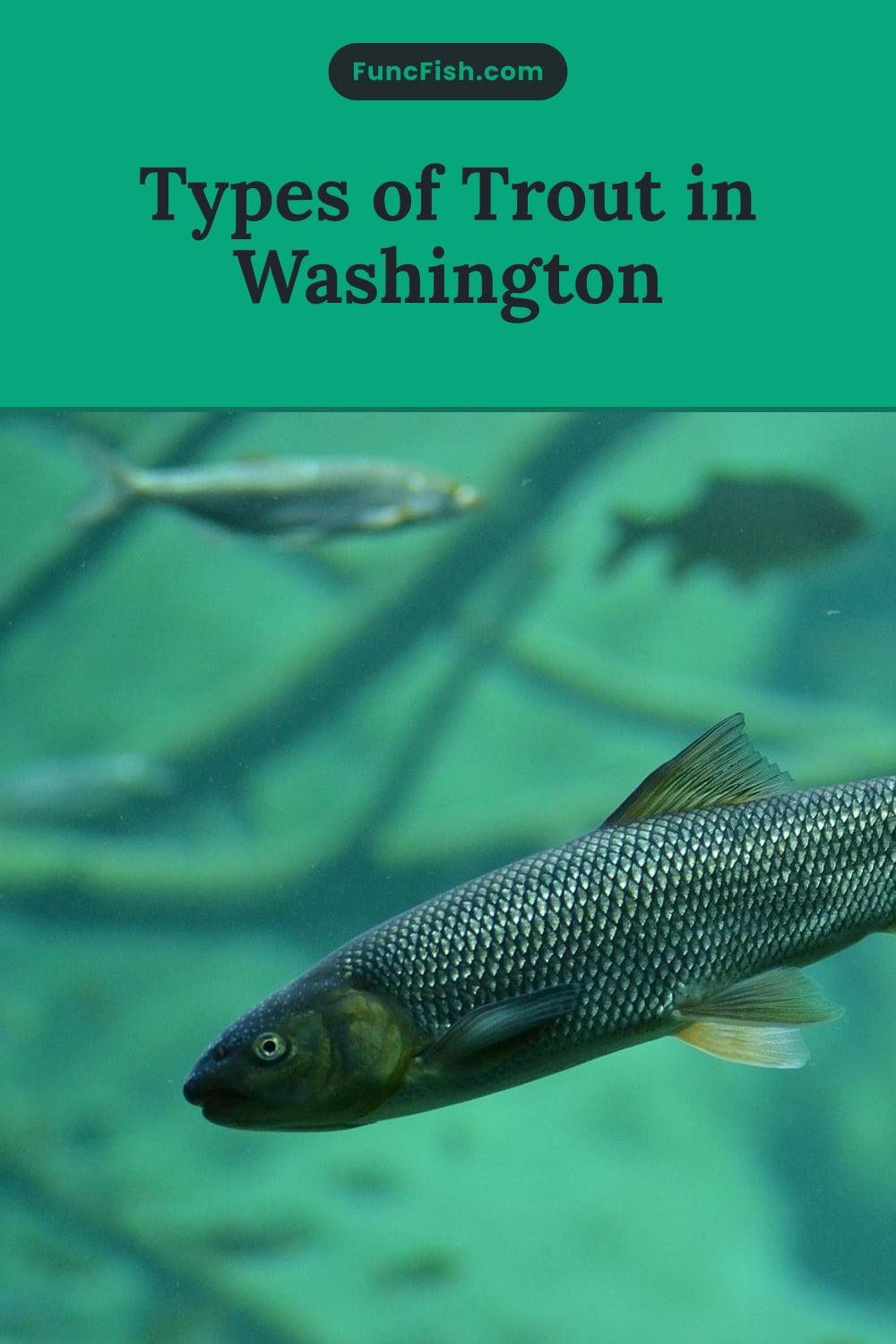
The rivers and lakes in the state of Washington contain some of the best trout fishing that one can experience in the lower forty-eight states of the United States. In the Olympic Peninsula, anglers find the trout when the steelhead run. Additionally, in the high mountains of Washington, the cutthroat trout is often visible when they sip on insects from the water’s surface.
The state contains many rivers and lakes that the angler can explore. However, most of them remain in the realm of generalized thought by the angler who dont explore the various species of trout that live in these ecosystems. However, if an angler learns of the different species of trout and the different subspecies of trout, they will change there approach to fishing for these trout.
Each of these trout species display themselves differently in the water, fight differently when fishermen are catching them, and they live in different areas of Washington. By learning what species of trout are found where, anglers can have more success on each fishing trip. Glaciers and volcanic activity created the different habitats for the trout in the Pacific Northwest.
Each species of trout has adapted to it’s habitat and niche in the area. Some trout species chase baitfish in wide rivers, while other species of trout live in small creeks and sip on insect from the water’s surface. Additionally, a few species of trout travel to the ocean and later return to the rivers as silver trout with great strength to pursue the bait.
If an angler takes the time to learn about these trout species, it would be beneficial to the angler as well as to the conservation of trout fisheries in Washington. These six species of trout can be encounter in Washington. The rainbow trout is the most widespread trout species in Washington.
Six Common Trout Species Found in Washington
1. Rainbow Trout
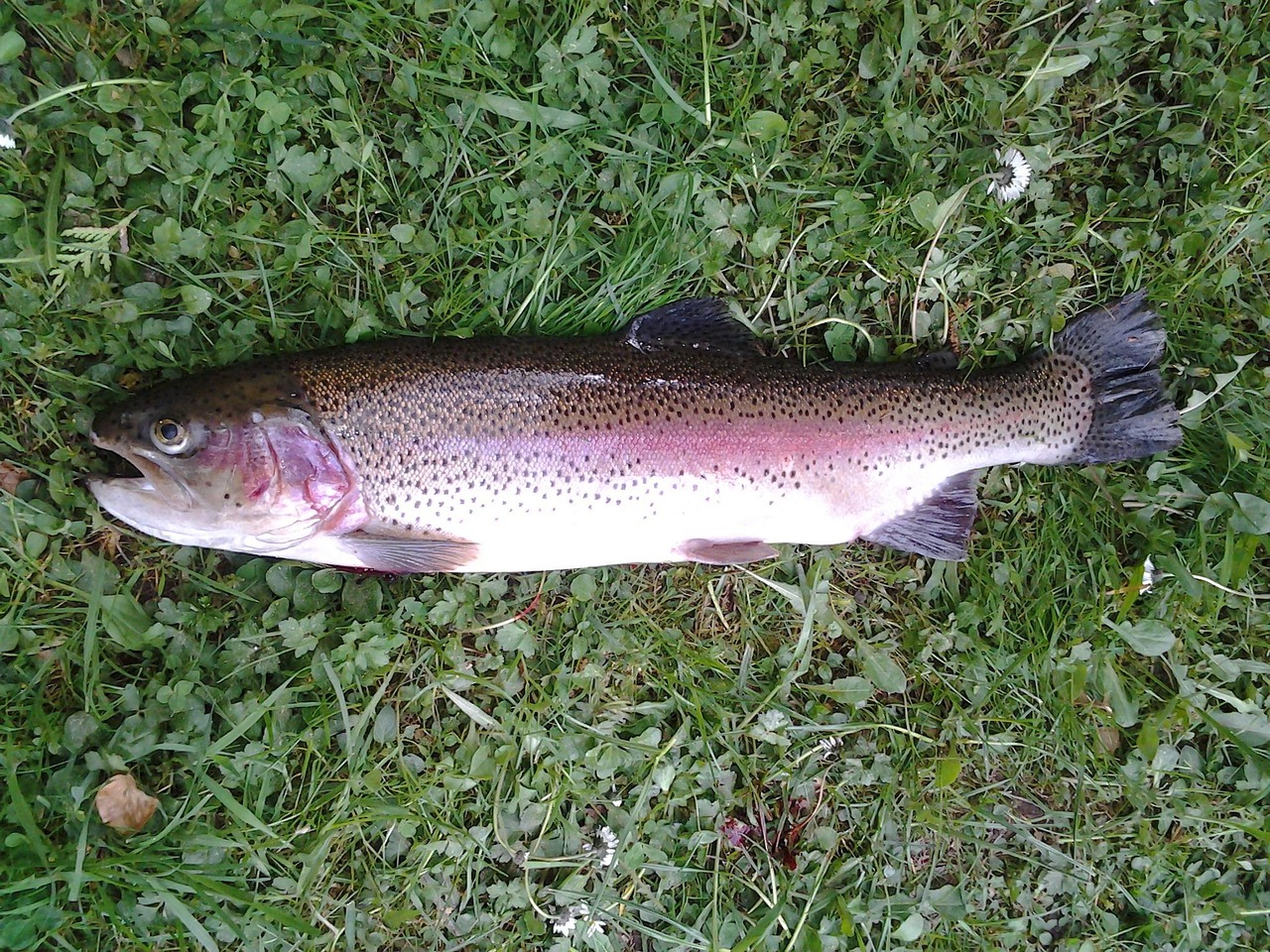
Rainbow trout have iridescent sides and a red stripe on each of their laterals, which make them easy to recognize even if they are half out of the water. There are two main species of rainbow trout found in Washington. The first is the resident rainbow trout.
These fish rarely grow to be larger than twelve inch. The other species of rainbow trout is the steelhead. Steelhead can weigh more than twenty pounds when they have spent time in the sea.
Rainbow trout live in many areas, including beaver ponds and rivers like the Yakima River. However, the steelhead, which are also rainbow trout, leave freshwater in the coastal rivers from November to April. This life history of rainbow trout is the reason that they are often discussed in conversation at campfires.
Even the most novice anglers can catch rainbow trout. Yet, the difficulty in catching them by expert fishermen will last for many decades.
2. Cutthroat Trout
Cutthroat trout have the most visually appealing coloration of all trout species in the Western United States.
The trout have a crimson slash under their jaw, which gives them their name, while the remainder of their bodies have olive, gold, and black spots. There are two types of cutthroat trout in Washington. The coastal cutthroat trout live near the water and target streamers in areas where vegetation is abundant.
Additionally, westslope cutthroat trout live in areas to the east of the Cascade Range, such as the Methow and the Pend Oreille River drainages. These fish prefer colder headwaters and consume mayflies with precision. These fish are less wary of human presence than other species of trout.
Thus, novice anglers would do well to target cutthroat trout species. However, their willingness to eat certain flies puts them at risk of genetically mating with native rainbow trout and endangering the genetic purity of the cutthroat trout populations in drainages across Washington.
3. Brook Trout
Brook trout are not native to Washington.
However, they have made there permanent home in the high country of Washington. People introduced these trout into lakes and tributaries in Washington many decades ago. Today, brook trout return to their spawning grounds in lakes above five thousand feet.
Brook trout have olive-colored backs with worm-like markings and bright red spots on the sides of their bodies edged in blue. Brook trout do not grow too large in Washington. However, a brook trout that reaches ten inches is considered a trophy fish.
Because brook trout are small in size, they are an appealing species for anglers. Additionally, brook trout are an excellent species to introduce children to fishing because they strike at nearly any bait. However, brook trout compete with native cutthroat trout in fragile headwaters.
Thus, people remove brook trout from specific drainages to protect the cutthroat trout.
4. Brown Trout
The brown trout species was introduced into Washington from Europe in the late 1800s. The brown trout species established homes in rivers like the Yakima, the Wenatchee, and the Spokane. The brown trout has buttery colored sides with crimson spots with pale rings around the edge of the spot.
Brown trout grow to be much larger and live longer than rainbow trout. In some rivers, people see brown trout that weigh five pounds and more. Brown trout are almost exclusively nocturnal as they reach maturity.
Thus, most experienced anglers use mouse patterns and streamers after it gets dark. These trout are a thrill for the anglers who manage to catch a large brown trout on a fishing line after sunset. The reason that the brown trout are almost nocturnal is because the fish are also cautious of anglers, and they recognize the tricks that anglers use to catch them with the use of these lures.
5. Lake Trout
Lake trout, also known as mackinaws, live in deep water in Lake Chelan, in Lake Washington (in years past), and several high mountain lakes in Washington. The lake trout are a gray fish species with spotting on their bodies and can weigh more than thirty pound and live to be twenty years old. Additionally, lake trout have a forked tail and deeply forked jaws.
These fish live in areas that is deeper than one hundred feet in the lake. Anglers troll with downriggers for lake trout or jig with heavy spoons around underwater bumps in the lake. Because of the size of lake trout, anglers in Washington all want to experience the thrill of catching one.
However, lake trout take many years to mature and reach their full size. Thus, if an angler catches a large lake trout, it will take many years for the population of lake trout in that specific waterway to recover its numbers. For this reason, catch and release fishing is the go-to fishing regulation for these trout species in the premier fishing lakes.
6. Bull Trout
The bull trout is another species that can be located in Washington. Bull trout, which are technically a type of char, live in the coldest and cleanest rivers in the North Cascades and Olympic Peninsula of Washington. These fish are most active during their migration from their river homes into smaller tributaries from which they spawn.
These adult bull trout can travel distances of more than fifty miles from their home river to its spawning tributary. Mature bull trout can weigh more than ten pounds and eat other small trout, whitefish, and smolts of salmon species. Bull trout species populations declined for many years because of habitat loss and the genetic crossbreeding between bull trout and brook trout.
However, regulations that require the release of bull trout and the construction of fish passages at dams have allowed bull trout populations to recover. Seeing a bull trout move from under a log on the Skagit River is a fish species that many residents of Washington dream of seeing.
Trout fishing in Washington is limited to fish species that require cold and clean water to survive.
Thus, the trout require the attention of the angler to their habitat. Additionally, those anglers who chase them for sport require careful regulations for trout. Finally, trout require a willingness on the part of those anglers to release the fish that other anglers would like to keep in there waters.
Thus, the next time you are standing on the banks of one of the many rivers or lakes in Washington, take a moment to think about the specific trout species in that body of water. If you take a close look at the trout you are targeting, you may be able to identify if it is a cutthroat, a rainbow, a brown, a lake, a brook, or a bull trout. By learning the distinctions between these fish species, anglers will enjoy each fishing trip in Washington for these trout species.
Additionally, these fish species have developed to adapt to their homes in Washington that anglers are only just beginning to understand. Thus, the rivers in Washington will continue to hold some of their secrets from humans. However, the more anglers that understand the specific species of trout that live in these rivers, the more secrets the rivers will share with humans.