

Surf fishing in Texas offers the best of the wild coastline along with crashing wave and the opportunity to catch large fish without leaving dry land. Standing on the beach and watching the fish take the bait while others is stuck in traffic or staring at there screen is the dream for many who take up this sport. Both the Gulf of Mexico and the Atlantic Ocean offer some of the best fishing spot; however, knowing how to read the water and avoiding common mistake that beginners make will ensure that the newcomers to the sport enjoy the sport for longer.
The sport of surf fishing rewards preparation above luck. Making the proper decision about the fishing gear that you will use will result in a day filled with fish and a cooler that dont need to be visited during dinner. These tips will benefit anglers ranging from Galveston to South Padre Island and beyond.
Essential Tips for Successful Texas Surf Fishing
These fishing tips will separate the professional angler from the amateurs who spend most of there day in the surf with only a few fish to show for their effort. One of the best ways to approach the beach is to learn how to read the beach as if it were a map. Observing the color of the water can reveal area where fish live.
1. Read the Beach Like a Map
Green water indicates areas where redfish or black drum lives. However, the cleaner the water, the more likely that you will spot speckled trout. Take ten minutes to walk the beach prior to beginning to cast your line into the water.
2. Observe Water Color and Structure

The areas where the waves break are different than those where the waves flat out. By taking a few minute, you can determine where to stand on the beach to cast your line. Fish follow the bait and the bait follows the structure of the oceans waters.
3. Identify Tide and Current Patterns
Areas where the tide pull the water away from the beach are areas where fish will be spotted. These areas will reveal more fish then if you just blindly cast your line into the ocean. This may seem like a small detail, but the information can make a big difference when fishing.
4. Select Proper Tackle and Gear
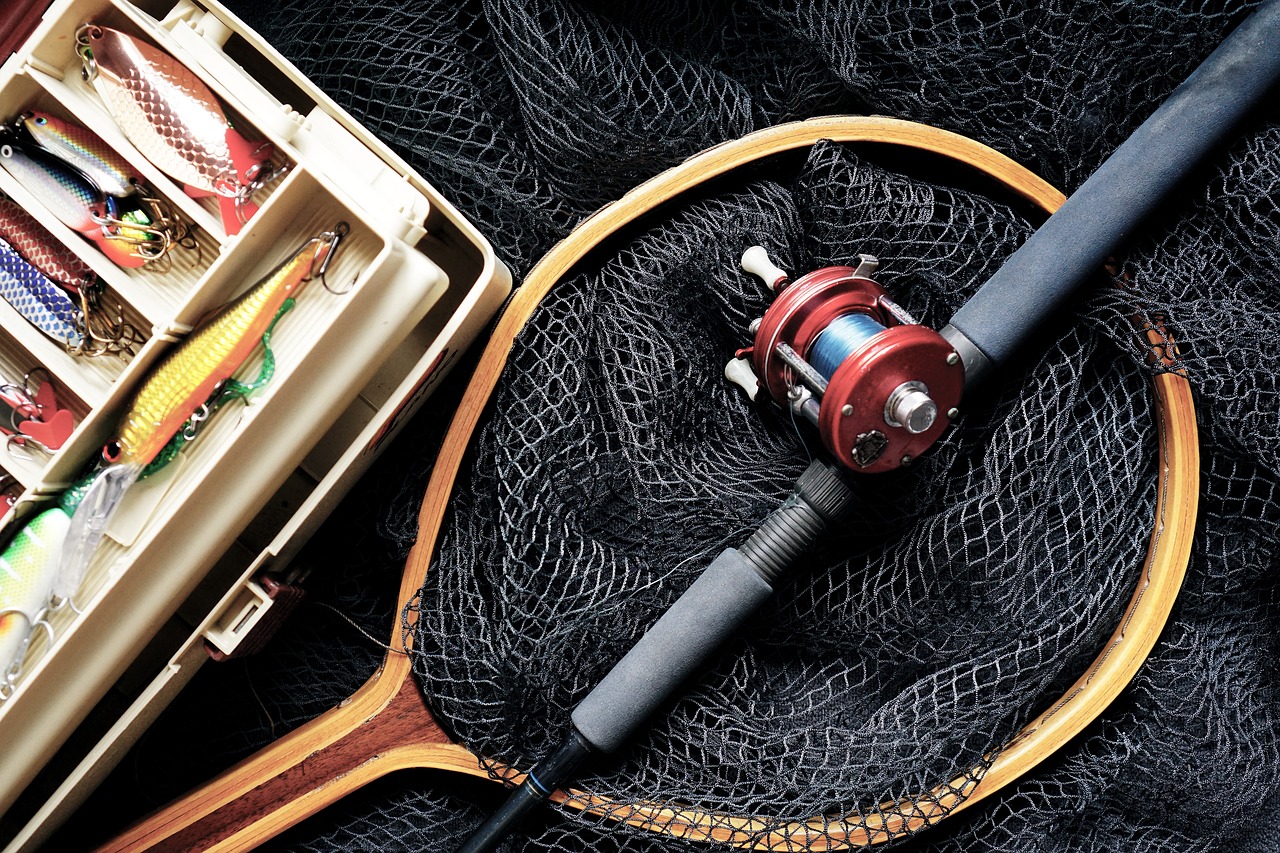
The tackle package needs to be suited according to the surf conditions. A fishing rod between seven and nine feet with medium-heavy fishing power will provide the best experience for anglers in Texas coast. Pair this rod with a spinning fishing reel with 250 yard of 20-pound fishing braid.
5. Use Braided and Fluorocarbon Lines
This kind of fishing line will provide better catching experiences due to the reduced resistance from water compared with monofilament fishing lines. Using braid lines will also allow the angler to feel the bite of the fish. Use 30 to 50-pound fluorocarbon fishing lines to protect the fishing gear from the bites of bluefish and sharks.
The advantage of fluorocarbon is that it is nearly invisible in the ocean. Prepare these lines at home the night before you go fishing. Store these lines in a zip bag to maintain their structure.
6. Time Your Trips with Moon Phases
Nothing will ruin your fishing experience like having to fight your fishing lines that are knotted up in the water. Surf fishing can be best timed to the tide and the moon phases to increase your chances of success. The two hour on either side of the tide will offer the best fishing experiences.
New moons and full moons create strong ocean currents. These strong currents move the ocean floor sediment and stir the waters enough to get the fish to feed. The best time of the day to fish are the early morning and late afternoon when the sun is lower in the sky.
Fish move into shallow water when the sun is lower to avoid the heat of the sun.
7. Monitor Weather and Offshore Winds
Always check the weather report to see the offshore winds. These winds will make it easier to wade into the surf to fish.
Offshore winds will make the surf flat and easier to wade into the water. Onshore winds will make the water as dark as chocolate milk, making it hard to cast your line properly into the water. Using a tide chart application on your phone isnt the most glamorous of pastime; however, knowing how to read a tide chart will ensure that you get some fish for the day instead of just a cardiovascular workout.
8. Utilize Effective Bait Types
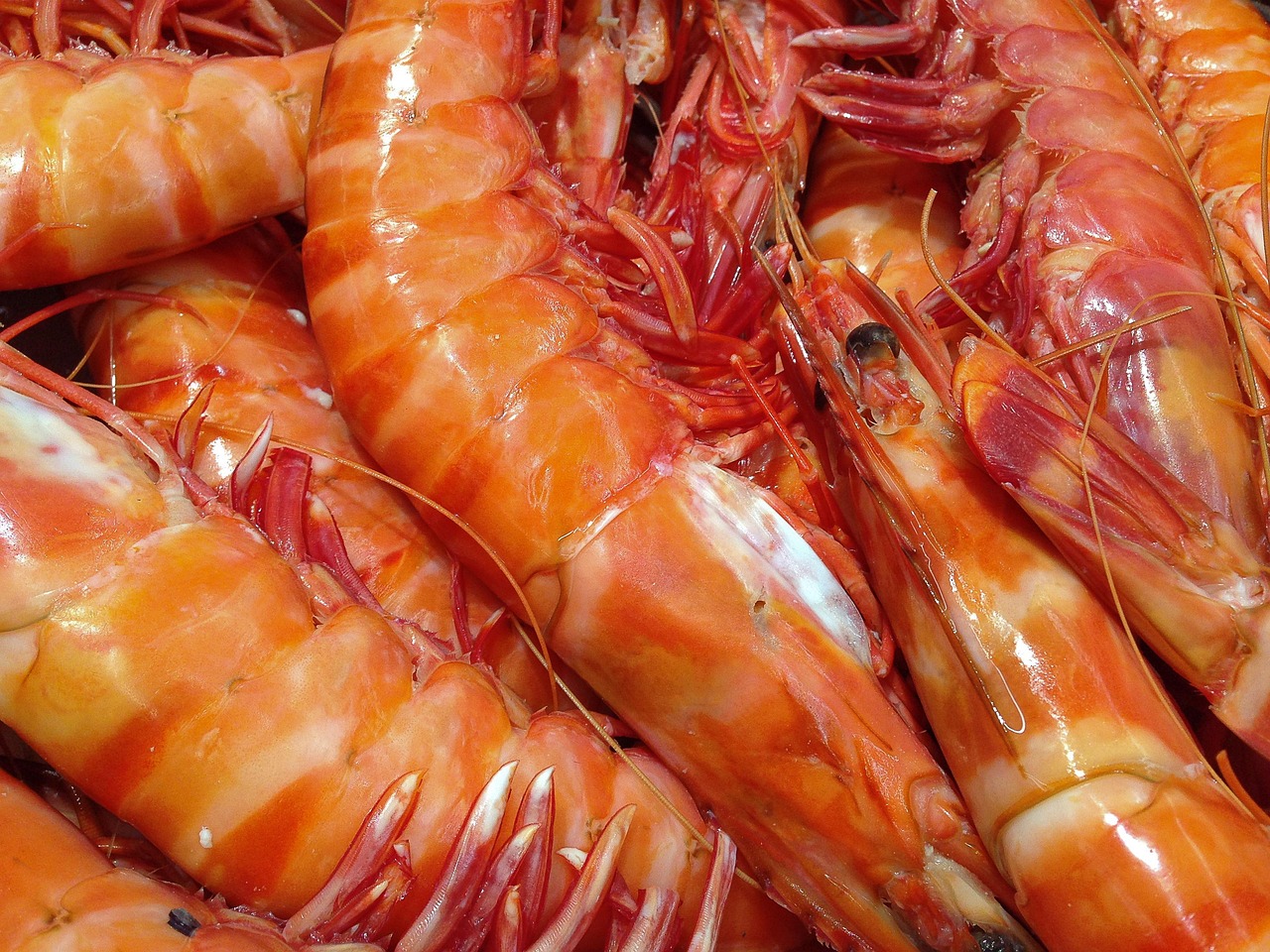
Using the proper bait will result in more fish being caught. Fresh shrimp that you have peeled and threaded onto a circle hook will result in catching a variety of fish. However, many angler will overlook this bait.
Using mullet or menhaden is an effective way of catching redfish and black drum. Artificial baits such as paddle tails and topwater plugs will produce better results when the fish are more aggressive and you want to cover larger area of the ocean. Always bring a cooler filled with ice to keep your bait fresh.
Without proper bait, you will not catch many fish. Most baitfish die when exposed to the sun for long periods. Change your bait every twenty minutes if you are not catching any fish.
9. Master the Long Cast and Sidearm Technique
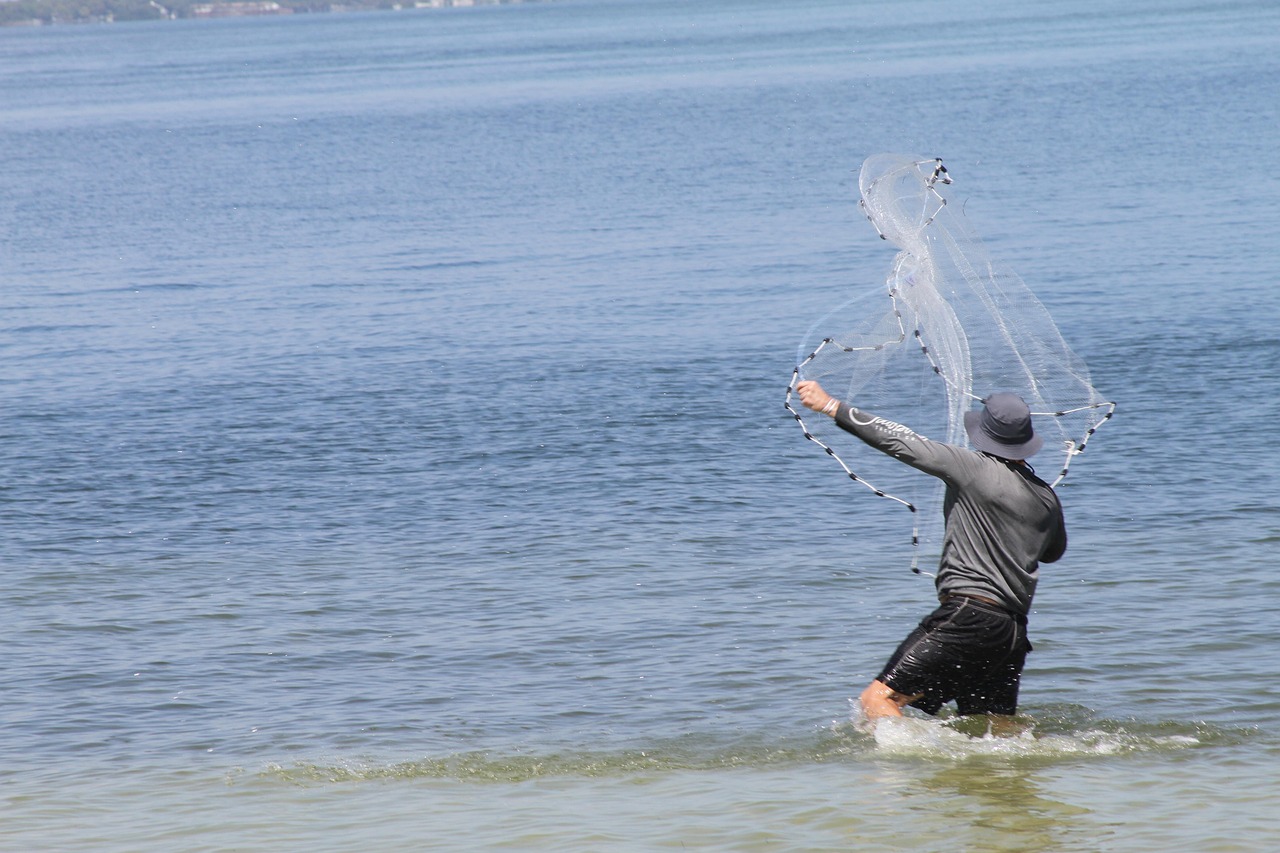
Fish in the surf will be more interested in bait that has just come from the ocean. Master the art of the long cast with your fishing line. However, do not become obsessed with being able to cast your line the greatest distance.
Most fish in the Texas surf live within 30 to 60 yards of the shore. Practice a sidearm cast to keep the bait low to the water and away from the wind. Bait that lands softly on the water will spook fewer fish.
10. Wear Protective Surf Boots
The best fish fishermen is the ones who can properly place their bait into the proper spot. Wade into the water with care. Always shuffle your feet to avoid stepping on a ray that lives in the sand.
A good pair of surf boots will protect from stingrays, jellyfish and sharp shell in the surf zone. Keep one eye on the ocean and the other on your fish. Large set of ocean waves will knock you off your feet and send your gear into the sea.
11. Pack Essential Accessories
Always respect the ocean; if you respect the ocean, the sea will treat you kindly. Bring accessories for your fishing day. A sand spike will come in handy when you are tying your fishing lines.
Polarized sunglasses will allow you to see further into the ocean waters. A small tackle bag that stays high on your back will allow you to have your gear without having to drag your bag in the surf zone. Bring extra water for your fishing trip and a lightweight rain jacket in case of storm that fall in the afternoon.
12. Handle and Release Fish Properly
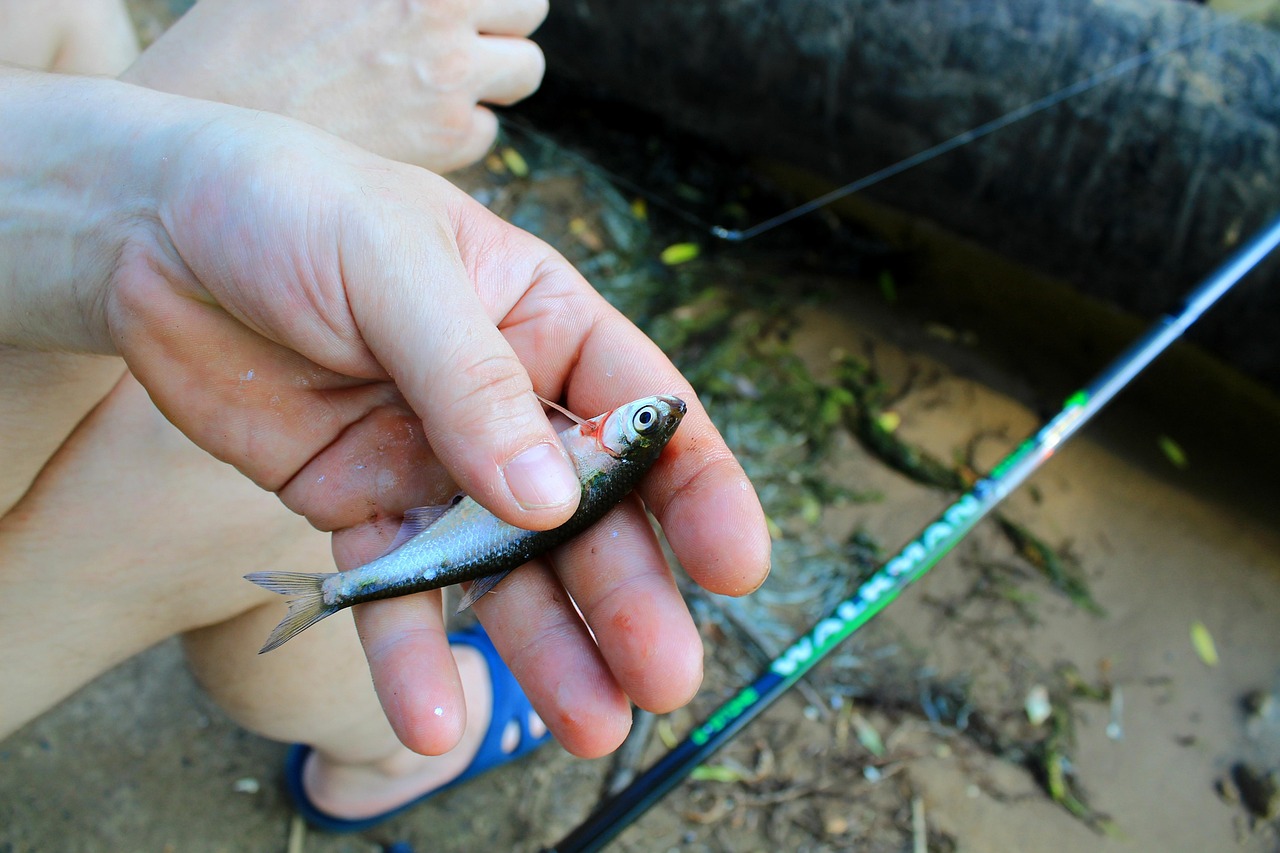
Knowing how to properly handle the fish that you have caught is the last thing that should be taught to new and seasoned angler. Always wet your hands before touching the fish to preserve its slimy protective layer. Use pliers to extract the hook from the fish.
Always release the fish that you do not plan to keep. If you plan to keep fish for dinner, it is important to know the size limit and the bag limits of the redfish, trout and flounder species. Taking a quick photo and releasing the fish will ensure that the same fish are on your hook for dinner the next year.
Pay attention to the fish season to know where to find the fish. The most popular fishing season is the spring and fall seasons. Summer will reveal more speckled trout in the mornings before the sun rises high in the sky.
Winter is a difficult season for the fisherman, but it is the best time of year for redfish and you will spot the largest during a warm day after a cold front passes through the area. Anglers should adjust what bait and what gear they use according to the change in the seasons. The last suggestion is easily the most skipped over.
13. Clean and Maintain Your Gear
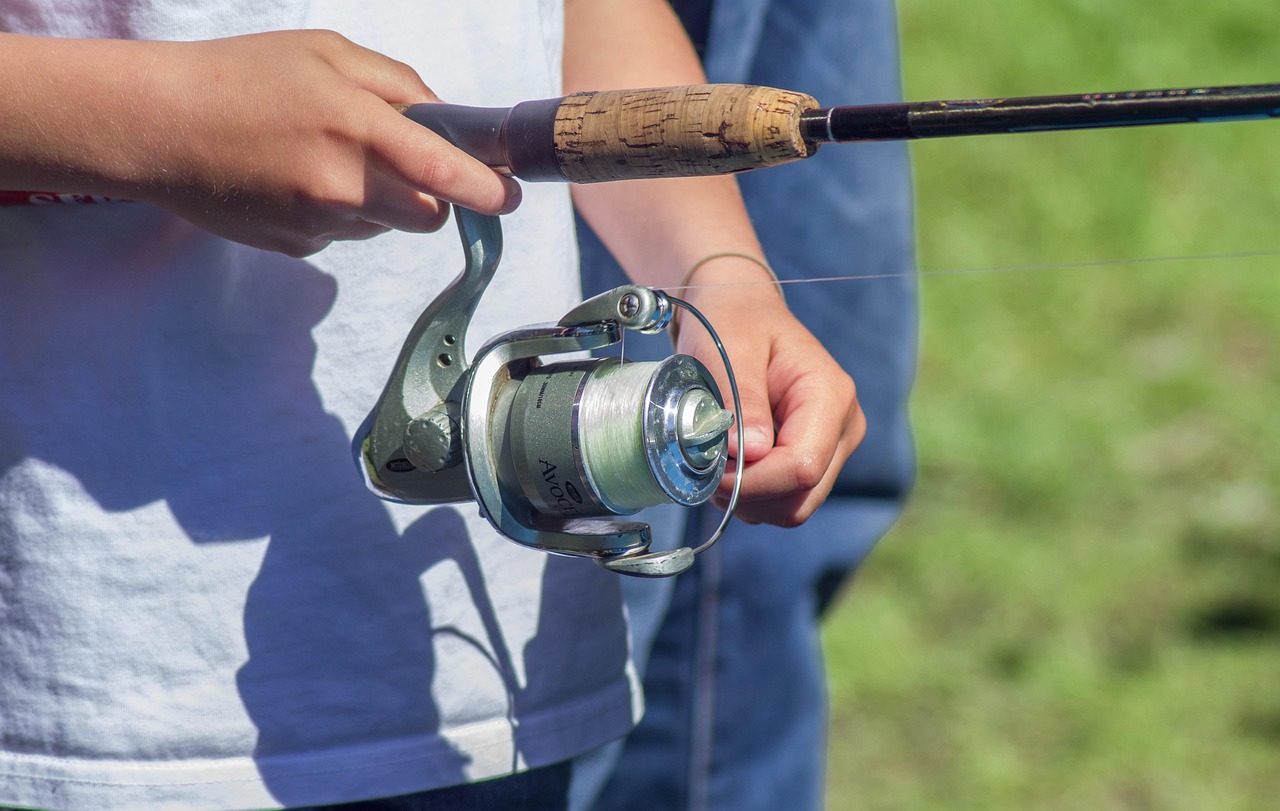
Always rinse your fishing reels with fresh water after fishing. Fish lines get dried out during fishing trips and the fish will dry out your lines. Do the same for your fishing lines and your knot.
Salt in the ocean is unforgiving to fishing gear. Taking five minutes to do a fishing trip cleanup will ensure that your gear is ready for the next time the fish are biting. Surf fishing in Texas is a sport that requires time, patience and a little persistence.
While the ocean does not owe anyone a fish, there are reward for those who take the time to learn the sport and who pay attention to the details. Get your timing right, read the beach, use the proper bait and fish in the right area. By doing so, the surf will provide these fishermen with the best possible experiences.
The next bite of the perfect fish is one cast away.