
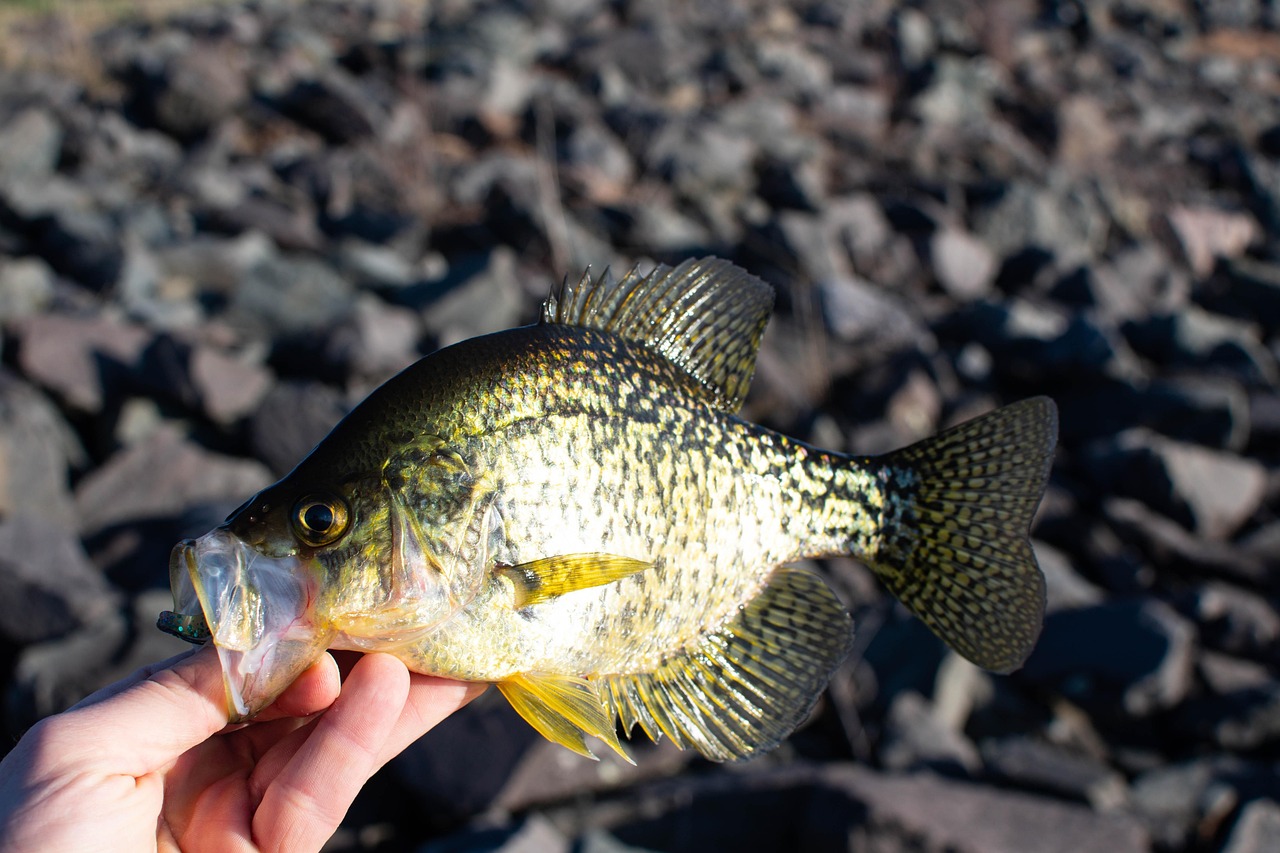
When a person hears the idea of fly fishing for crappie, it sounds like an inside joke among anglers until they try it for themselves. Crappie have mouths that are paper-thin, they have spooky instincts, and they have a habit of suspending in water that looks empty to the naked eye. However, once a person figures out how to present a tiny fly exactly where the crappie want the fly, these black and white fish become some of the most satisfying catches to make on light tackle.
Besides the patience that a person has to offer to enjoy the sport of fly fishing for crappie, a person also has to develop a few adjustments to there approach to the sport. Most freshwater fly fishers never bother to learn these adjustments so crappie fishing can be an easy sport to master.
Essential Tips for Fly Fishing for Crappie
1. Proper Rod Selection
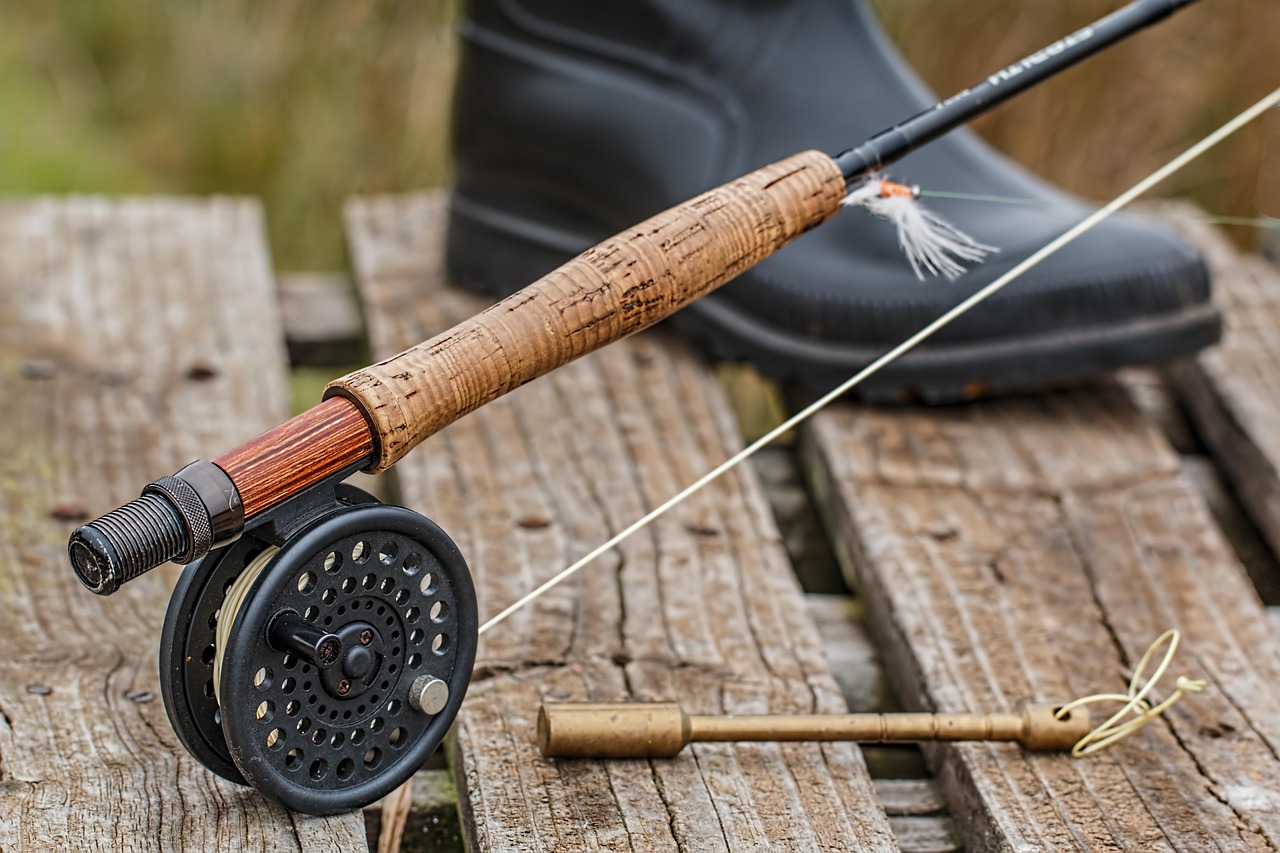
An eight-and-a-half-foot or nine-foot four-weight rod will allow for the delicacy needed to cast crappie flies that are as large as size 10 or size 12 without spooking the fish.
Using a rod that is too heavy for crappie fishing will make it more dificult to present the flies in the way that the crappie want them and will make it more difficult for a person to detect the subtle takes that a crappie will make on the flies. Using a slow-action rod can aid in the casting of weighted flies under overhanging branches without having to wrap the fishing leader around the different twigs in those branches. For line, a weight-forward floating line will work fine in shallow waters.
2. Sinking Line Selection
However, most crappie fishing happens between eight and twenty feet deep in water. A clear intermediate sinking line or a sink-tip fishing line allows crappie flies to descend to the desired depth without adding split shot that will disrupt the fishing lines natural movement through the water. The difference between a floating line and a sinking line is crucial for crappie fishing.
With the proper line selection, a person can count the number of times the fly descends in the water, give the fly one strip of the line, and feel the lines hesitation when a crappie takes the fly. Location is the single most important factor in fly fishing for crappie. Crappie love structure in the water and have a natural preference for vertical cover.
3. Targeting Vertical Cover
Vertical cover can take the form of submerged trees, brush piles, standing timber that has flooded, or even the pilings located under boat docks. Crappie love areas where the water drops from a flat area into a channel. Crappie also have a preference for areas where a creek channel comes close to the shoreline.
Most fly anglors make the mistake of drifting the flies over open waters in the hope that crappie will come to them when they see the flies. Instead, a person should position themselves such that their flies come within six inches of the vertical cover. Crappie will not chase the fly, but they will intercept the fly when it is within striking distance of them.
4. Slow Retrieve Techniques
A crappie will not slam a fly on the water the way that a largemouth bass might do with a plastic bait. A crappie will make a soft inhale of the fly and make a gentle turn with its head before releasing the fly. This behavior indicates why using a slow retrieve is going to be better for crappie than a retrieve that includes continuous movement of the fishing line.
By letting the flies descend to the desired depth and giving the fly two short strips to mimic a struggling minnow, a person allows the crappie to chase the fly as it simulates prey movement. By giving the fly a moment to become accustomed to the presence of the angler by letting the fly hover in the air for a few seconds, crappie may begin to take the fly during that time. Crappie will typically ignore a fly that is descending into the water but will inhale at the rise of the fly.
This behavior of crappie is the reason why most anglers struggle when attempting to land crappie with success on their fishing efforts. For the type of flies to use when fishing for crappie, a person will find that crappie is most attracted to three categories.
5. Small Marabou Jigs
Small marabou jigs in colors of white, chartreuse, and black will work because crappie eat threadfin shad and young bluegill fish.
6. Soft Hackle Flies
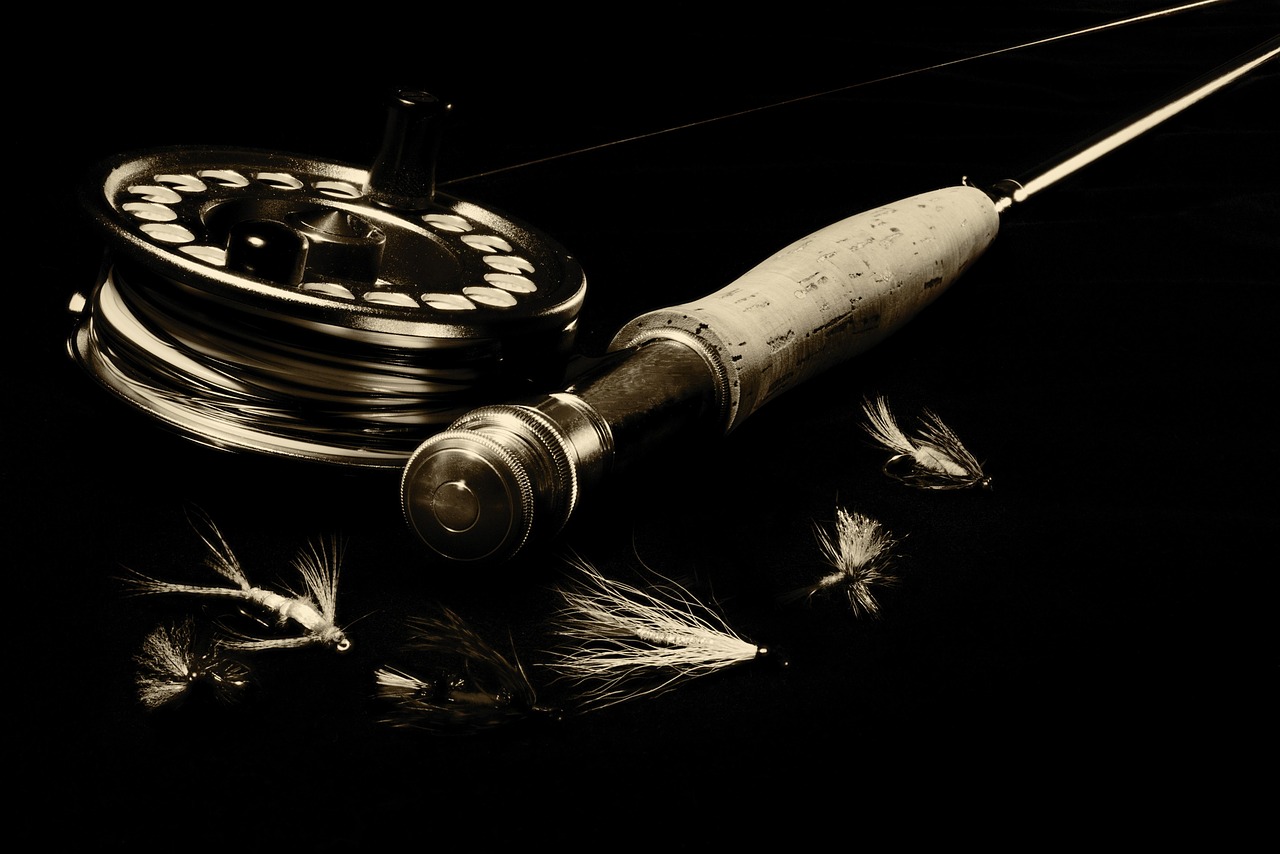
Soft hackle flies in sizes between 10 and 14 can work for crappie when the crappie are interested in aquatic insects. Additionally, soft hackle flies work for those who would like to present a fly that descends slowly.
7. Micro Streamers
Micro streamers, especially those with dumbbell eyes, will get the fly down quickly and mimic crappie prey while also allowing for a subtle movement that crappie enjoy when they are on the move.
A person should avoid flies that are any larger than size 8 because crappie will typically ignore them unless they are in the middle of a feeding frenzy. A person can prepare a few flies in each of these categories to ensure that they can manage any situation that they may encounter while on the water fishing for crappie. Crappie will suspend in water at a specific depth.
8. Determining Depth with Indicators
In some instances, crappie will suspend within a two-foot window between thirty and thirty-one feet of depth. Guessing at the depth at which crappie will be suspended is pointless. A floating fishing indicator will allow a person to determine the depth of the crappie without having to guess.
Additionally, sinking lines of a specific count can also allow a person to determine the depth at which crappie live. By noting which count of the sinking line produces the most strikes from crappie, a person can use that number on every fishing cast that they make. As the sun rises and the crappie begin to move to deeper water for shade, a person can adjust their sinking line by adding a few seconds to the count of how many times the line should sink before the crappie will strike at the flies.
This process may seem mechanical for a person who is used to the more free form approach to fly fishing but is a cheat code that will work for crappie fishing efforts. The best time of the year for crappie will depend on where the crappie live. Most crappie will be active during the early morning and the late evening.
In the spring, crappie will be found in the backs of the coves before they begin to move into shallow waters to spawn. After the spawning season is over, crappie will return to the deeper areas to 15 feet of depth. In the summer and early fall, crappie congregate in deeper waters, especially before and after sunset.
These times and locations can be planned for in the anglers schedule so that they are certain to find the crappie. Anglers who find success with crappie are the anglers who show up at the best time of day and in the areas where the crappie are likely to be. An angler who masters the sport of fly fishing for crappie will find themself reading the subtle signs of the crappie taking the flies.
Crappie have soft mouths and develop light bites at the best of times. By waiting for the rod to load or for the fishing line to begin to dip under the water, a person will miss most of the crappie that are taking the flies. By watching the line where it enters the water, a person can catch any movement that indicates that a crappie is taking the flies.
By lifting the rod tip as if one was fishing for trout, a person will typically pull the hook out of the delicate mouth of the crappie. A short and sharp strip to the fly will place the hook in the corner of the jaw of the crappie where the hook should be. By practicing this strip every time that a person casts their line without expecting any takes from the crappie, a person will find that their muscle memory will pay off when the crappie take the fly twelve feet below the waters surface.
9. Stealth and Approach
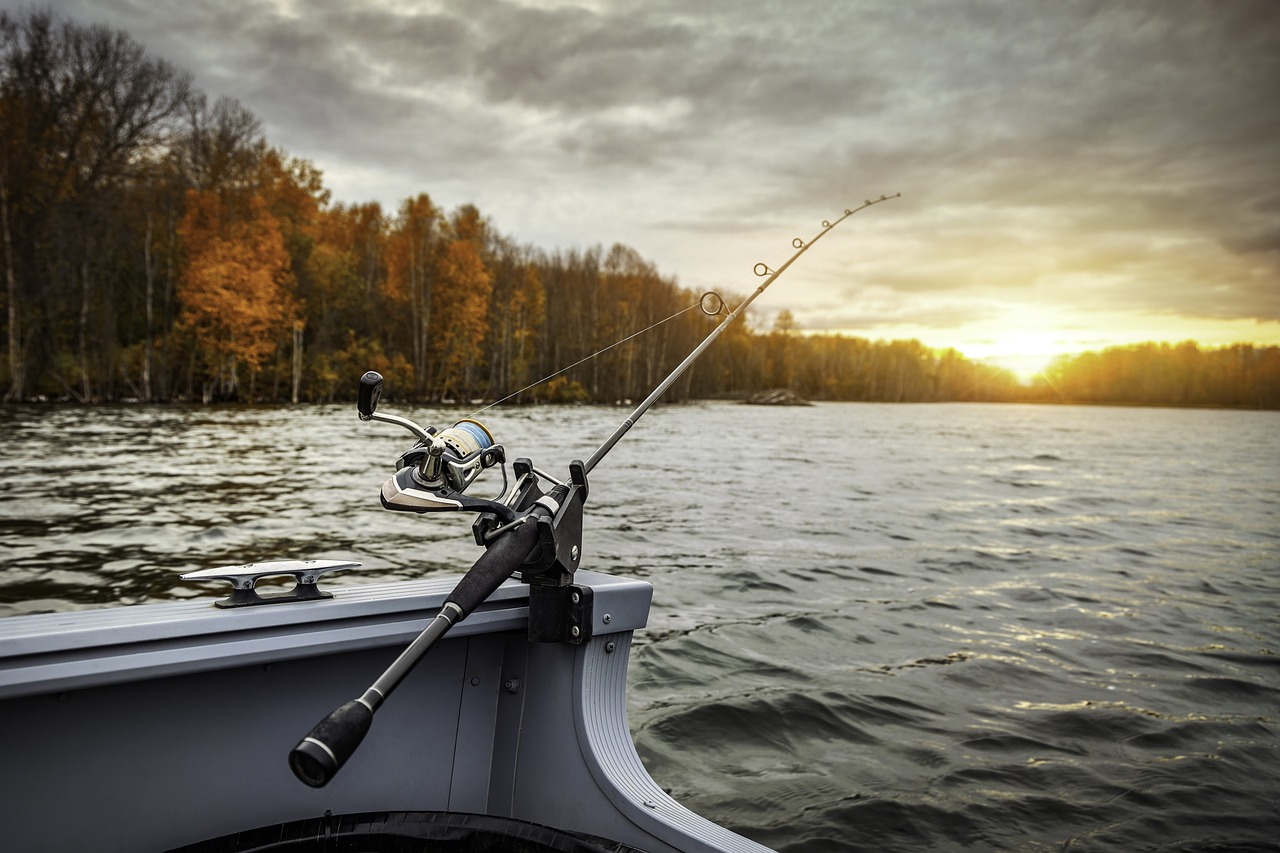
A person should fish with stealth when fly fishing for crappie. Crappie will scatter if a person drops their anchor or if they use the paddle to slap against the hull of the boat. Instead, a person can use a trolling motor to slowly move the boat into position or use a push pole to move into position in shallow water.
Additionally, a person can fish with false casts away from the target area. A person can also wear earth tones to blend with the waters color and avoid standing up against the sky if one is on foot and wading into the water to fish. These efforts to be stealthy when fishing for crappie will allow a person to find schooling of crappie and hook them with little difficulty.
If a person masters all of the adjustments mentioned in this article regarding the sport of fishing for crappie with a fly rod, crappie will no longer feel like a novelty fish to be caught and released from the fishing line. The next time someone tells a person that fly fishing is not for crappie, that person will present the other anglers with a four-weight rod and point them to the nearest area with vertical cover. When the first crappie is caught and flashes in the water like a silver dollar, the look on that other anglers face is worth all of the effort that it took to land that catch.
At this point, the other angler will understand that the crappie are waiting in the shadows of the water for those who know how to fish for them.