
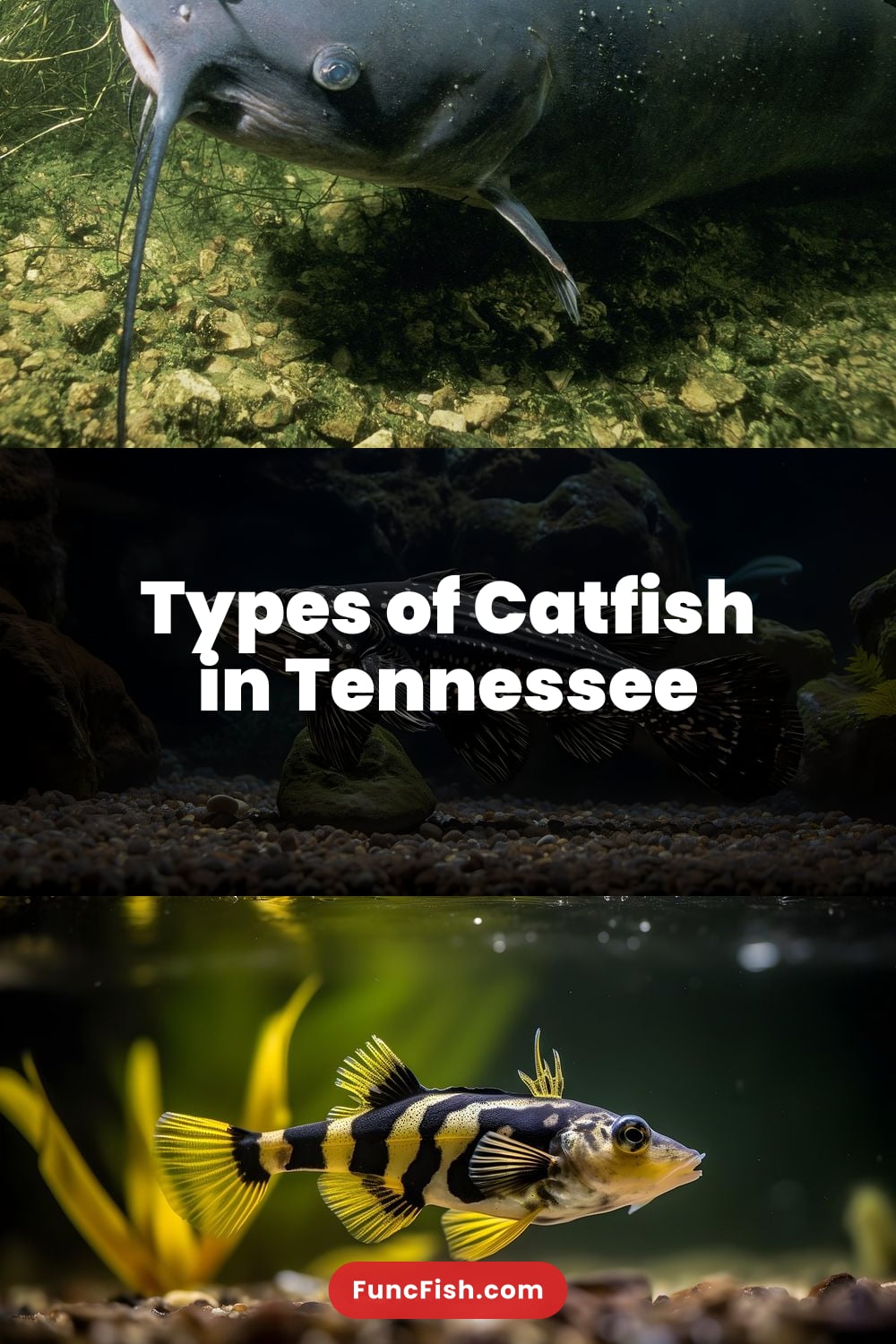
The rivers and lakes in the state of Tennessee contain a large numbers of catfish species. These fish species live in various locations within the state of Tennessee, from the fast current of the Clinch River to the slow waters of the Lake of the Ozarks. Local anglers have caught and admired catfish species for generations due to there large size, their strong fight when they are caught, and there delicious flavor when eaten.
Because there are several different species of catfish that live in Tennessee, it is important for individuals to become aware of the details of each of these species so that they can effectively target these fish and appreciate their unique feature. The state of Tennessee is one of the locations in the United States that contain several different types of catfish species. Each type of catfish has its own set of habits, preferences for the type of water in which they live, and the way that the species fights when they are being caught on a fishing line.
Whether an individual fishes in their weekend outing or enters several fishing tournaments each year, knowing the details of each of these catfish species will lead to improved fishing odds for an individual. The information regarding each of the main types of catfish species that live in Tennessee will provide an advantage to individuals who go fishing for these fish species. Catfish species that live in Tennessee include the channel catfish, blue catfish, flathead catfish, bullheads, and white catfish.
Common Types of Tennessee Catfish Species
1. Channel Catfish
The channel catfish species is the most widespread in Tennessee. The channel catfish species includes fish that have a slender body build and a deeply forked tail. Additionally, channel catfish have relatively small barbels located near their heads.
The color of channel catfish is often a pale olive or bluish gray, with small dark spots on younger specimens on either side of their bodies. Channel catfish can be located in many areas of Tennessee, such as farm ponds and the main channel of the Tennessee River. Channel catfish can live in waters of various water quality and temperatures.
Additionally, channel catfish species will bite on almost any type of bait that is placed into the water. Some of the most popular types of bait for channel catfish include cut bait, chicken liver, and commercial stink baits. These are some of the most popular types of bait for channel catfish due to the willingness that channel catfish have to eat these products.
Channel catfish can weigh anywhere from two to eight pound, but the state record for a channel catfish is more than forty pounds. Channel catfish are some of the most abundant catfish species in the state, but they become finicky when the water temperatures reaches the high eighties. In these situations, the best fishing opportunities for channel catfish exist during the evenings in the summer months.
2. Blue Catfish
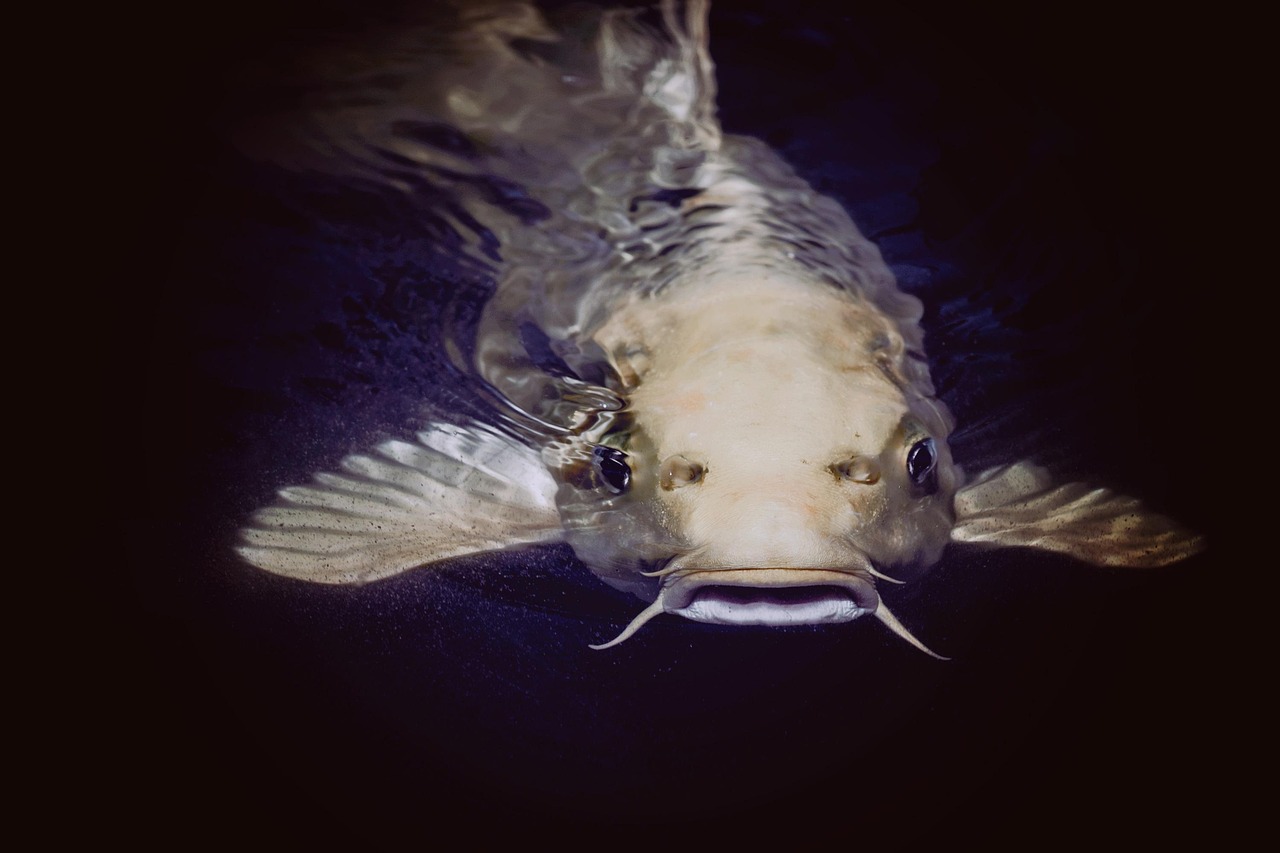
The next fish species to discuss that live in Tennessee includes the blue catfish. These catfish species are among the largest to live within the state. The bodies of blue catfish species are heavier and have a less tapered look than channel catfish.
Additionally, blue catfish have a straight or slightly rounded anal fin and a flat head. The color of the body of a blue catfish is slate blue or dark gray. These species prefer to live in large volumes of water with a significant current, such as the Tennessee, Cumberland, and Mississippi rivers.
Mature blue catfish can weigh more than one hundred pound, though individuals will catch fish in the weight range of thirty to sixty pounds during each of the fishing seasons in the state. Due to the powerful muscular bodies of blue catfish, fishing for these catfish require specific equipment. The fishing rods for blue catfish should be stout to withstand the strong pulls of the species, the bait should be heavy sinkers to reach the fish, and the bait should be fresh cut shad or skipjack.
When hooked and reeled in, blue catfish will provide individual anglers with the sensation of feeling the slow head shakes of a fish with such strength. However, finding these fish requires a fisherman to spend time scouting the areas in which the fish live. Additionally, the best ways of locating blue catfish is during the night hours or fishing near deep overhangs in the rivers where blue catfish live.
3. Flathead Catfish
Anglers must be willing to wait for the proper opportunity to find the blue catfish. Flathead catfish have a somewhat different attitude to life than the other catfish species within the Tennessee waters. Flathead catfish have broad and flattened heads and large mouths.
Additionally, their tails are only slightly forked. The color of the flathead catfish is mottled brown or yellowish tones with dark blotches on their bodies. Flathead catfish are almost always predators and will eat live fish species.
Due to the selective nature of flathead catfish, they can be more difficult for individual anglers to catch. These catfish are typically located near heavy structure in their habitat, such as logs, bridge pilings, or deep rock overhangs. Additionally, flathead catfish are active after it becomes dark in the area during the day.
Their ideal water temperatures range between the seventies. When these fish are hooked, the fight between the fisherman and the flathead catfish will be that of catching a stubborn bulldozer species with the fishing rod. Additionally, people consider flathead catfish to be the best type of catfish species to eat due to the firm texture and white color of the fish fillets.
These fillets also have a mild and sweet flavor when they are caught from water that is clean. However, live bait ranging between eight and ten inches in length, such as a bream or shad, must be used to catch these species.
4. Bullheads
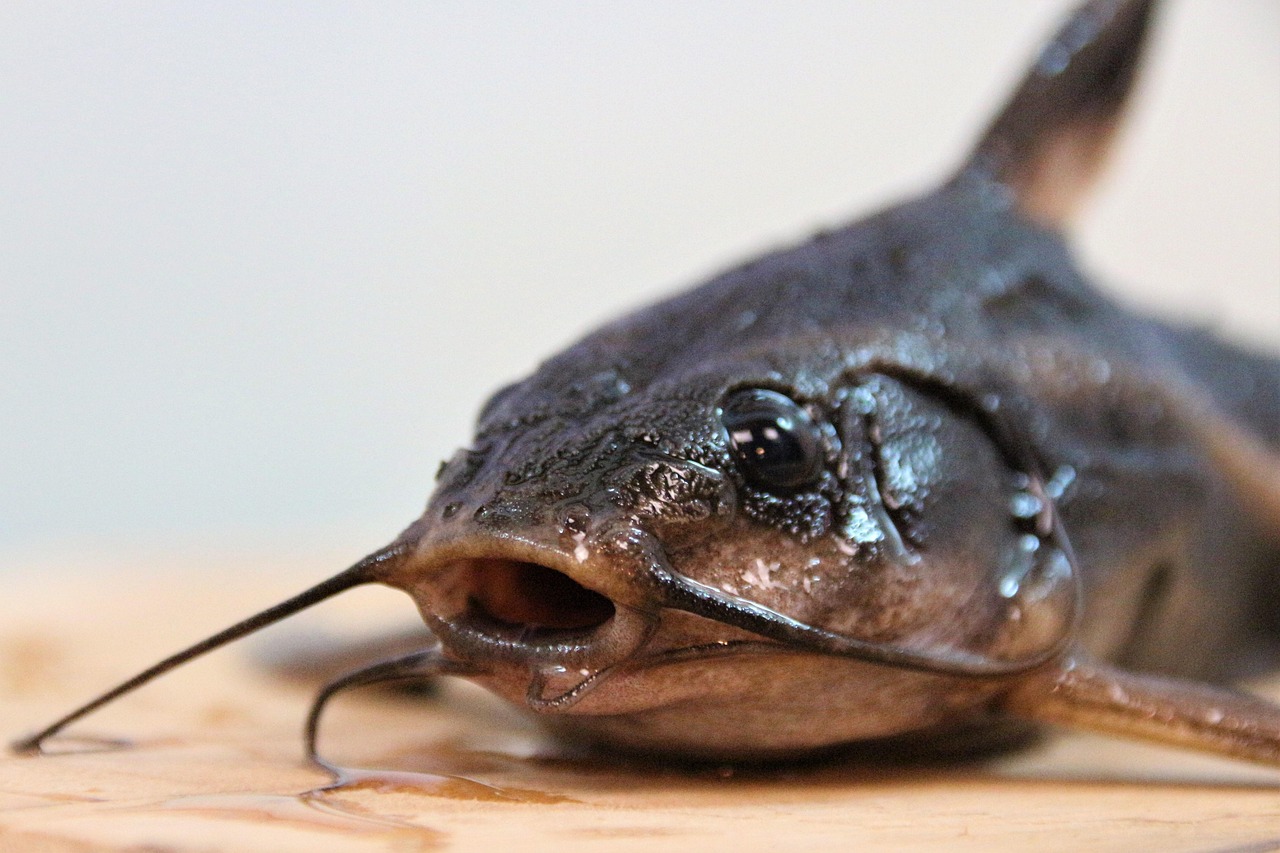
Bullheads are the smallest type of catfish species that live in Tennessee.
There are three types of bullheads that live in the state’s waters: black bullheads, brown bullheads, and yellow bullheads. These fish species live in areas with slow-moving water within the state of Tennessee, such as streams, oxbows, and ponds. Bullheads have a chunky body build with squared tails and do not contain the spots in their skin that the other types of catfish have.
Bullheads stay under two pounds in most instances but can grow to four pounds when very large. Additionally, bullheads are among the fish species in the state that beginners can catch with minimal fishing equipment. A simple cane fishing pole, nightcrawler bait, and a small hook can be used to catch bullheads.
Additionally, bullheads play an important ecological role in their habitat, feeding on insects, crayfish, and other decaying matter in the water that larger catfish species do not eat. Bullheads have a greater tolerance to pollution than other types of catfish species in Tennessee. Therefore, bullheads can often be found in urban areas where other types of catfish species have been eliminated from the environment.
While bullheads do not produce the same types of strong fights with anglers as other catfish species, bullheads do offer anglers fast action fishing experiences and an abundance of fillets for feeding the local community’s fish fry events.
5. White Catfish
The one other type of catfish species that live in the state of Tennessee are the white catfish species. These fish are typically only located in the western portion of the state.
Additionally, these species are often located near the Mississippi River. White catfish have a body that is a version of the channel catfish but with a stockier body build. Additionally, their anal fins are rounded and their color is pale white or silver.
Additionally, white catfish species prefer warm and slow-moving waters. Additionally, their habitat is similar to bullheads and small channel catfish species. In terms of size, white catfish rarely reach weights of more than ten pound.
However, they are among the most fun to catch due to there aggressive feeding habits. The type of fishing and the location of the catfish species in the state of Tennessee provide a means of connecting the state to other states and water systems. The movement of catfish species throughout the state indicates the connection of some of the rivers in Tennessee to other rivers beyond the borders of the state.
Additionally, the shifting locations of these species provides a means of change in the types of species that live in a specific location over time. The variety of catfish species to catch in Tennessee provides anglers of all experience levels with a constant possibility of catching something new. Regardless of which type of catfish species that is targeted by an angler, the success that is experienced in their fishing efforts will be the result of the understanding that the angler has of the preferences of the catfish species for its environment.
For instance, channel catfish may prefer to inhabit areas that are two feet deep and contain riprap along the banks of the rivers, but blue catfish can be found hiding sixty feet deep within the main channel of rivers like the Tennessee. Each type of catfish has specific preferences in its habitat and fishing efforts must be adjusted for each type of species. Therefore, understanding each species will allow individuals to separate those that catch fish occasionally from those who have success in their fishing efforts.
The next time that an individual of any age decides to go fishing along the banks of Tennessee or within a boat launch in the state, they should consider the types of catfish that may be encountered within these locations. Each type of catfish species has its own personality, each type requires its own bait to encourage its capture, and each type provides its own type of reward to anglers at the end of their fishing days. The variety of catfish that live in the state of Tennessee is one of the secrets of the freshwater fishing world.
To become an effective angler for any type of catfish species, an understanding of each of these different species is required. Few things in the world provide anglers with a feeling of accomplishment like sliding a net under a heavy and flapping catfish that has been successfully caught on a fishing line.