
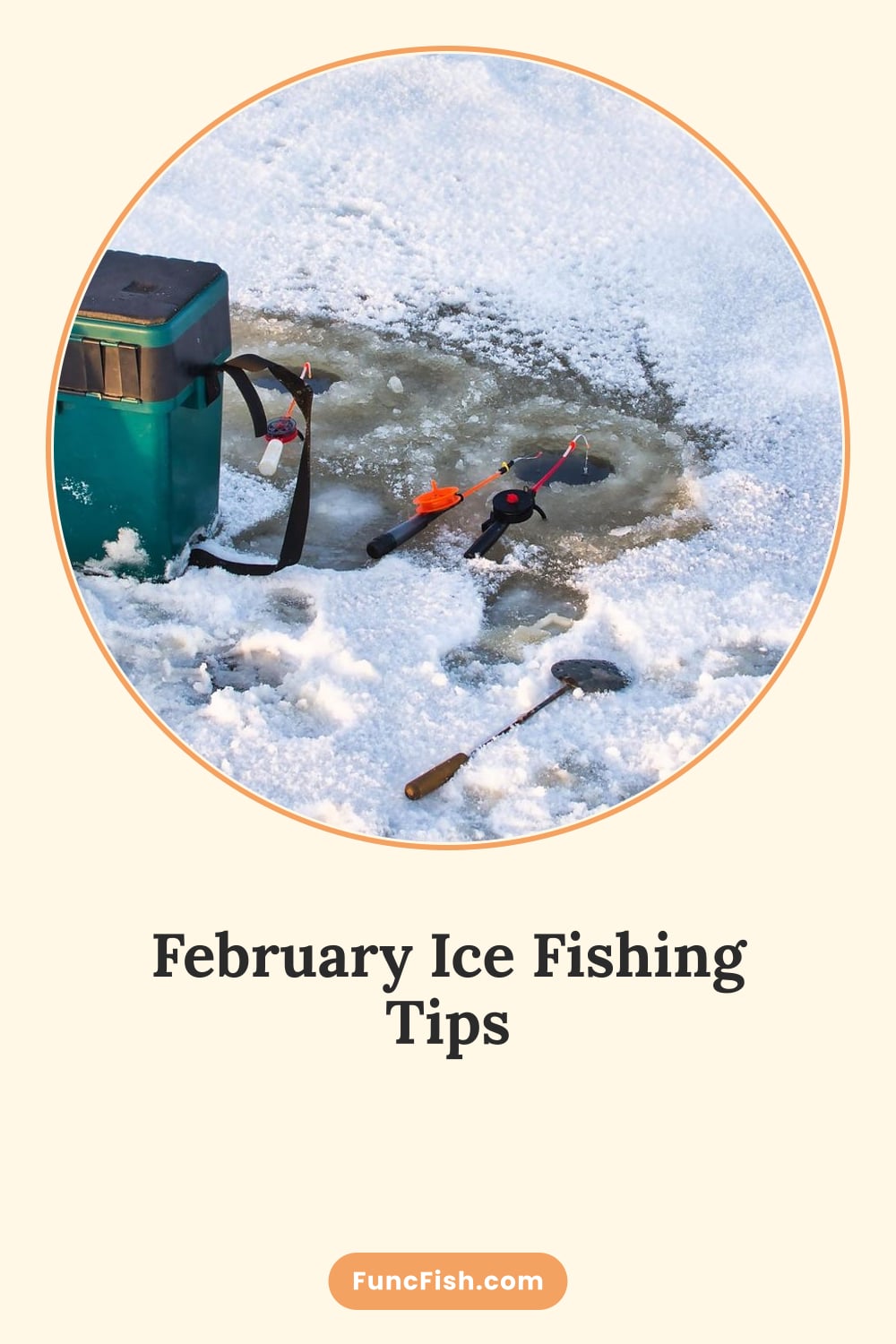
February mornings on the ice can make a person question there life choices. The wind will be strong enough to strip a person of every layer of clothing that they wear, and the extremities of a person will have long turned to the color white before a person can even drill the first hole into the ice. However, there is something distinctly addictive about dropping a fishing lines into the water that most people on the lakes never get to see.
If a person uses the proper approach to the lake for February, then it is possible to turn a miserable day into one that people will talk about all summer. Ice fishing in February presents a few challenges for the angler. The ice is at the thickest of the year in February, and the fish has seen nearly every lure that a person can possess in their fishing tackle box.
The days are short, the temperatures wildly change, and the fish tend to school in deeper water or around the structures that protect them from the coldest water currents. Thus, getting the fish to bite in February presents a few different challenges than more typical fishing days. To get the fish to bite in February requires some care and the use of a few different tactics.
The following tactics have been proven to work for ice fishing after the January fishing season. Each of these tactics have earned their place through years of trial and error on the northern lakes when the calendar reads February. Drilling the appropriate number of holes in the right spots is the first thing that a person should do when ice fishing.
Best Tactics for Successful February Ice Fishing
1. Drilling Holes in the Right Spots
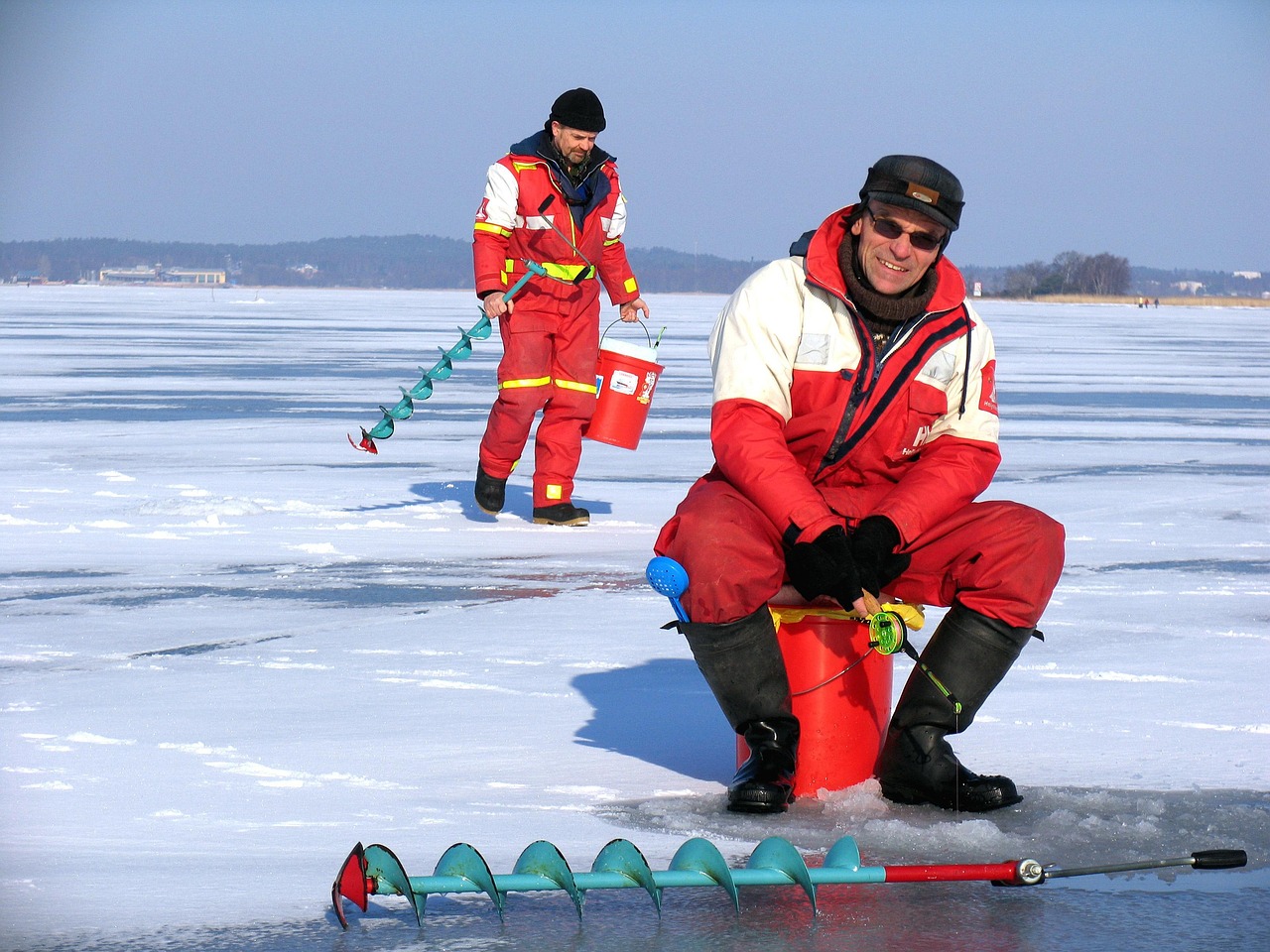
In the middle of winter, the fish tend to stay in the same spots: the edge of areas that drop from eight to fifteen feet in depth, the tips of underwater points, and the banks of river. Using a sonar device will allow a person to map the area they will fish for the day. Once the person finds the spots where the fish are gathered, they should drill holes within twenty feet of the edge of the drop-off in the ice.
These fish rarely stray from their homes when the water is this coldly. Thus, if individuals drill in the right spots, they will waste less time and effort on the dead spots in the lake.
2. Dressing Properly for the Cold
A person must dress properly when ice fishing in February.
A moisture-wicking base layer is the start, a thick fleece layer the middle, and a windproof insulated suit will provide coverage for the strongest wind gust. Additionally, boots with removable liners will allow a person to change to a dry layer for lunch. Finally, wearing a face mask and lined neoprene fishing gloves will protect the persons face and hands so that they can fish without having to fish with their thawing out in their pockets.
By dressing appropriately for the season, individuals will be able to stay on the ice for longer periods of time and fish for the walleye after the initial bite of the morning season.
3. Mastering the Dead Stick Rod
Mastering the use of a dead stick rod will aid a person in their fishing season. Using a second rod that features a lively minnow on the line and almost no weight on the line will allow the person to fish with the tip of the line two feet from the lake floor and the rod will barely load with any fish.
This type of fishing line will allow the person to reel in a fish when they pick it up on the bait. Many people do not use a dead stick rod, but implementing this strategy will allow a person to catch fish throughout the day when the sun begins to peak over the horizon.
4. Using Electronics and Sonar
Using the various electronics will allow a person to extend their eyes while on the ice.
Using a flashers will show the person how the fish are responding to the bait that they use. Using a pair of underwater cameras will allow a person to see what is happening in the water once the snow melts to the appropriate depth. These technologies allow a person to avoid guessing where the fish are and to catch them.
5. Choosing the Right Bait Color and Size
The color and size of the bait that is used is crucial when the fish begin to become picky. Small baits that is under a quarter ounce work best in the winter months when the water is the coldest. Glow colors like orange or chartreuse will work best when the fish are hunting for natural bait.
However, if it is a bright and sunny day in February, these bright colors will scare the fish. Thus, people need to have both bright and natural bait and switch the bait every twenty minutes until the person can see what the fish want to eat. The pattern of fish preference can change daily, and some fish can change with the hour.
Thus, having bait variety will allow for a more succesful ice fishing trip.
6. Understanding Ice Safety

Understanding the ice is critical to both surviving on the ice and finding fish. Blue ice is the clearest type of ice and is the strongest.
However, white snow ice can be half the strength of blue ice. If a person hears a hollow booming sound when on the ice, it is a sign of another layer of ice beneath their feet. Additionally, areas near the rivers will have weaker ice, even in deep winter.
However, understanding the ice allows a person to understand where the fish are, as well.
7. Fine Tuning Jigger Cadence
Fine tuning the cadence of the persons jiggers will ensure that the fish follow the person. Using aggressive jiggers at the start of the day will get the most success, but as the day wears on, change to subtle jiggers of no more than an inch in movement.
Additionally, use ten second pauses between movements. The rhythm of the jiggers will match the thirty-four degree water that the fish are in. Additionally, if the fish follow the bait but do not bite, drop the cadence of the jiggers so that they will get more success.
8. Bringing Proper Snacks and Warm Drinks
Finally, make sure to bring the proper snacks with a warm drink. A thermos of beef broth is the best drink and tastes the best at ten degrees below zero. Additionally, having high-calorie snack will allow a person to stay alert throughout the day.
Many ice anglers bring a small propane stove to fry up the fish that they just caught for lunch. Eating lunch in the middle of the ice will give a person more energy to continue to fish for the rest of the day.
9. Knowing When to Pack Up
Finally, know when to pack up the gear.
In February, the weather can be brutal and the fish will go completely quiet for several days during this time of year. The best time to leave the ice is when the barometric pressure begins to even out, there is snow cover, and the winds begin to shift to the south. During these periods, the fish will begin to come up and eat the bait.
Thus, knowing when to leave the ice will allow a person to be on the ice and eager to see the good days when the fish will return. The ice will be there the next weekend, and the ice will be more thick.