
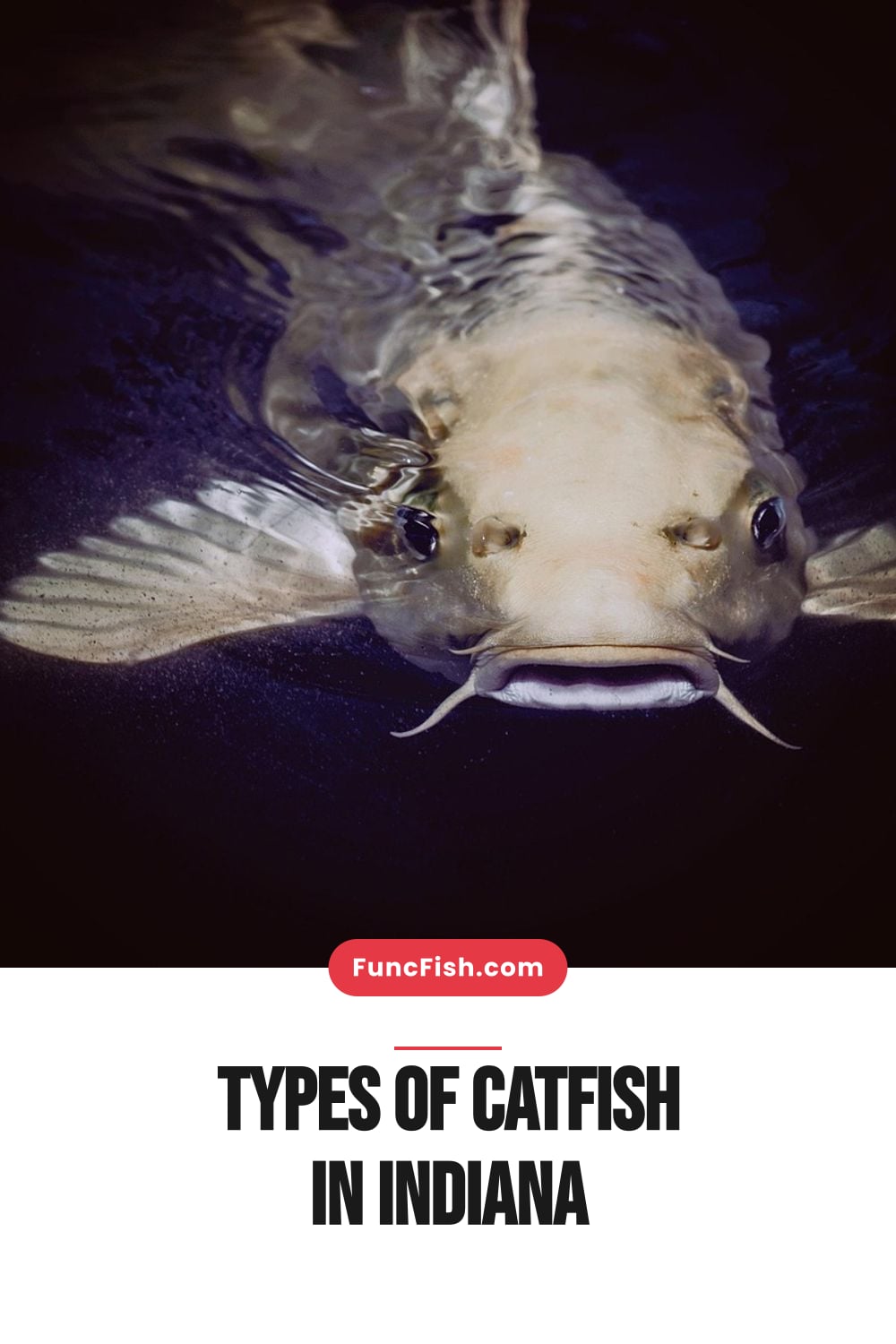
The rivers, lakes, and streams that flow through the state of Indiana contain many different type of whiskered fish. Many species of these whiskered fish go by different names and isnt easily recognized by anglers who frequent these waters. Catfish are one of the major species of whiskered fish that can be found in the freshwater location in the state of Indiana.
Not only will the catfish provide anglers with firm and sweet fillet to prepare for dinner, but the catfish species also can be caught in areas that other fish species tend to avoid. There are several different species of catfish in Indiana, and it is helpful for anglers to learn about each species to better understand how to catch them. The waters in the state of Indiana contain many different types of these bottom-dwelling fish species.
Each species of catfish have its own specific habits, each species prefers a different habitat, and each species puts up a different fight when an angler is harvesting it. Some species of catfish grow to reach large sizes with impressive weight, while other species remain much smaller in size but are more likely to exhibit bitted enthusiasm in the catching efforts of anglers. Anglers who learn how to recognize the different species can target the species they desire to catch while avoiding wasting their time in the wrong area of the river.
The following list of the different species of catfish found in Indiana will begin with the most common and end with the species that require the most effort to catch.
Common Types of Catfish Found in Indiana
1. Channel Catfish
The most common species of catfish that can be found in the state of Indiana are the channel catfish. Channel catfish have a slender body and deeply forked tail.
These fish are located in most of the lakes, rivers, and farm pond in the state. The skin of a channel catfish is smooth and slippery to the touch and also has spots on each side of the catfish. The spots become less visible as the channel catfish reaches an older age.
The water where channel catfish live contains a moderate current or is still. Still water area must contain some structure within the water for the channel catfish, such as logs, rocks, or bridge abutments. Channel catfish typically dont grow to weigh more than twenty pound.
However, the reason that anglers catch many of these fish is because there are many channel catfish in the state and because channel catfish will eat almost any type of bait. Channel catfish are a special species because they can adapt to various environment in which they live. Channel catfish populations are active during the daylight hours and when the water is stained with organic matter.
However, they are even more active during the nighttime hours in which they hunt for food. Anglers can use a slip-sinker rig with chicken liver to catch channel catfish while the children is awake. Channel catfish have mild and flaky meat if the meat is kept cold.
Because of this type of meat, anglers often target channel catfish for dinner and fish fries. However, the fight that the channel catfish puts up while being harvested is not a long fight and is over before the angler can develop strong muscle for fighting the catch of a larger species of catfish.
2. Flathead Catfish
The second species of catfish to discuss includes the flathead catfish.
Flathead catfish exhibit different behavior than channel catfish. Flathead catfish grow to large sizes and have a broad head. Flathead catfish use live bait and live in solitude.
The lower jaw of a flathead catfish extends past the upper jaw, providing these fish with the permanent expression of a bulldog. Additionally, the tail of a flathead catfish is rounded instead of deeply forked. Flathead catfish live in deep hole within the rivers during the daytime but emerge after dark to hunt for food.
In rivers like the Wabash and the White River, flathead catfish may weigh more than fifty pounds. However, the more common weight range between fifteen and thirty pounds. In order to target flathead catfish in the state of Indiana, anglers have to exhibit patience while using fresh bait.
Commonly used bait for flathead catfish includes live bluegill and live bullheads that the angler hooks through the back of the fish. When flathead catfish strike the bait, the angler will feel the strike of a heavy train of fish that move toward the angler. Flathead catfish use their wide bodies and tails to move towards areas of cover and safety.
Because flathead catfish have so much power when moving, anglers must use stout fishing tackle when targeting these fish and must know the areas in which the fish like to run into snags in there lines. Additionally, the meat of a flathead catfish has a texture similar to pork and is thick in these fish.
3. Blue Catfish
The third species of catfish that live in the state of Indiana is the blue catfish species.
This species of catfish is the largest in the state of Indiana. Blue catfish are a slate blue color with a noticeably forked tail. Additionally, blue catfish can reach a weight that is very heavy for the catfish species.
In the Ohio River and the deep sections of reservoirs, anglers can find blue catfish that weigh over sixty pounds year-round. The anal fin of a blue catfish has a straight outer edge. This detail makes it easy for anglers to identify blue catfish in the same waters that contain channel catfish species.
Blue catfish live in areas with a strong current. Additionally, these species prefer to live in deeper waters in the state of Indiana. In the tailwaters of dams in Indiana, blue catfish live in schools.
Areas with strong currents contains food that the blue catfish eat. Cut shad and cut skipjack herring are the best types of bait for blue catfish because blue catfish are scent feeders that use their snout to find food. The fight between the angler and the blue catfish is slow and powerful and can last twenty minutes or more.
The catch of a trophy blue catfish species is rewarding because blue catfish grow slowly and live for a long time. These types of catfish require specialized fishing gear for anglers and require long boat ride to find them in their favorite habitats.
4. Stonecats and Madtoms
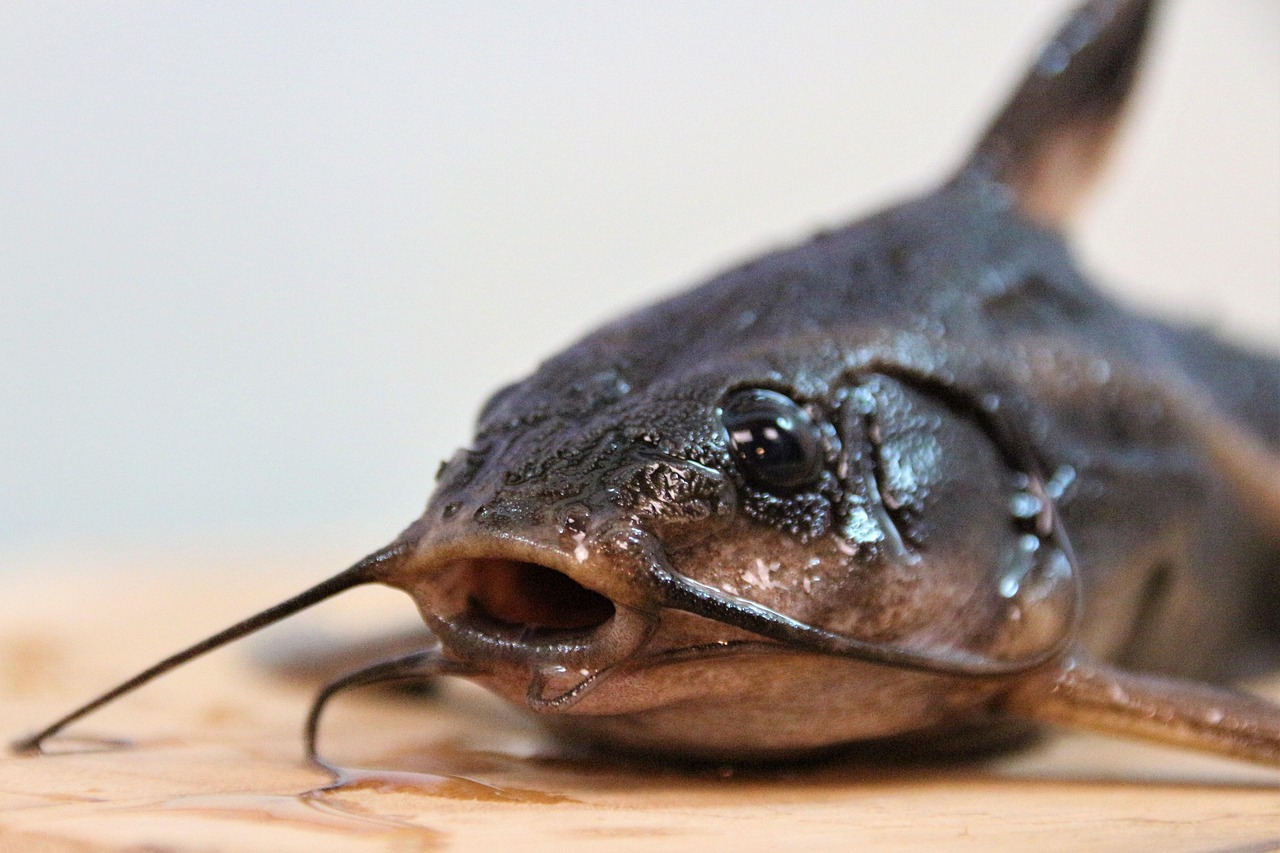
The fourth and fifth species of catfish in Indiana include the stonecats and the madtoms.
These two types of catfish are the smallest members of the whiskered fish family. Both species of catfish grow to a maximum size of eight inches. Stonecat catfish have venomous spine that can leave a painful jab on the angler if not careful when removing the hook from the fish.
Both stonecat and madtom catfish species prefer rocky area in the rivers and clear streams in Indiana. Both stonecats and madtoms hide under flat stone during the daytime hours when the water temperatures are at their peak. Although these two types of catfish are not usually harvested for dinner, they serve as the hunting ground for larger game fish species that live in the same area.
Because of this behavior of stonecats and madtoms, many anglers use these species of catfish as bait for smallmouth bass. If anglers go into any creek or stream in Indiana and turn over the rocks in these areas, they are likely to spot these small species of catfish. Their presence in streams is indicative of the high quality of water in these areas.
The encounter of an angler with this small fish species is as close to discovering a secret in the river than an angler is ever likely to come.
5. Black and Yellow Bullheads
The sixth species of catfish to discuss includes the black bullheads and the yellow bullheads.
Bullheads have a preference for muddy environment.
Bullheads live in ponds, ditches, and the shallow backwaters of larger rivers where the levels of dissolved oxygen in the water are low. Bullheads have a color that ranges from deep chocolate to olive green for their body. The color of the barbels located under the chin of the bullhead can identify bullheads.
Yellow bullheads have pale barbels, while black bullheads have dark barbels. Bullheads exhibit bitted enthusiasm to nearly any type of bait. Thus, children target bullheads as one of the species of fish when first learning how to fish.
The texture of bullhead meat is sweet but may have a taste of mud if the bullhead is from stagnant water. Anglers who are mindful of the habitat where the bullhead was caught will only keep bullheads from clean ponds. Any bullheads that are not from the clean ponds will be released back into the water.
Bullheads are very hardy fish and can live in water that would kill a channel catfish within a few hours. The ability to catch any type of species of catfish with a certain type of tackle and bait rests with understanding the natural behavior of the catfish species. An angler can use a light spinning rod to catch channel catfish in a farm pond.
However, the same rod will not be strong enough to catch a flathead catfish that weighs thirty pounds. The type of bottom of the water, the temperature of the water, and the time of day that the angler goes fishing can tell the angler which species of catfish to target during their fishing trip. The next time that an angler stands on the bank of a river in Indiana and waits for their fishing rod to reveal the presence of any species of catfish, they should remember that there are many different types of catfish that live in these bodies of water.
Each species of catfish has its own behavior when catching the fish, the fight that the catfish exhibits when being harvested by the angler, and the method by which each of these catfish species hides from other inhabitants of the water. By learning of the behaviors of each species, anglers of all ages will be able to target each species and enjoy there fishing experience in Indiana.