
Your reel is the mechanical heart of your fishing setup. It retrieve your bait and manages tension on the line. It help you land the fish you worked so hard to catch, but it can also fail you when you need it most.
A good reel make the fight seem effortless as you hardly think about it. Frustration set in if a reel starts getting sticky or your line get tangled up. We all know we should of take care of our reels, but how do we recognize when something isn’t quite right?
Knowing the warning signs early will save you a lot of money on an expensive piece of equipment and some lost fish.
Common Fishing Reel Problems You Should Know
1. Line Twist and Corkscrew Effect
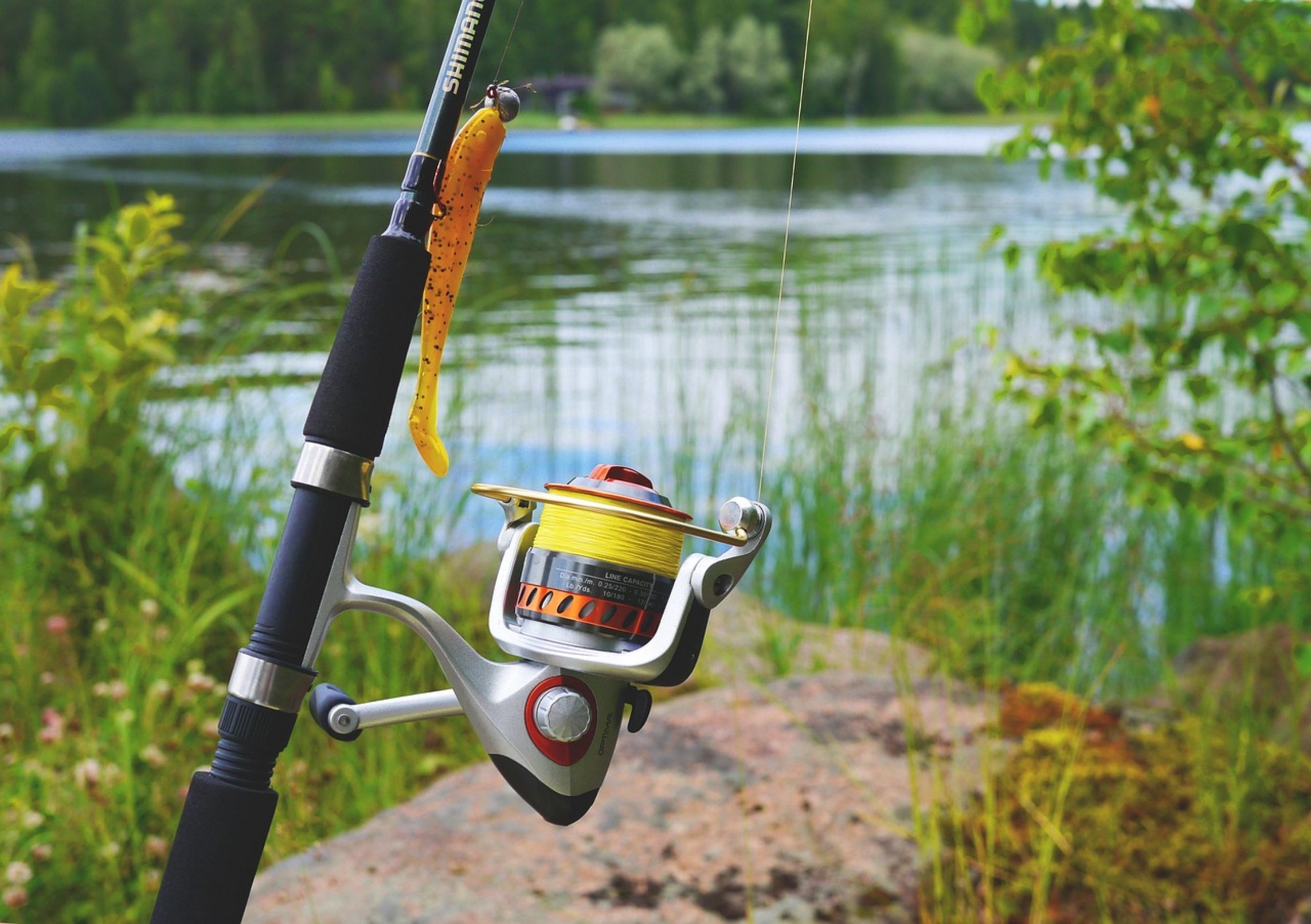
One issue many spin reel angler face is line twist. As you retrieve your line, it begin to twist around itself and cause a corkscrew effect where your lure doesn’t cast as far.
This is caused by an inability of the spool to turn freely and let go of force generated when your lure is spinning. You’ll notice a wobble in the line, or even kinks in the spool when looking down at it. A lot of new reels incorporates a twist eliminator into their bail roller to remedy this.
If you don’t have one, change to braided line, it handles twisting much better than monofilament. It will save you some tangles down the road.
2. Squeaky Bearings and Grinding Sounds
If you hear squeaky bearings your reel is telling you something, it’s time for some attention.
When it’s running right it will have a smooth whirring sound as it goes along. But when you hear a high-pitched whining sound then that’s a telltale sign that the reel has metal parts grinding on each other, that creates heat and speeds up wear. Eventually parts will seize.
Flush the old, gummy oil out and replace it with fresh reel-specific grease or light oil. The wrong type of oil such as those from your house (WD-40 etc) will evaporate rapidy and pick up dirt. Good lube keeps the workings moving freely and help extend lifespan of internal components.
3. Gritty Drag System Failures
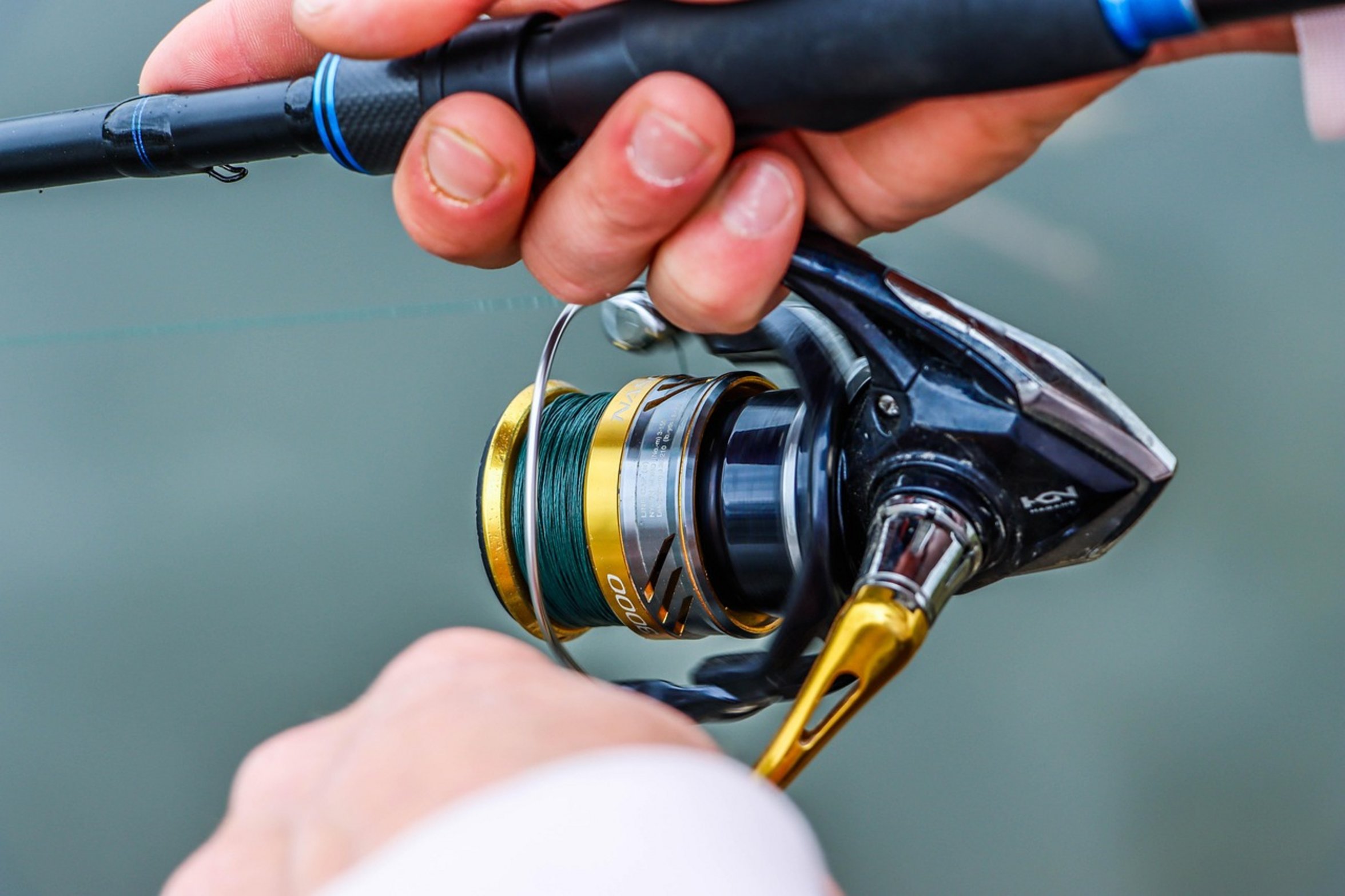
A drag system gone bad will cost you a fish right then. When a fish is running and your line isn’t breaking, that’s the drag doing its job. It’s sliding your line back onto the spool under pressure.
But the drag feel gritty and the problem lies with the carbonite washers in there being either damaged or drying out. These washer require some special lube to work properly. And one of the other big mistakes guys make is over tightening the drag knob which crushes those disks and makes them unusable.
So, keep your drag loose until you get a good hookset and slowly tighten it down as the fish tire. Not taking care of this system can lead to a broken line because the reel won’t give up on stress.
4. Corrosion and Rust Prevention
In wet conditions, exposed metals will inevitably oxidize over time, but there are some easy precautions that’ll save big headaches.
Because corrosion occurs quickly when fishing saltwater, you may notice the beginnings of rust forming near the drag knob and along the spool shaft on unprotected metal reels. Letting them go, the oxidation can penetrate the inner workings of the reel and permanently ruin gear.
After each outing, whether in saltwater or not, clean your reel with fresh water and wipe down with a soft cloth.
Be sure to focus on areas such as creases where water can pool. A thin layer of protectant spray forms a barrier against future corrosion. It only takes a minute or two but could save you from much more expensive maintenance down the road.
5. Misaligned Bail Arm Issues
When the bail doesn’t shut on the reel properly, each cast will be disrupted by a misaligned bail arm. Bail is the metal loop encircling the spool. It must close on the spool and engage properly for retrieving your line.
If you drop your reel or don’t assemble it back together right, the bail will hang off to one side. Sometimes you’ll feel your handle won’t spin freely, or the bail catches on the reel foot when spinning. To realign it, just adjust the bail arm screw until it is lined up.
But if any of the components are bent, you need new parts. A misaligned bail causes unpredictable casts and extra stress on gears.
6. Internal Gear Wear and Noise
Older reels will eventually show signs of internal gear wear.
You’ll start noticing your reel making clicking or rattling sounds as you turn the handle. This means your drive gears has had their teeth stripped away and the metal components aren’t meshing properly anymore. Gear wear isn’t surface rust and is usually irreversible, unless you send it in for a rebuild or simply replace the whole reel.
Regularly cleaning and lubricating your reel minimizes wear and tear by reducing friction. Be sure to discontinue use if you notice odd sounds coming from within the reel’s housing. Continued fishing with worn-out gears will result in complete mechanical failure at the worst times.